
Why You Keep Popping Up Your Dinks (And the 2 Fixes That Work)
Popping up your dinks is one of the fastest ways to hand your opponent a free point at the kitchen line. These two fixes will help you take control of your dinking game for good.
If you are popping up your dinks, you are essentially setting up your opponent for a free attack every single rally.
It happens to players at every level. You step into the kitchen line, feel confident, and then watch the ball float up just a little too high.
Next thing you know, you are on the defensive and scrambling to reset.
The good news is that there are really only two root causes for this problem, and fixing either one will immediately improve your control at the net.
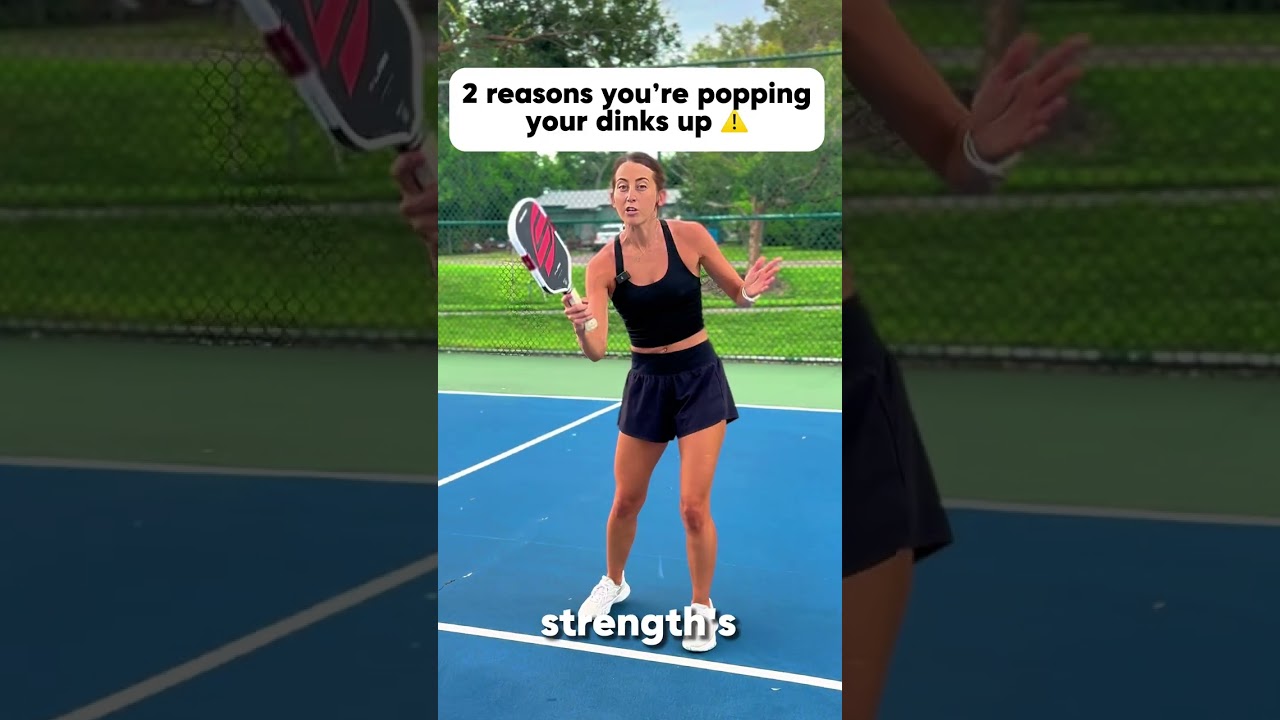
This breakdown comes from All Things Pickleball on YouTube, and the fixes are simpler than most players expect.
Love pickleball? Then you'll love our free newsletter. We send the latest news, tips, and highlights for free each week.
The Pickleball Dink Is the Shot You Are Probably Getting Wrong
A good pickleball dink is a controlled, low shot that lands in or near the kitchen and forces your opponent to hit upward.
It is not a power shot. It is not a quick flick.
It is a precision shot that wins points by creating errors, which is exactly why it sits alongside the essential pickleball shots to master for anyone serious about climbing.
Pop it up and you flip that dynamic completely.
Most players who struggle here blame positioning or footwork. Those matter, but they are rarely the culprit.
The culprit is almost always wrist behavior or grip pressure.
Fix 1: Stop Being Wristy With Your Dinks
The first reason you are popping up your dinks is that you are slapping the ball with too much wrist action.
Being wristy means your wrist is flicking or snapping through contact instead of staying firm. That kind of movement introduces unpredictability into the shot.
When the wrist moves independently of the arm, you lose the ability to guide the ball consistently.
One dink lands in the net, the next one floats up. The results are random because the movement is random.
What Does a Firm Wrist Actually Look Like?
A firm wrist does not mean a stiff, locked arm. It means the wrist stays stable through the stroke so the paddle face stays consistent at contact.
Think of your wrist as a hinge that you are keeping closed during the dink.
The swing comes from your shoulder and elbow moving together, not from a snap at the end.
This is one of the most common bad pickleball habits players carry into their games without realizing it.
If you have played tennis or ping pong before, the wristy instinct is even stronger and needs to be consciously trained out.
Here is how to check whether your wrist is the problem:
- Film yourself dinking from the side. Watch whether your paddle face changes angle right before or at contact.
- Slow down your dink swing and focus on keeping your wrist angle identical from the start of the swing to the follow through.
- Practice dinking against a wall with a deliberate focus on a quiet, stable wrist throughout each rep.
If your dinks are inconsistent, specifically sometimes going long and sometimes going into the net, wrist instability is almost certainly what is causing it.
 The Dink Media Team
Fix 2: Your Grip Is Too Tight
The second reason you are popping up your dinks is grip pressure that is too hard.
This one surprises a lot of players. They think gripping the paddle tighter means more control. It actually means the opposite when it comes to dinking.
When your grip is too tight, you are transferring all of that stored energy directly into the paddle at contact.
The ball gets hit harder than you intend, and it floats up because of the extra force.
What Is the Right Grip Pressure for Dinking?
The standard reference point coaches use is a scale from 1 to 10. For dinking, you want to be around a 3 or 4 out of 10 in terms of grip tightness.
You should feel like you could hold the paddle without it slipping, but not like you are squeezing water out of a sponge.
If your forearm muscles feel tense, your grip is too tight.
Loose grip pressure allows the paddle to absorb some of the ball's energy rather than reflecting it back. That is exactly what you want for a controlled, low dink.
Understanding grip pressure and control is one of the highest-leverage adjustments in your entire game.
It also depends on the paddle in your hand, which is worth remembering as you read through the 2026 paddle predictions from top reviewers.
Here is a simple drill to practice the right grip pressure:
- Stand at the kitchen line and consciously loosen your grip before each dink.
- Focus on moving the paddle at the same speed from start to finish, no acceleration at contact.
- After each shot, check your forearm. If you feel tension, reset your grip and try again.
- Do this for 5 minutes before any dinking practice session until it becomes automatic.
That consistency of paddle speed is what keeps the ball low. Acceleration at contact is what sends it up.
 The Dink Media Team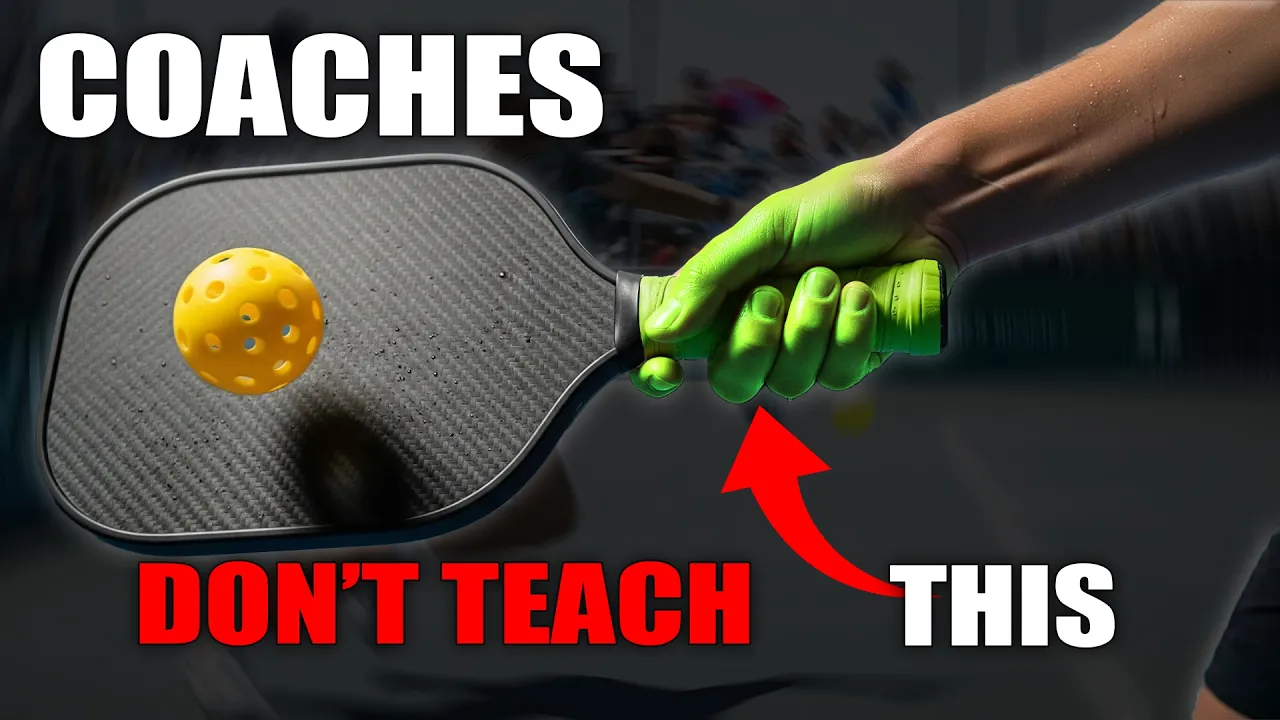
How These Two Problems Combine to Destroy Your Kitchen Game
Here is what makes these issues so damaging. They almost always show up together.
When you feel uncertain at the kitchen line, you instinctively grip tighter.
A tighter grip makes you compensate with wrist action to steer the ball, and that wrist action produces the pop-up that feeds the uncertainty all over again.
It becomes a cycle that gets worse under pressure. This is why players who look sharp in warmups start floating dinks the second the score gets close.
Breaking it starts with recognizing it. The fix never changes: loosen the grip, firm the wrist, hold an even paddle speed.
Players who own the kitchen like Anna Leigh Waters make it look effortless because the mechanics underneath are clean.
There is no extra tension and no sudden flip, and if you look at the 2025 medal counts you will see the same quiet hands at the top of every leaderboard.
Pros are also ruthless about cutting mechanics that add variance, which is exactly why professional pickleball players abandoned the slice shot on so many dink exchanges.
 The Dink Media Team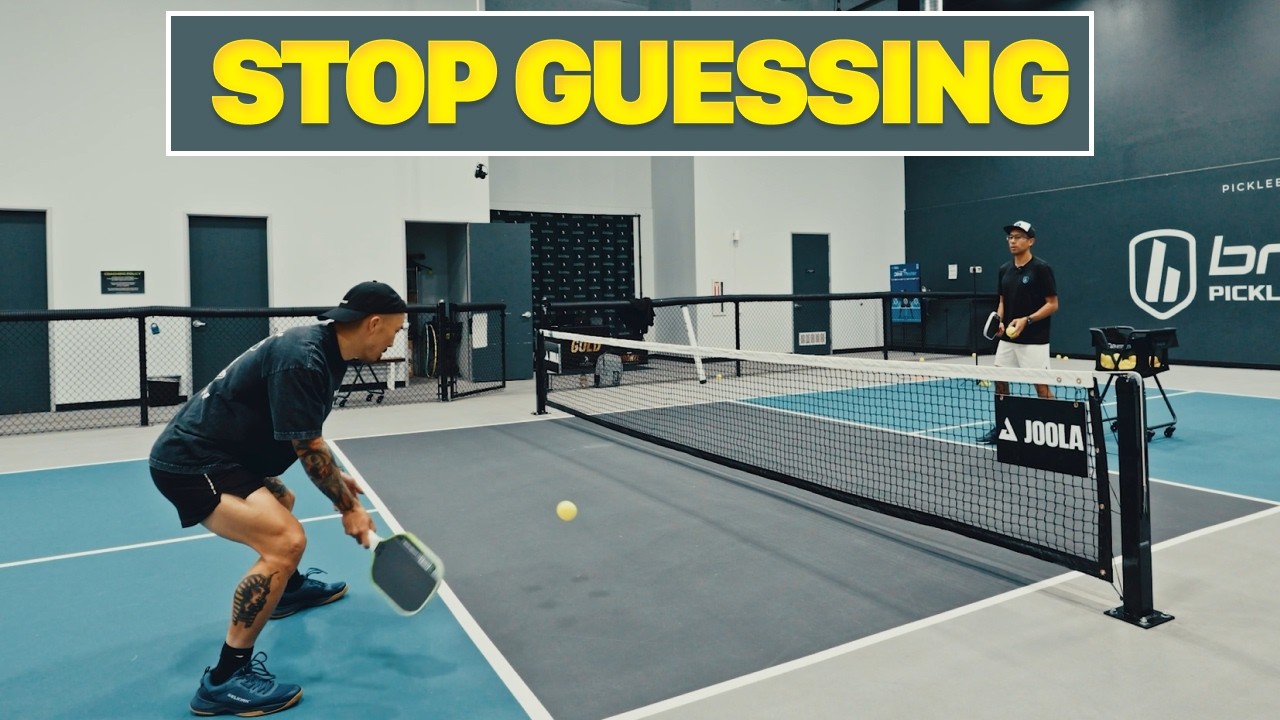
Is Your Pickleball Dink Problem Actually a Setup Problem?
Sometimes grip and wrist issues are made worse by poor positioning before the ball even arrives.
If you are reaching or off balance, your body compensates by adding wrist or squeezing harder.
Getting into position early cuts down how much compensating you have to do.
Work on your pickleball footwork alongside these mechanical fixes and dinking gets noticeably easier.
The same principle shows up across the four key strategies of modern pickleball, where position always precedes technique.
Pay attention to wide balls too. Wide dinks are where wrist and grip errors spike hardest, so read up on how to fix wide dink mistakes for that specific scenario.
 Alex E. Weaver
Putting the Two Fixes Together in Practice
Knowing the fixes is one thing. Building them into your game takes repetition with intention.
Here is how to structure your next dinking practice session to target both issues at once:
- Grip check before every shot: Before the ball comes to you, consciously release any extra tension in your hand.
- Wrist lock cue: Tell yourself "firm wrist" as the ball is approaching, and keep that cue active through contact.
- Speed consistency focus: Your paddle should move at the same pace from start to finish. No burst at contact.
- Low target practice: Aim for the lowest possible shot that still clears the net. This keeps your attention on control over power.
Drilling both corrections with a partner is the fastest route to real consistency.
Pull from the dinking drills that senior pros use, or work through the 12 drills you need to play your best pickleball if you want a full session already built for you.
If you want to understand why your dink in pickleball holds up in drills and falls apart in live play, this piece on why your dink fails in games is worth your time.
What Should You Be Thinking About During a Real Match?
During a match, you cannot run through a checklist on every shot. The goal is to internalize these two cues so they become automatic.
The one thought that tends to work best mid-match is simply: "soft hand, firm wrist." That covers both fixes in three words and is short enough to actually use between points.
One area where these habits especially pay off is when you are dealing with a player who likes to speed up from the kitchen.
When your dink is controlled and low, their attack options shrink. When you pop it up, you are doing their work for them.
If you are still struggling with resets after being attacked, check out this guide on why your pickleball reset fails to address the next part of the defensive chain.
Also worth noting: wrist control applies beyond dinking. If you are hitting fourth shots that pop up too, the same principles apply.
This breakdown on why your fourth shot pop-up keeps happening covers the overlap between these shots in detail.
 The Dink Media Team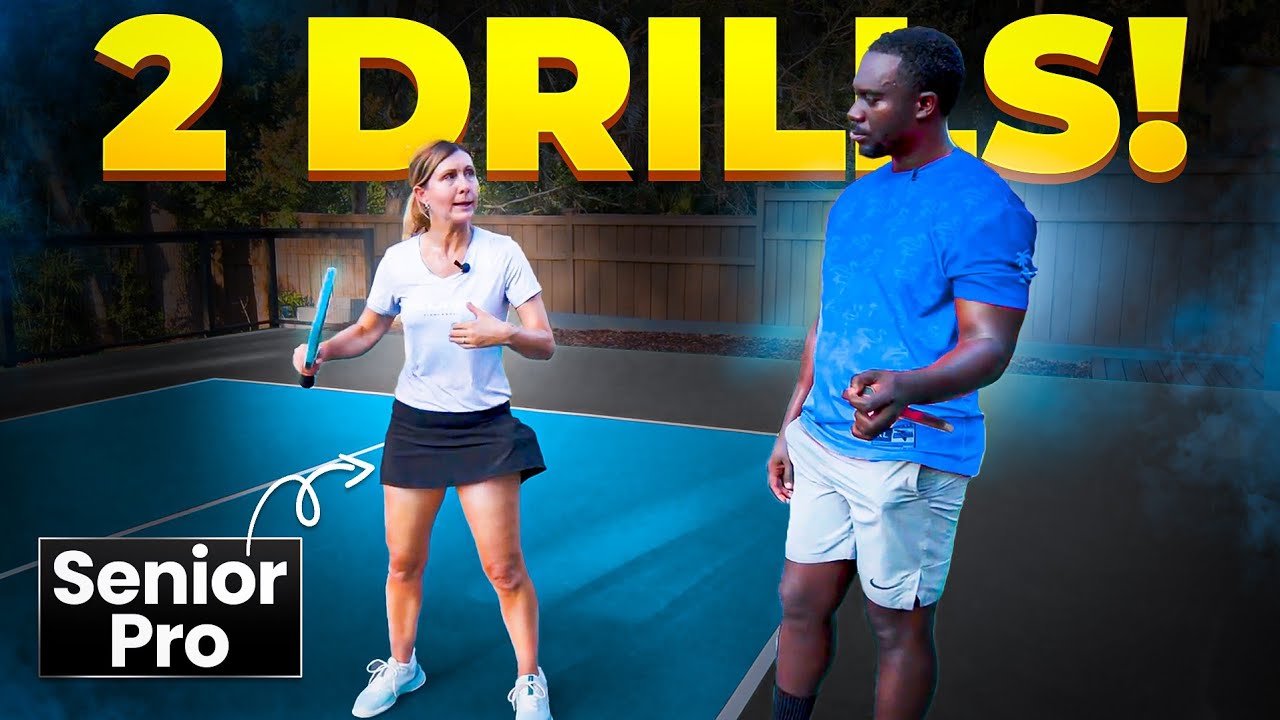
One More Thing: Dinking Is Supposed to Be Boring
A lot of players get impatient during dink exchanges and start adding extra movement or pace to "do something."
That impulse is usually what triggers the wrist flick or the grip squeeze.
The goal of a dink rally is to stay neutral or force your opponent into a weak position.
It is a waiting game, and the player who stays patient and mechanically clean usually wins it.
Using the kitchen line as a target, not just a boundary, helps shift your mindset from reactive to intentional.
Every dink has a purpose. Every dink is aimed somewhere specific.
And every dink should leave your paddle with a soft hand, a firm wrist, and a consistent swing speed.
Get those three things right and you will stop popping the ball up for good.
For extra reps, the backhand dink drills here are excellent for building the kind of muscle memory that holds up under pressure.
And if you are working on the mental side of playing consistent pickleball, this piece on curiosity as the key to better pickleball is a genuinely useful read.
Frequently Asked Questions
Why do I keep popping up my dinks even when I am trying not to?
Popping up dinks is almost always caused by too much wrist action, too much grip pressure, or both at the same time. Focus on keeping your wrist firm through contact and your grip loose, around a 3 or 4 out of 10 on a tightness scale. These two adjustments together will fix the issue faster than any positional change.
What grip pressure should I use when dinking in pickleball?
Your grip pressure for dinking should be loose enough that your forearm muscles feel relaxed, but firm enough that the paddle does not move in your hand at contact. Think of it as holding a tube of toothpaste without squeezing any out. Tight grip pressure transfers too much energy into the ball and causes it to float up.
How do I stop my wrist from flicking when I dink?
Practice keeping your wrist angle identical from the start of your swing to your follow through. A good drill is to slow your dink motion way down and watch whether your paddle face stays consistent the whole time. If it changes angle at contact, your wrist is moving and needs to stay quieter.
What is the difference between a good dink and a pop-up?
A good dink stays low, clears the net with minimal margin, and lands softly in or near the kitchen so your opponent has to hit upward. A pop-up floats higher than the net, giving your opponent a ball they can attack at a downward angle. The difference usually comes down to swing speed consistency and wrist stability at contact.
Can tight grip pressure affect shots other than dinks?
Yes, grip pressure affects every shot in your game including resets, drops, and volleys. Tight grip means more energy transferred to the ball on every contact, which makes controlled soft shots much harder to execute. Practicing a loose, relaxed grip during warmups helps build the habit across your entire game.

Love Pickleball? Join 100k+ readers for free weekly tips, news & gear deals.
Subscribe to The Dink