The kitchen dink is the foundation of modern pickleball strategy. Master depth control, target placement, and counter-anticipation to dominate at the net.
The kitchen dink isn't just another shot in your pickleball arsenal. It's the foundation that separates casual players from competitive ones.
According to Jordan Briones, a respected pickleball coach featured on the Building Pickleball channel, the way you execute your dinks directly determines whether you're setting up winning attacks or handing your opponents easy opportunities.
Love pickleball? Then you'll love our free newsletter. We send the latest news, tips, and highlights for free each week.
Why Your Kitchen Dink Depth Matters More Than You Think
Here's the thing: most players think a kitchen dink is just about getting the ball over the net. That's only half the battle.
The real skill lies in controlling depth, and Briones breaks this down with laser precision.
When you hit a shallow dink, your opponent gets to roll you all day. They're sitting at the net, waiting for that soft ball to float up, and suddenly they're attacking.
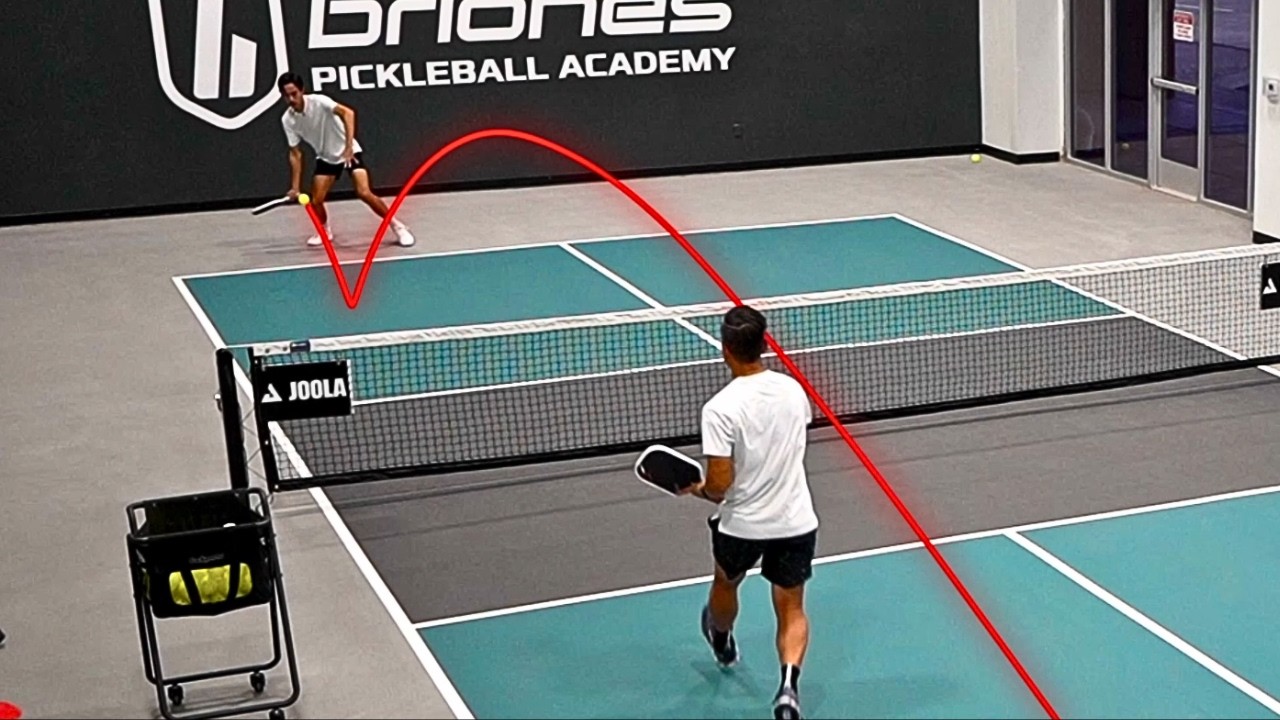
But when you push your dink deeper into the kitchen, you force them to make a decision.
They either have to volley from further back or shuffle away from the net. That's when you gain control.
Depth control is everything in the kitchen.
Briones emphasizes that at higher levels of play, pros aren't aiming for a single spot every time. They're working within a zone.
The goal is to keep the ball deep enough that your opponent can't attack, but soft enough that it stays in play.
The Two Target Zones Every Player Should Know
When Briones works with players on their kitchen dink technique, he uses a simple visual tool: two target zones on the court.
Understanding these zones transforms how you approach every dink.
- The first target is the inside foot of your opponent. This is the crosscourt dink that pulls them slightly toward the middle of the court.
- The second target is the corner of the kitchen, pushing them toward the sideline. These aren't random spots. They're strategically chosen to create pressure and limit attacking options.
What makes this approach so effective is that it forces your opponent to make a choice. If they're pulled inside, the outside is open.
If they're pushed wide, the middle becomes vulnerable. Your kitchen dink becomes a setup tool rather than just a defensive shot.
Briones notes that many intermediate players aim too conservatively. They're worried about missing, so they keep the ball shallow.
But in an ideal world, especially when you're practicing at a high level, you want to be hitting those deeper targets consistently.
The control comes with repetition and confidence.
What Separates Good Dinks From Great Ones
The difference between a good kitchen dink and a great one often comes down to one thing: swing speed. This is where most players get it wrong.
When you're moved out of position or pulled wide, your instinct is to swing harder. You're trying to compensate for being off-balance.
But that's exactly when you need to slow down. Briones uses an MMA analogy to explain this: you can punch someone hard or soft.
The difference is velocity. Same concept applies to your dink.
A kitchen dink with controlled swing speed gives you two advantages.
- First, it buys you time to recover and reset your position.
- Second, it lets you control the depth precisely.
When you're swinging fast, the ball either goes too far or pops up.
When you slow it down, you can place it exactly where you want it.
The best players have trained their defensive dinks so thoroughly that they can hit them from any position.
Whether they're shuffled out wide or caught off-guard, they can still execute a soft, deep dink that keeps them in the point.
 The Dink Media Team
Reading Your Opponent's Dink Patterns
Here's something that separates pros from everyone else: they're not just hitting dinks. They're reading patterns and anticipating what comes next.
When you hit a kitchen dink to a specific location, your opponent's response is somewhat predictable.
If you dink to their backhand side and they're forced to flick, the ball is likely coming back to the same side or straight at your body.
If you pull them wide with a crosscourt dink, they're probably going to speed up down the line or go middle.
Briones emphasizes that pros aren't thinking 10 or 20 shots ahead like some people believe.
They're thinking one or two shots ahead, but they've trained those patterns so thoroughly that they know where the ball is coming back.
This is why kitchen dink practice isn't just about hitting soft shots.
It's about understanding the geometry of the court and the physics of how your opponent will respond.
When you initiate with a dink, you have to think about the counter. What's the most likely response? Where should you position yourself?
This mental game is what separates competitive players from casual ones.
Alex E. Weaver
The Dead Dink Problem (And How to Fix It)
You've probably hit what Briones calls a "dead dink.
" It's that shot that sits up just a little bit, pulls your opponent out slightly, but doesn't really put pressure on them. It's slow, it's soft, and it's dangerous.
When you hit a dead kitchen dink, your opponent has time to cover both the middle and the sideline.
They can speed up, they can flick, they can do whatever they want. You've essentially given them the point.
The fix is understanding what creates a dead dink in the first place.
Usually, it's one of two things: you're swinging too fast, or you're not controlling your depth properly.
Briones works with players to slow down their swing and focus on keeping the ball in a specific zone. It's not about hitting it softer. It's about hitting it with intention.
A good kitchen dink forces your opponent to make a decision immediately.
They can't sit back and wait. They have to commit to a direction, and that's when you've got them.
Alex E. Weaver
Footwork: The Hidden Foundation of Your Kitchen Dink
You can have perfect technique, but if your footwork is terrible, your kitchen dink will suffer. This is where a lot of players miss the mark.
When you're pulled out wide, you need to shuffle explosively. Your stance matters. If you're standing too narrow, you can't cover distance.
If you're in a proper athletic stance, wide and balanced, you can shuffle out and still execute a quality dink.
Briones demonstrates this by having players start in a narrow stance and try to shuffle. They can barely move.
Then he has them widen their stance, and suddenly they're covering twice the distance. It's not magic. It's physics.
The kitchen dink requires you to be in position to hit it. That means your footwork has to get you there first.
Whether it's a lateral shuffle for a shallow ball or an angle shuffle step for a deeper ball, your feet determine whether you can execute the shot you want.
The Dink Media Team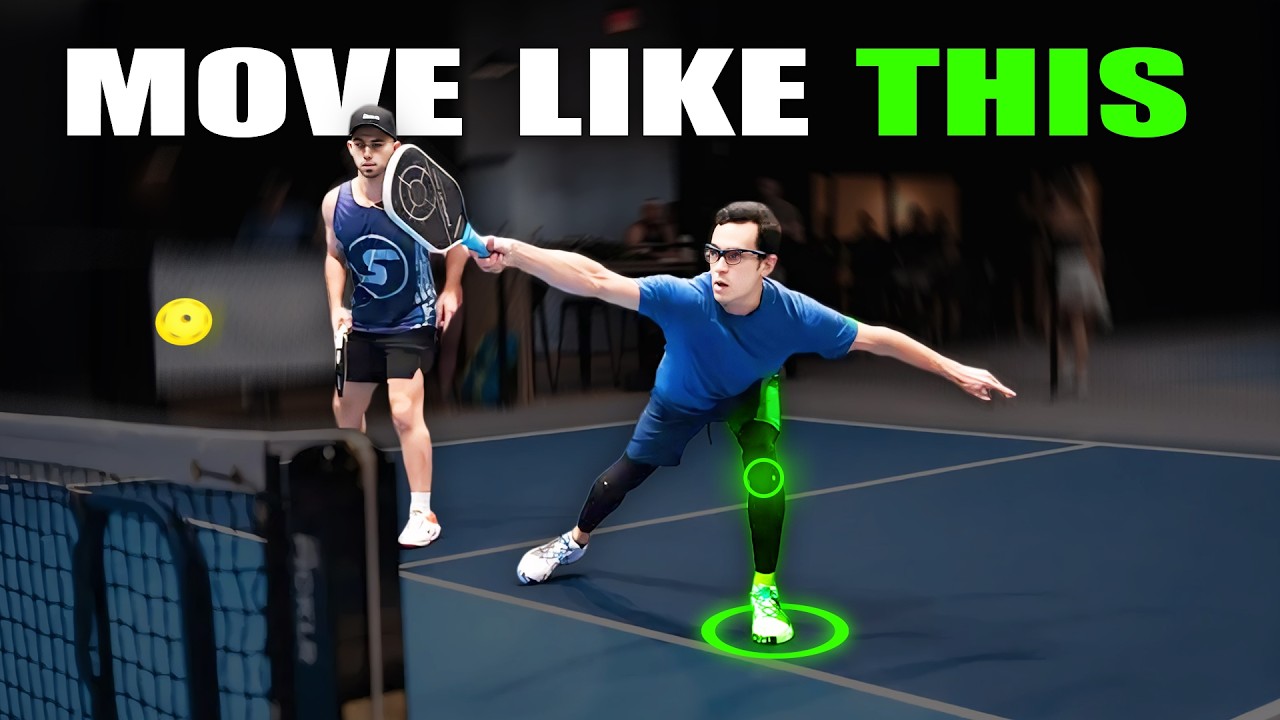
When to Attack Off Your Kitchen Dink
Not every kitchen dink is meant to be defensive. Sometimes, you're setting up an attack.
The key is understanding ball height. If the dink is relatively low, you're probably going to dink again or do something defensive.
But if it sits up slightly, that's your opportunity. Briones talks about having "one and twos" when you're at the net.
Your one is the chicken wing attack when your opponent is pulled. Your two is the middle attack when they're in a neutral position.
But here's the thing: ball height changes everything. If the ball is low, you can't hit your one or two.
You have to adjust your decision based on what you're actually seeing. This is why kitchen dink practice isn't just about hitting the same shot over and over.
It's about developing the ability to read the ball and make split-second decisions.
When you do attack off a dink, you have to think about the counter. Where is the ball coming back? What's your next move?
This is the difference between a player who can hit an attack and a player who can execute an attack that actually wins the point.
The Dink Media Team
The Mental Game of Kitchen Dink Strategy
Here's something that doesn't get talked about enough: the mental side of the kitchen dink.
When you're in a rally and you're hitting dinks, you're not just executing a shot.
You're playing chess.
You're trying to set up a situation where your opponent makes a mistake or you get an opportunity to attack. Every dink has a purpose.
Briones talks about making your opponent earn the bounce. If they don't earn it, you're attacking. If they do earn it, you're setting up the next play.
This mindset changes how you approach every single dink. You're not just trying to keep the ball in play. You're trying to create pressure and opportunities.
The best kitchen dink players have trained this so thoroughly that it becomes automatic. They're not thinking about it consciously.
They're just executing based on patterns they've practiced thousands of times.
Frequently Asked Questions
What's the ideal depth for a kitchen dink?
The ideal depth for a kitchen dink is deep enough that your opponent can't attack, but soft enough that it stays in play. At higher levels, pros aim for a zone near the back of the kitchen, roughly 2 to 3 feet from the baseline. This forces your opponent to either volley from further back or shuffle away from the net, giving you control of the point.
How do I stop hitting dead dinks?
Dead dinks usually result from swinging too fast or not controlling your depth. Slow down your swing speed and focus on keeping the ball in a specific zone. Practice hitting dinks from different court positions so you develop consistency. The key is intention, not just softness.
Why is footwork so important for the kitchen dink?
Footwork gets you into position to hit the dink you want. If you're in a narrow stance, you can't shuffle far enough to reach wide balls. A proper athletic stance with your feet wide allows you to cover more distance and execute quality dinks from anywhere on the court.
Should I always dink deep, or are there times to dink shallow?
There are times for both. Deep dinks put pressure on your opponent and set up attacks. Shallow dinks can be useful when you're on defense and worried about backhand flicks. The key is understanding when each is appropriate and executing with intention rather than hitting shallow dinks out of fear.
How do I know when to attack off a dink?
Ball height is the primary indicator. If the dink sits up slightly, you have an attacking opportunity. If it's low, you're probably going to dink again. Develop the ability to read the ball quickly and adjust your decision based on what you're seeing, not on a predetermined plan.

Love Pickleball? Join 100k+ readers for free weekly tips, news & gear deals.
Subscribe to The Dink