Pickleball doubles is a game of angles, positioning, and reading your opponent. But there's a gap between what coaches teach and what actually wins matches, and locking in a sharp pickleball doubles strategy is where that gap closes.
The Enhance Pickleball YouTube channel recently broke down eight strategies that separate the players who understand the sport from those who are just hitting the ball hard and hoping for the best.
Love pickleball? Then you'll love our free newsletter. We send the latest news, tips, and highlights for free each week.
Putaway Shots Aren't Just About Power
When you're at the kitchen with an easy ball, your instinct is to crush it. But that's only half the story.
The key is dividing easy shots into two categories.
Option one shots are high balls below your head. Option two shots are slower, higher balls above your head. Both are attackable, but they demand different strategies.
How Shot Height Changes Your Pickleball Doubles Strategy
With option one shots, you have limited angles to work with. Your best targets are the middle or your opponent's feet.
With option two shots, you can open up the court and really spread your opponents out. The real insight: you're often setting up a two-shot combo.
The first shot opens the court; the second one ends the point. Don't expect to finish every rally in one swing. Sometimes it takes four or five shots to get the putaway you want.
Patience Beats Aggression: The Pickleball Doubles Strategy That Works
Not every dink should be a push dink where you're trying to force your opponent to pop the ball up. Sometimes the smarter play is to go passive.
Hit a lift dink instead, keeping the ball short and tight to the net. This forces your opponent to speed up the ball, which gives you a better angle to counterattack.
By the way, once you're done reading this article, check out this breakdown of one of the most advanced and unique doubles strategies ever. Collin Johns breaks down why he and his brother Ben Johns are so difficult to beat.
You're essentially making your opponent impatient. They'll eventually make a mistake, and you'll be ready to punish it. High-level players use this pickleball doubles strategy constantly, but it's overlooked at the recreational level.
 The Dink Media Team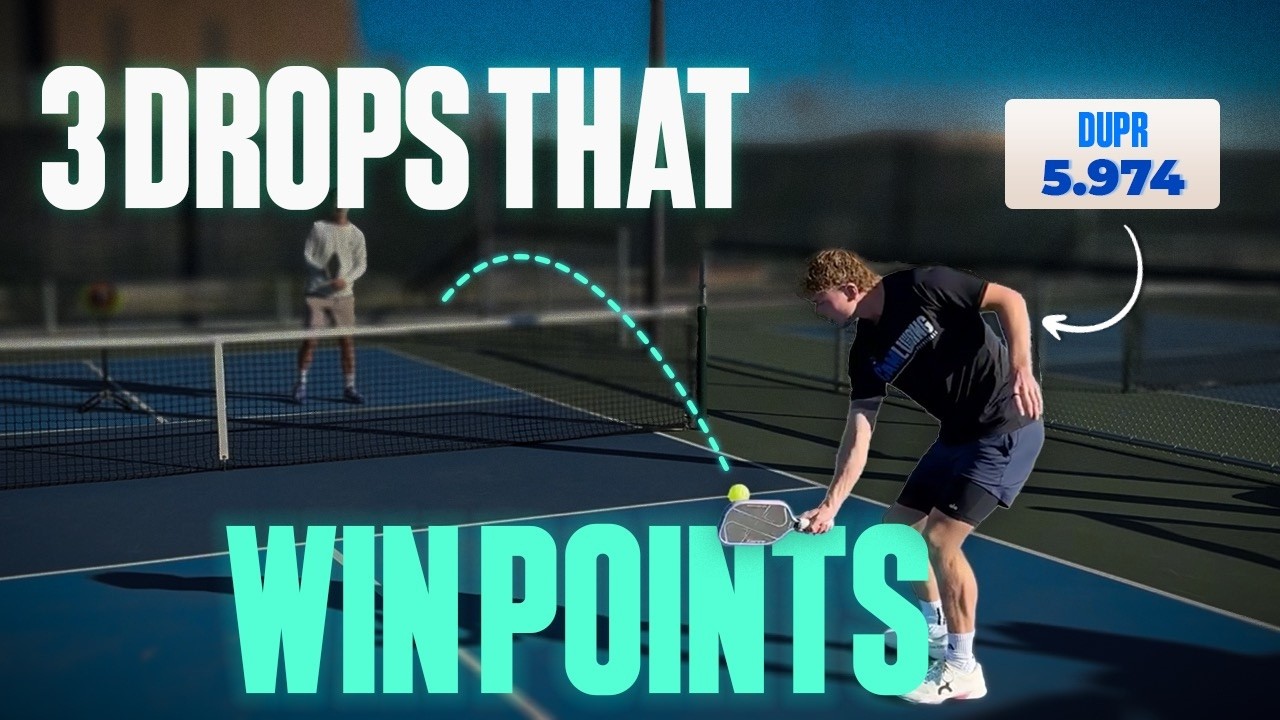
Drop Shots Still Work (If You Know When to Use Them)
Coaches often say drop shots don't work because opponents can run them down. That's true at the pro level, but it's not the whole story.
At the 3.0 to 4.0 level, most players aren't fast enough to consistently get to a well-placed drop shot. The trick is timing.
Don't hit a drop shot when your opponent is already moving forward. Hit it when they're driving off their back foot and not expecting it.
Using Drop Shots as Part of Your Pickleball Doubles Strategy
One warning: use it sparingly. Once or twice a game, max.
If you overuse it, your opponents will start running before you even hit the ball. Timing and surprise are what make this doubles pickleball tactic so effective at the recreational level.
Your Partner's Mistakes Are Your Opportunities
Not everyone follows the textbook strategy. Sometimes your partner doesn't move forward after a good drop shot.
Instead of getting frustrated, use it as a chance to poach. Cross over the center line and take the ball yourself. Your opponents will likely hit toward your partner since they're back, so you can anticipate and attack.
This is one of those pickleball doubles strategy adjustments coaches don't talk about because they assume both players are executing perfectly. In real matches, they're not. Smart players adapt.
 The Dink Media Team
Target Weaknesses, Not Players
Pickleball isn't a 50/50 game. One player is always covering more court than the other. But that's not the only asymmetry that matters.
Look for the weakest shot in your opponent's game. Maybe one player has a shaky backhand dink. Maybe they struggle with speedups on their forehand.
Your Pickleball Doubles Strategy for Targeting Weaknesses
Failing to adapt to your opponent's style is one of the most common errors recreational players make, Sports Illustrated according to Sports Illustrated. Knowing where to attack your opponents is the foundation of any winning doubles play in pickleball.
Target that weakness relentlessly.
- On returns, hit to the player with the weaker third shot
- During dinking rallies, attack the player who struggles most with that shot
- On speedups, go after the player who gives you the best opportunity to take control
You don't need to hit everything to one player. Just be strategic about which weaknesses you're exploiting.
Heads up: hundreds of thousands of pickleballers read our free newsletter. Subscribe here for cutting edge strategy, insider news, pro analysis, the latest product innovations and more.
Change-Ups Keep Your Opponent Guessing
At the 3.0 to 4.0 level, change-ups are devastatingly effective. At the pro level, players are too good at reading them. But in your matches, they work.
Mix up your serves with side spin or a little extra height. On returns, occasionally go for a harder, more aggressive shot instead of your usual slice. At the kitchen, sometimes attack when your opponent expects a dink.
Change-ups are one of the most effective tools in pickleball doubles strategy precisely because they disrupt your opponent's rhythm. The goal isn't to do these things every point. It's to keep your opponent from getting comfortable.
If they never know what's coming, they can't settle into a rhythm.
 The Dink Media Team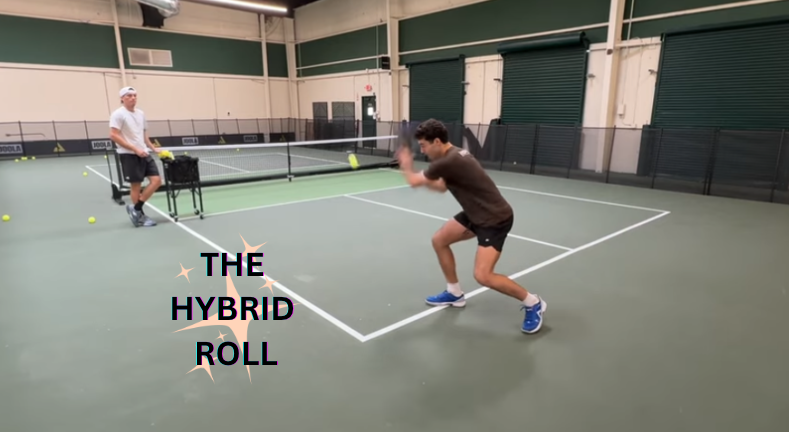
Slow Opponents Need Drives, Not Drops
If your opponent is getting in slowly off the return, a drop shot is actually the worst choice. When they're moving forward slowly, they have plenty of time to get to a drop and attack it.
Instead, hit a drive or hybrid at their feet. This forces them to deal with the ball while they're still moving forward, which limits their options.
It's a small adjustment, but it makes a huge difference in how easy it is to win the point. Adjusting your doubles pickleball tactics based on how your opponent is moving is one of the simplest ways to take control of a rally. As ESPN has covered in its reporting on why pickleball has become one of the country's hottest sports, ESPN the strategic side of doubles play in pickleball keeps evolving at every level of the game.
Cover the Middle or Lose Points
Balls going down the middle is one of the most frustrating parts of doubles. The solution is simple: decide who's covering it and commit.
If you're both right-handed, the left-side player should creep over and take the middle balls. If your partner is left-handed or doesn't know the strategy, communicate before the game.
Or just be aggressive and go for every middle ball you can reach. The worst thing you can do is be passive and hope your partner gets it. Be the player who takes responsibility for the middle, and you'll immediately play better.
 The Dink Media Team
The Bigger Picture of Pickleball Doubles Strategy
These eight strategies capture the essence of pickleball doubles strategy: making smart decisions, not just hitting harder. Pickleball at the 3.0 to 4.0 level is won by players who understand positioning, read their opponents, and adapt on the fly.
The gap between good players and great players isn't athleticism. It's strategy. Start implementing these ideas in your next match, and you'll see the difference.
Frequently Asked Questions
What is the most effective pickleball doubles strategy for 3.0 to 4.0 players?
For players in the 3.0 to 4.0 range, the most effective pickleball doubles strategy centers on consistency, smart shot selection, and exploiting opponent weaknesses rather than trying to overpower every exchange. Focus on keeping the ball in play, targeting the player with the weakest shot, and using patience at the kitchen line to force errors.
How do you cover the middle in doubles play in pickleball?
The key to covering the middle in doubles play in pickleball is clear communication and personal accountability before the first point is played. If both players are right-handed, the left-side player should take responsibility for center balls, and committing to that role ahead of time eliminates the hesitation that costs points at the recreational level.
When should you use a drop shot in pickleball doubles?
Drop shots are most effective in doubles pickleball tactics when your opponent is moving backward and not expecting them, never when they are already charging the net. Use them sparingly, once or twice per game at most, to preserve the element of surprise and prevent opponents from cheating forward in anticipation.
How do you handle a partner's mistakes during a doubles pickleball match?
Instead of getting frustrated when your partner doesn't advance to the net after a good drop shot, treat the moment as a tactical opportunity to poach by crossing the center line and attacking. Adaptability in the moment is one of the most underrated skills in pickleball doubles strategy, and smart players use their partner's positioning, right or wrong, to their advantage.
Why is patience more important than power in doubles play in pickleball?
Passive dinks and lift shots that force opponents to speed up the ball create far better attack opportunities than trying to overpower every exchange. High-level doubles play in pickleball is built on patience because manufacturing errors and opening up the court for finishing shots wins more points than hitting hard and hoping for the best.

Love Pickleball? Join 100k+ readers for free weekly tips, news & gear deals.
Subscribe to The Dink