

The Pickleball Counterattack: Paula Rives' Pro Technique Explained
PPA pro Paula Rives breaks down the pickleball counterattack, the shot that turns defense into offense. Learn the footwork, positioning, and anticipation needed to neutralize aggressive bangers.
If you've ever felt helpless against aggressive opponents who pound the ball at you from the kitchen, you're not alone.
The pickleball counterattack is the answer, and PPA pro Paula Rives just showed us exactly how to do it right.
In a recent coaching session, Rives joined coach Tony Roig to break down the counterattack, the shot that flips the script from defense to offense.
This isn't a passive block or a soft reset. This is hitting back hard, fast, and smart enough to keep aggressive opponents on their heels.
Love pickleball? Then you'll love our free newsletter. We send the latest news, tips, and highlights for free each week.
Why the Pickleball Counterattack Matters More Than Ever
The modern game of pickleball has gotten faster and more aggressive. Players are attacking earlier, hitting harder, and taking fewer prisoners at the net.
If you're stuck in a defensive mindset, you'll lose.
"Counterattacks right now are so important just because the game is so fast," Rives explained.
"When we're playing someone that's being really aggressive and we're in the kitchen, our first option should always be to try to counter and hit him back hard. That way they cannot keep attacking."
This is the fundamental shift that separates intermediate players from advanced ones.
Instead of absorbing pace and hoping for a soft opportunity, you're meeting aggression with controlled aggression.
You're not just surviving the rally; you're taking it over.
The Foundation: Positioning at the Kitchen Line
Before you can execute a pickleball counterattack, you need to be in the right place.
And that starts with how you position yourself when the ball is coming at you.
Rives emphasized positioning as the first critical element.
"If the ball's in front of us, most of the time the ball is going to come towards our body. So we want to move so we can hit the best shot that we can."
The key insight here is movement. You're not standing flat-footed waiting for the ball. You're sliding to create space, especially if you have a two-handed backhand.
 Alex E. Weaver
"If I'm on the right side, I'm going to try to push away from the middle," Rives said. "So I'm going to be creating space for my backhand."
This matters because it gives you room to swing through the ball with a compact, controlled motion. You're not cramped or defensive.
You're athletic and ready to attack.
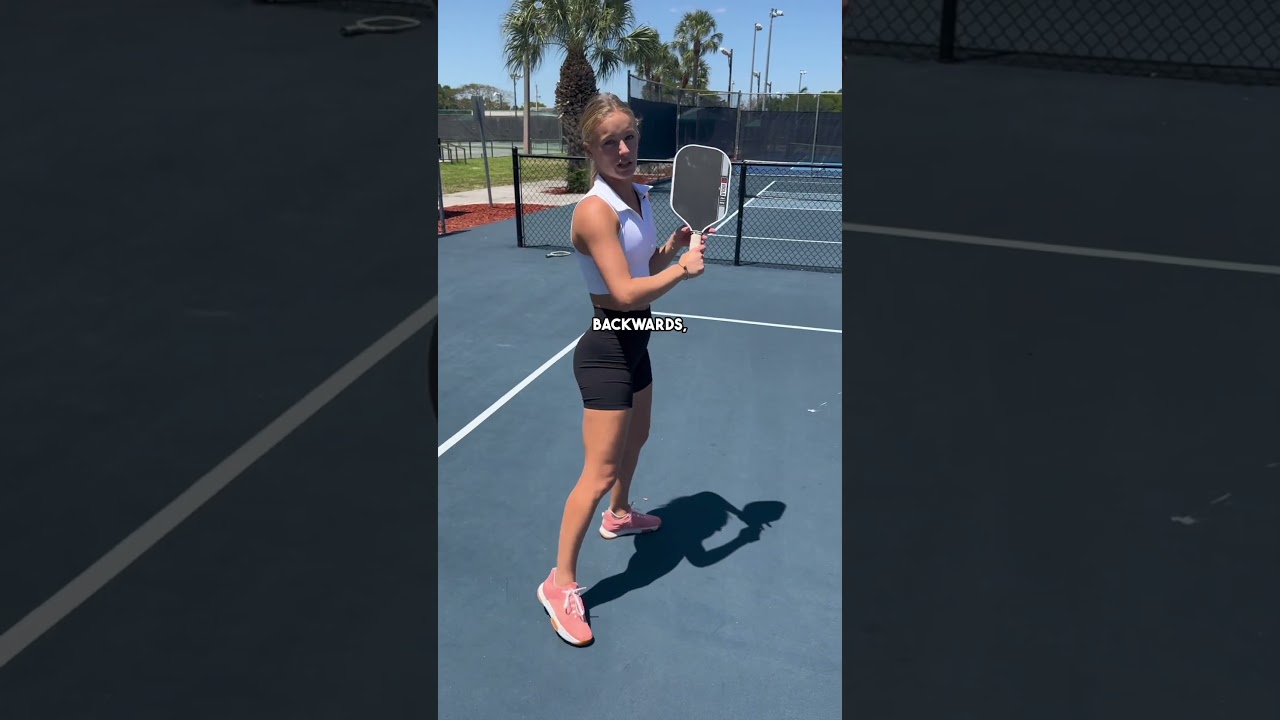
Stay on the balls of your feet. The moment you see the ball coming, slide to the side. Keep your paddle in front of you, never behind your body.
This positioning is the foundation for everything that follows.
The Footwork That Creates Space for a Pickleball Counterattack
Here's where the pickleball counterattack separates from other shots.
The footwork isn't just about getting to the ball; it's about creating enough space to hit it hard.
Rives demonstrated the slide-and-create-space technique that allows you to generate power while staying balanced.
"We're going to be kind of like in the balls of our feet. As soon as we see the ball, we're going to slide to the side," she explained.
The slide is explosive but controlled. You're moving laterally to open up your body and give yourself room to swing.
Your body weight stays forward throughout the movement.
This forward momentum is what allows you to hit down and through the ball rather than just blocking it back.
Think of it this way: you're not retreating from the aggression. You're repositioning to counter it. The footwork mechanics are athletic, purposeful, and quick.
There's no wasted motion.
One common mistake players make is staying too long in their recovery position after hitting.
If you're hitting the ball fast and hard, it's probably coming back fast and hard.
You need to reload immediately, which means getting back into that athletic stance and preparing for the next shot.
The Dink Media Team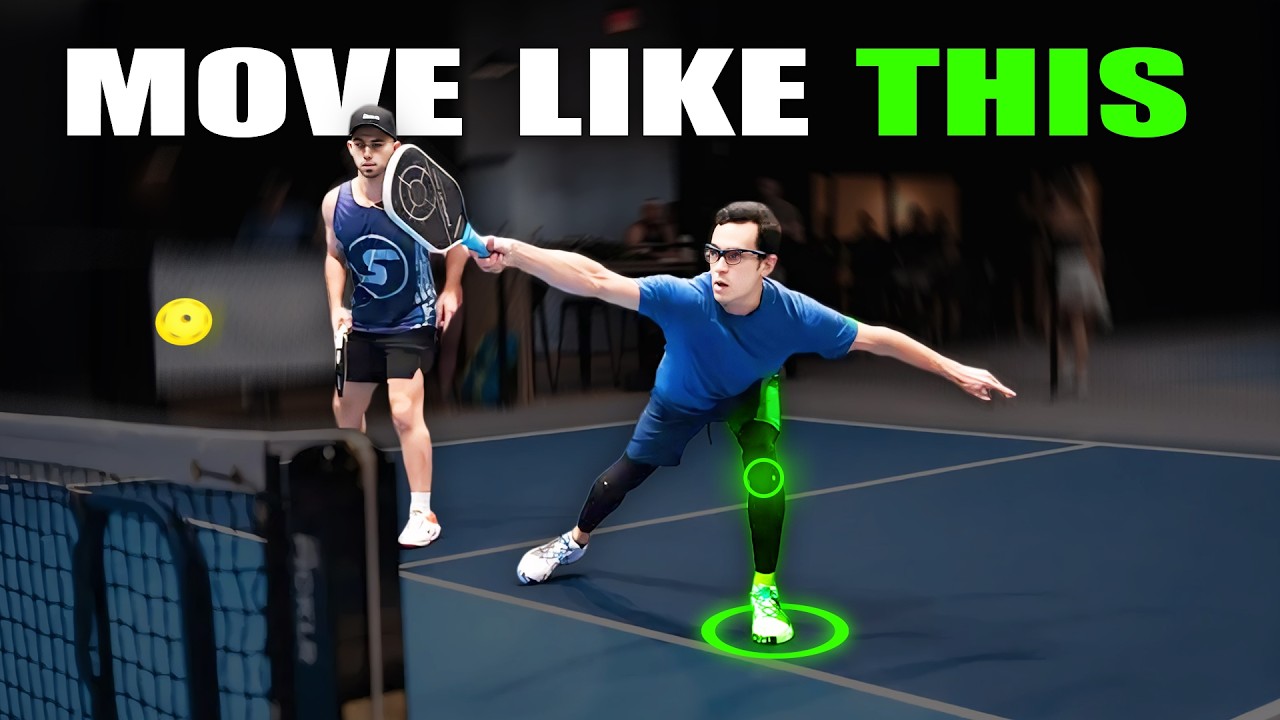
Hitting Down and Through: The Compact Swing
The actual swing mechanics of a pickleball counterattack are deceptively simple, but they require precision.
"I'm really trying to hit it through," Rives said, emphasizing the difference between blocking and attacking.
You're not trying to absorb the pace and redirect it softly. You're adding your own pace and hitting down on the ball.
The swing is compact. There's no big backswing or follow-through.
You're meeting the ball in front of your body with a short, controlled motion that generates power through acceleration and downward angle, not arm speed.
The target is your opponent's feet. You want the ball to land low in the kitchen, ideally at their feet or just above the net.
This keeps them from attacking again and forces them into a defensive position. It's the ultimate role reversal.
Rives demonstrated this repeatedly, showing how the compact swing allows you to hit hard without losing control.
The ball comes off the paddle with pace, but it's directed and purposeful.
The Dink Media Team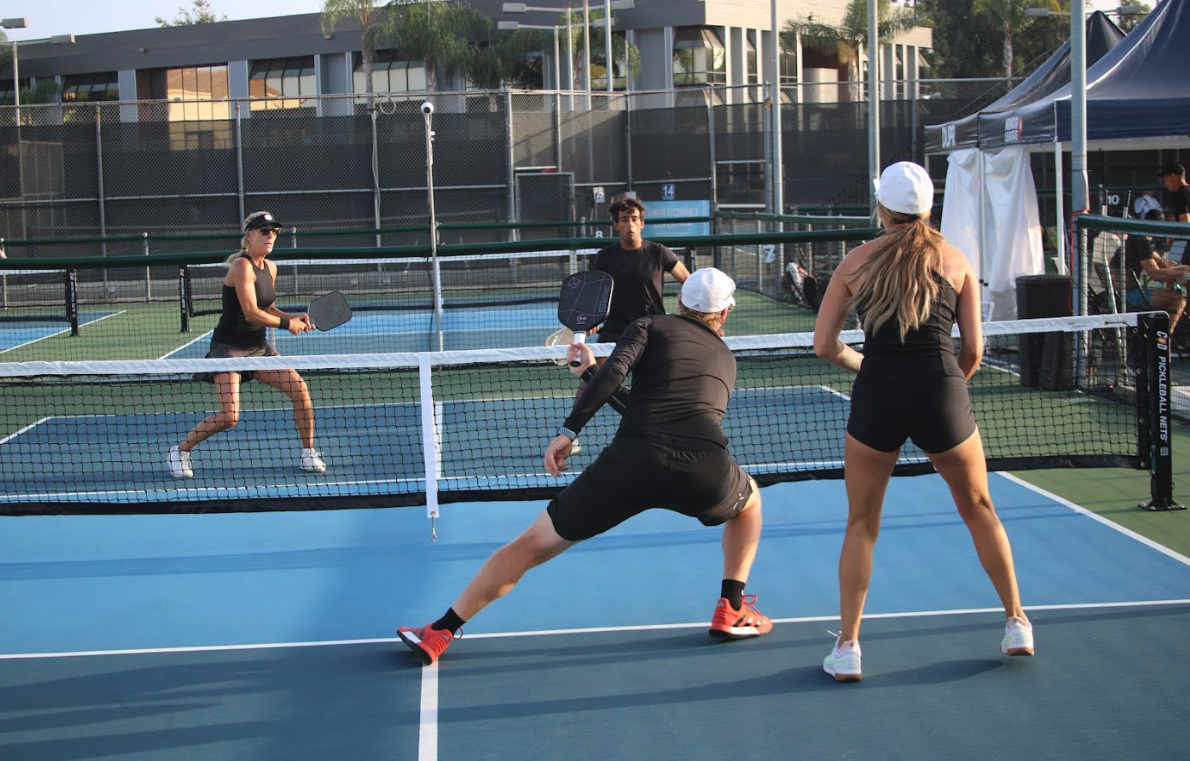
Reading the Return: Middle Counter vs. Line Counter
This is where anticipation becomes everything in pickleball.
After you hit your counterattack, you need to know where the ball is likely to come back so you can reload in the right position.
"Anticipation is everything in pickleball," Rives said.
"We want to choose what's going to happen 80 to 90 percent of the time because if we wait till the ball's on us, it's going to be too late."
There are two main scenarios. If your counterattack goes through the middle of the court or middle of the box, your opponent will likely hit it back to your backhand.
So you reload by sliding to your backhand side, staying ready for the next counter.
If you hit your counterattack cross-court to the line, your opponent will likely hit it to your forehand.
In that case, you slide to your forehand side and prepare to counter again.
This pattern recognition is what separates pros from amateurs. Rives isn't reacting to each shot; she's predicting where it's going and positioning herself accordingly.
By the time the ball reaches her, she's already in the right spot.
The Dink Media Team
Playing to Your Strengths with the Counterattack
One advanced application of the pickleball counterattack is using it strategically to set up your strengths.
"Let's say they're attacking your backhand a lot and you want them to kind of hit to your forehand," Rives explained. "You could try to get that first counter to the line so you can try to look for the forehand and give space."
This is tactical thinking. You're not just reacting to aggression; you're directing the rally toward your strengths.
If your forehand is stronger than your backhand, you can use your counterattack to steer the ball to the line, forcing your opponent to hit to your forehand on the next shot.
This requires confidence and court awareness. You're making a choice about where to hit the ball, not just hitting it back.
Over time, this becomes second nature, and you'll find yourself naturally steering rallies toward your strengths.
The Dink Media Team
The Bigger Picture: Why the Pickleball Counterattack Transforms Your Game
The pickleball counterattack isn't just a cool shot to have in your arsenal. It's a fundamental shift in how you approach aggressive opponents.
Instead of playing scared or passive, you're meeting them on their terms and winning the battle.
You're taking pace and converting it into your own offense. You're staying in the rally longer and forcing them to defend.
This is why Rives emphasized the importance of the counterattack in modern pickleball. The game has evolved.
Bangers and aggressive players are everywhere. If you can't counter their aggression effectively, you'll struggle at higher levels.
The good news is that the technique is learnable. It's not about having superhuman reflexes or incredible hand speed.
It's about positioning, footwork, anticipation, and a compact swing. These are all things you can practice and improve.
As CBS Sports has covered, pickleball's explosive growth has pushed recreational players to adopt more pro-level mechanics faster than any other racket sport in history. The counterattack is exactly the kind of technique driving that evolution.
And according to ESPN's pickleball coverage, the sport's fastest-growing skill bracket is the 4.0 to 4.5 range, precisely where defensive resets give way to counterattacking as the dominant strategy.
Frequently Asked Questions
What's the difference between a counterattack and a reset in pickleball?
A reset is a soft, defensive shot that lands in the kitchen and neutralizes pace. A counterattack is an offensive shot that hits the ball hard and down, turning defense into offense. Resets are passive; counterattacks are aggressive.
How do I know when to counterattack versus reset?
If your opponent is hitting hard and you have time to set up, counterattack. If you're scrambling or off-balance, reset. The counterattack requires good positioning and footwork, so only attempt it when you're in control of your body position.
Can I counterattack from the baseline?
Yes, but it's more difficult. The counterattack is most effective at the kitchen line where you have more control and can hit down on the ball. From the baseline, you're further away and have less time to react.
What's the most common mistake players make with the counterattack?
Trying to hit too hard and losing control. The counterattack is about hitting through the ball with a compact swing, not swinging as hard as you can. Control and placement matter more than raw power.
How much practice does it take to master the counterattack?
Like any shot, it depends on your current skill level and how much you practice. Start by working on the footwork and positioning in drills, then gradually add it to live play. Most players see improvement within a few weeks of focused practice.
The pickleball counterattack is one of the most important shots in modern pickleball. Master it, and you'll transform how you handle aggressive opponents.

Love Pickleball? Join 100k+ readers for free weekly tips, news & gear deals.
Subscribe to The Dink