
The gap between pros and amateurs isn't skill—it's how they handle pickleball pressure. PPA pro Ashley Griffith breaks down five critical habits that separate champions from the rest.
The gap between pickleball pressure handling separates pros from amateurs more than raw skill ever could.
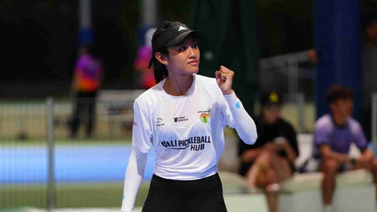
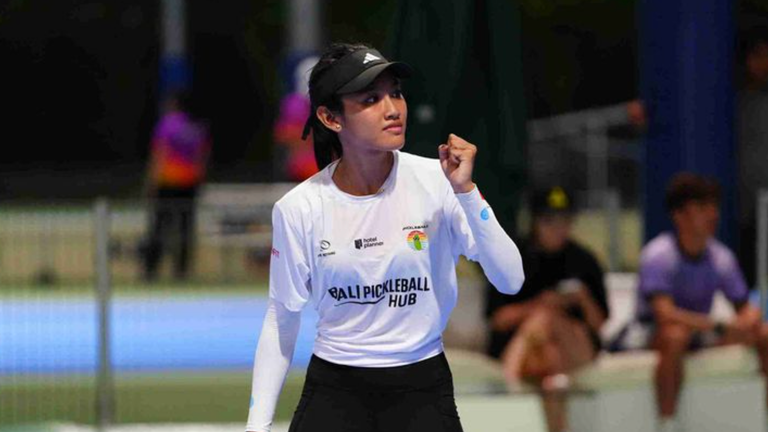
That's the core insight from Ashley Griffith, a PPA-signed professional pickleball player who recently shared five game-changing habits that top players use to dominate matches.
Most recreational players assume the difference between themselves and the pros comes down to athleticism or paddle quality. They're wrong.
According to Griffith, it's about mental toughness, strategic timeouts, footwork consistency, energy management, and anticipation.
These aren't flashy techniques—they're foundational behaviors that compound into match wins.
Love pickleball? Then you'll love our free newsletter. We send the latest news, tips, and highlights for free each week.
What Does It Mean to Stay Solid Under Pickleball Pressure?
Staying solid under pickleball pressure means making more balls, keeping them in play, and letting your opponent beat themselves.
It's not about hitting winners or taking unnecessary risks.
Instead, it's about grinding out points, staying in the rally, and refusing to miss when it matters most.
Griffith explains that pros don't miss crazy shots during tight moments. They get "super super solid" and do whatever it takes to win the point.
In match situations where the score is close or momentum is shifting, this mentality becomes the difference between closing out a win and handing your opponent a comeback.
The psychology here is crucial. When you're down in a match or facing match points against you, the instinct is often to go for broke. Pros do the opposite.
They tighten their game, reduce unforced errors, and trust that their opponent will eventually crack under the pressure of extended rallies.
Real Match Examples: When Handling Pickleball Pressure Wins
Griffith shares two personal examples that illustrate this principle perfectly.
In a recent challenger tournament mixed doubles match, she and her partner were down 10-7 in the third set. Rather than panic, they became intentionally solid.
They made every ball, got everything back, and refused to do anything crazy. Their opponents eventually beat themselves, and Griffith's team won the match.
The flip side came at the Black Desert Cup in Utah. Griffith and her partner had match points but didn't stay solid enough in those critical moments.
Their opponents did. The result? They lost a match they should have won.
These aren't anomalies. Pickleball pressure situations happen in every match, and how you respond determines outcomes. The lesson is simple: when the stakes are highest, your game should get tighter, not looser.
 Alex E. Weaver
Why Timeouts Are Your Secret Weapon Against Pickleball Pressure
Most amateur players leave timeouts on the table. They finish matches without using them, especially when losing.
Griffith calls this a massive missed opportunity.
Timeouts serve two critical functions: they stop your opponent's momentum and shift match momentum in your favor.
The key is knowing when to deploy them strategically.
If you're up 9-2 and your opponent wins a few points to make it 9-3, 9-4, 9-5, that's when you call a timeout. Don't let them build a run. Cut it immediately.
The same logic applies when you're losing. If you're down 9-2, call a timeout. Don't let them win the set or game without you using your timeout to disrupt their flow.
However, Griffith warns against "offensive timeouts." If you have good momentum and you're winning, keep that energy rolling. Don't interrupt your own rhythm. The exception is if you or your partner genuinely need a physical break, which is always valid.
The broader principle: pickleball pressure moments are when timeouts matter most. Use them early and often when momentum is shifting, not late when the match is already decided. As CBS Sports has covered in their analysis of competitive racket sports, momentum management is one of the most underutilized tools at every level of play.
The Dink Media Team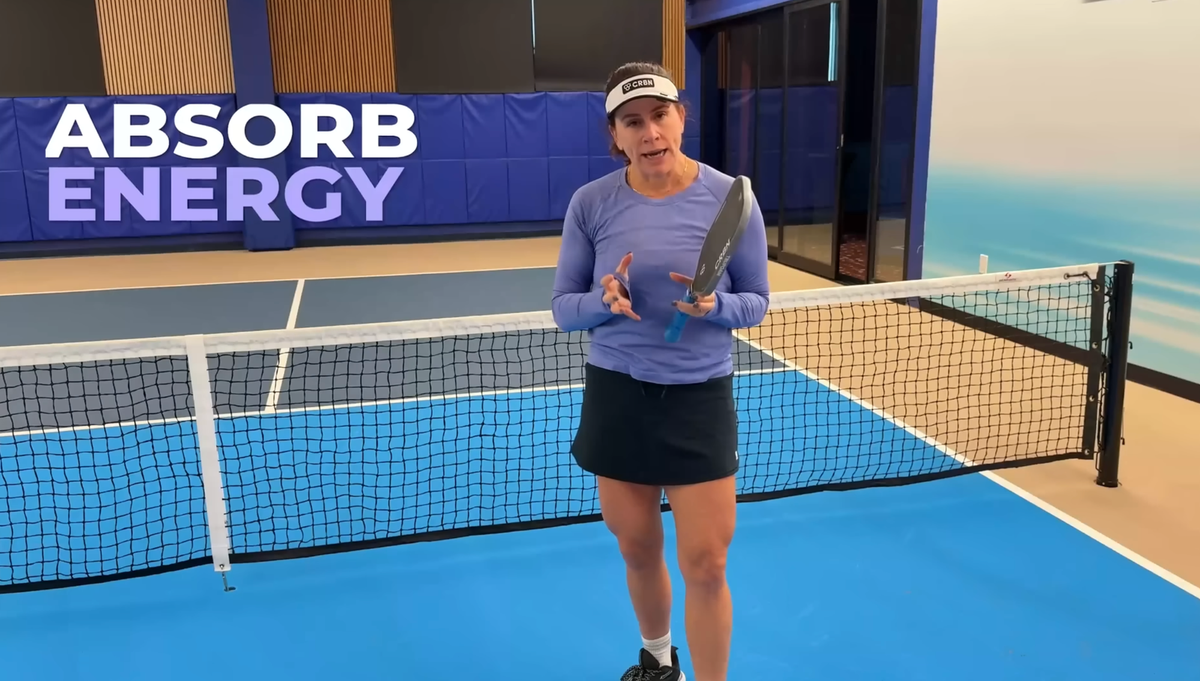
Constant Footwork: The Foundation of Staying Solid Under Pressure
Watch the top pros play, and you'll notice something immediately: they're never still.
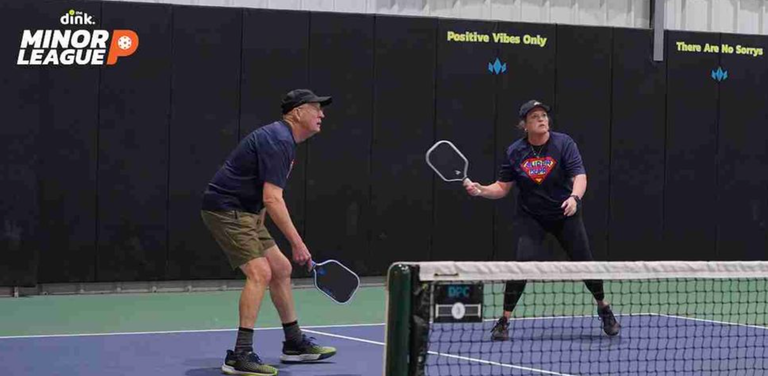
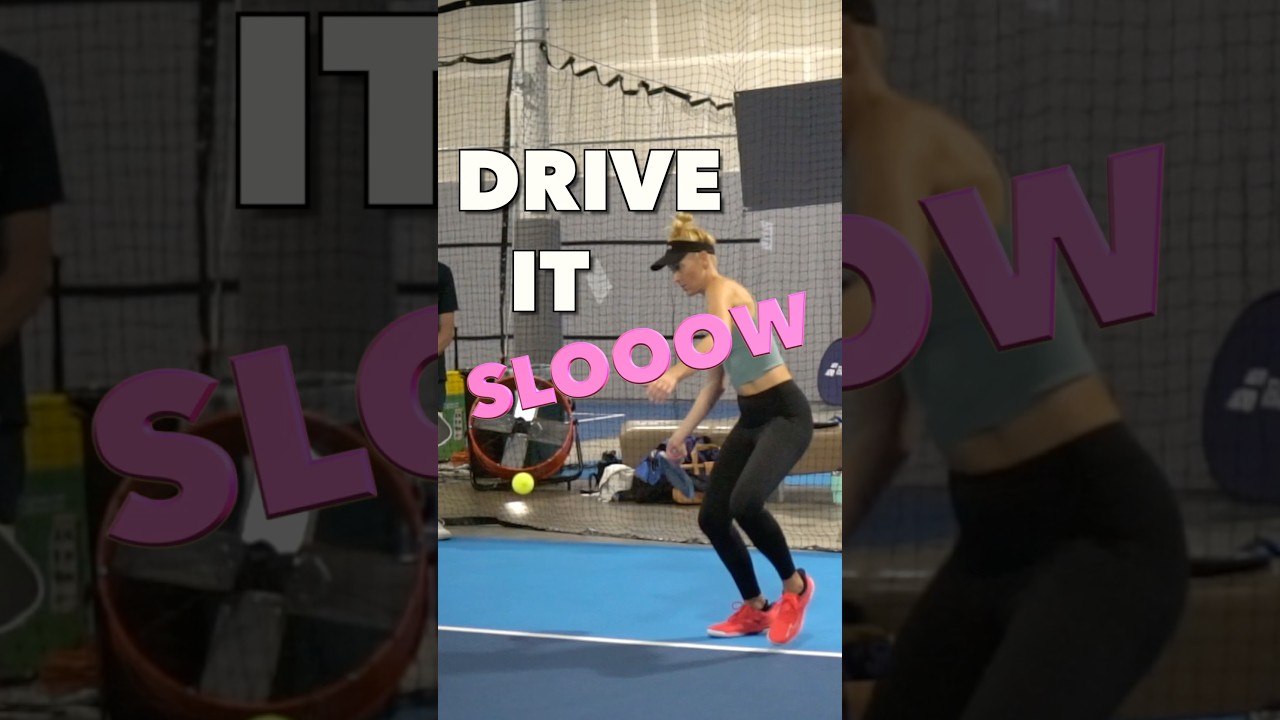
Ashley Griffith emphasizes that elite players are constantly bouncing, staying active in their feet, and maintaining what she calls "ready position." Improving your pickleball footwork is one of the fastest ways to close the gap between your game and the pros.
Amateur players, by contrast, often stand flatfooted with their paddle down. They're reactive instead of proactive. When the ball comes, they scramble to move. Pros are already moving before the ball arrives.
This isn't just about looking athletic. Constant footwork keeps you ready for the next ball, helps you move efficiently to any court position, and prevents you from being caught off-balance. In a sport as fast as pickleball, being on your toes literally means being ready.
Griffith's mental cue is simple:
Be ready, be ready, be ready.
She bounces, stays engaged, keeps her knees bent, and maintains constant small movements. This is exhausting, especially late in matches, but it's non-negotiable at the pro level.
The good news? You don't need to be a professional athlete to implement this. Start by being conscious of your feet during practice. Notice when you're flatfooted and force yourself to bounce. It becomes habit over time.
The Dink Media Team
Energy Management: The Underrated Pickleball Pressure Equalizer
Here's something that might surprise you:
Pickleball pressure situations are often won by whoever has better energy, not better technique.
Griffith is emphatic about this. You need to maintain high, positive energy throughout the entire match, regardless of the score. Whether you're up, down, or tied, your demeanor should communicate confidence and readiness.
What does this look like? Walk around with your head up and chest high. Bounce in your step.
- Hit your leg positively.
- Be encouraging to your partner.
- Show your opponent that you're locked in and ready to fight, no matter what.
The alternative is the energy killer: head down, negative attitude, slapping your leg in frustration, rolling your eyes, disengaging. This signals to your opponent that you're not fully present. It also affects your partner's confidence and your own mental state.
Griffith watches top pros constantly, and none of them are slumping around or sulking. The best ones maintain high positive energy the entire time. This itself wins matches. It's not flashy, but it's real.
The Dink Media Team
Expect Every Ball Back: Mental Discipline Under Pickleball Match Pressure
One of the most common mistakes Griffith sees is players hitting a good shot and then mentally checking out. They assume the point is over. Sometimes it is, but often their opponent gets it back, and they're caught unprepared.
In pickleball, the point isn't over until the ball is in the net or bounces twice on your side. That's it. Everything else is still in play.
Expecting every ball back means staying dialed in after every shot you hit, no matter how good it is. If you hit the best overhead speed-up imaginable, you're still looking for the next ball.
Why? Because in pickleball, points go on longer than expected. Net cords happen. ATP (around-the-post) shots happen. Crazy retrievals happen.
Griffith's example is telling: she hits an overhead and mentally thinks the point is over, but her opponent gets it back. If she wasn't expecting that, she's not ready for the next ball. If she was, she finishes the point.
This habit separates players who close out matches from players who let them slip away. It's about mental discipline and understanding the 6-second mental reset that elite players use to stay locked in. Pickleball rewards patience and readiness, not just shot-making. Research covered by NBC Sports consistently shows that mental resilience is a separating factor between competitive athletes at every level.
The Dink Media Team
The Bonus Tip Nobody Talks About
Before you practice, play, or compete in a tournament, make sure you're sleeping, eating, and hydrating well.
Griffith notices a huge difference in her own performance when she neglects these basics.
This isn't sexy advice, but it's foundational. You can have perfect technique and mental toughness, but if you're tired, hungry, or dehydrated, your body won't execute.
Even in casual tournaments, taking care of yourself shows on court.
The Dink Media Team
Putting It All Together: How to Handle Pickleball Pressure Like a Pro
The five habits Griffith shares aren't complicated, but they require consistency and awareness.
Staying solid under pickleball pressure is a skill you develop through repetition and intentional practice. Griffith's framework isn't unique to her; it's the same mental operating system you'll find in elite players who understand the power of patience and grit at the highest levels.
The gap between you and the next level isn't as wide as you think.
It's just a matter of showing up mentally and physically ready to grind.
Frequently Asked Questions
What's the difference between staying solid and playing defensively?
Staying solid means making balls and staying in rallies without taking unnecessary risks. Playing defensively often implies you're scared or reactive. Solid play is confident and intentional. You're grinding out points because you trust your opponent will eventually make a mistake, not because you're afraid to attack.
How do I practice staying solid under pressure?
Practice match situations where you're down in score. Play tiebreakers. Play games where you're intentionally behind and focus on grinding back. The more you practice these scenarios, the more natural staying solid becomes when it matters in real matches.
Should I always use my timeouts early?
Not always. Use timeouts when momentum is shifting against you or when your opponent is building a run. If you have good momentum, keep it rolling. The key is strategic deployment, not just using them because they're available.
Can footwork really make that much difference?
Yes. Constant footwork keeps you ready, helps you move efficiently, and prevents you from being caught off-balance. It's one of the most noticeable differences between amateur and pro players. Start practicing it in drills and it will transfer to matches.
What if I'm naturally low-energy?
Energy management is a skill you can develop. Start by being conscious of your body language and demeanor during matches. Practice walking with your head up and chest high. Encourage yourself and your partner out loud. Over time, this becomes your default mode, and it genuinely affects your performance and your opponent's confidence.

Love Pickleball? Join 100k+ readers for free weekly tips, news & gear deals.
Subscribe to The Dink