
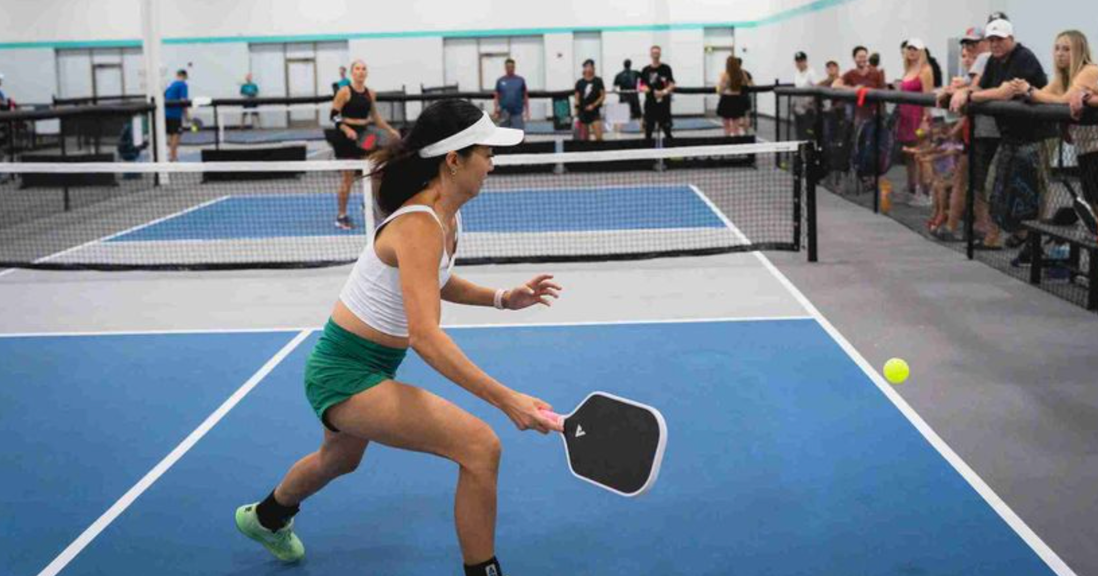
How to Win Dinking Rallies: Patience, Placement and Setting Up the Attack
Knowing how to win dinking rallies in pickleball separates reactive players from players who actually control the point. This guide breaks down the placement targets, patience principles, and attack triggers that make dinking a genuine weapon.
The players who consistently win dinking rallies in pickleball aren't just grinding, they're hunting.
Every dink has a purpose. Every placement has a destination. And the attack? It doesn't arrive by accident.
Most players treat the dinking rally like a waiting game. They're just surviving until something breaks.
The better players treat it like a chess match, moving their opponent, exposing a gap, and then striking when the position is right.
This is the difference between reactive dinking and intentional dinking. One keeps you in points. The other wins them.
Love pickleball? Then you'll love our free newsletter. We send the latest news, tips, and highlights for free each week.
What Is a Dinking Rally in Pickleball?
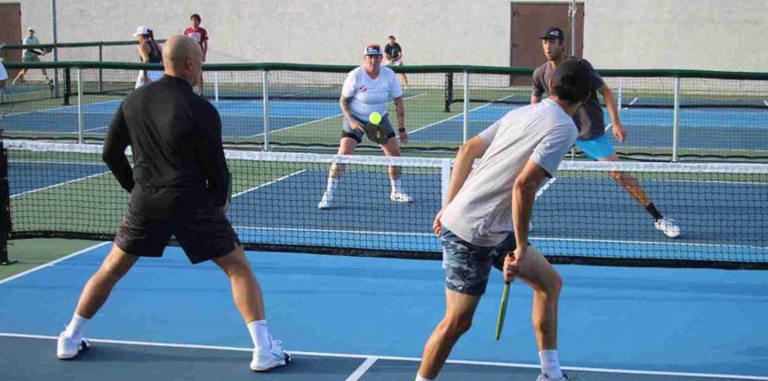
A dinking rally is a sequence of soft, controlled shots exchanged at the kitchen line, where both teams are positioned at the non-volley zone (NVZ) and keeping the ball low over the net.
The goal isn't just to keep the ball in play, it's to set the conditions for a favorable attack.
The non-volley zone (also called the kitchen) is the 7-foot area on each side of the net where players cannot volley.
USA Pickleball rules prohibit volleying from inside the kitchen, which is exactly why dinking, controlled shots that land in the kitchen, is such a critical skill.
It forces opponents into an uncomfortable position: they either pop the ball up, hit it out, or keep feeding you more dinks to work with.
When done right, the dinking rally is one of the most strategic elements of pickleball.
When done wrong, it's just two players hitting soft balls at each other until somebody makes an error.
Why Placement Is the Core Skill to Win Dinking Rallies in Pickleball
To win dinking rallies in pickleball, placement is everything. Hitting the ball softly and keeping it in play is the floor, not the ceiling.
The best dinking technique players think in terms of what their shot does to their opponent's position, not just where the ball lands.
Three placement principles do most of the work:
1. Attack the Crosscourt Angle
The crosscourt dink is the highest-percentage shot in a dinking rally. The net is lowest in the middle, you have more court to work with, and a well-placed crosscourt dink pulls your opponent wide, opening up the middle or exposing their weaker side.
Pro players use crosscourt dinks to build rally pressure, gradually pushing opponents off their center position until a short or high ball appears. Watch any top-level kitchen play on the PPA or MLP and you'll see this pattern repeat endlessly.
2. Target the Body
Body dinks are underrated and underused. A ball aimed directly at an opponent's hip or shoulder creates a decision problem: do they take it forehand or backhand? That split-second hesitation creates awkward contact. Awkward contact creates high balls. High balls get attacked.
This is how to make your opponents hit the more difficult shots, not by blasting power but by putting them in uncomfortable positions with smart placement.
3. Vary Your Depth
Most players get too comfortable with a predictable depth. Mix it up. A dink that lands near the kitchen line is harder to attack than one that sits in the middle of the NVZ. Force your opponent to bend lower and reach further. The more awkward their contact point, the more likely they give you something to work with.
How Patience Actually Works When You Win Dinking Rallies in Pickleball
Here's the thing about patience in pickleball: it isn't passive. Most players think patience means "wait longer."
What it actually means is stay disciplined longer while actively working your placement plan.
Research published in Sports Medicine consistently shows that decision fatigue is a real performance factor in racquet sports, the longer a rally continues, the more likely a player makes an unforced error driven by the impulse to end the point.
In pickleball, the impatient player almost always speeds up at the wrong moment, creating a put-away opportunity for the opponent instead of themselves.
 Eric Roddy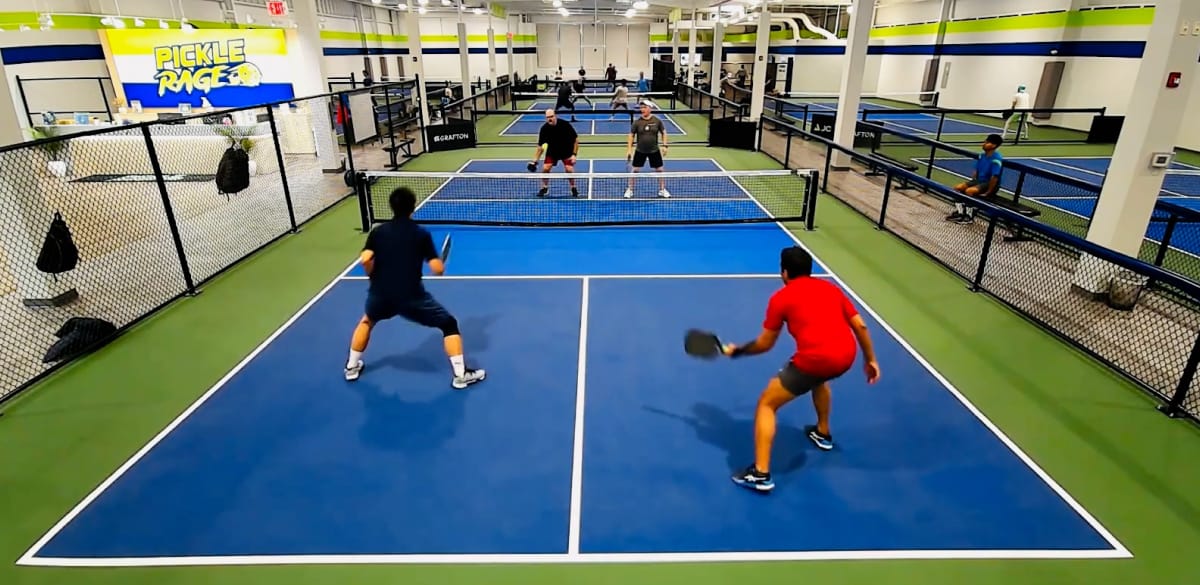
What Does Patience Look Like at the Kitchen?
Patience in a dinking rally means:
- Continuing to dink crosscourt even when you feel the urge to speed up
- Resetting the rally instead of attacking when the ball is below your knee
- Staying mentally locked in on your placement targets instead of just reacting to where the ball comes
The pressure zone concept in pickleball describes this perfectly: you want to be increasing pressure on each dink without escalating to an attack until the conditions are right.
That pressure builds through consistency, angle, and depth, not through power.
Watch JW Johnson's unusual dinking technique and you'll see this in real time. His dinking doesn't look flashy.
What it looks like is controlled, purposeful, and relentless, and that's exactly why it's so effective.
The Dink Media Team
When Should You Attack Out of a Dinking Rally?
The most common dinking mistake isn't going too soft. It's going too early.
Players see a slightly high ball and immediately speed up, only to catch the net or give their opponent a clean block opportunity.
The rule is simple: attack when the ball is above net height. That's roughly 34 inches at the center net strap.
If the ball is rising toward you above that threshold, you have a legitimate opportunity to speed up. If it isn't, you keep dinking.
A useful secondary trigger: attack when your opponent is pulled out of position. A crosscourt dink that forces them wide opens the line.
A body shot that creates an awkward backhand opens the middle. Those positions, not just ball height, tell you when the window is open.
The Dink Media Team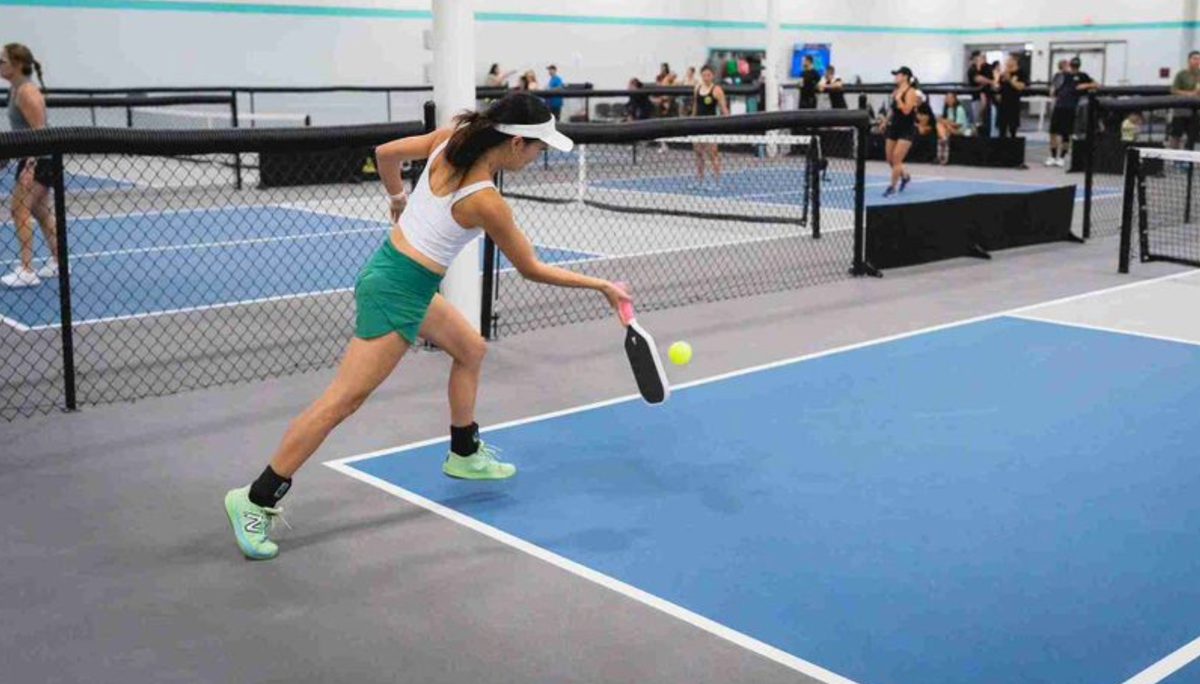
How to Win Dinking Rallies in Pickleball with the Speed-Up
When you do speed up out of a dinking sequence, the target matters as much as the timing. Top players aim for:
- The hip or shoulder : the body bag, where defense is hardest
- The backhand at the body : most players have a weaker volley on that side
- Wide angles after setting them up crosscourt : the opposite corner is now exposed
The forehand speed-up is the most common weapon out of a dinking rally.
But the backhand flick, used well by players like Ben Johns, catches opponents off guard because they don't expect an aggressive shot from that wing.
The Dink Media Team
The Reset: Your Most Important Dinking Tool
You will not win dinking rallies in pickleball if you don't have a reliable reset.
The reset is the neutralizing shot, a soft, controlled return that brings a fast exchange back to a slow, manageable dink sequence.
A different kind of reset starts before the ball even reaches you. It starts with your paddle position and your footwork.
Paddle up, soft grip, and a stable base are what make the difference between a quality reset and a ball that floats up for an easy put-away.
When you're under pressure in a dinking rally, when your opponent has sped up and you're scrambling, the answer is almost always a soft reset, not a counter-attack.
Becoming unattackable in pickleball means developing a reset you can execute under duress, not just in drills.
The technical key: absorb pace rather than blocking rigidly. Think of your paddle as a shock absorber.
Loosen the grip, use a slightly open face, and let the ball deflect low back into the kitchen.
The Dink Media Team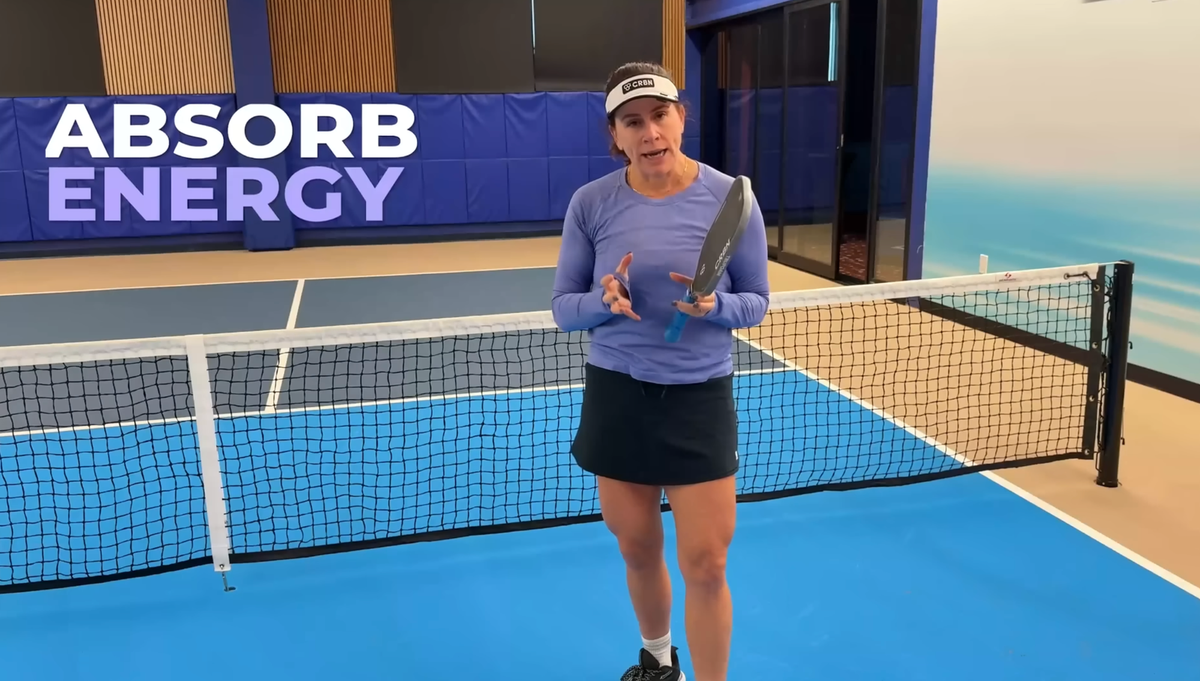
Drills That Actually Improve Your Dinking Rally Performance
Knowing the concepts is half the equation. The other half is building the muscle memory. A few drills that pay off fast:
- Cross-Court Dink Drill: Both players dink crosscourt continuously. The goal is to extend the rally while targeting the corners. This builds both placement precision and the patience to not speed up unnecessarily. The figure-8 drill is a high-rep variation worth adding to your rotation.
- Dink and Speed-Up Drill: One player dinks, the other decides when to speed up based on ball height, not on time elapsed. This trains the attack trigger at the right moment instead of the emotional impulse moment.
- Reset Under Pressure: One player fires aggressive dinks and drives from the transition zone while the other resets everything softly into the kitchen. This builds the composure to execute your reset when it matters most.
Pickleball's hardest dinking drill combines all of these elements, crosscourt rallies, position pressure, and speed-up triggers, into a single session format that accelerates improvement faster than siloed drills.
The Dink Media Team
Common Dinking Rally Mistakes (And How to Fix Them)
Even experienced players make the same pickleball mistakes in the dinking rally. The most common:
Speeding up from below the net. If the ball is below net height, you have to hit up to clear the net. Hitting up creates a ball that your opponent can drive down.
This is the definition of giving away the attack opportunity. Keep dinking until you get the right ball.
- Dinking without a target. Random placement is the same as no placement. Every dink should go somewhere with intention, crosscourt, body, or wide to open the opposite lane.
- Overhitting the reset. When scrambling, players tend to tighten up and swing harder, which is exactly wrong. Soften the grip, open the paddle face slightly, and absorb the pace.
- Losing position at the kitchen. Stay at the kitchen line, stepping back from it makes every subsequent dink harder to control. Court positioning and kitchen coverage is a critical piece of the dinking puzzle that gets overlooked.
Eric Roddy
Key Takeaways
- Win dinking rallies in pickleball by combining patient placement with disciplined attack timing.
- Crosscourt dinks, body shots, and varied depth all create the conditions for a winning speed-up.
- The attack trigger is ball height, above net level, not a feeling or a time limit.
- A reliable reset is not optional. It's what separates players who survive pressure from players who thrive in it.
- Smart shot selection and kitchen strategy compound over the course of a match, every rally builds on the last.
Frequently Asked Questions
How do you win dinking rallies in pickleball?
To win dinking rallies in pickleball, focus on placement over power. Target crosscourt angles, aim for your opponent's body to create awkward contact, and vary your depth to keep them off-balance. Patience is critical, speed up only when you receive a ball above net height, not just because the rally has gone long.
What is the best placement target in a pickleball dinking rally?
The crosscourt dink is generally the highest-percentage placement target in a dinking rally. It travels over the lowest part of the net, uses the full diagonal court length, and pulls your opponent wide, creating openings on the opposite side. Body shots are a close second because they force awkward shot decisions.
When should you speed up out of a dinking rally?
Speed up when the ball rises above net height (approximately 34 inches). That's the trigger, not your opponent's positioning alone, not the length of the rally, not a feeling. A ball below net height requires you to hit upward to clear the net, which floats and creates an easy counter-attack opportunity for your opponent.
What is a reset in pickleball and why does it matter in dinking rallies?
A reset is a soft, controlled shot that neutralizes a fast exchange and returns the rally to a slow dinking pace. It matters because no dinking plan survives without it, when opponents speed up and you're under pressure, the reset is what keeps you in the point and resets your positional advantage. Soft grip and an open paddle face are the keys to executing it consistently.
How does patience help you win dinking rallies in pickleball?
Patience prevents you from attacking at the wrong moment and handing your opponent the opportunity instead. Research in racquet sports shows that decision fatigue causes unforced errors when players rush to end rallies. Active patience, staying disciplined on your placement plan while resisting the urge to speed up prematurely, is what forces opponents into the mistake, not the other way around.

Love Pickleball? Join 100k+ readers for free weekly tips, news & gear deals.
Subscribe to The Dink