Pickleball Scoring Rules: Complete Guide to Side-Out and Rally Scoring
Pickleball scoring rules aren't complicated, but they trip up new and experienced players alike. This guide breaks down side-out and rally scoring so you can step on the court knowing exactly what's happening.
Pickleball scoring rules are the one thing that makes grown adults go silent on the court.
You've seen it, someone calls "2-3-2" and half the group looks like they're solving a math problem. It doesn't have to be that hard.
This guide covers everything: traditional side-out scoring, the rally scoring format being tested at the pro level, and how to call the score correctly every single time.
Love pickleball? Then you'll love our free newsletter. We send the latest news, tips, and highlights for free each week.
How Pickleball Scoring Rules Actually Work
The standard format is side-out scoring, and it's the system you'll use in recreational play, most tournaments, and anywhere governed by USA Pickleball's official rulebook.
Here's the core idea: only the serving team can score a point. If you're receiving and you win the rally, you don't score, you just earn the serve back.
Games are played to 11 points, and you must win by 2.
Tournament matches often go best of three games, with a third game played to either 11 or 15 depending on the event format.
In doubles (the most common format), each team gets two serves per side-out, one from each player.
The exception is the very first serve of the game: the starting team gets only one serve before losing it.
This prevents the first-serve advantage from being too powerful.
What Is a Side-Out in Pickleball?
A side-out happens when the serving team loses the rally and gives up possession of the serve to the opposing team.
In doubles, a side-out occurs after both players on the serving team have served and faulted, not just one.
So if your partner serves and loses the rally, the serve passes to you. If you then lose your rally, that's the side-out.
Understanding when the side-out happens is critical for doubles strategy and positioning, because it affects where each player stands before and after the switch.
How to Call the Pickleball Score Correctly
This is where people lose their minds. In doubles, the score is three numbers called in this order: server score, receiver score, server number.
So "5-3-2" means the serving team has 5 points, the receiving team has 3, and the player currently serving is server number 2.
Server number 1 is always the player on the right side of the court at the start of each service sequence. Server number 2 is their partner on the left.
The numbers reset when the serve switches sides, the new serving team's player on the right is always server 1.
In singles, you only call two numbers: your score, then your opponent's score. Much simpler.
And the server's position (right or left side) is always determined by whether their score is even or odd, even score serves from the right, odd from the left.
You must call the score loudly before every serve. According to USA Pickleball rules, the serve cannot begin until the score has been announced.
Skipping this step is a fault, full stop.
 The Dink Media Team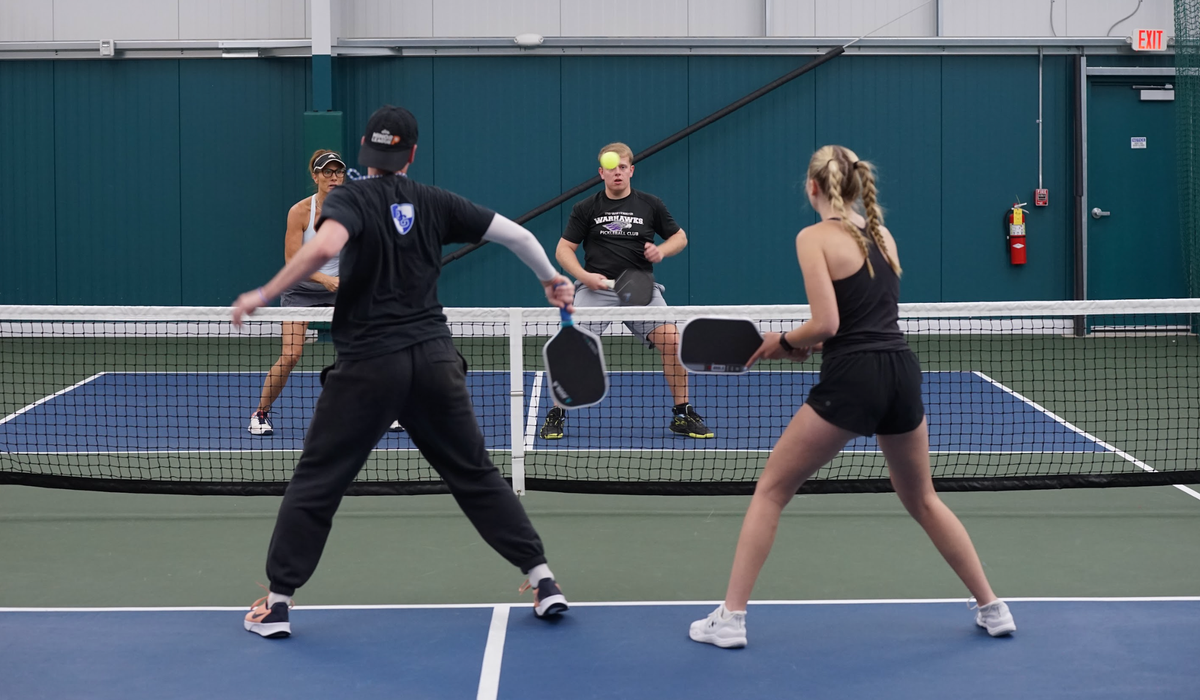
Why Does Pickleball Use Side-Out Scoring?
Side-out scoring traces directly to pickleball's roots as a backyard paddle sport, it borrowed the concept from racquetball, volleyball, and early paddle games.
The structure creates a natural momentum mechanic: long stretches where the serving team keeps stringing points together, then a side-out that flips energy to the other side.
For recreational play, this format rewards consistency over bursts of power. There's also a tactical layer.
Knowing you can only score on your serve forces you to think carefully about return of serve placement and how aggressively you attack during rallies.
You don't need to go for a winner on every ball, sometimes getting the side-out is the whole point.
That strategic tension is part of what makes pickleball scoring rules feel different from tennis or badminton. Every rally matters, but not every rally scores.
The Dink Media Team
Rally Scoring: What Is It and Is It Taking Over?
Rally scoring is exactly what it sounds like: every rally produces a point, regardless of who served. First team to 15 wins (win by 2).
It's faster, produces more action, and gives broadcasters a cleaner product with fewer long scoreless stretches.
You'll see rally scoring in some professional and exhibition formats.
The Major League Pickleball circuit has experimented with modified rally scoring systems to increase pace of play and viewer engagement.
The debate inside the community is real, traditionalists argue that side-out scoring rewards consistency and creates genuine momentum swings, while rally scoring advocates say it makes every single point matter from ball one.
The honest answer: rally scoring does change the game.
A team that can't hold serve in side-out scoring loses the point-scoring opportunity; under rally scoring, that same team still keeps pace because they score on the return.
This compresses the margin for error and punishes certain defensive strategies that thrive under traditional pickleball scoring rules.
For recreational play, rally scoring is increasingly popular because it speeds up court rotation.
If you're playing in a busy gym with a waitlist, rally-to-15 keeps everyone moving.
Alex E. Weaver
Pickleball Scoring Rules for Doubles vs. Singles
The pickleball scoring rules shift slightly between doubles and singles, and knowing the difference matters.
Doubles:
- Three-number score call (server score, receiver score, server number)
- Two server opportunities per side per rally
- First serve of game gets only one server
- Players switch sides within their half of the court each time their team scores
Singles:
- Two-number score call (your score, opponent's score)
- One serve per side-out
- Server position (right or left) is determined by your score: even = right side, odd = left side
One thing that trips players up in singles: you move yourself based on your score.
You're not tracking where you "should be" based on position, you're tracking whether your number is even or odd.
Get that down and you'll never serve from the wrong side again.
If you want to sharpen your serve-side positioning and placement strategy, start by locking in the score-calling habit first.
The mechanics follow naturally once you know exactly where you're supposed to be standing.
The Dink Media Team
Common Pickleball Scoring Mistakes (And How to Fix Them)
Calling the wrong server number. This happens constantly in the first game of a new group.
The fix: server 1 is whoever is on the right when the serve starts. That's it. If you're on the left, you're server 2.
Forgetting the "one serve" rule at the start. The very first serving team of the game gets one serve only. After that, both servers get their shot.
New players routinely assume they get two serves at the start and then argue about it at the net. Don't be that person.
Not calling the score before serving. Under official pickleball scoring rules, calling the score is mandatory before the ball is in play.
In recreational games this is often skipped, which leads to "wait, what's the score?" every three points. Make it a habit. Your opponents will thank you.
Assuming rally wins = points. This is the classic beginner mistake.
You win an epic 15-shot rally as the returner, pump your fist, and then realize, you were receiving. You just earned the serve. No point.
This is also why improving your return of serve is so critical: getting the side-out is essentially worth a point because it puts you in position to score.
The Dink Media Team
The Case for Knowing Your Pickleball Scoring Rules Cold
Here's the thing: score confusion kills momentum. You're mid-match, feeling it, and then someone questions the count and everything grinds to a halt.
Every player at every level has been in this spot.
The players who know the pickleball scoring rules cold, who call the score confidently before every serve and never lose track of server number, play with more mental clarity.
They're not burning bandwidth on "wait, whose serve is it?" They're focused on the next shot.
That's a competitive advantage. A small one, but real.
And in rally scoring formats, where every point counts from the opening rally, confusion about the score is even more costly.
Getting comfortable with both systems means you can walk into any format and compete immediately.
Frequently Asked Questions
What are the official pickleball scoring rules?
Under the official USA Pickleball rulebook, games use side-out scoring and are played to 11 points, win by 2. Only the serving team can score. In doubles, each team gets two serves per side-out. The score is called as three numbers before each serve: server score, receiver score, and server number (1 or 2).
What is side-out scoring in pickleball?
Side-out scoring means a point can only be scored by the team that is serving. When the serving team loses the rally, they don't lose a point, they lose the serve. In doubles, both partners must lose their serve before the side-out is complete and the opposing team takes over. This format rewards consistent serving and creates momentum swings throughout a game.
How does rally scoring differ from traditional pickleball scoring rules?
In rally scoring, every rally results in a point regardless of who served. Games are typically played to 15, win by 2. This format speeds up play and is used in some professional and exhibition contexts. Unlike side-out scoring, rally scoring means the receiving team can score directly, which changes defensive strategy and compresses the skill gap between teams.
How do you call the score in doubles pickleball?
You call three numbers before each serve: first your team's score, then the opposing team's score, then the server number (1 or 2). For example, "4-2-1" means you have 4 points, they have 2, and it's the first server's turn. Server 1 is always the player on the right side when the serving team starts their service sequence.
When does the serve switch in pickleball?
In doubles, the serve switches when both players on the serving team have served and lost their rally (called a side-out). The only exception is the very first team to serve in a game, they receive only one serve before the opposing team gets the ball. In singles, the serve switches after any lost rally by the server, with no partner involved.

Love Pickleball? Join 100k+ readers for free weekly tips, news & gear deals.
Subscribe to The Dink