Pickleball Scoring Explained: How to Keep Score in Every Format
Pickleball scoring trips up more players than any other rule in the game, and that's before rally scoring entered the picture and flipped everything upside down.
Whether you're stepping onto a rec court for the first time or trying to wrap your head around how MLP games actually work, the scoring system is the thing you need to nail down first.
Here's the full breakdown. No fluff.
Love pickleball? Then you'll love our free newsletter. We send the latest news, tips, and highlights for free each week.
The Basics of Pickleball Scoring: What You Need to Know First
Standard pickleball uses a side-out scoring system, which means you can only earn a point when your team is serving.
If the receiving team wins the rally, they don't get a point, they get the serve. Points are earned, not given.
Games are typically played to 11 points, win by 2.
Most recreational play and tournament formats use this standard, it's baked into USA Pickleball's official rulebook as the baseline game format.
Some social play goes to 15 or 21, but 11 is the default you'll see almost everywhere.
That "win by 2" rule matters. You can't win on a score of 11-10.
You keep playing until one team leads by two, so yes, games can stretch past 11 when it's close. The scoreboard can get tight fast.
How Does Pickleball Scoring Work in Doubles?
Doubles is where pickleball scoring gets its reputation for being confusing, and for good reason.
The three-number score call is the part that throws most new players.
Why Do You Call Three Numbers in Doubles?
In doubles, each score announcement has three parts: server score, receiver score, server number.
So "4-2-2" means the serving team has 4 points, the receiving team has 2, and the player currently serving is server number 2.
That third number, the server number, exists because each team gets two serves per side-out.
When the first server loses the rally, the serve doesn't switch sides yet. It goes to their partner, who becomes server 2.
Only when server 2 loses the rally does the serve transfer to the other team.
There's one exception: at the very start of the game, the first serving team only gets one serve (server 2 starts).
This prevents the serving team from having a massive first-point advantage.
It's called the "one fault side-out" rule, and it's codified in Section 4 of the USA Pickleball rulebook, if you want to dig into the logic behind it, it connects directly to how the rally structure rewards patient play.
Where You Stand Matters Too
Your position on the court depends on your score.
If your team's score is even (0, 2, 4, 6...), the player who started the game on the right side serves from the right. If your score is odd (1, 3, 5...), that same player is on the left.
This keeps track of who should be where without requiring anyone to memorize a rotation chart.
It's one of those rules that feels overly complicated until it clicks, and then you'll wonder why you ever found it confusing.
 Robert S Cormack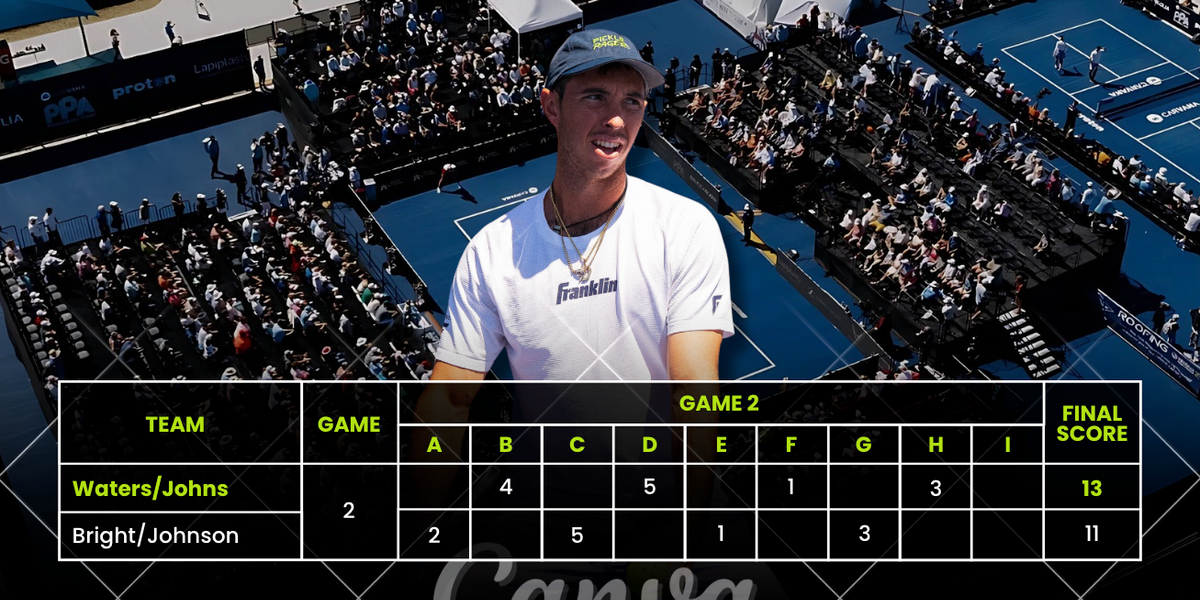
Pickleball Scoring in Singles: Simpler, But Still Specific
Singles scoring cuts out the server number call. You only announce two numbers, your score first, then your opponent's. "5-3" means you have 5, they have 3. That's it.
The same side rule applies: you serve from the right when your score is even, the left when it's odd. Lose the rally, lose the serve.
Singles play has its own tactical layer, but at least the scoring announcement is cleaner.
Games still go to 11, win by 2, unless the format specifies otherwise.
What Is Rally Scoring in Pickleball?
Here's where things get genuinely interesting. Rally scoring awards a point on every single rally, regardless of who's serving.
Win the point, get the point, even if you were receiving.
This is the format used in Major League Pickleball (MLP), and it changes the entire feel of the game. Matches are faster.
Momentum swings hit harder. A bad run of five straight points used to feel painful in traditional scoring; in rally scoring, it can be devastating.
MLP uses rally scoring to 21 points in most match formats, with games structured across a team competition rather than a straight singles or doubles bracket, a format MLP has detailed in its official competition structure.
The format has gone through iterations since MLP launched, and the scoring structure has evolved with it.
For everyday recreational players, rally scoring hasn't fully taken over.
But if you're watching pro pickleball or playing in any league experimenting with faster formats, you need to know it. Here's how the MLP Commissioner changed one top pro's mind on rally scoring and why the format is gaining ground.
The Dink Media Team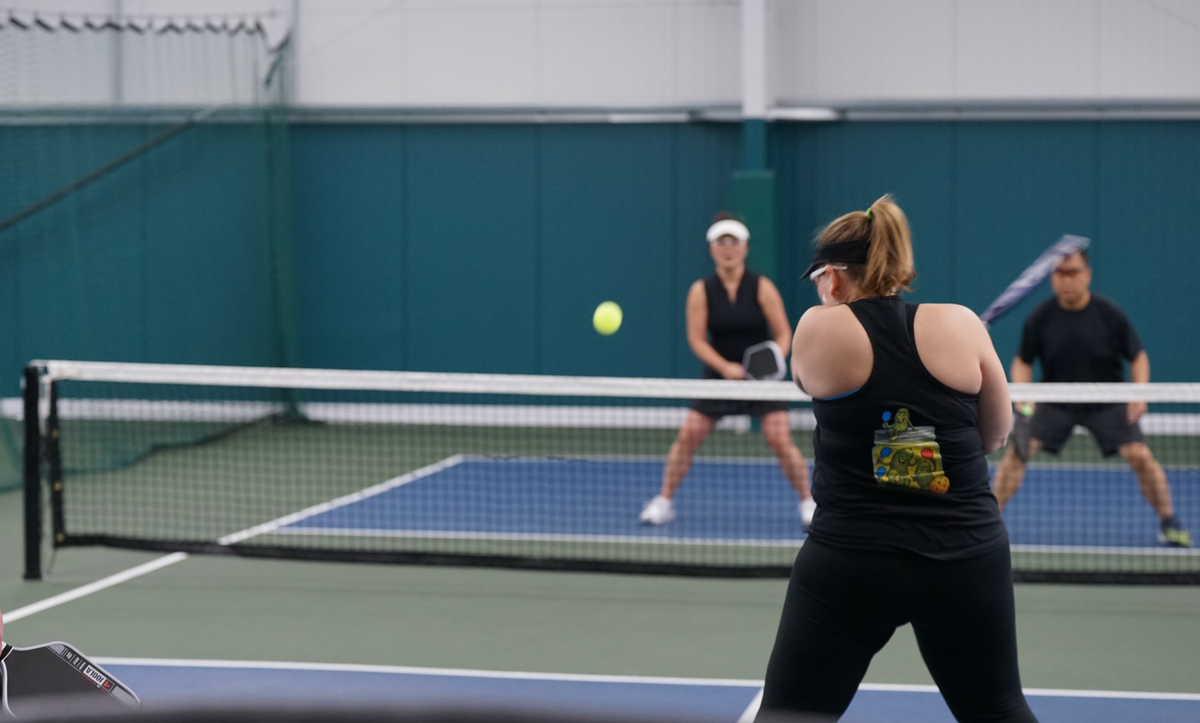
How Does Pickleball Scoring Work in Tournament Play?
Tournament formats vary, but most USA Pickleball-sanctioned events use traditional side-out scoring to 11, win by 2, as outlined in USA Pickleball's tournament regulations.
Medal rounds sometimes switch to best-of-three, with each game still played to 11.
Some tournaments run a third game (if needed) to only 5 or 7 points as a tiebreaker.
Always confirm the format with your tournament director before you show up assuming you know how long the game runs.
One thing that trips players up in tournament play: the service sequence. After a side-out, the new serving team's player in the right service box serves first.
Getting that wrong mid-tournament is the kind of mistake that costs you a game you should win. If you want to sharpen your tournament-winning strategy, understanding pickleball scoring inside and out is the starting point.
The Dink Media Team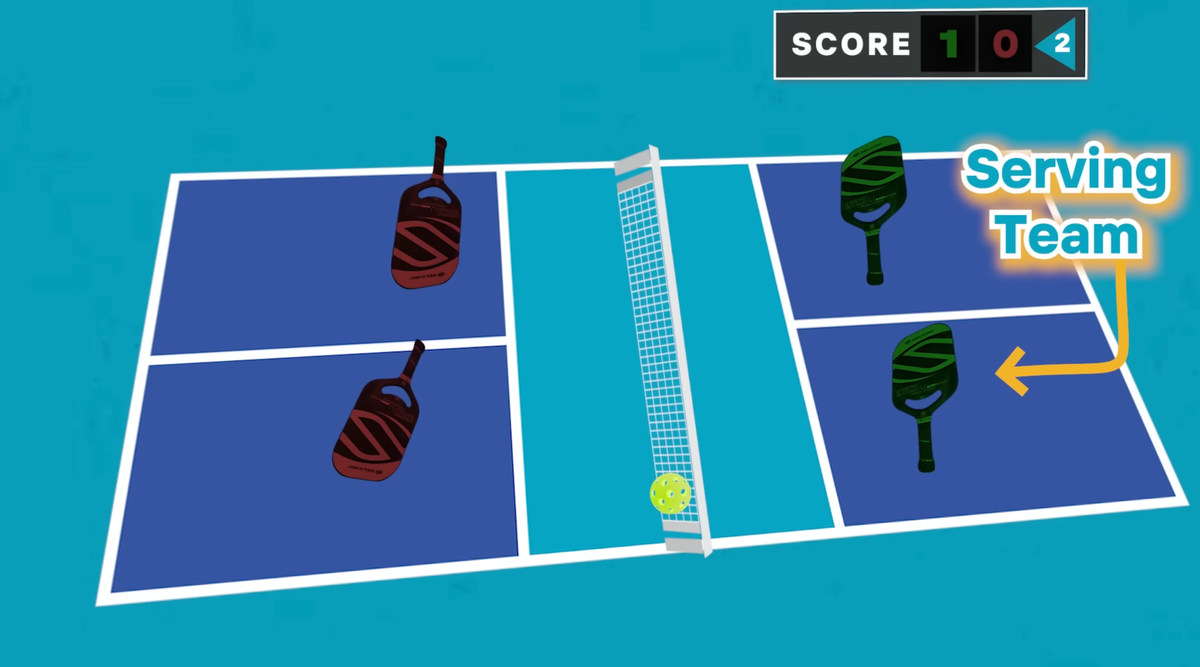
Common Pickleball Scoring Mistakes (And How to Avoid Them)
Calling the wrong score is one of the most common issues in recreational play, especially in doubles. A few things to keep in mind:
- Always announce the score before serving. It's required, and it keeps everyone accountable.
- The server says their team's score first, then the opponent's, then their server number (in doubles).
- Disagreements happen. If there's a genuine score dispute that can't be resolved, USA Pickleball's rules specify that the point is replayed, but only if the error is caught before the next serve.
- Foot faults affect scoring too, serving from the wrong box is a fault, regardless of how clean the serve is. Court position and scoring position are linked in ways that matter. The push-off foot fault rule is one most players get wrong, even experienced ones.
The cleanest way to avoid score disputes? Get in the habit of announcing loudly and clearly every single time.
The Dink Media Team
Key Takeaways
- Standard pickleball scoring is side-out: only the serving team can score
- Doubles uses a three-number call (your score, their score, server number)
- Singles uses a two-number call (your score, their score)
- Court position is tied to your score; even scores serve from the right
- Rally scoring (used in MLP) awards a point on every rally, regardless of server
- Most games go to 11, win by 2; tournament formats may vary
Frequently Asked Questions
What is pickleball scoring and how does it work?
Pickleball scoring uses a side-out system, meaning only the serving team earns points when they win a rally. In doubles, the score is called as three numbers — serving team's score, receiving team's score, and the server number (1 or 2). Games are typically played to 11 points, and you must win by 2.
How is pickleball scoring different in doubles vs. singles?
In doubles pickleball scoring, you call three numbers before each serve: your team's score, the opponent's score, and your server number. In singles, you only call two numbers — your score first, then your opponent's. Both formats use the same side-out system, but singles eliminates the partner serve rotation entirely.
What is rally scoring in pickleball, and where is it used?
Rally scoring awards a point to whichever team wins the rally, regardless of who served. This is different from traditional pickleball scoring, where only the server can earn a point. Major League Pickleball uses rally scoring to speed up matches and create a more broadcast-friendly, momentum-driven format.
Why does pickleball scoring start with the second server at the beginning of a game?
At the start of a game, the first serving team only gets one serve (the second server starts). This rule prevents the initial serving team from having a significant advantage by getting two full serve opportunities before the receiving team ever touches the ball. After the opening side-out, both players on each team serve before a side-out occurs.
How do you keep score correctly in a pickleball game?
Before every serve, the server must announce the score out loud. In doubles, that means calling your team's score, then the opponent's, then your server number — for example, "3-1-2." In singles, just call your score then theirs: "3-1." Always announce before serving, and resolve any score disputes before the next rally begins.

Love Pickleball? Join 100k+ readers for free weekly tips, news & gear deals.
Subscribe to The Dink