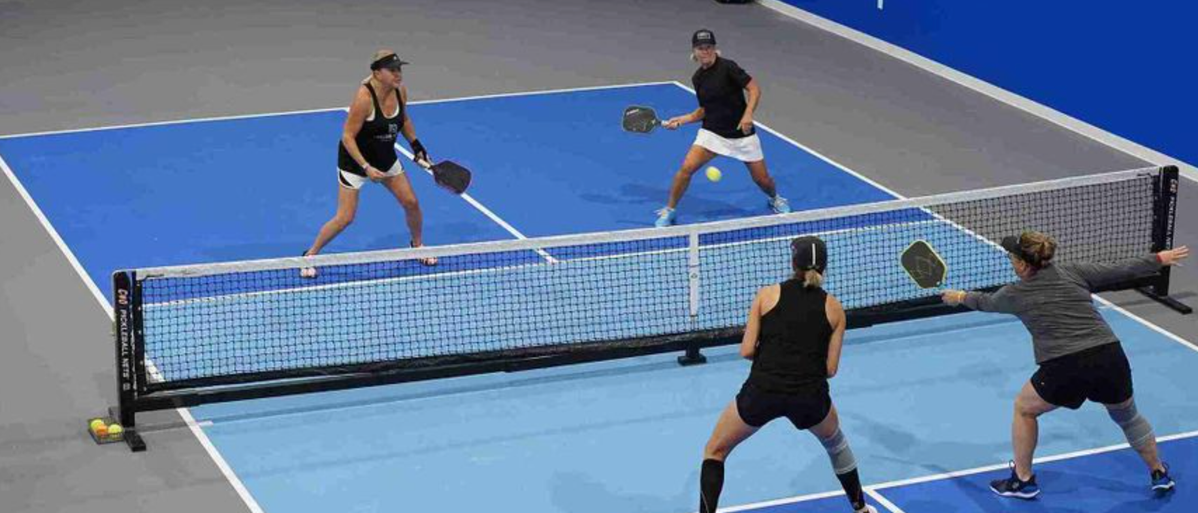
How to Use Angles at the Pickleball Kitchen Line: Shot Placement System
Kitchen line angles in pickleball are the difference between dinking to survive and dinking to win. This shot placement system shows you exactly how to use angles to move opponents, create openings, and take control at the non-volley zone.
Most players treat the kitchen line like a waiting room, dink cross-court, dink cross-court again, get attacked.
Kitchen line angles in pickleball are what separate reactive players from players who actually control rallies.
This isn't about hitting harder. It's about hitting smarter.
Love pickleball? Then you'll love our free newsletter. We send the latest news, tips, and highlights for free each week.
Why Kitchen Line Angles in Pickleball Win More Points Than Power
Angles win at the kitchen because they do two things power can't: they move your opponent's feet and they shorten the court for you.
A sharply angled dink that pulls an opponent to the sideline creates a wide-open lane down the middle or down the opposite line.
Power just gives your opponent a faster ball to reset.
Research published in the Journal of Sports Science & Medicine (2025) found that lateral movement demands in net-play rallies significantly increase unforced error rates in paddle sports, with players making 2.3x more errors when forced to move more than 3 feet laterally from their base position (JSSM, 2025).
That's exactly what a well-placed angle does.
Understanding how to position yourself at the kitchen is the foundation. But knowing where to send the ball is what actually creates advantage.
The non-volley zone rule states you cannot volley a ball while standing in the 7-foot kitchen on either side of the net (USA Pickleball Official Rulebook, Rule 9.A).
That constraint locks both teams to the line and turns every rally into a geometry problem. Whoever solves it wins the point.
Turning mediocre dinks into winners starts here: stop thinking about keeping the ball in play and start thinking about where you're sending it and why.
The Three-Zone Shot Placement System for Kitchen Line Angles
Here's a framework that organizes your thinking at the line. Think of your opponent's half of the kitchen as three target zones:
- The Hip Zone: Directly at the body. Forces an awkward reset with no clean angle back.
- The Sideline Zone: The outside third of the kitchen, pulling them wide. Opens the middle.
- The Transition Zone: The middle-to-sideline seam. Creates indecision in doubles, especially when two players have to decide whose ball it is.
The goal isn't to cycle randomly through these. It's to build a pattern. Hip, hip, then the wide angle.
Two transition balls, then snap one to the sideline. You're constructing pressure, not just sustaining a rally.
Advanced shot selection drills are the fastest way to internalize sequencing. Repetition in practice is what makes zone-targeting automatic under match pressure.
How Do You Actually Create a Sharp Cross-Court Angle?
A sharp cross-court angle at the kitchen line requires early contact, an open paddle face, and a brushing low-to-high motion.
The sharper the angle you need, the further in front of your body you need to make contact.
Late contact sends the ball back down the middle, no matter where you intended it to go.
The go-to slice dink is one of the most effective tools for wide cross-court angles on the backhand side.
The underspin keeps the ball low and redirects pace rather than generating it. That's exactly what you want when you're trying to pull an opponent off the line.
JW Johnson has built his entire game around this idea. His unusual dinking technique features a contact point so far out in front it looks wrong at first.
Until you see the angles it produces.
The kitchen is 20 feet wide. Most amateur players use about 6 feet of it. That's a lot of real estate they're leaving open.
 The Dink Media Team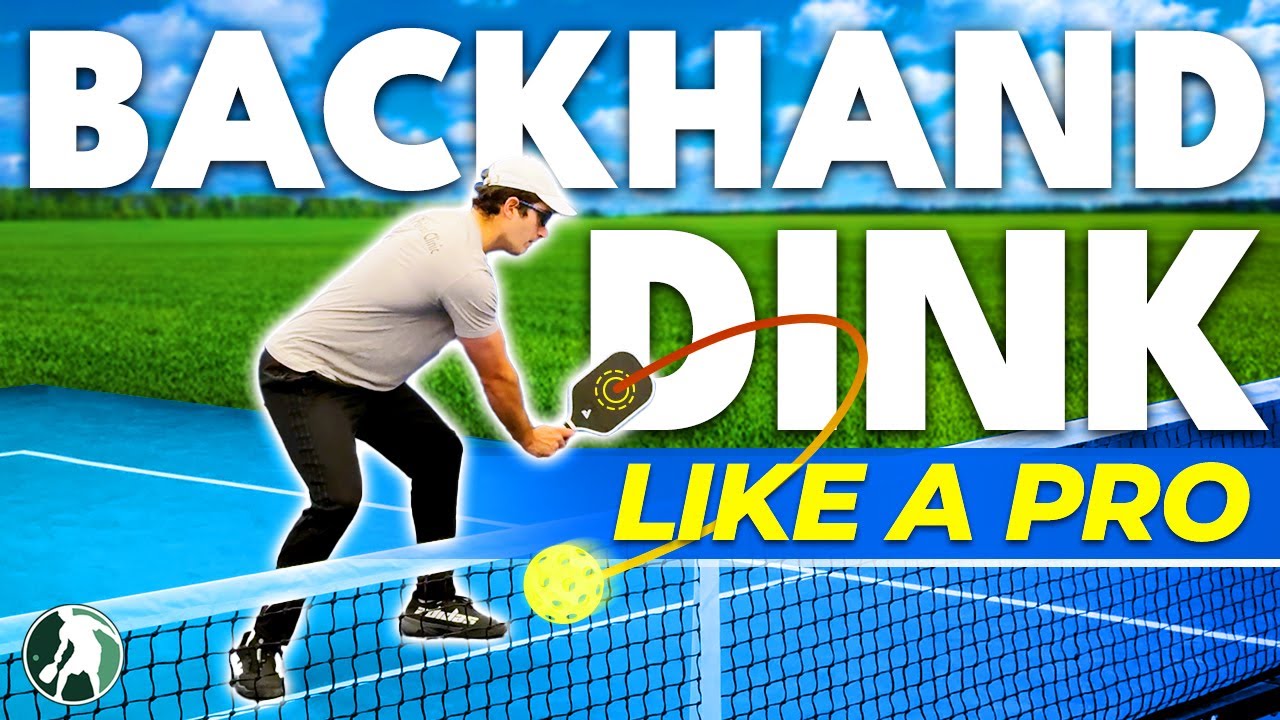
Down-the-Line at the Kitchen Line: When to Pull the Trigger
Down-the-line is the highest-risk, highest-reward shot at the non-volley zone. It's a shorter path to the opponent, which means less reaction time.
But it also carries the least margin for error, one inch off and it's in the net or out wide.
Use it in these specific situations:
- After a wide cross-court pull: Your opponent is scrambling back to position. The down-the-line opens behind them mid-recovery.
- When they've drifted toward center: They're cheating to cover the middle. The sideline is wide open.
- On a high ball above net height: That's a volley attack, not a dink. Power shot execution applies here.
The mistake most players make is going down-the-line too early in the sequence. It has to be earned. If you're trying it on your first ball of a rally, you're gambling.
And making your opponents hit difficult shots, not winning outright immediately, is the smarter long game.
The Dink Media Team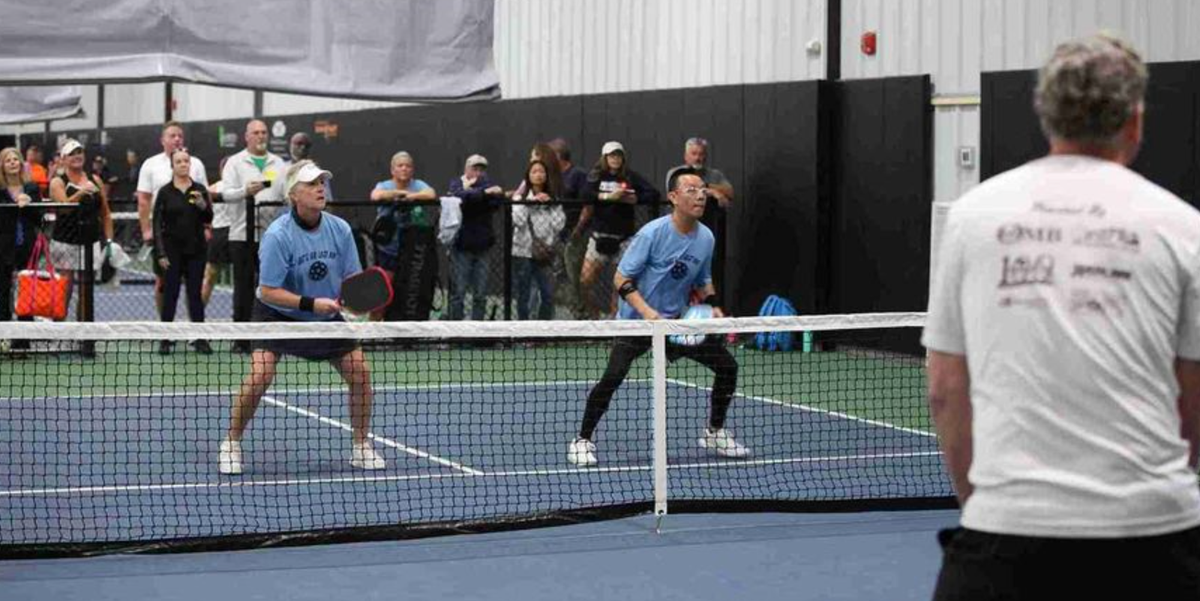
Kitchen Line Angles Pickleball Strategy in Doubles
In doubles, kitchen line angles pickleball strategy gets more layered because you have two opponents to move.
The good news: they have to coordinate, and coordination breaks down under pressure.
The most effective angle-based approach in doubles targets the transition zone first to create confusion, then attacks the sideline once one player has committed to covering the center.
This is the T-ball and sideline concept. The doubles T and sideline placement guide breaks it down in full.
A few core doubles angle principles:
- Cross-court to the weaker player. Every doubles team has an imbalance. Use angles to keep the ball on the player less comfortable under pressure.
- Middle to create indecision. A ball at the seam forces communication, and sometimes produces a popped-up ball.
- Wide to one, attack to the other. Pull one player off the line, then attack the partner before they can slide to cover.
Changing the way you think about doubles pickleball is the mindset shift that makes all of this click on court.
The Dink Media Team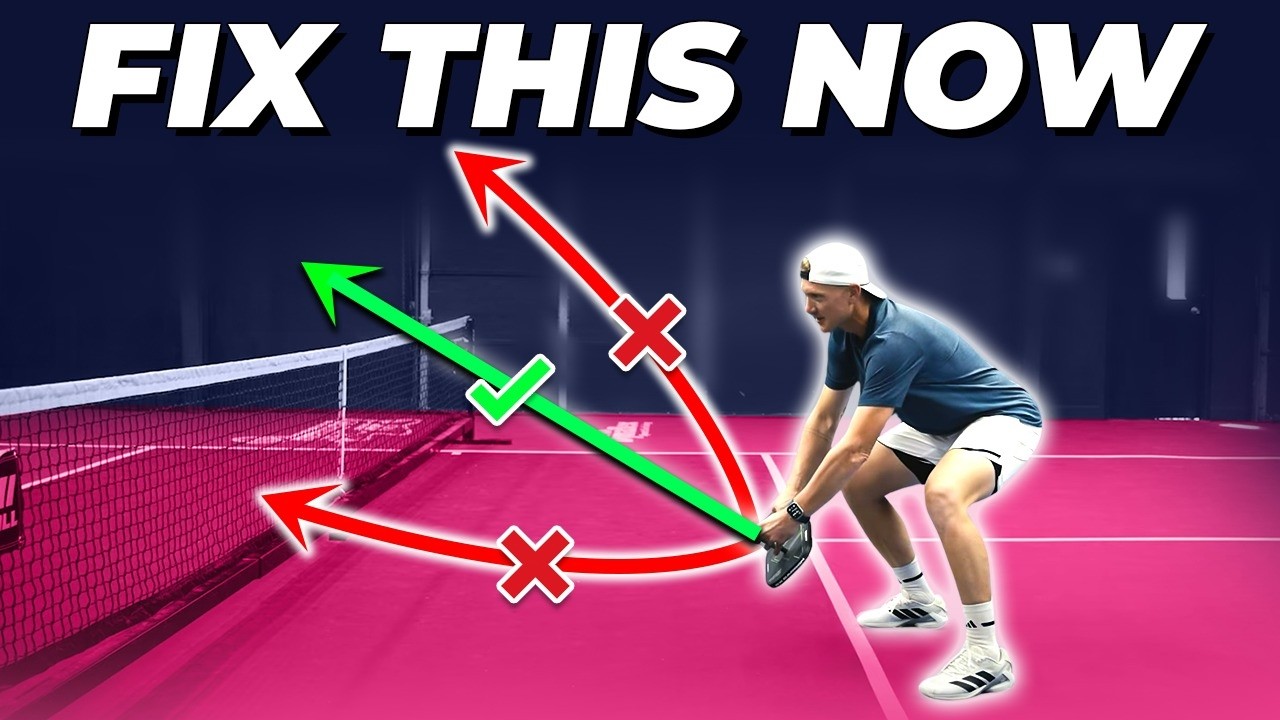
How to Defend Angles Without Getting Pulled Off the Line
Being on the wrong side of a sharp angle system is uncomfortable. Here's how to hold your ground.
Stay centered relative to the ball, not the court. If your opponent pulls you wide with a cross-court, don't cheat back to the middle before they hit.
Let the ball determine your position, then recover after your reply.
Becoming unattackable at the kitchen requires absorbing angles without panicking and keeping your ball low enough that there's nothing to attack on the opponent's next shot.
When you're out of position: don't try to win the point. Hit a neutral reset down the middle, no angle, no pace, and recover your base.
Resetting better is one of the most underrated skills in pickleball.
Sometimes what looks like an opponent's great shot is really just bad positioning on your part. Know the difference.
The Dink Media Team
The Erne and ATP: Extreme Kitchen Line Angles
When kitchen line angles in pickleball get to their extreme, balls so wide they're traveling near the sideline, two advanced shots come into play.
The Erne is a legal jump-volley outside the kitchen that intercepts a sharp cross-court angle before it passes the NVZ line.
The Erne explained is a must-read if you haven't added it to your game yet.
The Around-the-Post (ATP) happens when an extreme angle travels wide of the post, you can go around the post and hit the ball back legally, even below net height.
The banana shot is a variation of this concept with heavy sidespin to curve the ball back into the court.
Both shots exist because angles create them.
Strong angle creation opens up the Erne and ATP as finishing options, which is exactly why drilling kitchen line angles in pickleball practice pays off at every level.
The Dink Media Team
Three Drills to Build Your Angle Game
You can't think your way into better angles under pressure. You have to groove them:
- Sideline target drill: Place a cone at the far sideline corner of the kitchen. Rally cross-court with a partner and try to land your dink within 12 inches of that cone. Ten minutes rewires your contact point fast.
- Zone call drill: Before each shot, call the zone out loud, "hip," "side," or "middle." Forces intentional placement instead of auto-pilot.
- Pickleball's hardest dinking drill: Precision under fatigue is exactly the condition where your angles collapse during real matches. Train for it.
The Dink Media Team
Key Takeaways
- Kitchen line angles in pickleball are built on geometry: contact point determines angle, not power.
- Use the three-zone placement system: hip, sideline, and transition zone.
- Cross-court is the setup shot; down-the-line is the finisher that has to be earned.
- In doubles, target the middle seam first, then exploit the sideline once players shift.
- Erne and ATP shots are the natural reward for creating extreme angles.
- Defense against angles requires centered positioning, neutral resets, and patience.
- Drill placement intentionally, pressure collapses your angles if they aren't grooved.
Frequently Asked Questions
What are kitchen line angles in pickleball?
Kitchen line angles in pickleball are the directional paths your dinks and volleys travel at the non-volley zone, specifically how cross-court, down-the-line, and wide-angle shots move opponents out of position. The kitchen is 20 feet wide, and controlling that geometry is the core skill of NVZ play. Players who consistently vary their shot placement force significantly more errors than players who rely on pace alone.
How do you create a sharp dink angle at the kitchen line?
Contact the ball early, out in front of your body, with an open paddle face and a low-to-high brushing motion. The further in front you contact, the wider the redirect. A slice backhand dink is particularly effective for sharp cross-court angles because the underspin keeps the ball low and redirects pace instead of adding to it.
When should you go down-the-line at the kitchen in pickleball?
Go down-the-line after you've pulled your opponent wide with a cross-court, when your opponent has drifted toward center, or when you receive a high ball you can attack as a volley. Never use it as your first shot in a rally, it has to be set up by a prior angle. Going early is just gambling.
How do kitchen line angles work differently in doubles versus singles?
In doubles, angle strategy focuses on creating seam balls between two opponents and exploiting their coordination gap. The most effective approach is hitting the middle transition zone first to cause hesitation, then snapping the sideline once one player commits. In singles, the approach is simpler: pull your opponent wide, recover center, and punish their weak reply.
What is the Erne and how does it connect to kitchen line angles?
The Erne is a legal shot where you jump outside the kitchen to volley a ball near the sideline before it crosses the NVZ line. It becomes available when your opponent sends an extreme cross-court angle close to the sideline. Strong angle creation is what sets up Erne opportunities, the better your angle game, the more often opponents have to hit balls that put them in danger of giving you an Erne look.

Love Pickleball? Join 100k+ readers for free weekly tips, news & gear deals.
Subscribe to The Dink