
Playing angry can sharpen your focus or wreck your game. Pro Eric Roddy breaks down when to channel the fire — and when to cool it.
If you have played pickleball long enough or at a high enough level, odds are you have gotten angry at some point while playing this highly addictive, yet frustrating sport.
Like any other sport, the mental side of the game can separate even the most skilled players.
For some, getting angry gives them the mental edge they need to lock in and elevate their games. For others, losing control of their emotions in the form of anger can lead to poor decision making and more losses because of blowing up.
Here are the pros and cons of playing angry.
PROS
The boost in adrenaline can give you the physical or mental edge you need
While I haven’t been deliberately body-bagged or isolated a lot in my professional playing career, it has happened. Initially, I am not the type to lose my cool and try to channel any anger towards strategy to get revenge on my opponents by winning the last point. In most circumstances, that is what I would recommend.
Channel your anger and use it to fuel your resilience or perseverance to refuse to lose.
Sometimes allowing your mind and body (emotions have a physical component as well) to get angry can be a good thing. It can boost your adrenaline, which can help those players who feel lethargic or may be slowing down at the end of a long tournament day get a jolt that elevates their game.
That adrenaline could also provide the mental edge you need to improve your focus and therefore your ability to make the shots needed to beat your opponents.
Playing angrily can sometimes be a winning strategy
The most success I have had when playing angrily has come in mixed doubles. A large part of being a successful left side guy in mixed doubles is being more aggressive, especially towards the female on the opposing team.
Often, I will start a mixed match flat, with low energy and not covering the amount of court I should cover and not playing as aggressively as I should be. This usually results in me and my mixed partner losing game one, which will make me angry that I am losing, and as a result I will play more aggressively for the rest of the match.
At the amateur level, especially the lower levels, playing angrily can often result in a team being more aggressive. They get pumped up physically and, in their anger, they want to hit through their opponents by exerting sheer force.
Sometimes, this sudden change in game style can shock opponents, setting them on their heels and forcing them to pivot away from their own strategies.
It can also result in the person or team playing angrily going on a hot streak, with long runs of winning points in a row. Going on an angry rampage can completely alter the course of a match, especially when done under control and out of nowhere.
 The Dink Media Team
CONS
Playing angrily can lead to losing control and a complete loss of decision making
This is the direct opposite to number two on the pros list above. If you fail to control and harness your anger properly, you will likely lose control (often referred to amongst pros as crashing out) and start making poor decisions. I have seen this happen almost a hundred times across all levels and was guilty of this pickleball crime earlier on in my career. Playing too angrily or letting your emotions go unchecked can result in poor decision making.
 Alex E. Weaver
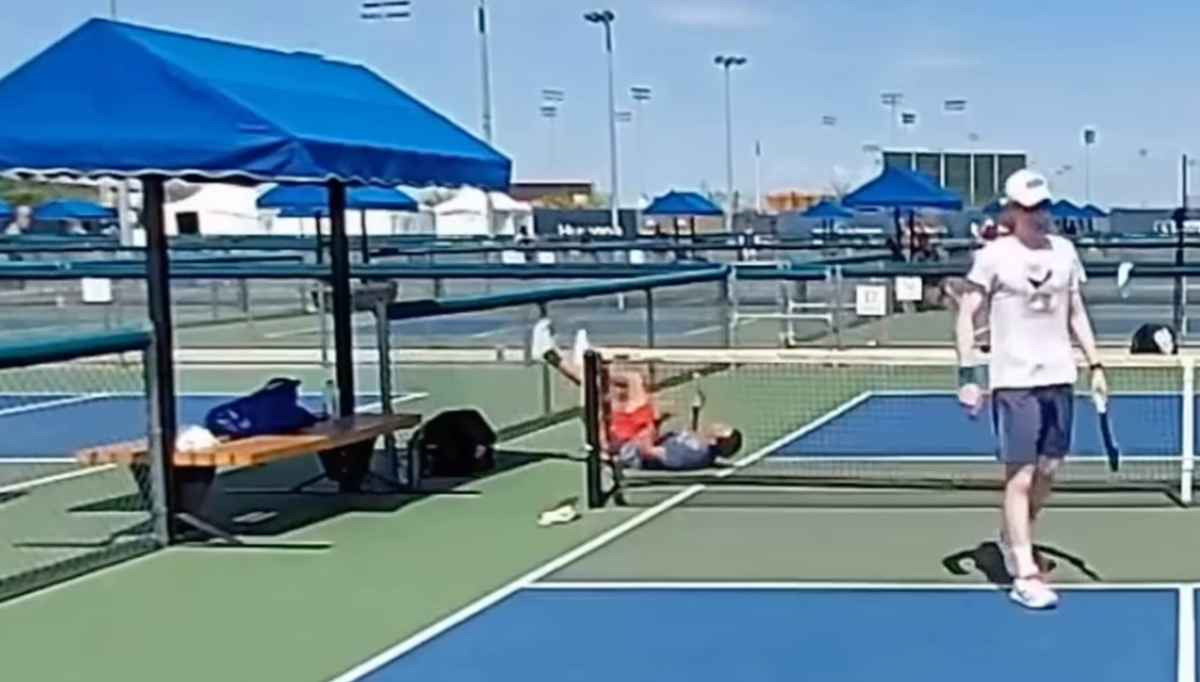
This especially manifests when players become obsessed with getting revenge on their opponents, often for being body-bagged, whether intentionally or accidentally.
I have seen players dedicate the rest of the match to hitting their opponent, despite ultimately losing the match.
They will try to hit one hundred mile per hour drives on third shots instead of dropping, attempt obvious speed ups from the kitchen, and miss double digit shots out or in the net in the name of revenge.
Remember – the best way to get revenge on your opponent is to win the match.
And typically, the best way to do that is to use your anger to fuel good decision making (make one more ball, beat my opponent in a cross-court dink rally, etc.), not poor decision making.
The boost in adrenaline can create physical and mental tension that makes playing more difficult
This con pairs directly with the first pro above. If you can’t harness your anger when playing, it can consume you and literally make it more difficult to move your body.
Pickleball movement is about moving efficiently and effectively, with some short bursts but mostly anchoring your body in a low athletic position. Some players who play angrily move entirely with burst and lack the finesse movements required to play under control. Additionally, some players will grip the paddle too hard. This can impact touch shots like resets and drops, causing them to be too high or too hard.
While some players who play angrily move too much and inefficiently, others get so consumed by their anger that they slow down and can barely move at all.
This is rarer but still happens. A player who can’t control their anger gets so tense that their muscles constrict and they are unable to move at the rate needed to get to balls and be in position to make the shots necessary. As a result, they are out of position, leading to more unforced errors. This mental and physical constriction goes hand in hand with the first con.
If you are unable to put yourself in the court position needed, you will be make poor decisions.
It's all about balance
Playing with anger is all about balance.
- Play with too much, and it can consume you, distracting you from the end goal: figuring out the right strategy to beat your opponents and executing on that strategy.
- However, some players can harness their energy healthily and use it to provide a physical or mental boost to gain an edge over an opponent.
The key is to practice this. If you find yourself getting angry, take an extra ten seconds to calm down, and use that boost in adrenaline to think about the best place to use it against your opponents.
Whether it is ramping up your controlled aggression, targeting the weaker player, or telling yourself you refuse to lose, playing angrily can be the difference in winning or losing a match.
Heads up: hundreds of thousands of pickleballers read our free newsletter. Subscribe here for cutting edge strategy, insider news, pro analysis, the latest product innovations and more.
Professional pickleball player Eric Roddy has teamed up with Jittery Joe’s to release a new pickleball coffee – The Kitchen Brew. Whether you are hitting dinks or chasing dreams in the Kitchen, our medium roast gives you the perfect boost to power through every game. Start your day right, both on the court and in your cup!
You can purchase The Kitchen Brew on the Jittery Joe’s website.
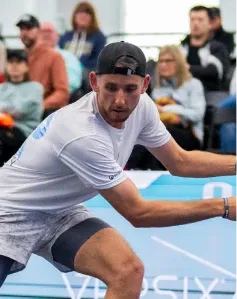
Eric Roddy
Eric is a PPA tour pro living in Charlotte, NC, sponsored by Paddletek. In addition to playing PPA events, he teaches pickleball 2-3 hours a week, enjoys golf, and listening to his favorite band Goose.
Love Pickleball? Join 100k+ readers for free weekly tips, news & gear deals.
Subscribe to The Dink