

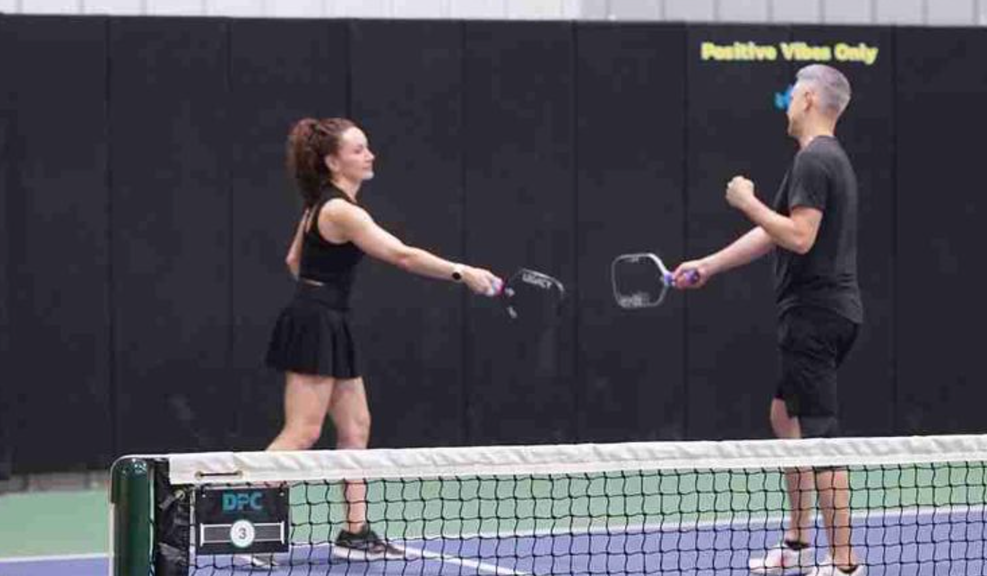
Good vs. Bad Loss in Pickleball: The Difference That Decides How Fast You Improve
The good loss vs bad loss pickleball distinction comes down to one thing: whether the defeat handed you usable information or just handed you emotion. Learn how to diagnose a loss, pick one fix, and turn your worst matches into your fastest improvement.
Here's the uncomfortable truth about the good loss vs bad loss pickleball divide: most players treat every defeat exactly the same way, and that's why they're sitting at the same rating they had two summers ago.
You lost 11-6. Okay.
But did you lose because the other team executed better than you, or because you kept firing the same low-percentage speed-up from the transition zone for forty minutes?
Those are two completely different losses. One of them makes you better by Thursday.
The other one just makes you mad, and anger is how stubborn habits survive another season.
Love pickleball? Then you'll love our free newsletter. We send the latest news, tips, and highlights for free each week.
What Does the Good Loss vs Bad Loss Pickleball Divide Actually Mean?
A good loss hands you information. A bad loss hands you nothing but feelings.
That's the whole good loss vs bad loss pickleball framework, and it has nothing to do with the score.
- You can lose 11-2 and walk off with three specific, fixable problems.
- You can lose 12-10 and walk off with nothing except a grudge against the wind, which is how players keep losing close games to the same opponents.
Think of it this way: a loss is only valuable if it changes something you do on Tuesday.
Good loss (definition): a defeat where you can name the pattern that beat you, in one sentence, without raising your voice.
"They attacked every dink I floated above the net cord" is a good loss. "We just didn't have it today" is a bad loss wearing a nice shirt.
This is why a champion mindset gets talked about so much by people who actually win things. The pros lose constantly.
What separates them is the speed at which they convert a defeat into a note, and a note into a strategy reset.
How Do You Tell a Good Loss From a Bad Loss in Real Time?
You tell them apart by what you can name twenty minutes after the match ends.
Honestly, this is the only good loss vs bad loss pickleball test that holds up. If you can point to a repeatable pattern, you have a good loss.
If all you have is a highlight reel of bad luck and one terrible line call, you have a bad loss, and it's going to cost you again next week.
The Three-Question Scorecard for Good Loss vs Bad Loss Pickleball Reviews
Run these three questions after every competitive match, win or lose:
- What did they keep doing that worked? Not what they did once. What they went back to because it kept paying.
- What did I keep doing that didn't work? Be specific about the shot, the spot on the court, and the score it happened at.
- What would I change if we replayed the same match right now? One change. Not a rebuild.
If you can answer all three with specifics, congratulations, that was a good loss.
If question two makes you want to blame your partner, you're still in bad loss territory.
What a Bad Loss Actually Looks Like
A bad loss is a defeat you can't explain in a single sentence.
It usually sounds like this: the paddle felt dead, the ball was wet, your partner kept poaching, the 4.0 who sandbagged into your bracket should be a 4.5.
All of that might even be true. None of it is usable.
A bad loss also tends to be the one where your unforced errors piled up and you never noticed, because you were busy being annoyed about something else.
The tell is emotional residue. You're still chewing on it in the car.
That's not analysis, that's rumination, and research on athletes who recall failure found that self-compassion predicted better recovery from negative emotions after a setback.
In plain English: beating yourself up isn't a training method. It's just a tax. Dropping it is how you get back to staying calm under pressure in the next match.
 The Dink Media Team
Why Do Bad Losses Keep Repeating Themselves?
Bad losses repeat because you never converted them into a single, specific thing to practice.
Here's the catch. Most rec players review matches with their mouths, not their eyes.
You describe the match to your group chat, the story gets smoother every time you tell it, and the actual problem (your return is landing short and giving away the kitchen line) never gets mentioned once.
Want the fastest fix? Film your games. Five minutes of phone footage will contradict your memory immediately, and in a useful way.
There's a second reason, and it's harder to admit. Blaming the loss on something outside your control feels better in the moment.
Sports psychology research on attribution training found that athletes who were trained to re-explain their performance showed lower fear of failure and self-criticism under pressure.
The point isn't that you need a sport psychologist.
That's the hidden half of the good loss vs bad loss pickleball question: the explanation you reach for shapes the next match.
How you explain a loss is a skill, and like your third shot or your reset, it gets better with reps.
And yes, the rating thing matters here too. Since win or lose, your DUPR can move, players have gotten weirdly protective of losses they should be welcoming.
A competitive loss to a better team is the most useful ninety minutes you'll spend all month.
 The Dink Media Team
The Good Loss vs Bad Loss Pickleball Playbook for Your Next Defeat
Turn a bad loss into a good one by writing down one pattern, choosing one fix, and drilling it before you play again.
That's it. Every honest good loss vs bad loss pickleball review comes down to those three steps, and the order matters more than people think.
The 48-Hour Rule for Good Loss vs Bad Loss Pickleball Reviews
Review the match within 48 hours or don't bother.
After two days your memory has already edited the tape. You'll remember the two balls you crushed and forget the eleven returns that sat up.
Write three lines in your notes app while it's fresh, the same way you'd log a tournament match: what beat you, when it beat you, what you'll change.
Thirty seconds of honesty on Sunday night is worth more than an hour of complaining on Wednesday, and it pairs well with the 6-second mental reset you should already be using between points.
Pick One Fix, Not Five
Choose the single pattern that cost you the most points and ignore everything else.
Five fixes is zero fixes. If their righty-lefty stack kept pulling you out of position, that's your week.
If you lost the kitchen line on 70% of your serves, that's your week.
Then go drill it with intent instead of playing six more games and hoping it fixes itself, because random reps don't transfer to match play on their own.
One more thing worth saying, since we're being honest about losing. Not every match is a lab.
Some of it is just rec play, and treating a Saturday morning open-play game like a tournament final is its own kind of bad loss.
Winning isn't the only thing that matters, and players who understand that tend to last longer in this sport than the ones grinding their teeth at 8 a.m.
 The Dink Media Team
Key Takeaways
- The good loss vs bad loss pickleball distinction depends on information, not the scoreline.
- A good loss is one you can explain in a single specific sentence. A bad loss is one you can only explain with excuses.
- Three questions after every match: what worked for them, what didn't work for you, what one thing you'd change.
- Review within 48 hours, before your memory rewrites the match.
- Pick one fix and drill it. Five fixes is the same as none.
- A close loss to a stronger team is more useful than an easy win over a weaker one.
Frequently Asked Questions
What is the difference between a good loss and a bad loss in pickleball?
The good loss vs bad loss pickleball difference comes down to information. A good loss gives you specific, repeatable detail about what beat you. A bad loss leaves you with emotion, excuses, or vague frustration and nothing you can practice. The score is irrelevant: you can learn more from an 11-3 beating than a 12-10 heartbreaker if you can name the pattern that caused it.
Can you lose a pickleball match and still improve?
Yes, and it's often faster than winning. Competitive losses expose the holes that easy wins hide, especially against players who attack a weakness you've been avoiding or a pattern you keep repeating. The improvement comes from the review afterward, not from the loss itself.
How soon should I review a pickleball loss?
Within 48 hours, ideally the same night. Your memory starts smoothing over details almost immediately, and after two days you'll recall your best shots and forget the repeated error that actually cost you the match. Three written lines is enough.
Should I be worried about losing hurting my DUPR rating?
Not if you're playing people at or above your level. DUPR accounts for the strength of your opponents, so a competitive loss against a stronger team can still reflect well on your rating. Chasing easy wins to protect a number is the fastest way to stop improving.
How do I stop getting emotional after a bad pickleball loss?
Give yourself a short, fixed window to be annoyed, then convert the match into one written note and move on. Research on athletes suggests that self-criticism after failure slows emotional recovery rather than speeding up improvement. The players who bounce back fastest treat a loss as data collection, not a verdict on their ability.
Love Pickleball? Join 100k+ readers for free weekly tips, news & gear deals.
Subscribe to The Dink