Should You Still Go "All Out" When Facing a Weaker Opponent in Rec Play?
Pickleball is a game, and games are supposed to be fun. Pickleball is also a sport, and sports are meant to be competitive.
However, there are times, usually during open or recreational play, when rec play pickleball is neither fun nor competitive.
This is most often due to a low level of competition or when playing against players with mobility issues.
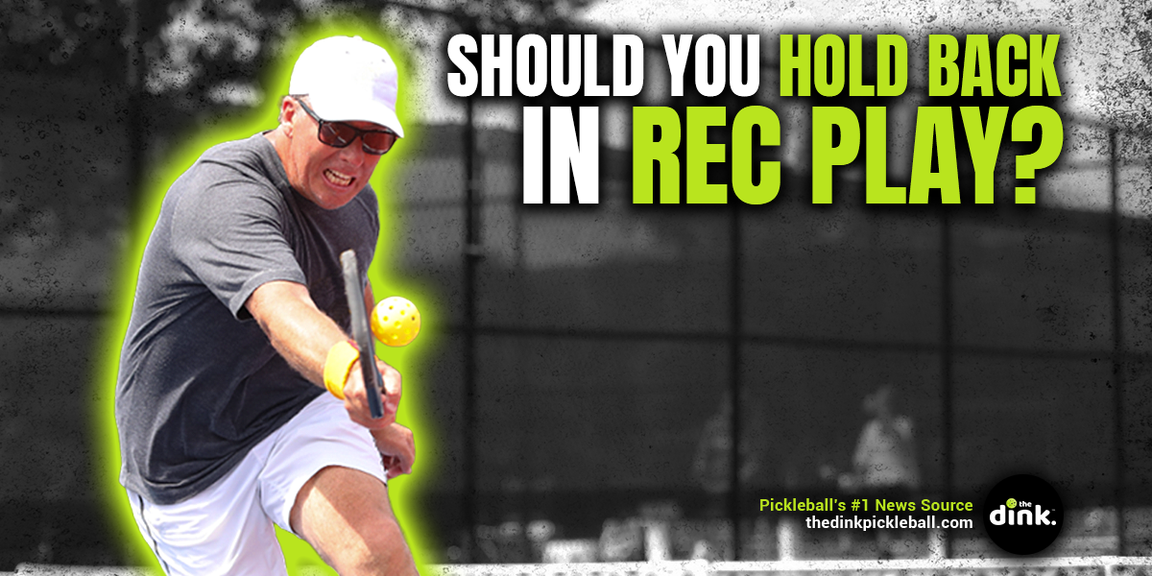
In these moments, we must ask ourselves, "Should I hold back or play my A-game?"
We'll attempt to make a case for holding back and another case for not holding back.
The Case for Not Holding Back in Rec Play Pickleball
Besides the simple argument that sports are meant to be competitive, there are two better reasons worth discussing.
- Holding back can make you worse
- Holding back can cause injury
Holding Back Can Make Your Rec Play Pickleball Game Worse
If playing against better players makes you better, then it stands to reason that playing against weaker players can make you worse.
When you consistently find yourself facing weaker opponents, it's easy to build poor habits or allow your mechanics (and form) to break down.
 Jason Flamm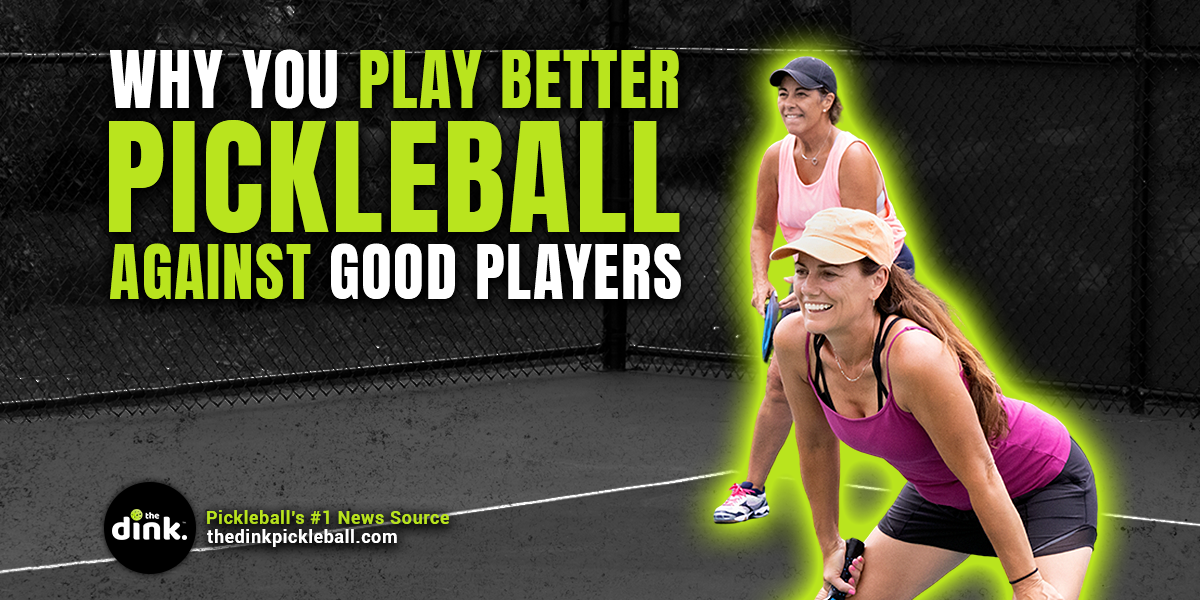
For instance, if you can get away with not getting into a good ready position or keeping your paddle up, then there's a solid chance that could carry over into more competitive games.
If your version of holding back means not using proper technique, then you probably shouldn't hold back.
Holding Back Can Cause Injury
Perhaps even worse than weakening your game, holding back can also cause you to get injured.
How?
Let's say you've decided to play a game at half-speed, and now you're lagging behind, putting yourself in bad positions on the court. Inevitably, your opponent will hit a ball just out of your reach or surprise you with a lob or speed-up (even bad players can hit good shots).
If you suddenly lunge or reach for a shot, that can overextend or strain something. Issues like pickleball elbow often catch players off guard in exactly these lazy-positioning scenarios.
If a loud pop follows that lunge, you might be out for the next 4-6 weeks simply because you decided to "take it easy" on your opponents.
If your version of holding back means putting yourself in compromising situations, you should not hold back.
Jason Flamm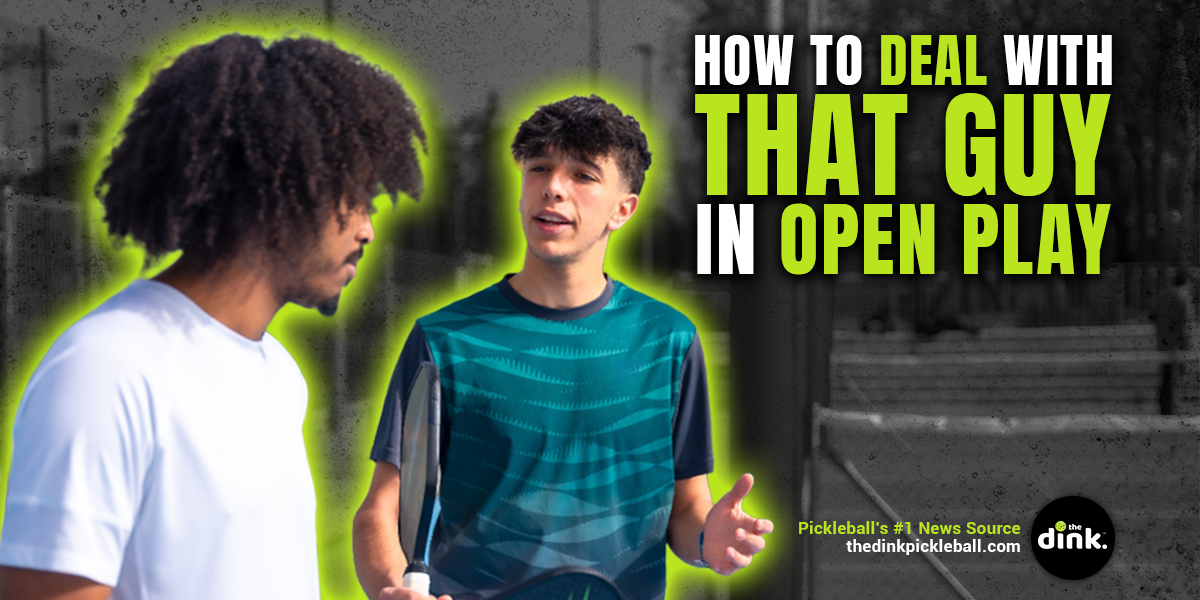
The Case for Holding Back in Rec Play Pickleball
Now, let's discuss the case for holding back. Here are three reasons you might want to hold back:
- Holding back can improve your game
- Holding back gets you more touches
- Holding back helps pickleball grow
Holding Back Can Improve Your Rec Play Pickleball Game
Finding and exploiting your opponent's weaknesses is Winning 101. However, in rec play pickleball, winning isn't (or at least shouldn't) always be the goal. Rec play is a great opportunity to work on specific shots and techniques or improve aspects of your game.
Holding back can force you into more uncomfortable (not compromising) positions and focus on improving one particular skill.
Jason Flamm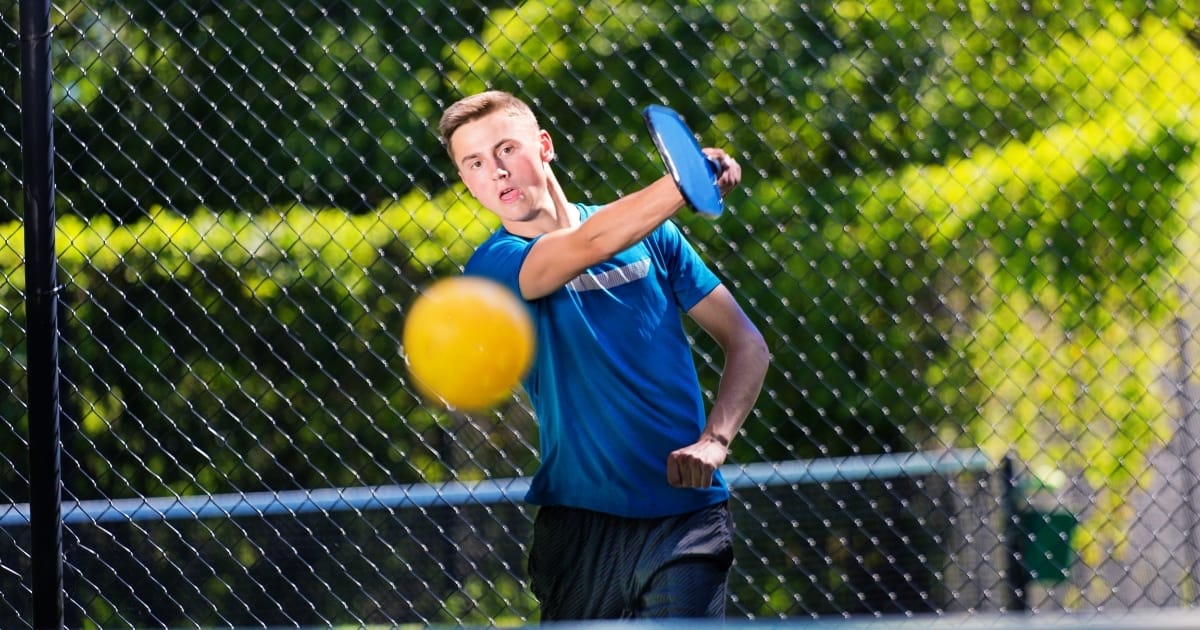
For instance, if you decide that "Double-Knee-Brace" Charlie could injure himself if you put the ball too far out of reach, then spend the game working on aggressive dinks at his feet instead.
Or if "Can't-Handle-a-Drive" Betty misses every hard-hit ball, it's a great time to practice your drop shots.
By focusing on what your opponent can handle instead of what they can't, you can put yourself in a position to get extra reps in your own weaker areas.
Holding Back Gets You More Touches
When every rally ends after the third or fifth shot, rec play pickleball isn't that much fun. Even if you take every shot for your team during those rallies, you still severely limit the number of touches you get per game.
Jason Flamm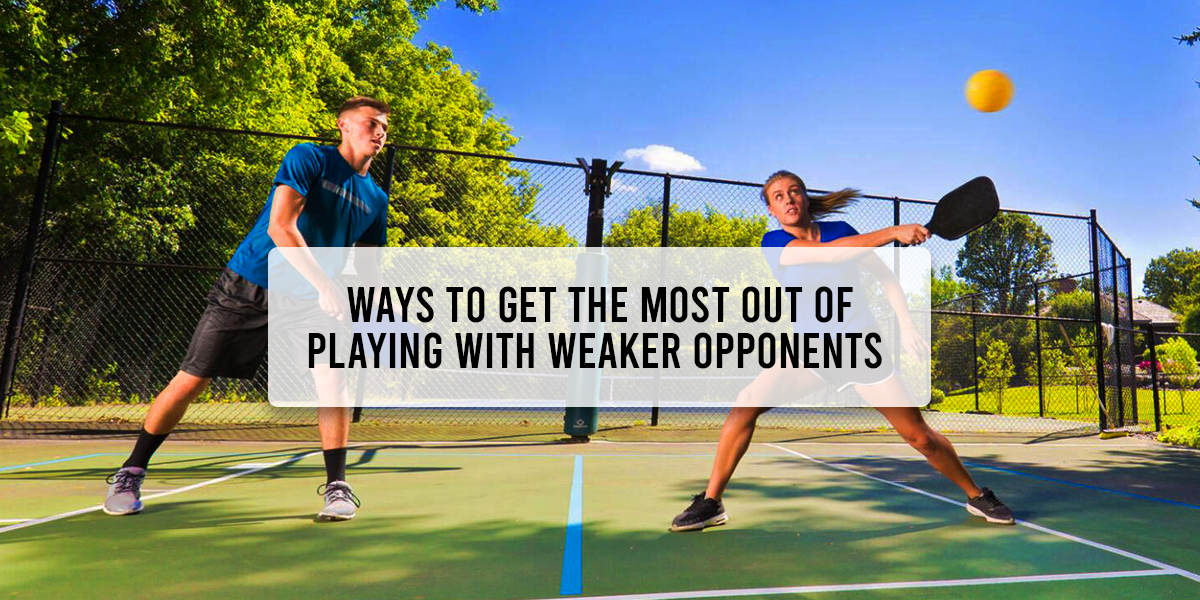
When you hold back, meaning don't go for speed-ups and "winners," you can extend each point to seven, eight, or even double-digit shot rallies.
Sure, take the winning shot if it's hit in a great spot for you to do so, but focus on hitting resets and keeping dink rallies going longer rather than pulling the trigger with that nasty backhand flick you just mastered.
Now, instead of quick games, you can focus on executing quality touches and improving yourself. Plus, couldn't we all learn a little more patience anyway?
Holding Back Helps Pickleball Grow
The pickleball community can be fun and inclusive. But like any other community, it also has its share of bad apples (or cucumbers, if you will). The politics of open play are something every player should be aware of before stepping on the court.
Every one of us has been where our lesser-skilled opponents (or teammates) are right now. We all needed a better player or group willing to give us a chance to improve.
Your actions go a long way toward determining whether someone new or unskilled will continue playing pickleball or find something else to do with their time. Hell, you might even drive them to tennis. Ugh!
If you care about the sport's growth, try your best to take the action that lets them feel included and never isolated.
Pickleball even hit the Super Bowl stage last night 👀
— The Dink Pickleball (@Pickleball) February 12, 2024
IT’S EVERYWHERE 😎
🎥 @etrade pic.twitter.com/VLbEva9os4
Should You Hold Back in Rec Play vs. Weaker Opponents?
So, to answer the question, should you hold back in rec play pickleball vs. weaker or less-agile opponents?
Yes, I think you should.
But only if you can do so safely and without sacrificing your own pickleball skills in the process.
Personally, if I think holding back (even slightly) can make another person happier for showing up to the courts that day, then I'm glad to do so every time.
However, if I run into Betty or Charlie in a tournament, you better believe I'm bringing the heat.
Frequently Asked Questions
Is holding back in rec play pickleball bad for your long-term development?
Holding back can hurt your development if it becomes an excuse to ignore fundamentals. The smarter approach is to dial back your power and aggression while maintaining proper positioning, footwork, and technique on every single point.
How do you avoid getting injured when holding back in recreational play?
Stay mentally engaged even when the competition is lighter than usual. Maintain your ready position at all times so that when a weaker opponent hits an unexpected lob or speed-up, your body is never caught in an awkward overextension.
Should you hold back against older or less mobile players in open play pickleball?
Yes, but the goal is to redirect your energy, not coast through the game. Instead of going for easy winners, use those games to practice your resets, dinks to your opponent's feet, or any weaker skill you want to sharpen before carrying it into real competition.
How can holding back in rec play pickleball actually improve your game?
When you stop going for outright winners, you're forced to construct points with more intention and creativity. That discipline and patience carry directly over into tighter matches where you can't simply overpower your opponents.
Does playing against weaker opponents in rec play pickleball hurt your rating or habits over time?
It can if those sessions become mindless wins rather than deliberate practice. Set a specific goal before each rec play pickleball game, like working exclusively on your third shot drop or extending dink rallies, and those matches become just as valuable as any competitive set.

Love Pickleball? Join 100k+ readers for free weekly tips, news & gear deals.
Subscribe to The Dink