Earlier this week, during open play, I overheard someone mention something that, at first, I thought was a ridiculous take. They said, "I don't know why, but I always seem to play better against good players and worse against bad ones."
At the time, I simply rolled my eyes and kept playing.
On my way home, I thought more about what he said and wondered if it could be true or just something people tell themselves to justify inconsistent play. The following is the answer I came up with.
Better Pickleball Competition Makes You More Competitive
When playing against someone of a similar or higher skill level, we tend to rise to the challenge. It's human nature to want to prove ourselves and show that we are just as good, if not better than, our opponents.
This competitive drive can lead us to play at a higher level, putting more effort and focus into each shot. As a result of that focus, we play faster, more confidently, and have fewer unforced errors.
When we play against those we deem to be lesser-skilled opponents, we lose those competitive juices, try shots we're not really great at, and typically just care less about the outcome. You aren't trying to prove anything, which leads to feeling like you're not playing your A-game that day.
As ESPN has reported on how competitive spirit fuels athletic performance, the psychological edge that comes from facing tougher opposition is a well-documented phenomenon in sport. Stiffer pickleball competition simply activates something in us that easier matchups do not.
Skills Can Be Complementary in Pickleball Competition
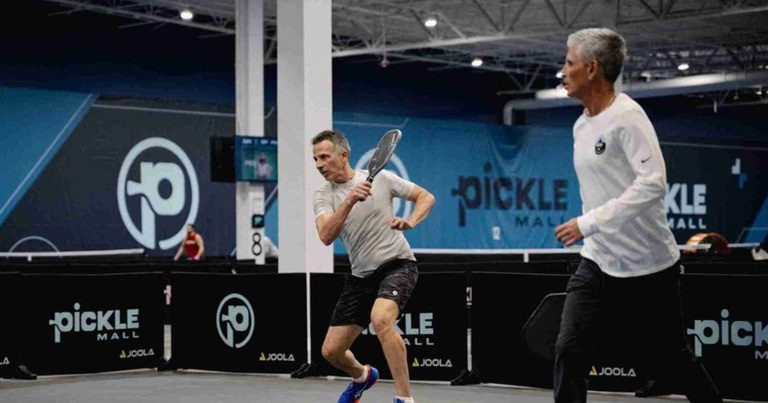
Pickleball requires a wide range of skills. Everyone on the court has different styles, techniques, and shots that make up their individual games. When playing alongside a good player, they might have skills that complement yours.
 Luke Burton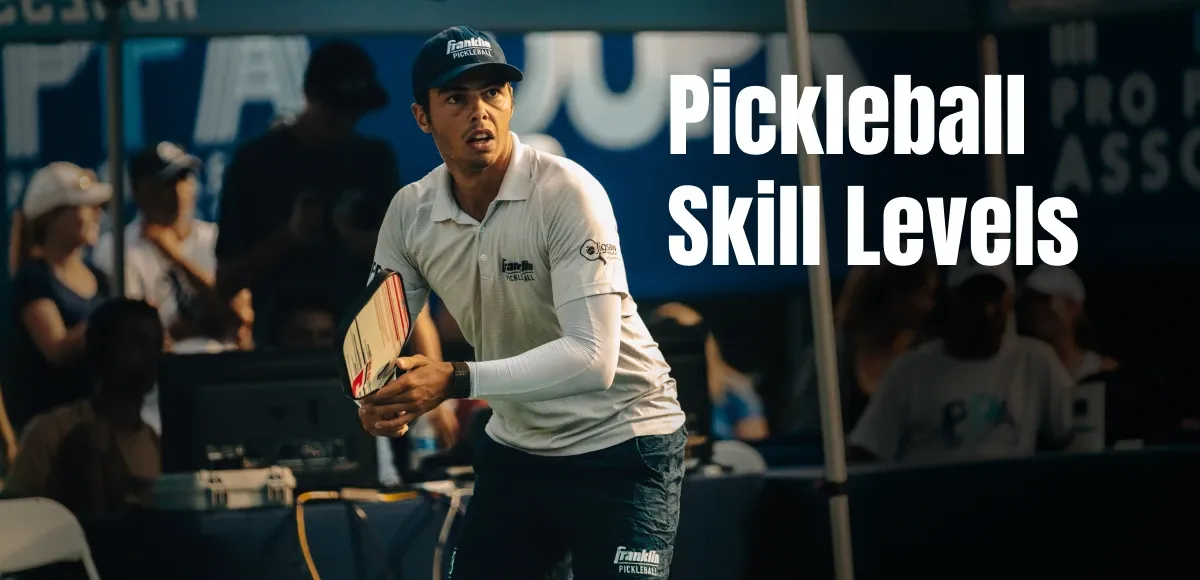
For example, if you're good at dinking and your partner is good at speedups, these complementary skill sets can lead to some great points for your team. Similarly, if you are playing against strong opponents who can also dink and counter well, each point feels more earned.
Against weaker opponents who can't handle a speedup or dink the ball into the net every time, you may lose interest in trying to play the soft game. So now, instead of dinking, you're driving more, which might be less fun or interesting for you.
Why Rhythm Matters in Pickleball
Pickleball is as much a game of rhythm as anything else. Short rallies have a way of killing momentum, and if every point ends before it really begins, then finding that rhythm can be difficult.
In football, you'll sometimes hear the announcer say that the wide receiver needs to "get his touches early" to feel like he's part of the game. I find this to be true of myself in pickleball as well.
If I have a partner who's constantly being targeted and I'm rarely getting to hit the ball, then it feels like when I do get a chance, I need to do something special with it. Unfortunately, this often leads to silly mistakes or taking more risk than the situation demands.
Longer Rallies Equal More Touches in Real Pickleball Competition
Better players tend to have longer rallies. Those longer rallies lead to more touches by each player, which helps you get into the game's rhythm.
Losing a long rally that featured a lot of skill can feel like better pickleball than winning a bunch of short ones.
When the level of pickleball competition rises, so does the quality of each exchange. Each point in a high-level game gives you more opportunity to recognize your court position and execute the right shot at the right time.
Good Players Make Their Partners Look Better
Good teammates know how to set each other up for success. You might have an amazing third-shot drive, but if your eager partner (who is halfway to the kitchen) keeps taking return shots to his feet every time you do it, you should probably make a third-shot drop instead.
Similarly, if you have a partner who likes to Erne, you can set them up by hitting wide dinks. Recognizing in-game adjustments like this can make a huge difference in how the game plays, but it requires a certain skill level to notice them and then make them.
Bad players don't know how to set up their partners, and instead, they often get their partners killed by leaving dinks and drops too high or hitting poor drives cross-court.
The Mental Side of Pickleball Competition
Pickleball competition has a mental dimension that often goes overlooked. When the stakes feel real because your opponent is capable of punishing every mistake, your focus sharpens in ways that it simply cannot during a casual one-sided game.
As ESPN's coverage of sports psychology notes, athletes across all sports perform differently depending on the perceived difficulty of their opposition. Understanding that your mindset shifts based on your opponent's level is the first step toward controlling it.
This is why smart shot decisions beat raw power in advanced pickleball. Tougher pickleball competition forces you to think two or three shots ahead rather than just reacting to what's in front of you.
How to Develop Your Competitive Edge
The key to consistent performance is learning to manufacture that same intensity regardless of the opponent. Whether you're playing a 5.0 or a beginner, your mental framework should remain the same.
Work on mastering the mental game at the kitchen line and practice treating every rally with the same level of focus. Players who understand 3 patterns that separate good pickleball players from great ones know that greatness is not reserved for tough matchups alone.
You are allowed to expect your best game from yourself on every court, against every opponent.
The Final Verdict on Pickleball Competition
So, was the guy at open play correct? Do we play better against good pickleball players?
Yes. I think this idea actually has some merit.
However, I think it's important to point out that we can always find ways to play better against weaker opponents. As I share below, how to get the most out of playing weaker pickleball opponents is worth reading for anyone looking to stay sharp no matter who is on the other side of the net.
Jason Flamm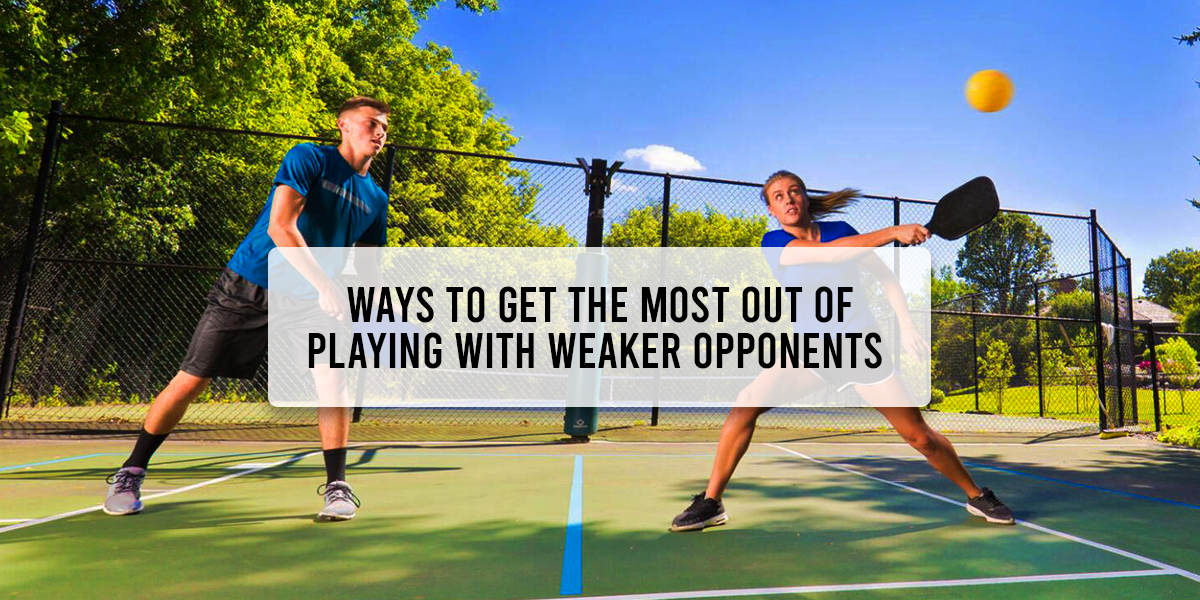
Also, this is not an excuse to shun or treat lesser-skilled players poorly.
Because to someone else, you might be the weak one.
Understanding your own pickleball plateau and how to break through it is ultimately more important than the skill level of your opponent. And if you want to accelerate your growth, learning how early preparation buys time and slows down the pace of play is a great place to start.
Frequently Asked Questions
Why do I play better pickleball against stronger opponents?
Playing against tougher competition activates your competitive drive, which increases your focus and reduces unforced errors. When the stakes feel higher, you naturally commit more mental and physical effort to each shot.
Does pickleball competition level actually affect skill development?
Yes, higher-level pickleball competition exposes your weaknesses and forces you to adapt in real time. Longer rallies against skilled players also give you more repetitions per game, which accelerates improvement faster than short, low-effort exchanges do.
How can I maintain the same intensity against weaker pickleball players?
Set personal performance goals before each match, such as hitting a certain number of third-shot drops or winning the dink rally, rather than focusing only on the score. Treating every game as a chance to sharpen a specific skill keeps your competitive energy high regardless of your opponent's level.
What is it about longer rallies that makes pickleball feel better?
Longer rallies give each player more touches, which helps you build rhythm and confidence throughout the game. When points are short and chaotic, it becomes very difficult to find your timing or feel locked in during a match.
Should I seek out better pickleball competition to improve faster?
Absolutely, regularly challenging yourself against more skilled players is one of the fastest ways to elevate your game. Just be sure to also use lower-stakes games to practice specific shots and stay intentional, so that no game, easy or hard, goes to waste.
|

Love Pickleball? Join 100k+ readers for free weekly tips, news & gear deals.
Subscribe to The Dink