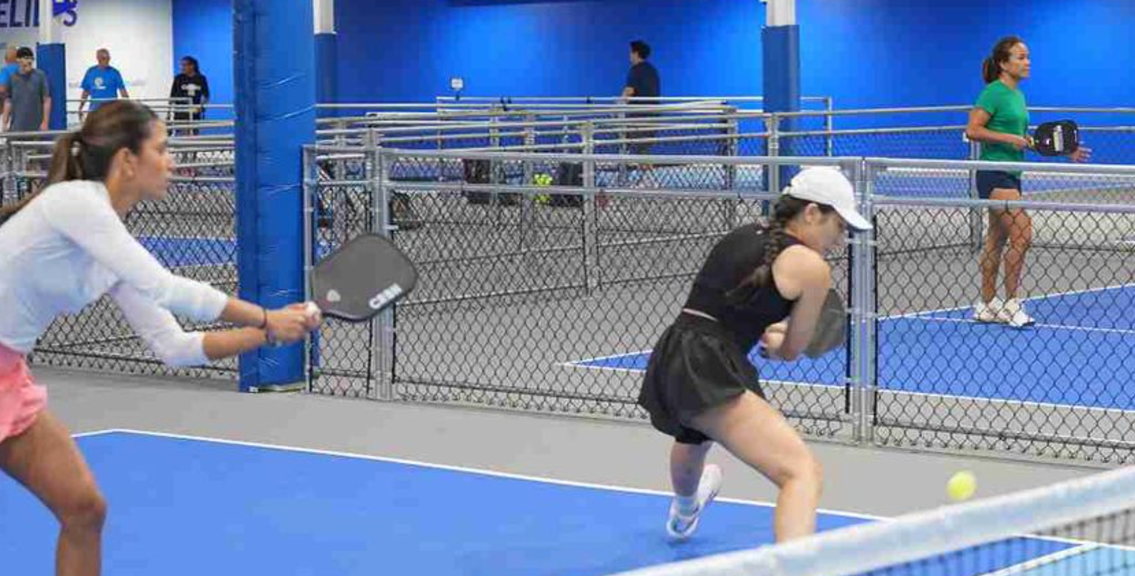
How to Bounce Back From a Bad Pickleball Shot Without Spiraling
Every player needs a plan for how to bounce back from a bad pickleball shot before the next serve. This guide breaks down the exact reset routine that keeps one ugly miss from turning into a lost set.
If you don't know how to bounce back from a bad pickleball shot, one miss turns into three, and three turns into a lost game before you notice the pattern.
Every player who's watched a 9-2 lead evaporate knows that spiral.
The good news: it's fixable, and it's not about "staying positive."
It's about having an actual routine, the same discipline behind building a real champion mindset instead of just hoping the bad feeling passes.
Love pickleball? Then you'll love our free newsletter. We send the latest news, tips, and highlights for free each week.
What Does It Actually Mean to Bounce Back From a Bad Pickleball Shot?
Bouncing back means the next shot you hit is unaffected by the last one. That's it. It's not forgetting the error happened. It's not pretending you're fine.
It means your decision-making and footwork reset to neutral within a few seconds, the same neutral stance behind good mid-court positioning, before the next rally even starts.
Most players confuse this with a "short memory," the sports cliche you hear from every commentator.
Here's the catch: a short memory is passive. You just hope the bad feeling fades.
A real reset is active. You do something specific, on purpose, every single time you miss. That distinction is the whole article.
Sports psychologists studying racket-sport athletes have found structured post-error routines, not vague mental toughness, separate players who recover a point later from players who lose three straight.
The routine matters more than the mindset, and you can build it through solo drills you run by yourself long before you need it in a real match.
Why the Next Point Matters More Than the Last One
Here's the math nobody says out loud: the point you just lost is worth exactly one point. The next one is worth one point too. They're identical in value.
The only thing that makes the last point feel bigger is your brain, and your brain is wrong.
Players who understand what's actually happening in the pressure zone know the moment right after an error is the single biggest swing point in the entire rally sequence.
You're one deep breath from either a clean reset or a second unforced error. There's no neutral option.
Missing this window is exactly why players make the same mistake without realizing it.
The error itself rarely costs the game. The three shots after it usually do.
The 3-Second Reset: How to Bounce Back From a Bad Pickleball Shot in Real Time
This is the actual routine. Three seconds, every single miss, no exceptions.
How to bounce back from a bad pickleball shot starts with a physical reset, not a mental one.
Your body leads, your brain follows, the same way it does when you're building the second half of a genuine champion mindset instead of just talking about one.
 Alex E. Weaver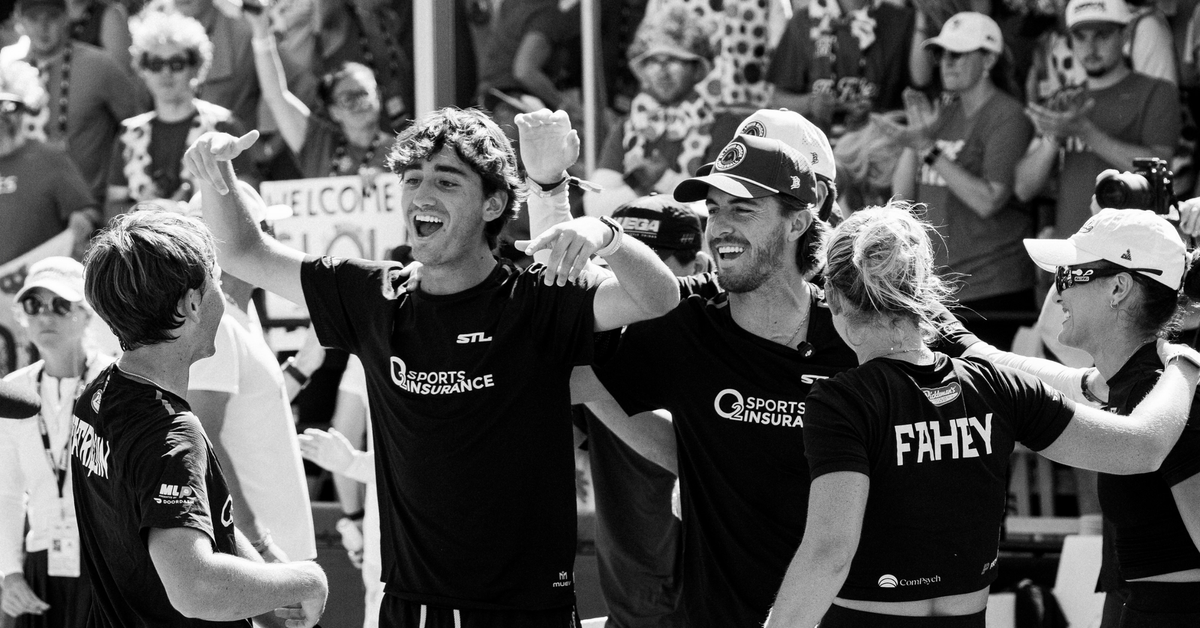
Breathe Before You Bounce
One exhale, longer than your inhale. That's the entire instruction. Physiologically, a slow exhale drops your heart rate and pulls you out of the fight-or-flight spike that follows a bad shot. Skip this step and every step after it is built on a shaky foundation. It's the same physical discipline behind focusing on your strengths instead of spiraling over your weaknesses, which is really just the pickleball mental game in miniature.
Pick a Cue Word and Stick With It
"Next." "Reset." "Here." Doesn't matter which word. What matters is picking one before you need it and using the same one every time. A cue word interrupts the spiral before it starts, because you can't simultaneously replay a missed dink and say "next" out loud in your head. The brain can't do both at once.
Pair the cue word with a genuine reset shot when the rally demands one, and you've got a full physical and mental system working together instead of fighting each other.
 The Dink Media Team
How Do the Pros Actually Reset After a Blown Shot?
Watch closely and you'll see the same three moves on every pro court. A short exhale. A racket tap on the ground or the leg.
A walk to the baseline, even after a simple missed serve return. None of it is superstition.
It's a deliberate pattern interrupt, and it's the same pickleball mental game habit that shows up across nearly every top-20 player.
The players who skip this step are the ones you see rushing the very next point instead of resetting it. Rushing is the tell.
Calm players slow down after a miss. Rattled players speed up, and that's how one bad shot becomes an entire bad game.
 The Dink Media Team
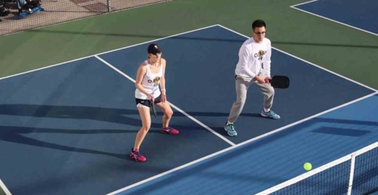
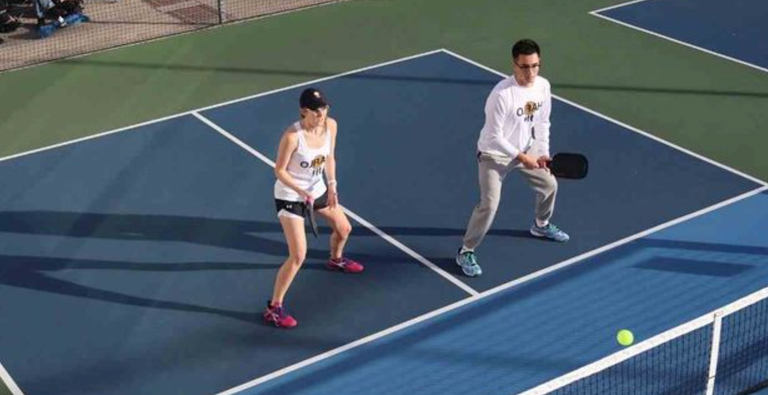
Bouncing Back in Doubles Without Blaming Your Partner
Doubles adds a second landmine: blame.
How to bounce back from a bad pickleball shot gets a lot harder when your partner is standing six feet away and you're tempted to explain or coach them mid-point.
Don't. Rethinking how you approach doubles pickleball starts with treating every error, yours or theirs, as shared property of the team, not a personal failing to process out loud between points.
A quick "my bad, next one" does more for team chemistry than any detailed explanation.
This matters just as much when teamwork actually breaks down under pressure.
The team that resets together, in silence, wins more points than the team debating footwork between serves.
 The Dink Media Team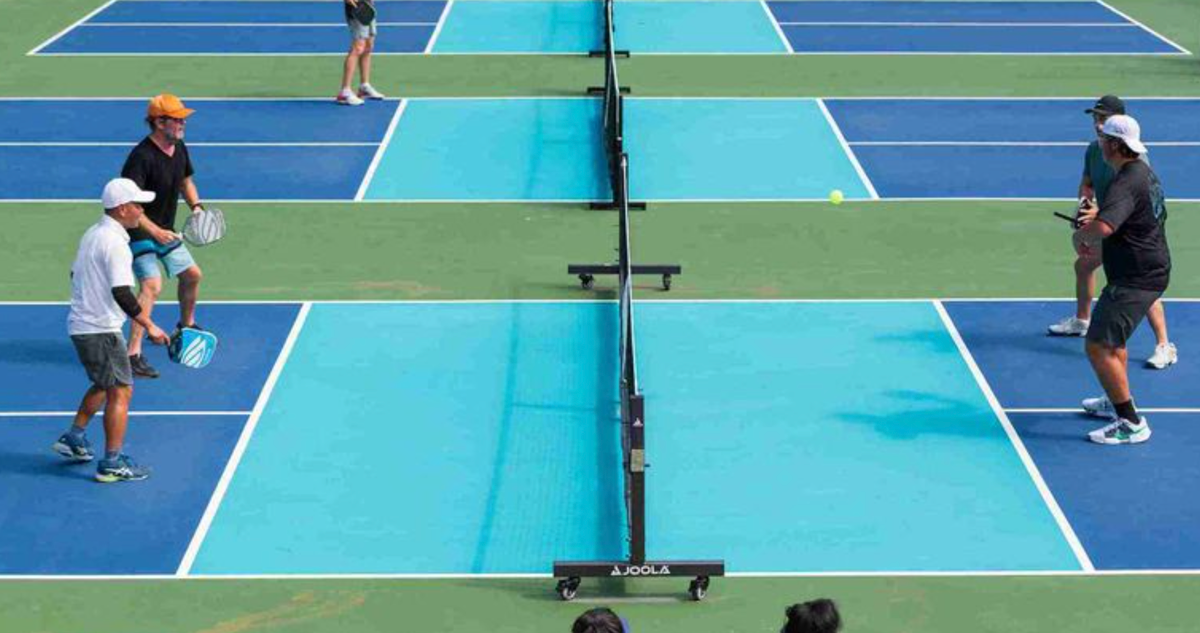
Applying the Reset When It Matters Most
The routine doesn't change under pressure. What changes is how badly you need it to actually work.
How to Bounce Back From a Bad Pickleball Shot During a Tournament
Tournament pressure changes the stakes but not the routine. If anything, the routine matters more, since a bracket format means one bad game can end your day. The exhale, the cue word, and the slow walk to position all still apply, just with a crowd watching.
Players who've mapped out when to attack and when to reset in the first place tend to have fewer meltdown moments in tournament play, because they've already decided which shots are worth the risk. Fewer bad decisions means fewer bad shots to bounce back from in the first place. It's the same instinct behind learning to make your third shot spicy instead of passive: trust the decision, don't hesitate, and you'll have fewer errors to reset from at all.
How to Bounce Back From a Bad Pickleball Shot When You're Down Match Point
This is the moment the whole routine gets tested. Down match point, after a miss, most players either freeze or force something heroic. Both are mistakes. The correct move is the same pickleball reset you've used all match: exhale, cue word, reset your feet the way you would after any other rushed shot.
Unforced errors in pickleball spike under match-point pressure more than at any other point in a game, and the data backs it up. One tracking analysis of amateur tournament play found unforced error rates climb by nearly a third in the final two points of close games. Knowing that in advance takes some of the panic out of the moment. It's not just you. It's everyone.
If the pressure is coming from a tricky shot specifically, knowing how to respond to a well-placed drop before match point even arrives takes one entire category of panic off the table.
 The Dink Media Team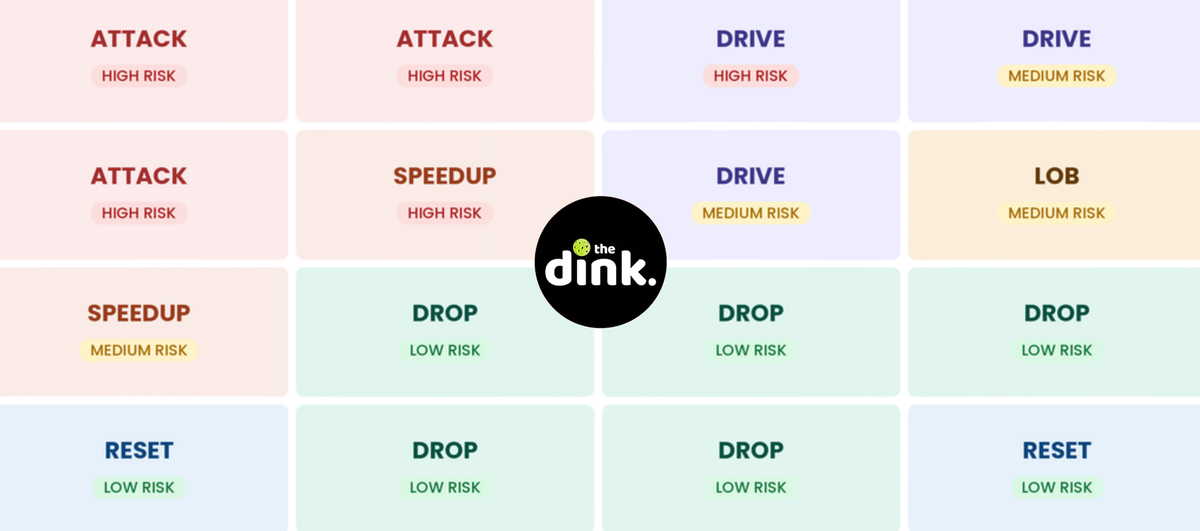
Building the Bounce-Back Habit Into Practice
Here's the part everyone skips: you can't build this routine in a match. Matches are too high-stakes to learn a new habit in real time.
Build it in practice instead, every time you miss a drill rep.
Run an advanced shot selection drill and require the exhale-and-cue-word reset after every missed rep, not just the ones that frustrate you.
The boring reps are where the habit gets built.
Add in something like the fridge and toaster drill to force fast decisions under fatigue, since fatigue is when the reset habit tends to break down first.
The goal isn't a perfect pickleball reset every time.
It's a routine you trust enough that you stop thinking about the last shot at all, and start thinking about the next one, the same principle behind good sideline positioning in doubles, which is really the entire skill in one sentence.
 The Dink Media Team
Key Takeaways
- How to bounce back from a bad pickleball shot comes down to a physical routine, not a mindset: exhale, cue word, reset your feet.
- The point after an error is the single biggest swing point in the rally sequence, not the error itself.
- Doubles requires resetting as a team, in silence, rather than explaining or blaming.
- Unforced errors in pickleball spike under match-point pressure, so the routine matters most exactly when it's hardest to use.
- Build the habit in practice reps, not in matches, since matches are too high-stakes to learn something new in real time. The same goes for reading court coverage on the fourth shot: drill it before you need it.
Frequently Asked Questions
How do I stop overthinking after a bad pickleball shot?
Use a physical reset instead of a mental one. One slow exhale and a single cue word, the same one every time, interrupts the overthinking loop faster than trying to "think positive" ever will, especially once you've drilled it through something like a figure-8 drill until it's automatic.
Why do I play worse after making one mistake?
Your body stays in a mild stress response after an error, which speeds up your decisions and tightens your grip. That combination is what causes the second and third mistakes, not a lack of mental toughness.
What's a good cue word for resetting in pickleball?
Anything short and specific works: "next," "reset," or "here." The word matters less than using the exact same one every time, so it becomes an automatic trigger rather than something you have to think about.
How do pros bounce back from errors so quickly?
Most use a visible pattern: a short exhale, a racket tap, and a deliberate walk to the baseline. It's a practiced routine, not a personality trait, and any player can build the same one, the same way anyone can learn when to drive and when to drop on the fifth shot with enough reps.
Should my doubles partner and I talk about a bad shot right away?
Keep it brief. A quick "my bad, next one" resets the team faster than a mid-point explanation. Save the detailed conversation for the timeout, not the point right after the miss.

Love Pickleball? Join 100k+ readers for free weekly tips, news & gear deals.
Subscribe to The Dink