
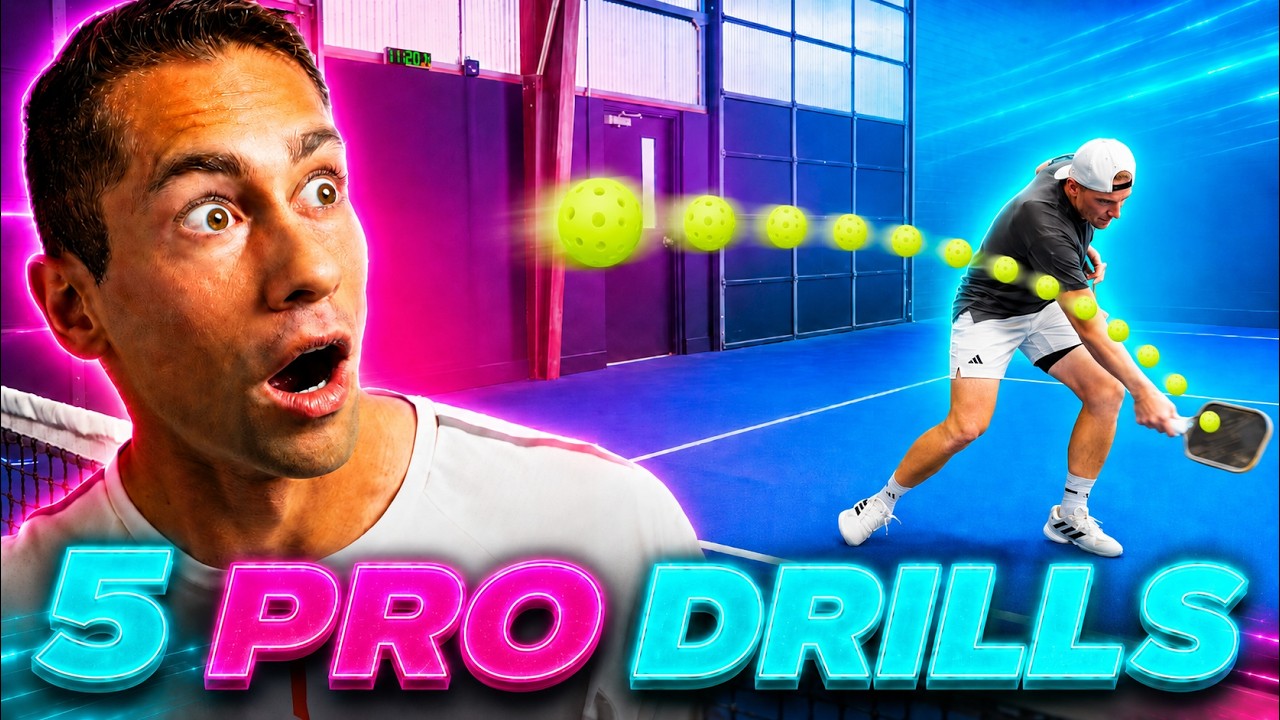
5 Pickleball Drills That Turn Your Weakest Shots Into Weapons
Pros Zane Navratil and John Cincola built five pickleball drills that attack the exact shots most players avoid. Steal all five and turn your weak spots into weapons.
Most improvement plateaus come from practicing what you are already good at, which is exactly why the right pickleball drills matter so much.
The shots you avoid in a game are the shots quietly capping your rating.
Pro Zane Navratil sat down with his longtime training partner, coach John, to share five pickleball drills the two of them built together over years of playing before they both moved to Austin.
Every one of these targets a shot amateurs dodge.
Run through all five and you stop hiding your weaknesses on the court and start weaponizing them instead.
Love pickleball? Then you'll love our free newsletter. We send the latest news, tips, and highlights for free each week.
Why Do the Same Pickleball Drills Keep Showing Up in Pro Practice?
Pros repeat these pickleball drills because each one forces a specific uncomfortable shot until it stops being uncomfortable.
Comfort is the enemy of a rising rating.
As Navratil puts it, a good drill "forces you into shots that you may not be super comfortable with."
That discomfort is the point. You are not grooving your best shot, you are rebuilding your worst one.
The five drills below move from the baseline slice all the way up to the kitchen and back into the messy middle. Do them in order and you cover the whole court.
1. The Slice to Topspin Drill
The slice to topspin drill fixes the single shot that makes recreational players dump balls into the net: the incoming slice.
"So many players have a slice come at them and they don't know how to deal with it," Navratil says.
One partner slices every ball. The other partner hits nothing but topspin in response. Then you switch.
That is the entire pickleball drill, and it is brutal in the best way.
Here is the physics you are training around. When a slice lands on your paddle, it kicks downward off the face.
If you do not brush up to counter that spin, you drive it straight into the tape.
So you learn to hit up. You learn to add your own topspin, the same feel you want on a roll shot with heavy topspin, until clearing the net becomes automatic.
Run it crosscourt too. Most of your real shots travel on the diagonal, where you get a little more space and a little more margin, so that is where the reps count most.
2. The Long Hands Drill
The long hands drill builds two things at once: putaway power and clean poaching from the transition zone.
It is a step up from the standard step-in punch volley you have probably seen.
Instead of resetting from the middle of the court, you attack from it. You extend, you reach, and you punch the ball with intent rather than just blocking it back.
The key detail is your weight. Navratil stresses stepping into every ball so your body is behind the shot, not falling away from it.
Falling backward turns a putaway into a floater.
Pay attention to how generating pace from that spot feels.
If it feels awkward and forced, that is your signal that in a real game you should reset that ball instead of firing. The drill teaches the difference.
Want more raw hand speed to go with it? Layer in a routine to build faster hands on separate days.
 The Dink Media Team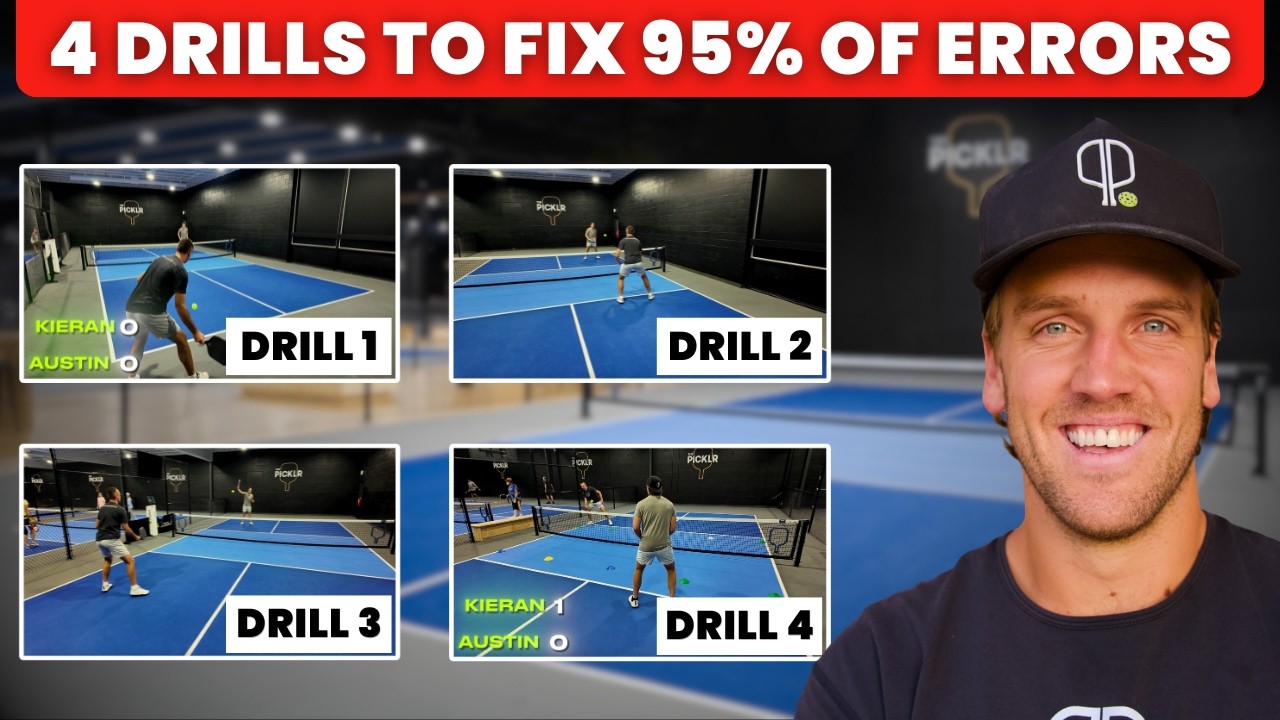
3. Protect the Line
Protect the line is Navratil and John's favorite of these pickleball drills, and it cures the most common kitchen mistake: letting balls bounce that you should be taking out of the air.
"That's why we play from the kitchen," Navratil says. "It's to try and take these shots out of the air when we can."
The drill is simple. Your partner dinks and pushes at you, and your only job is to decide, ball by ball, what you can pick off before it bounces.
You are mapping your own reach.
How do you find your range at the kitchen?
Your range is the exact distance from the net where you can still comfortably take a ball out of the air, and protect the line teaches you to find it.
Not everyone stands right on the line. Some pros drift a foot or two back, but wherever they set up, they defend that spot.
This is the same instinct behind learning to step in on dinks.
You commit forward, take time away from your opponent, and refuse to let a soft ball drop at your feet.
The habit pays off in the messy moments too, like when you can't get to the kitchen line in time and still need to make a smart decision on the next ball.
Once the straight-ahead version feels easy, make it harder. Go crosscourt, which is noticeably tougher, and add speedups on top.
Solid footwork drills feed directly into this, because you cannot protect a line your feet cannot reach.
 The Dink Media Team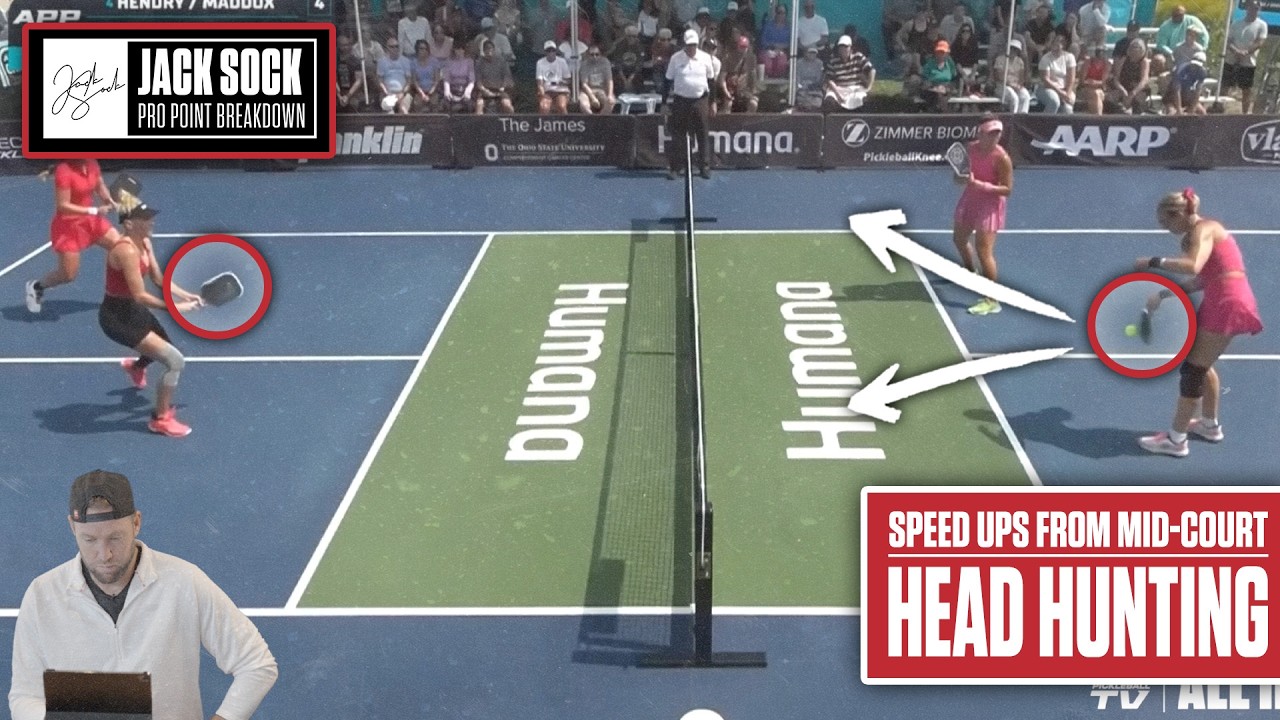
4. The Dink 70 Drill
The dink 70 drill trains you to control soft balls while covering 70 percent of the court, which is what real dinking pressure actually feels like.
You cut the kitchen box in half with cones, then dink backhand to backhand while covering your half plus another 20 to 25 percent of your partner's side.
The name comes from that coverage number. You are not guarding a tidy little box. You are stretched, reaching, and still expected to keep the ball low and controlled.
"Learning to be extended, learning to be uncomfortable, maybe reaching," is how Navratil frames the goal. That is the whole game right there.
What does covering more court do for your dinks?
Covering more court forces your dink to hold up under movement and stretch, not just from a stationary, comfortable stance.
Anybody can dink well when they are set. Almost nobody can when they are lunging.
It also teaches patterns.
Once you can control the stretch, you start seeing where the next ball is going, which is the foundation of two-shot patterns that set up a putaway.
This is the same philosophy behind dinking with a plan rather than dinking and hoping.
Add a topspin dink once you are stable, and the soft game becomes a weapon.
 The Dink Media Team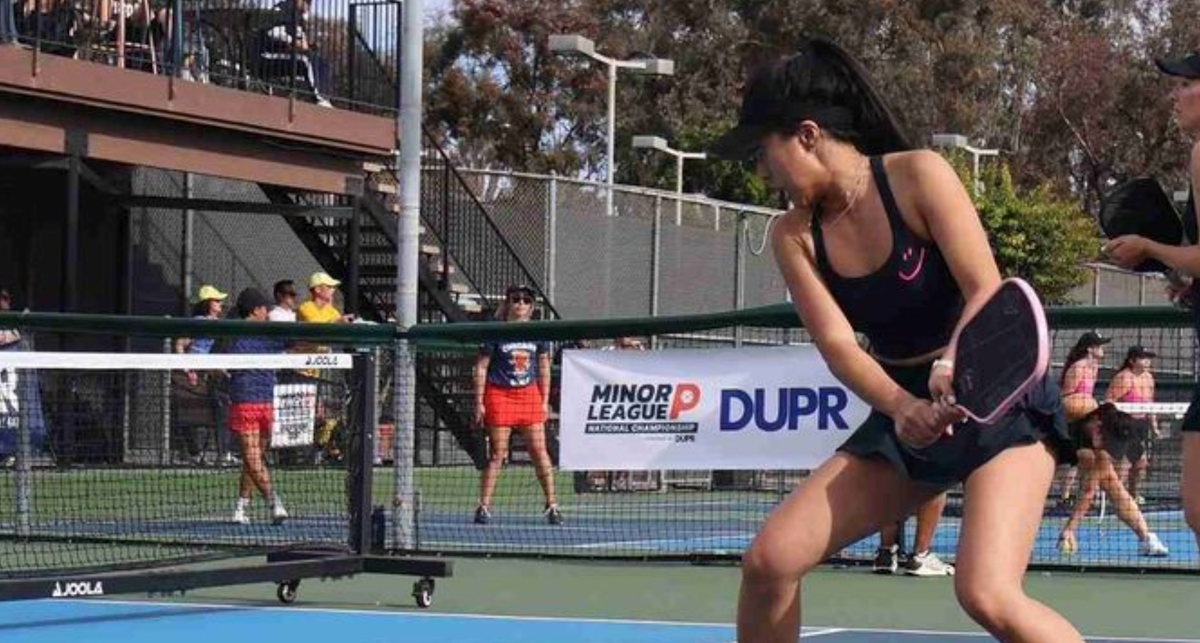
5. The Midcourt Transition Drill
The midcourt transition drill fixes the panic almost every player feels in the transition zone, because "most players don't have a plan from here," Navratil says.
You get stuck in no man's land constantly, and the difference between 3.5 and 4.5 is often what you do next.
Set up in the middle of the box. Feed your partner a mediocre drive, then play out the full point from there.
Nothing pins you to that spot.
Hit a good reset and you approach the kitchen to win the point. Hit a bad one and you retreat, defend, and work your way back up.
You are training decisions, not just shots.
The mindset Navratil coaches is to hunt offense: "I want to try to find offense as much" as the situation allows, while reading when to back off.
Watch Ben Johns from the transition zone and you will see this exact patience, resetting until the ball sits up, then pouncing.
If the middle of the court is where your points go to die, spend real time on your no man's land escape plan.
Pair it with a return that creates offense and you spend far less time trapped there in the first place.
 The Dink Media Team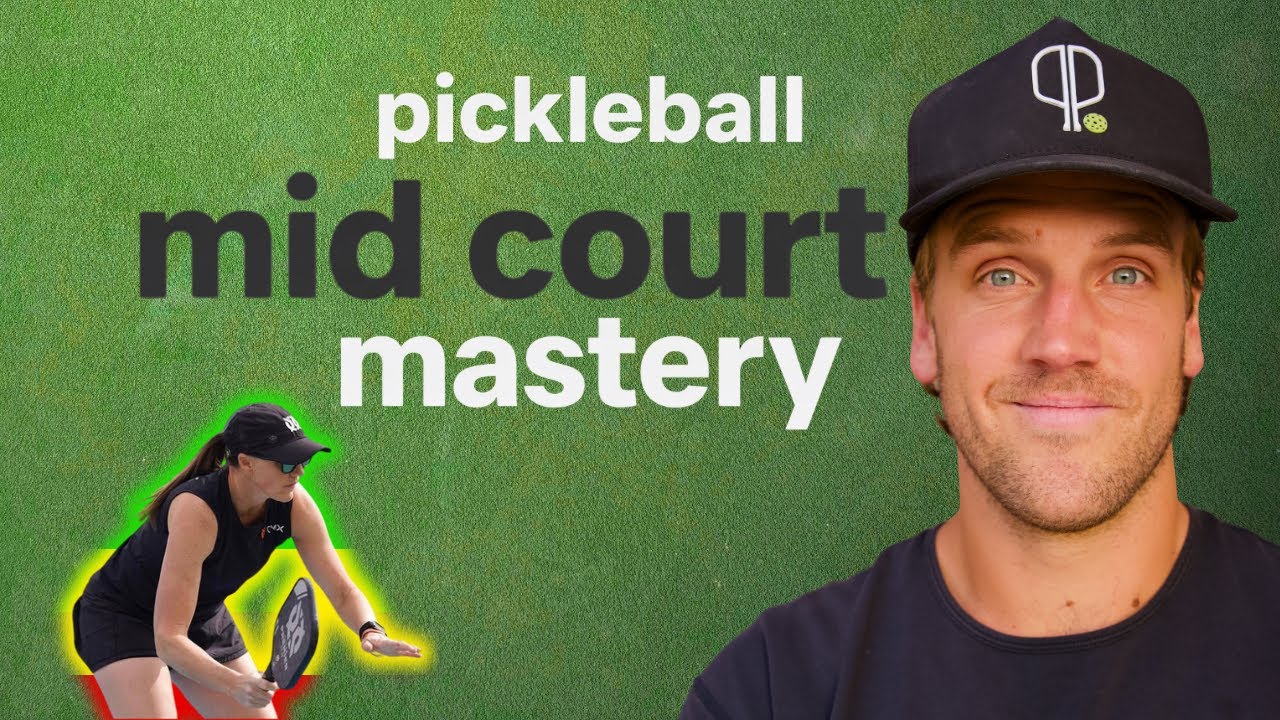
How to Actually Use these Five Pickleball Drills
Do not try to cram all five pickleball drills into one session and expect them to stick.
Pick one or two per practice and give each real, focused reps.
Start with whichever shot scares you most in a game. If you flinch at slices, live in drill one. If the middle of the court owns you, camp out on drill five.
The reason these pickleball drills work is that they refuse to let you hide. Every rep points straight at a weakness until it turns into a strength.
Frequently Asked Questions
How long should I spend on each pickleball drill?
Fifteen to twenty focused minutes per drill is plenty. Quality reps beat volume, so stop a drill the moment your form breaks down rather than grinding through sloppy repetitions.
Do I need a coach or a partner to run these drills?
Most of these need a partner because they rely on live feeds and real exchanges, especially protect the line and the midcourt transition drill. A ball machine can cover the slice to topspin reps if you are on your own.
Which drill helps most with the transition zone?
The midcourt transition drill is built specifically for it. You feed a drive from no man's land and play out the point, which trains the reset-or-retreat decision that most players never practice under pressure.
Are these pickleball drills good for beginners?
Yes, with scaled expectations. A newer player can run every one of them at slower pace and shorter coverage, then add speedups, crosscourt angles, and wider ranges as control improves.
How often should I drill instead of just playing games?
Aim for at least one dedicated drilling session for every two or three times you play games. Games reveal your weaknesses, but drills are where you actually fix them.

Love Pickleball? Join 100k+ readers for free weekly tips, news & gear deals.
Subscribe to The Dink