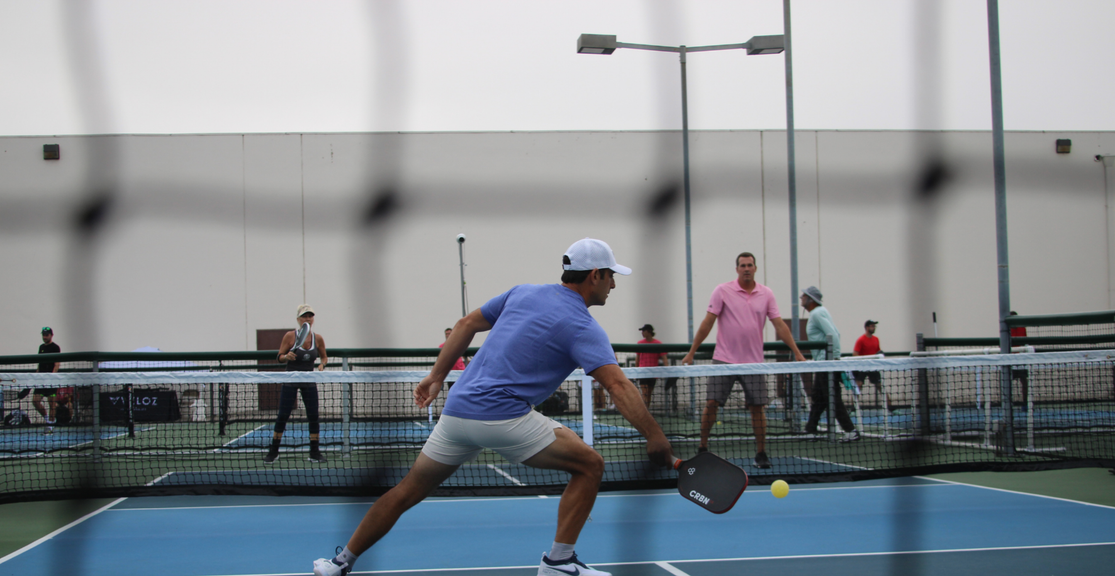
Pickleball Third Shot Drop by Skill Level: What 3.0, 3.5, and 4.0 Players Should Focus On
Third shot drop skill levels pickleball players need to master vary dramatically between 3.0 and 4.0 rated competitors. This guide breaks down exactly what to focus on, fix, and refine at each rating so you stop training the wrong things.
The third shot drop skill levels pickleball players actually need are wildly different depending on where you sit in the rating system, and most people are training the wrong version of this shot.
A 3.0 player who watches a Ben Johns tutorial is essentially studying for the wrong exam. The concepts overlap, but the execution priorities don't.
Here's the thing: the third shot drop is the most important shot in pickleball. Full stop.
It's the shot that decides who controls the kitchen first, who gets to dictate the soft game, and who ends up winning rallies they should lose.
According to USA Pickleball's official 2025 skill rating standards, the ability to execute a reliable drop from the transition zone is a defining benchmark at every level from 3.0 through 4.5+.
That context matters, because it means this shot scales with you. You don't master it once and move on. You keep upgrading it.
This guide breaks it down by rating. Find your level. Work your version of the shot.
Love pickleball? Then you'll love our free newsletter. We send the latest news, tips, and highlights for free each week.
What Is the Third Shot Drop, Really?
Understanding third shot drop skill levels pickleball players work through starts with the definition.
The third shot drop is the third shot in a rally, hit by the serving team, typically from near the baseline.
The goal is to arc the ball softly into the non-volley zone (the kitchen) so it lands low enough that your opponents can't attack it.
Done right, it gives the serving team time to advance toward the kitchen line instead of getting pinned back.
That's the textbook version. The practical version is messier.
It requires reading depth, adjusting on the fly, managing pace, and hitting a shot with just enough arc to clear the net without giving anyone a sitter.
Research published in the Journal of Sports Sciences in 2025 confirms that unforced errors on the third shot are among the highest-frequency mistake categories in amateur pickleball play, which explains why this is the shot coaches keep coming back to.
Third Shot Drop Skill Levels Pickleball: The 3.0 Player's Blueprint
At 3.0, your only job is to get the ball in the kitchen consistently, not perfectly. This sounds obvious. It isn't.
Most 3.0 players are either driving everything because they're uncomfortable with the soft game, or they're aiming for a pristine low drop and netting it 60% of the time. Both approaches cost points.
The 3.0 drop doesn't need topspin. It doesn't need a sculpted arc.
It needs to clear the net and land somewhere in the kitchen with pace that's slow enough that your opponent can't drive it back at your feet.
That's the whole standard.
The single biggest 3.0 mistake: hitting up too hard on the ball and giving opponents a floating target.
The fix is to reset your contact point lower and think of the shot as a controlled push rather than a swing.
Open your paddle face slightly, get your elbow out front, and let gravity do half the work.
The other thing 3.0 players overlook is footwork during the drop. After you hit it, you need to split-step and start moving forward.
The transition zone is a dangerous place to stay, and most 3.0 players hit the drop and then freeze.
Get moving. The drop buys you time to advance, but only if you use it.
A simple drill: stand at the baseline, drop-feed yourself a ball, and practice hitting soft drops cross-court to a partner at the kitchen.
Track how many land in the kitchen out of ten. Don't worry about placement yet.
Fifty percent success rate in rallies is a reasonable 3.0 target, and higher under drill conditions.
What Does a 3.5 Player Need to Add? Third Shot Drop Skill Levels Pickleball: 3.5 Edition
At 3.5, consistency is assumed. Now you need placement. A third shot drop that lands mid-kitchen gives your opponent an easy dink or reset.
A drop that lands in the last eighteen inches before the kitchen line forces them into a difficult upward contact.
That's the difference between a drop that advances you and one that sets up an attack.
According to a 2025 analysis of recreational pickleball performance benchmarks by Pickleheads, 3.5-level players who target the front third of the kitchen on their drops win transition battles at significantly higher rates than those who aim center or deep. Placement, not power, is the 3.5 unlock.
The other priority at 3.5 is learning when not to drop. At 3.0, you're drilling the drop because you need the pattern.
 The Dink Media Team
At 3.5, you're starting to read the return and decide: is this a drop situation or a drive situation?
If your opponent's return lands short and pops up, a drive might be the better choice.
Understanding the drive vs. drop decision at 3.5 is as important as the mechanics of the drop itself.
Here's the drill for 3.5: practice drops from the transition zone (not just the baseline), target a cone or towel in the front kitchen, and track placement accuracy.
Also start practicing the drop off movement, so you're not only hitting static balls. Eighty percent kitchen landing rate under drill conditions is a solid 3.5 goal.
That context matters for third shot drop skill levels pickleball coaching: the 3.5 drop and the 3.0 drop share mechanics but serve different strategic functions.
At 3.5, you're not just dropping to drop. You're dropping to control where the next exchange happens.
 The Dink Media Team
Third Shot Drop Skill Levels Pickleball: The 4.0 Standard
At 4.0, the drop needs to be a weapon, not a survival shot. The mechanics should be automatic.
What separates 4.0 play is that your drop has disguise, spin variation, and recovery positioning baked in from the start of the motion.
Spin matters here. A 4.0 drop with backspin behaves very differently than a flat one.
Backspin causes the ball to die on contact with the court surface, making it harder to attack and giving you more margin over the net.
It's not required at 3.0 or 3.5, but at 4.0, it's expected. Practice the underspin drop as a distinct shot, not just a softer flat drop.
 The Dink Media Team
Disguise is the other separator. A 4.0 player hits their drive and their drop with similar backswings.
A 3.5 player telegraphs the drop early with a shorter, choppier motion.
Work on extending your preparation so opponents can't read the shot before it leaves your paddle.
Advanced shot selection at the 4.0 level is about making your intentions unreadable for as long as possible.
Recovery positioning is the third piece. At 4.0, you're managing where you are during and after the drop.
A poor recovery after a good drop still ends in a lost point. Your drop needs to land softly while your feet carry you toward the kitchen line.
That timing is the thing most players don't nail until they're solidly at the 4.0 level.
A 2025 study on motor learning in racket sports in the British Journal of Sports Medicine found that high-repetition contextual practice, meaning drilling shots within rally simulations rather than static feeding, accelerates skill consolidation significantly faster than isolated mechanics work.
For 4.0 players, that means less drop feeding and more live-ball drop practice from game-speed scenarios.
 The Dink Media Team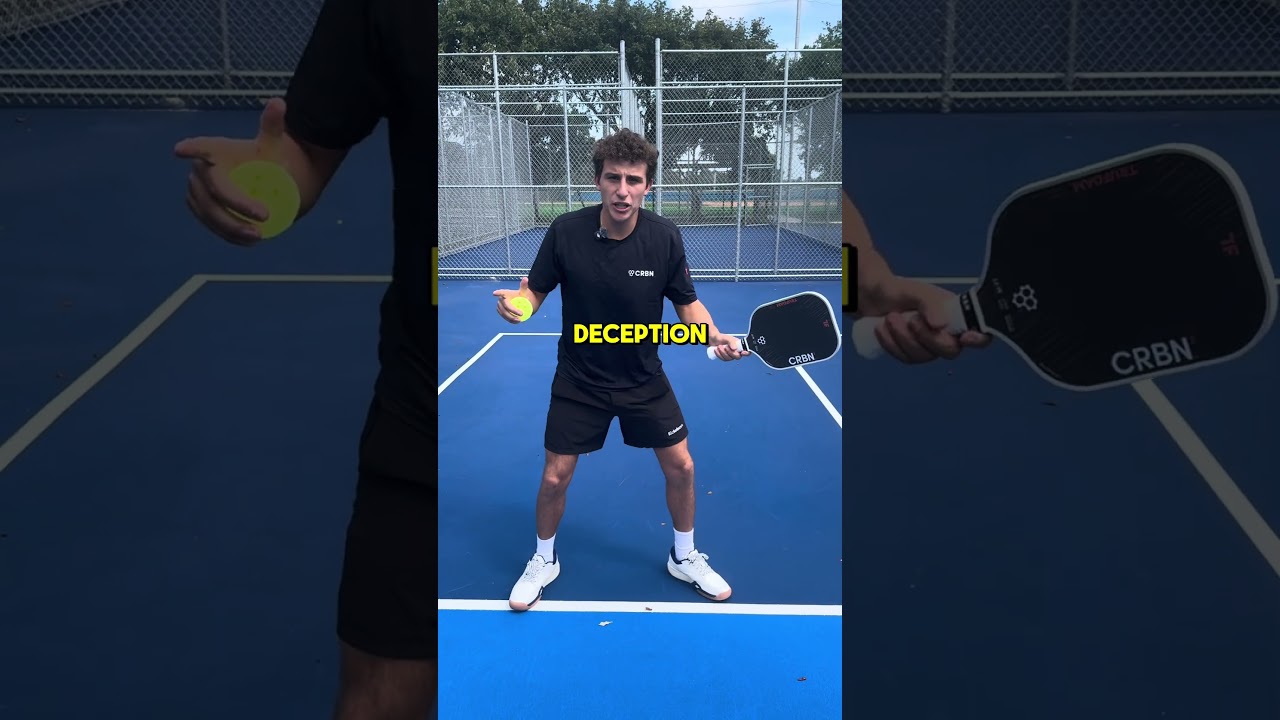
How to Fix Your Drop Mid-Match: Third Shot Drop Skill Levels Pickleball Troubleshooting
Every player has sessions where the drop just isn't there. It's happening at every level. The question is what you do about it mid-match.
For 3.0 players: if your drop is netting repeatedly, widen your arc. The instinct is to hit harder; the fix is actually to swing higher and let the ball carry.
Slowing your pace and opening your paddle face are the fastest adjustments.
For 3.5 players: if placement is off, default to the middle.
A middle drop is harder to attack than a drop that goes wide because neither opponent has a clean angle.
Playing through your partner and targeting the center of the kitchen reduces attack angles.
For 4.0 players: if the drop is giving up attackable balls, check your contact point. You're probably contacting the ball too high.
Getting lower, bending your knees, and catching the ball earlier in its trajectory restores the angle you need.
Watching pro players respond to the perfect drop can also help recalibrate your standard.
 The Dink Media Team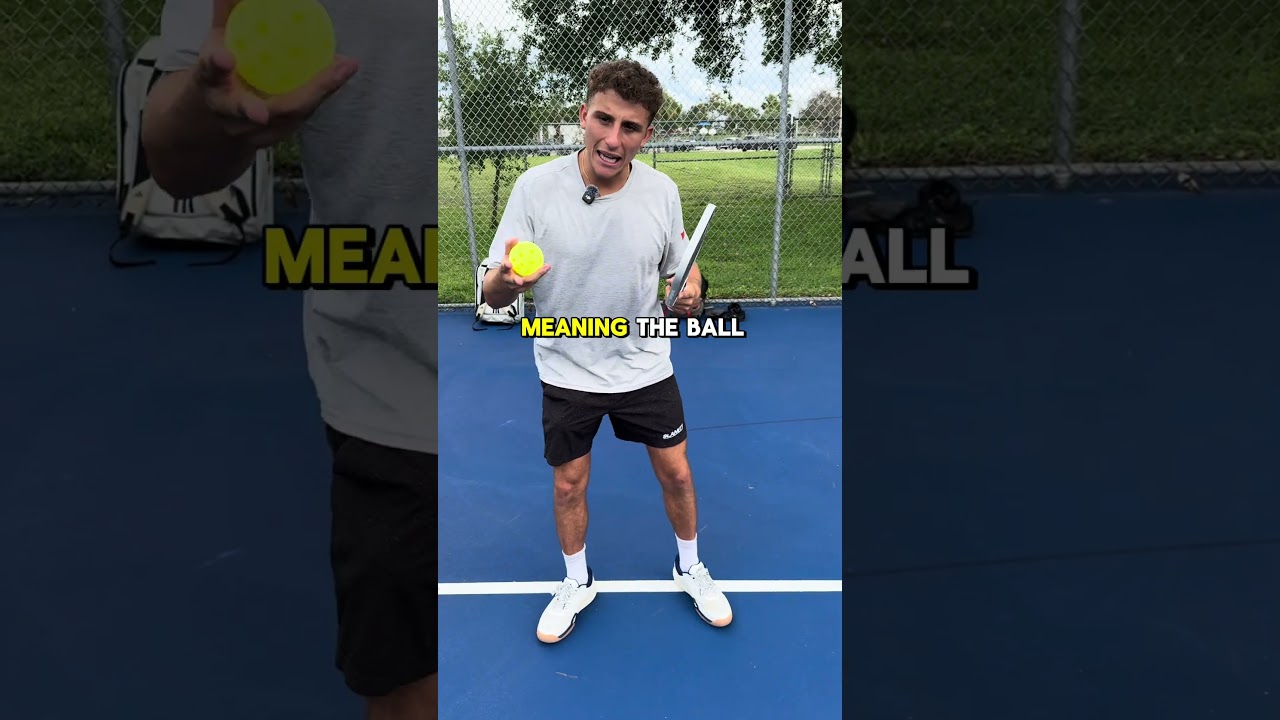
Key Takeaways
- Third shot drop skill levels pickleball training must match your actual rating, not the next one up.
- At 3.0: prioritize consistency and forward movement after the drop. Get the ball in the kitchen.
- At 3.5: add placement (front third of kitchen) and start reading drive vs. drop decisions.
- At 4.0: layer in backspin, disguise, and recovery positioning. The drop becomes a tool for controlling the whole rally.
- Spin is a 4.0 mechanic. Don't rush it. Build the flat drop first.
- Drilling in game-speed contexts beats static feeding for retention at all levels.
- The drop doesn't plateau. It evolves every time your game does.
Frequently Asked Questions
What is the third shot drop skill levels pickleball players should target by rating?
At 3.0, the target is consistent kitchen landings with forward movement. At 3.5, the target is front-kitchen placement and intelligent drive vs. drop decisions. At 4.0, the target is spin variation, disguise, and recovery positioning built into every rep. Each level adds complexity to the same fundamental shot.
Why is the third shot drop so important in pickleball?
The third shot drop gives the serving team time to advance from the baseline to the kitchen line, shifting control of the rally from the returning team to the serving team. Without a reliable drop, the serving team stays pinned back and is forced to play defense from a disadvantaged position. It's the shot that defines who controls the kitchen.
Should a 3.0 pickleball player use spin on their third shot drop?
Not yet. Backspin and topspin on the drop require solid mechanics and consistent contact first. At 3.0, adding spin before you have a reliable flat drop just introduces more variables and more errors. Build the flat version first. Spin becomes a priority once you're consistently landing in the kitchen at 3.5 and above.
How many third shot drops should land in the kitchen during practice?
A realistic target under controlled drill conditions is 70-80% for 3.5 players and 85-90%+ for 4.0 players. For 3.0 players, 50% in drills is a solid starting benchmark. In live play, expect your success rate to drop by 10-20% due to movement and pressure. Solo pickleball drills can help you build baseline numbers before applying them in rallies.
What is the biggest difference between a 3.5 and 4.0 third shot drop?
Disguise and spin. A 3.5 drop is consistent and often well-placed, but the motion is readable. A 4.0 drop looks identical to a drive in the preparation phase, then softens into the kitchen. That unpredictability makes the drop much harder to attack and forces opponents to wait before they can commit to a position.

Love Pickleball? Join 100k+ readers for free weekly tips, news & gear deals.
Subscribe to The Dink