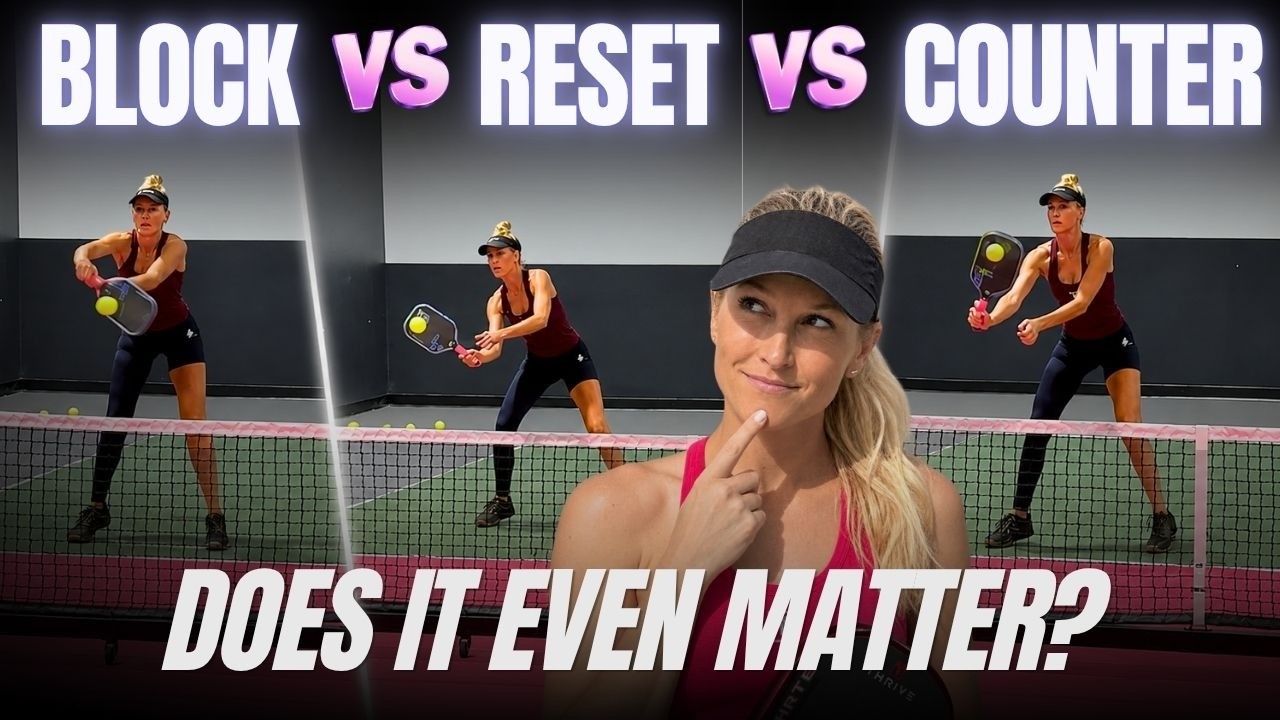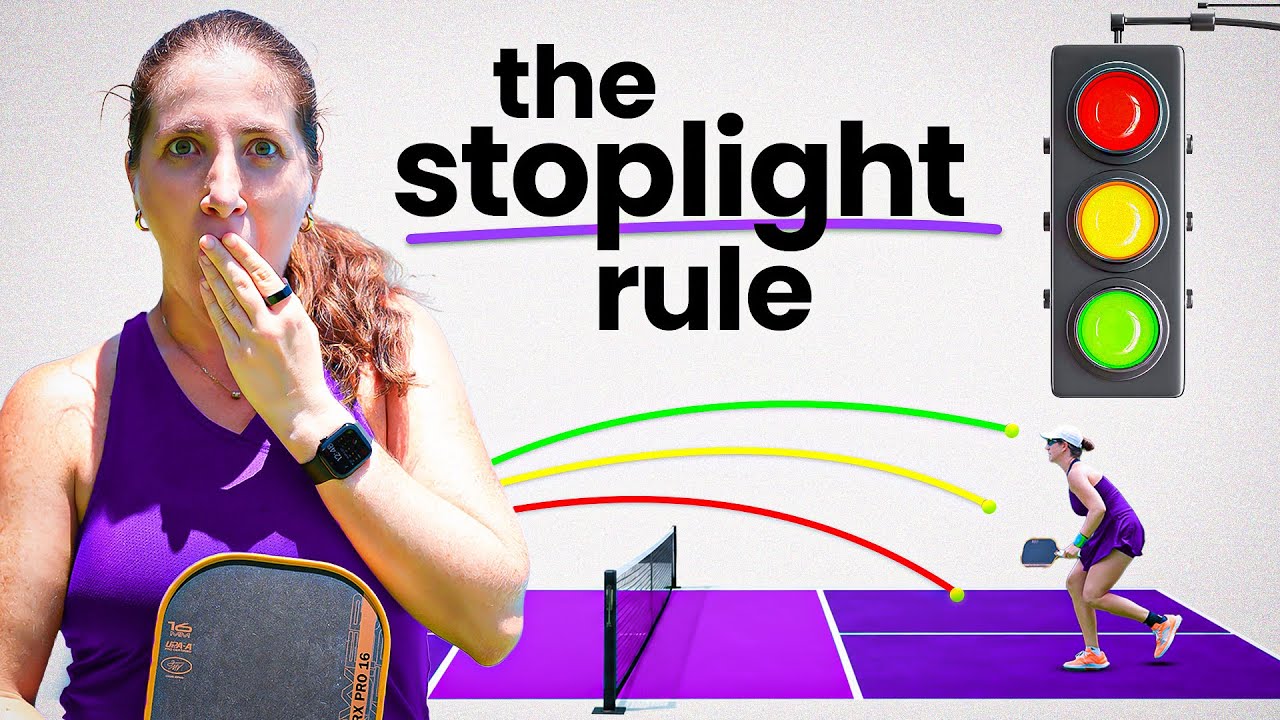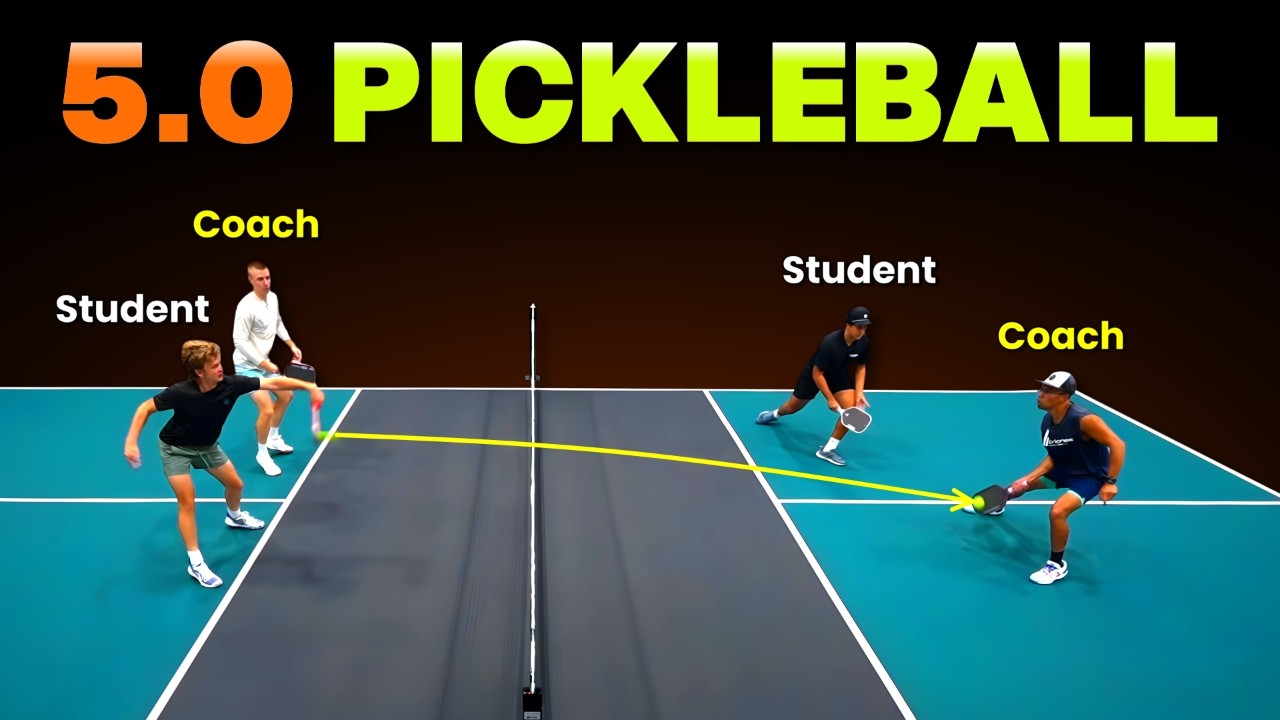

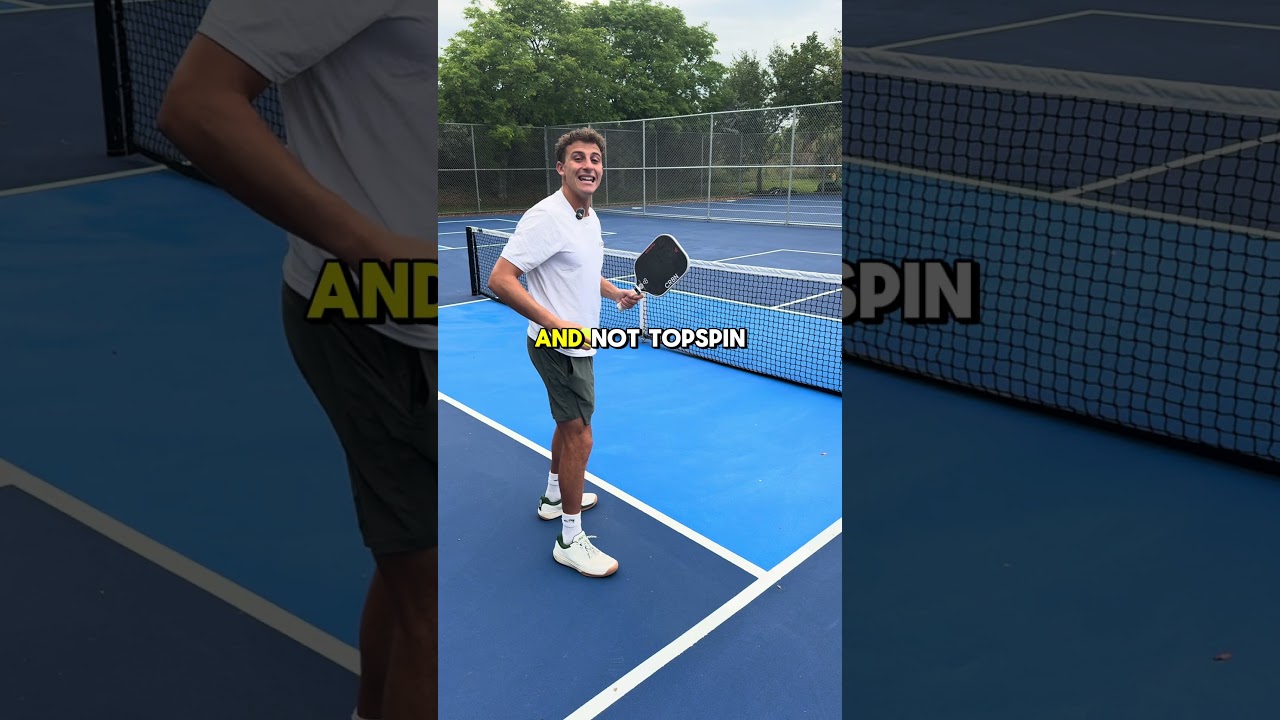
Most players get the two-handed backhand dink, third shot drop, and midcourt reset wrong in the exact same way. These three pickleball tips fix all of it fast.
If you keep struggling with your two-handed backhand dink, your third shot drop, or your midcourt reset, you are not alone.
These three shots break down for most players in the exact same way, and the fixes are simpler than you think.
The mistakes are almost always mechanical, and they all come from bad habits that feel natural at first.
Once you understand what you are doing wrong, the corrections click fast.
These tips come straight from Tanner Tomassi on YouTube, who broke all three down in under 60 seconds with sharp, practical cues you can take onto the court today.
Love pickleball? Then you'll love our free newsletter. We send the latest news, tips, and highlights for free each week.
The Two-Handed Backhand Dink: Stop Flicking Your Wrists
The most common mistake players make on the two-handed backhand dink is trying to generate spin with their wrists.
It feels like the right move, but it creates inconsistency, pop-ups, and a loss of control every time.
The correct cue is simple: hit sidespin around the ball, not topspin over it. You do this with your shoulders, not your hands.
Think of it as a rotational movement where your whole upper body comes around the ball.
Your wrists stay relatively quiet. The spin comes from the path your shoulders drive through contact.
This is the pickleball tip that pays off fastest, because the same shoulder-driven motion shows up in every soft shot you hit from the kitchen line.
Pros have been leaning harder into shaped dinks ever since professional pickleball players abandoned the slice shot in 2025.
Why Does Sidespin Work Better Than Topspin Here?
Topspin on a dink requires precise timing and a steep swing path that most players cannot execute consistently in a fast-paced dinking exchange.
Sidespin is more forgiving because the contact window is wider.
It also produces a lower, skidding ball that is harder for your opponent to attack. A topspin dink that goes slightly wrong tends to float.
A sidespin dink that goes slightly wrong still stays low.
 Zoey Weil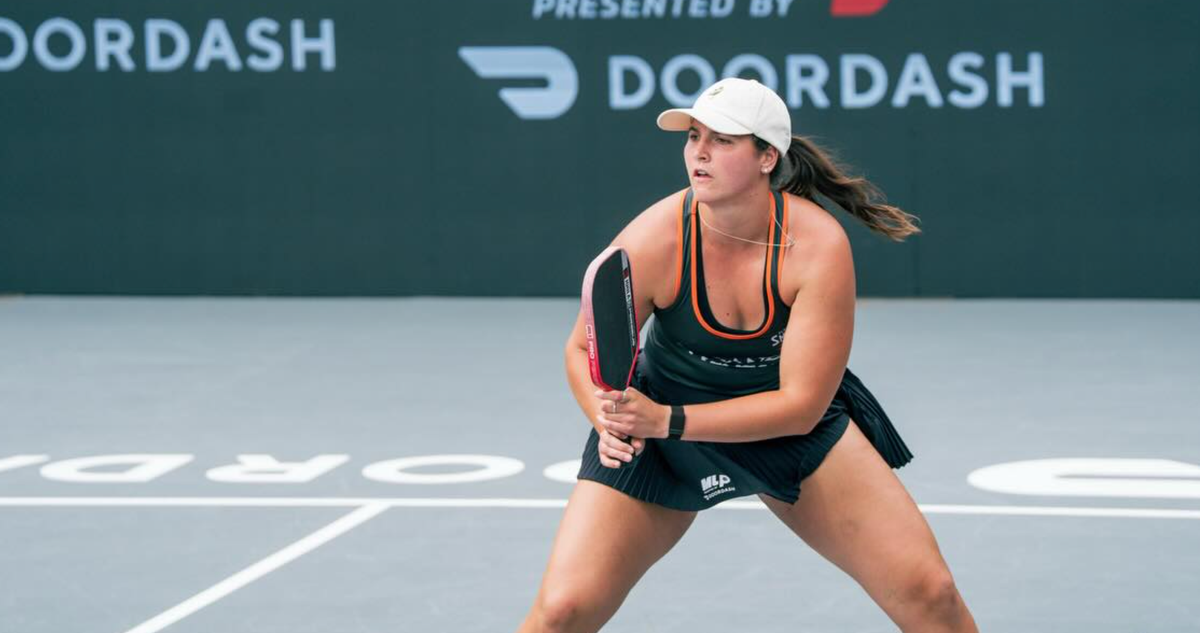
Here is a simple breakdown of what the two-handed backhand dink should feel like:
- Set up early with both hands on the paddle
- Keep your elbows slightly bent and away from your body
- Initiate the swing with your lead shoulder, not your wrists
- Come around the outside of the ball, not up and over it
- Finish with your shoulders rotated through, paddle face staying relatively flat
If you want to go deeper on this shot, this breakdown on the two-handed backhand dink covers the pro-level fixes in detail.
The Third Shot Drop: You Are Making Contact Too Early
The third shot drop is one of the most important shots in pickleball, and most players make contact with the ball at exactly the wrong moment.
They hit it while it is still rising after the bounce.
That is a mistake. When the ball is rising, it is hard, fast, and loaded with energy. You are fighting the ball instead of working with it.
The correct contact point is after the apex, when the ball has peaked and just begun to drop.
At that moment, the ball has slowed down, softened slightly, and become far easier to control into the kitchen.
Treat this pickleball tip as non-negotiable if you want to build a reliable soft game.
It sits right alongside the 6 essential pickleball shots to master for 2026 that separate a stuck 3.5 from a rising 4.0.
 The Dink Media Team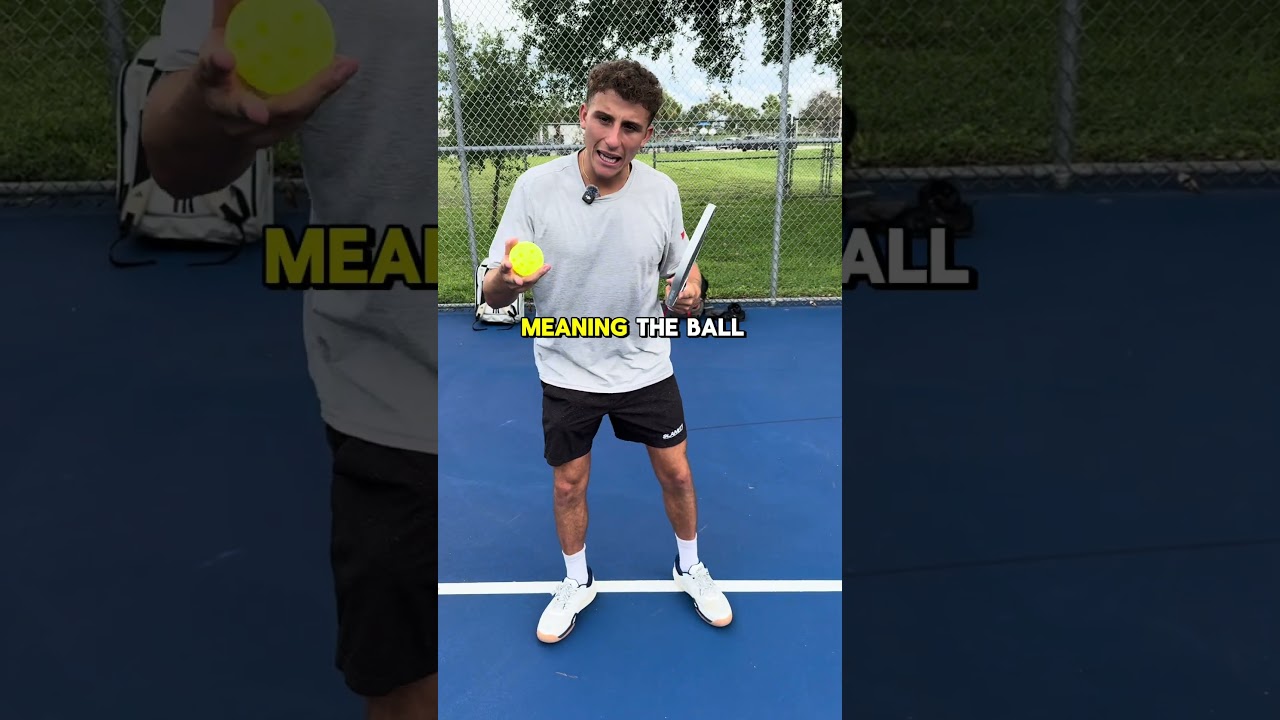
What Happens When You Hit a Rising Ball on the Drop?
You get a result that is either too hard or too high.
The pace coming off the opponent's return transfers directly into your shot, and unless your technique is perfect, that energy pushes the ball long or pops it up into an attackable height.
Waiting for the ball to drop is not passive play. It is smart timing that gives you far more control over pace, angle, and depth.
Here is the step-by-step approach to fixing your contact point on the third shot:
- Watch the ball off your opponent's paddle and track it all the way to the bounce
- Let it rise fully, resisting the urge to swing early
- Wait until it peaks and starts its downward path
- Make contact with a soft, forward swing, keeping your paddle face open enough to produce the arc you need
- Finish low, guiding the ball over the net with minimal pace
For more on perfecting placement on this shot, these third shot drop fixes address the most common errors at every skill level.
The apex principle also applies to your drop from the forehand side. This piece on the apex fix explains exactly why the contact point changes everything on that shot.
 The Dink Media Team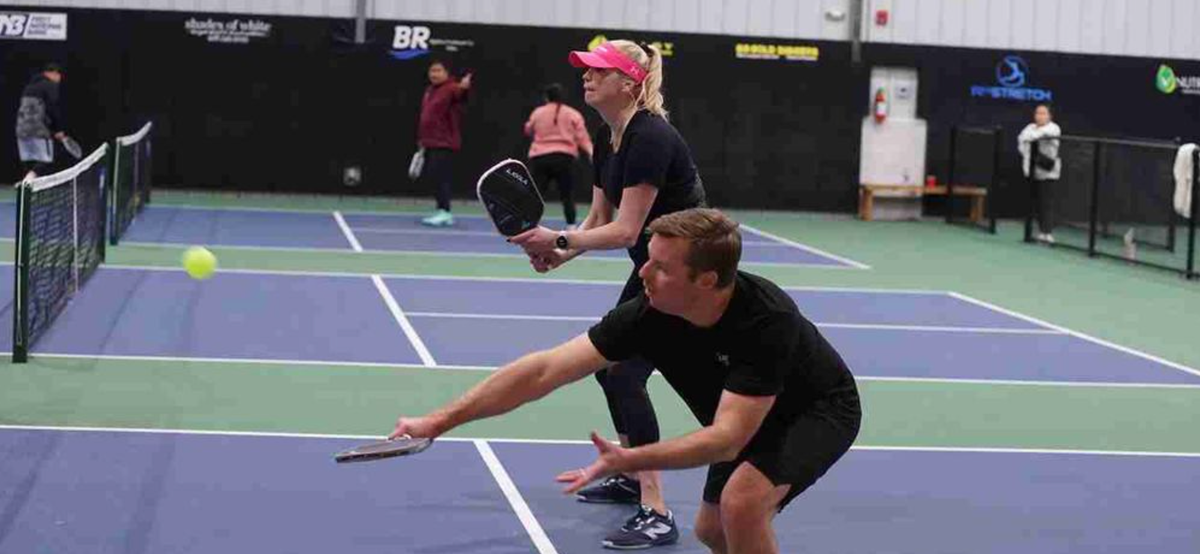
Why Timing the Drop Shot Matters More Than Technique
Most players obsess over their paddle angle, their grip, or their swing path on the third shot drop. Those things matter, but if your timing is off, none of it works.
The players who drop consistently well are not necessarily more technically gifted. They are more patient.
They train themselves to wait, and that patience is what separates a reliable drop from a ball that keeps getting attacked.
Gear can help, but timing comes first, which is worth remembering when you read what happened after top reviewers gave their 2026 paddle predictions.
If you want to understand when to drop versus when to drive, this three-zone system makes that decision far simpler.
 The Dink Media Team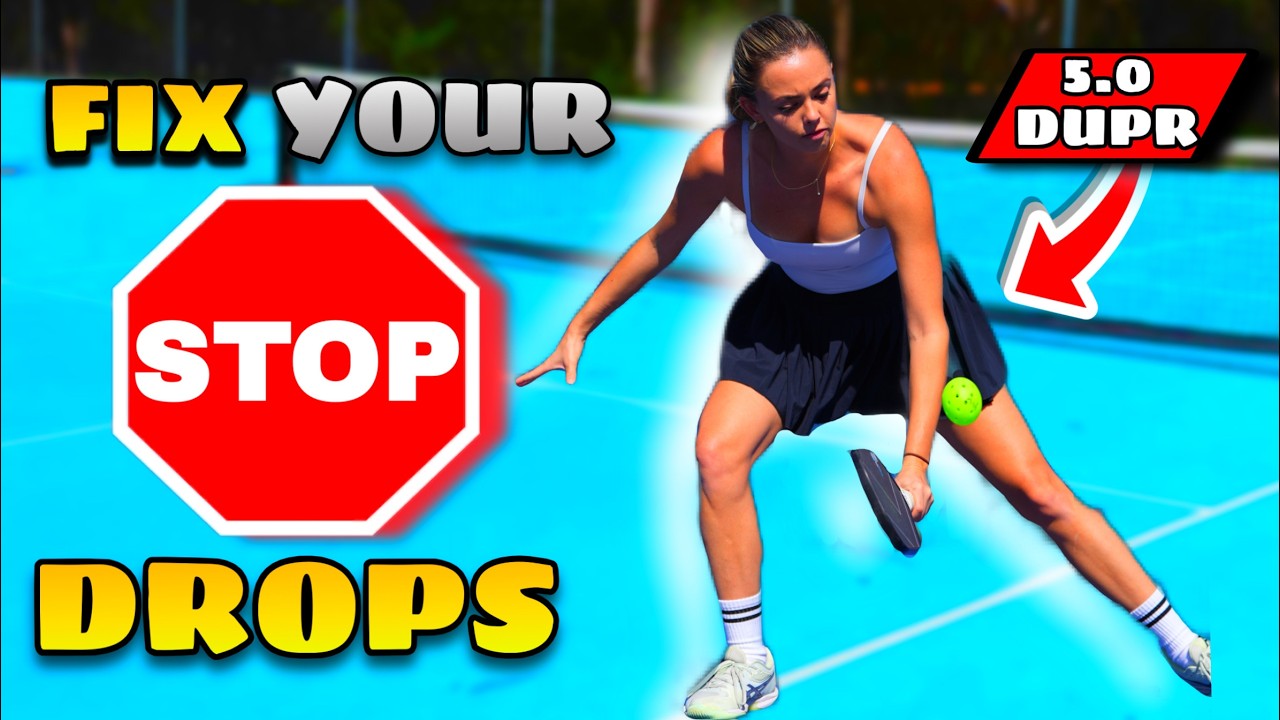
The Midcourt Reset: Absorb, Don't Chase
The midcourt reset is the shot most players rush, tighten up on, or overcomplicate.
When you are stuck in transition and your opponent fires a fast ball at your body or feet, the instinct is to stab at it or push back hard.
Both of those reactions lose the point.
The correct mental image is catching a ball with a glove. You are absorbing pace, not redirecting it.
Your job is to take the energy out of the ball and put it softly back into the kitchen so you can get to the net.
This pickleball tip alone will keep you alive in the transition zone, which is why the reset shows up in the 5 pickleball shots you must master before 2026.
How Do You Actually Absorb Pace on a Reset?
Absorbing pace means your paddle gives slightly at contact.
Your grip softens, your elbow absorbs, and your wrist does not firm up to hit through the ball.
You let the ball push the paddle back a small amount rather than fighting it.
This takes deliberate practice because the reflex when a hard ball is coming at you is to tighten everything and fight back.
That tightness is exactly what causes pop-ups on resets.
Here is what a proper reset feels like when you execute it correctly:
- Relaxed grip pressure at the point of contact
- Paddle face slightly open to guide the ball upward and over the net
- Elbow bending slightly to absorb rather than block rigidly
- No follow-through push, just a soft redirect with controlled direction
- Eyes tracking the ball all the way into the paddle face
The glove analogy from tanner.pickleball is one of the most useful cues out there for this shot. It reframes your entire relationship to pace.
Instead of competing with the ball, you are working with it.
If you want a drill specifically built to train this feeling, the rubber band drill for pickleball resets is one of the best ways to build that soft hands habit in a practice setting.
Pair it with the 12 drills you need to play your best pickleball in 2026 and you have a full practice block.
And if your resets keep popping up no matter what you try, this breakdown of why your reset keeps popping up will show you exactly where the problem is coming from.
The One Pickleball Tip That Ties the Reset to Your Footwork
A reset only works if your feet get you into a stable position first.
Sprinting through the transition zone with your paddle up is how most pop-ups start.
Split-step, get low, and let the ball come to you. Balance buys you the soft hands you are trying to build.
 The Dink Media Team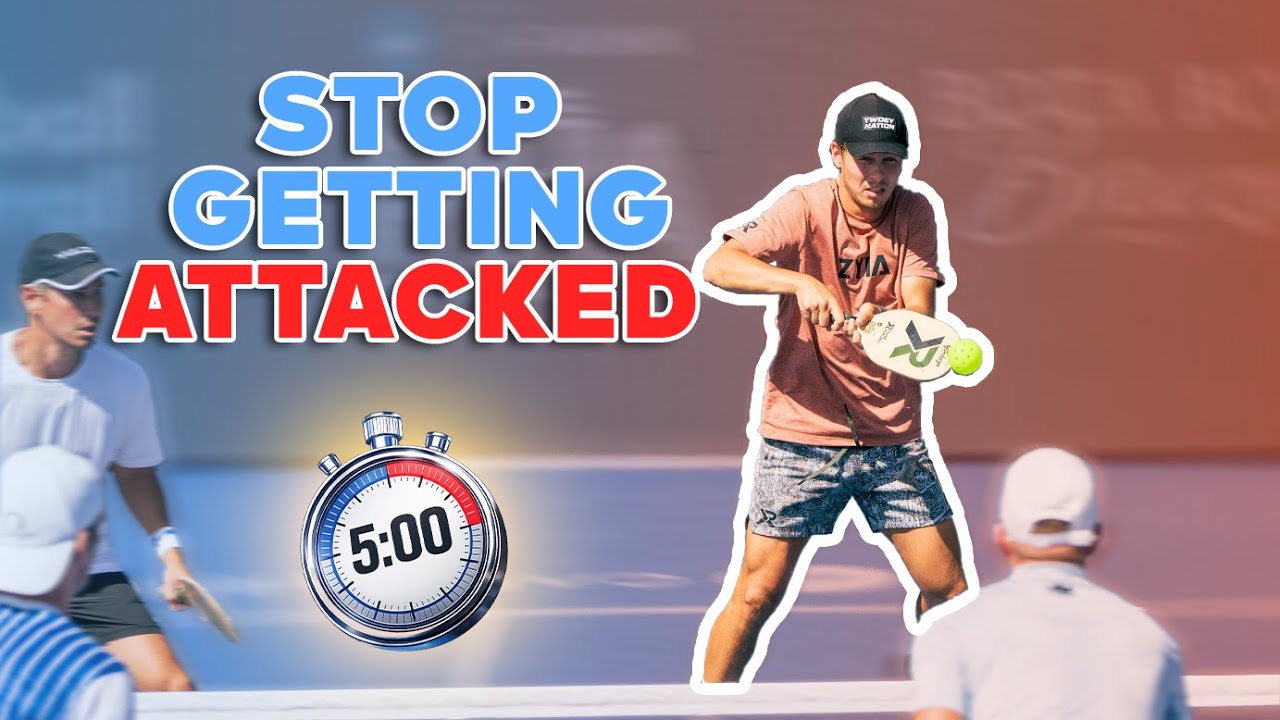
How These Three Shots Connect to Your Overall Game
The dink, the drop, and the reset are not isolated skills. They are the three shots that control the entire flow of a point from baseline to kitchen line.
When your third shot drop is consistent, you get to the net more often.
When your midcourt reset works, you survive the transition zone instead of giving away points there.
When your two-handed backhand dink has real shape on it, your opponents cannot just camp on your backhand side and wait for a pop-up.
Fix all three and you become a genuinely harder player to beat, regardless of your current rating.
These are the shots that separate players who win ugly from players who win clean.
If you want to see how shots like these fit into a broader strategic framework, this three-step formula to win more is a strong place to start.
 The Dink Media Team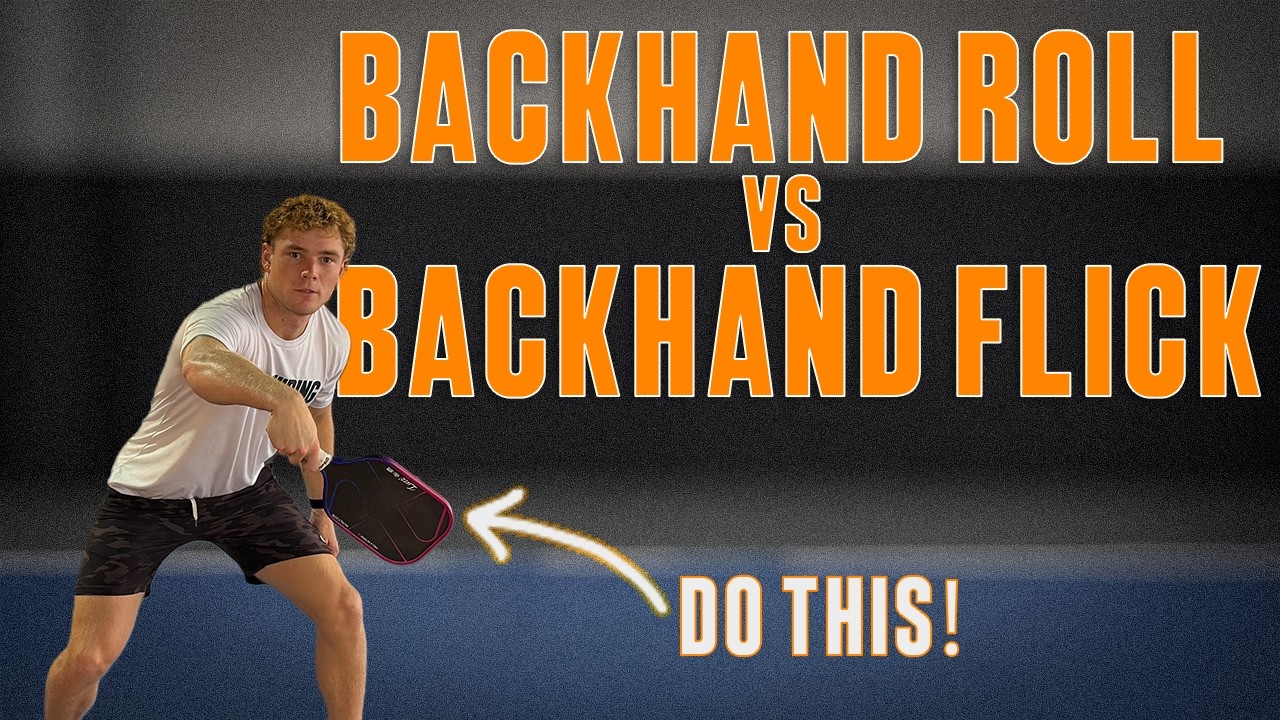
The four key strategies to winning in 2026 build on the same foundation.
It also helps to understand what habits are keeping you from putting these shots together consistently.
These seven pickleball habits that reveal your level are worth reading if you want honest feedback on where your game actually stands.
Worth noting too: the 7 new USAP pickleball rules for 2026 affect how some of these kitchen-line exchanges play out.
 The Dink Media Team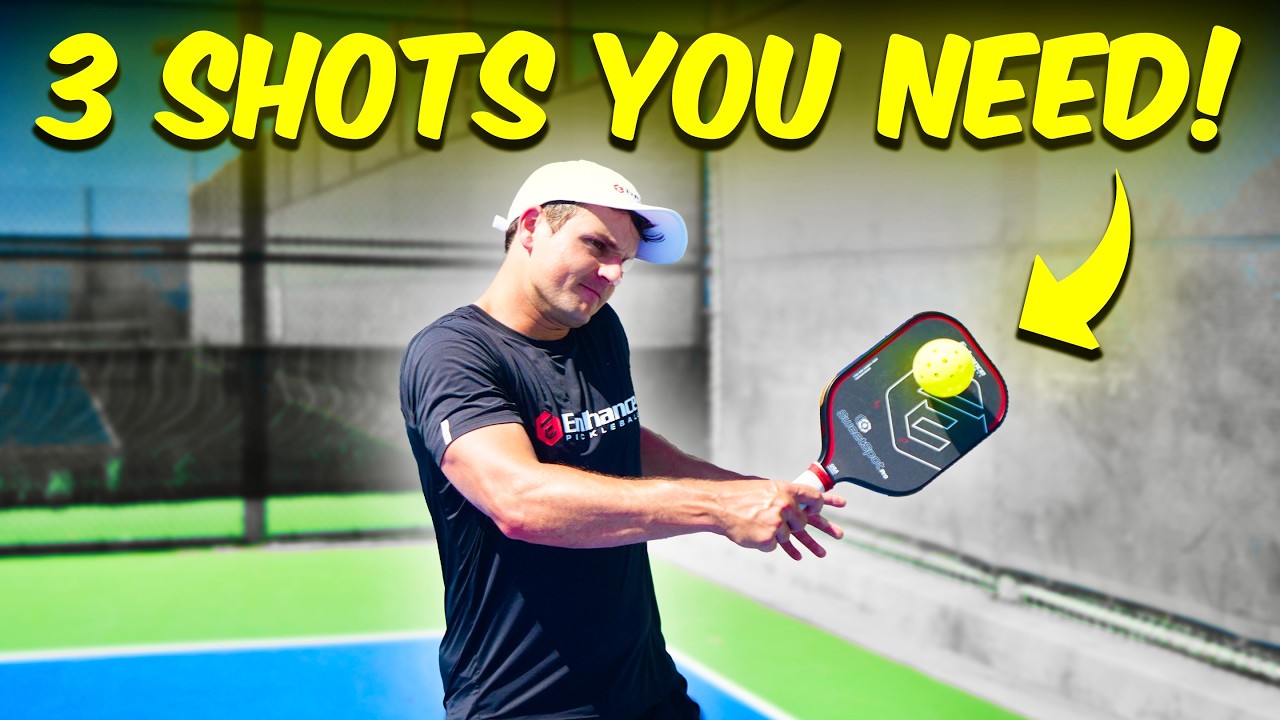
Putting It All Together on the Court
The fastest way to make these fixes stick is to drill each one separately before combining them in live play.
Spend a dedicated session working just on your backhand dink shape.
Spend another session on your third shot contact point.
Work the reset in isolation with a partner feeding fast balls at your body.
Once each piece feels more natural, you will start to see them connect in real games.
The drop gets you to the net, a hard ball comes back, your reset survives it, and now you are dinking from the kitchen with a two-hander that actually has spin on it.
That is the sequence that wins points at every level.
Here are three methods for handling hard shots that will also help you stay composed when the pace picks up in transition.
And if you want to understand how to handle soft shots at your feet in that same zone, this guide covers the tactical side of the transition game as well.
These three tips are not advanced concepts reserved for 4.5 players.
They are foundational fixes that every player at every level can and should be working on right now.
 The Dink Media Team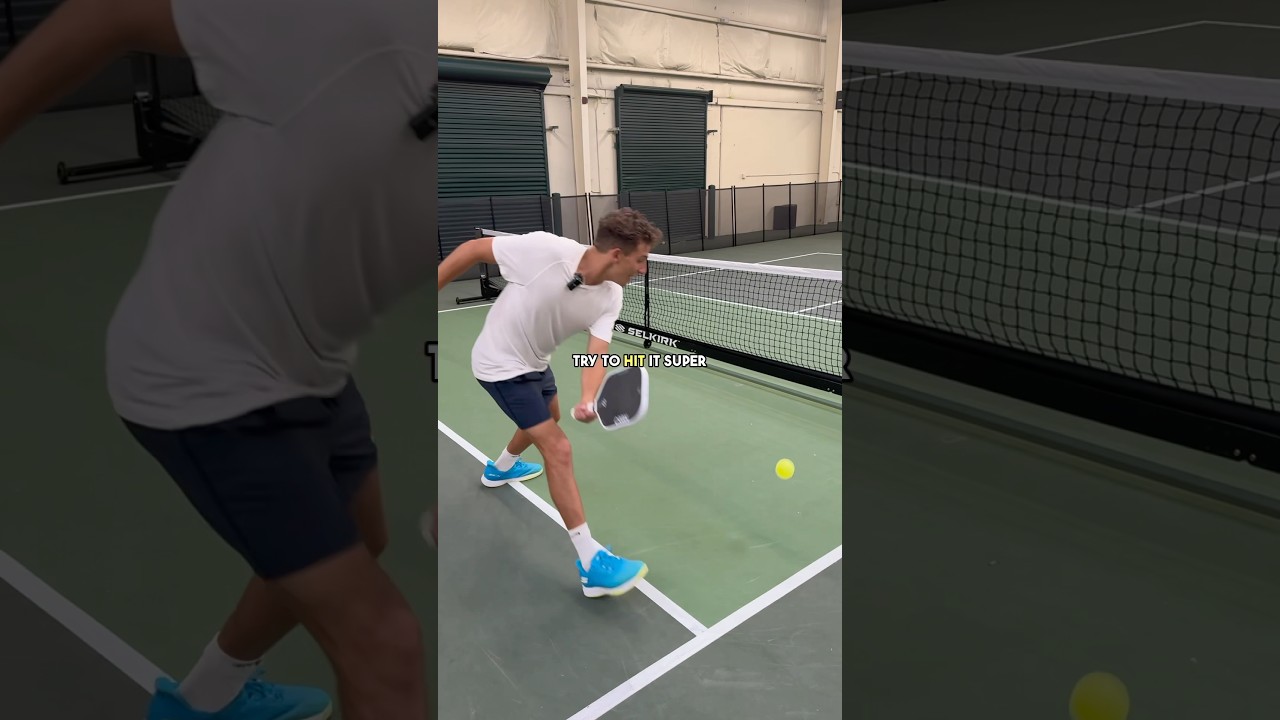
Key Takeaways
- Two-handed backhand dink: generate sidespin with your shoulders, not topspin with your wrists.
- Third shot drop: make contact after the apex, once the ball has peaked and begun to fall.
- Midcourt reset: soften your grip and absorb pace like catching a ball with a glove.
- Each pickleball tip works better when you drill it in isolation before combining all three in live play.
Frequently Asked Questions
What is the correct spin type to use on a two-handed backhand dink?
Sidespin is the correct approach on a two-handed backhand dink. You generate it by coming around the ball with your shoulders rather than flicking your wrists to produce topspin. This creates a lower, harder-to-attack ball and is far more consistent under pressure.
When should you make contact on a third shot drop?
You should make contact after the ball peaks and begins to drop, not while it is still rising. Hitting a rising ball transfers too much pace into your shot and makes it hard to keep the ball low enough to land in the kitchen. Waiting for the drop gives you a slower, more controllable ball to work with.
What does it mean to absorb pace on a pickleball reset?
Absorbing pace means softening your grip and letting your paddle give slightly at contact rather than blocking rigidly or pushing back through the ball. Think of it as catching the ball with a glove rather than hitting it back. This takes the energy out of fast incoming shots and redirects them softly into the kitchen.
Why do my resets keep popping up in the midcourt?
Popped-up resets are almost always caused by a grip that is too tight at contact. When your hand tightens, your paddle face closes or your swing path gets pushed forward, sending the ball up instead of down. Practice consciously relaxing your grip pressure right before contact to fix this pattern.
How do these three shots fit together in a real pickleball point?
The third shot drop gets you from the baseline into the transition zone safely. The midcourt reset keeps you alive when opponents attack during your transition. The backhand dink gives you a controlled, spin-loaded option once you reach the kitchen line.
Together they form the core sequence of how most competitive points are won in doubles pickleball.

Love Pickleball? Join 100k+ readers for free weekly tips, news & gear deals.
Subscribe to The Dink