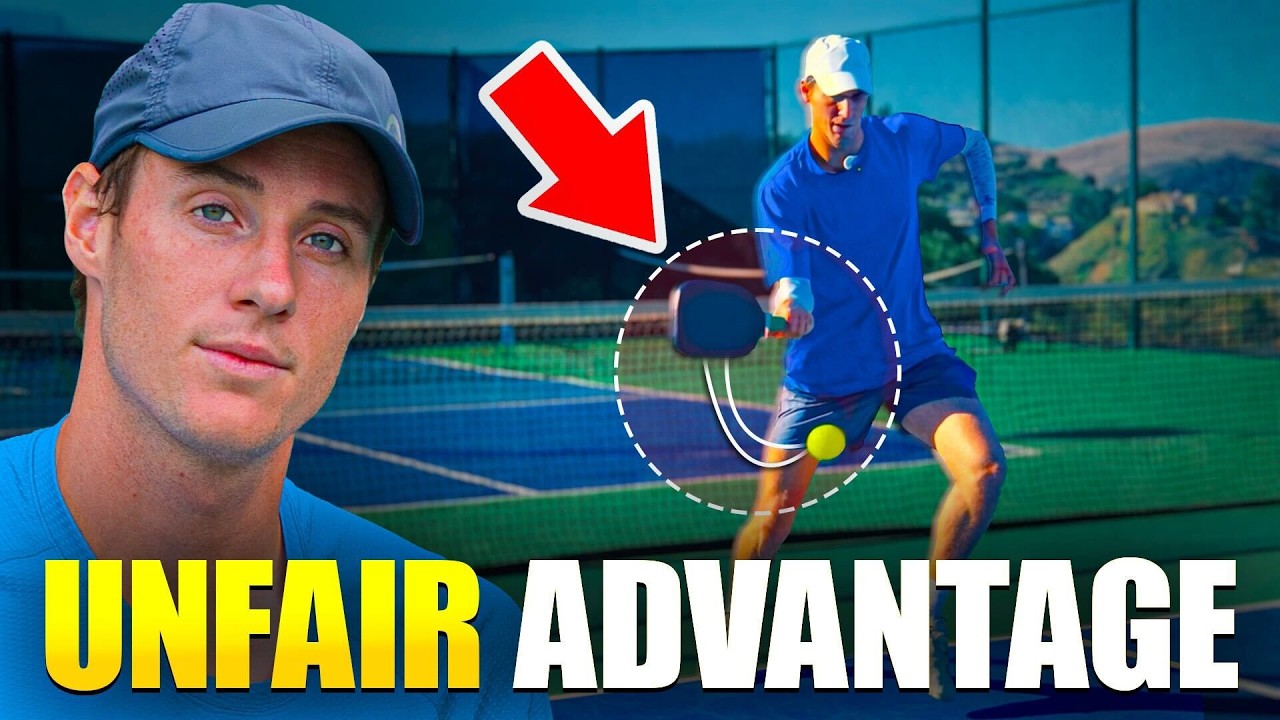
By focusing on these six upgrades, you can build a game that holds up against the faster, more aggressive style of play coming in 2026.
The thing we love most about pickleball is the sport is constantly evolving, especially at higher levels. And if you aren't evolving along with it, you're getting left behind.
PPA pro Roscoe Bellamy recently shared the essential pickleball shot upgrades you need to stay competitive as we head into 2026, focusing on how to handle hotter paddles and more aggressive opponents.
Love pickleball? Then you'll love our email newsletter. We send the latest news, tips, and highlights for free each week.
1. The Two-Handed Backhand Dink
The days of relying solely on a floating slice backhand are over. Bellamy explains that adding a second hand to your backhand dink provides the stability and deception needed at higher levels.
How to Execute This Pickleball Shot
To master this pickleball shot, you need to get your outside leg behind or even around the ball. This positioning allows you to contact the ball right in front of you, making the shot much easier to control.
The secret sauce is leading with your non-dominant arm.
If you're right-handed, your left arm should be doing the work to guide the ball toward your target while your wrists stay locked for maximum stability.
2. The Drip Pickleball Shot
The "Drip" is a hybrid pickleball shot that sits right between a drop and a drive. It is more aggressive than a standard drop but carries less pace than a full drive, usually hit at about 40 to 50 percent power.
The goal is to catch your opponents while they are moving forward. By landing a low, slow-moving ball at their feet, you force a popup and create an immediate opening for your team to take the net.
Setting this up requires a deep serve. The more distance your opponent has to travel to reach the kitchen, the more space you have to play with their feet and execute the shot effectively.
 The Dink Media Team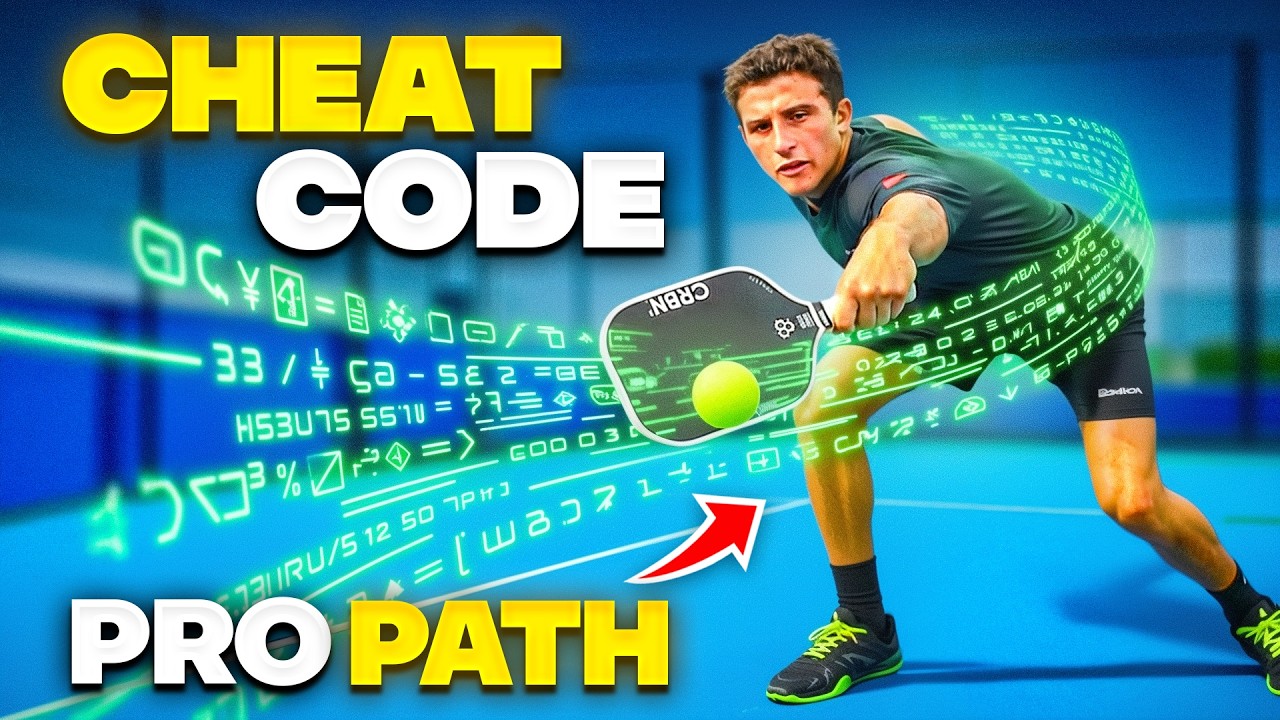
3. The Counter Volley
Staying Ready at the Kitchen Line
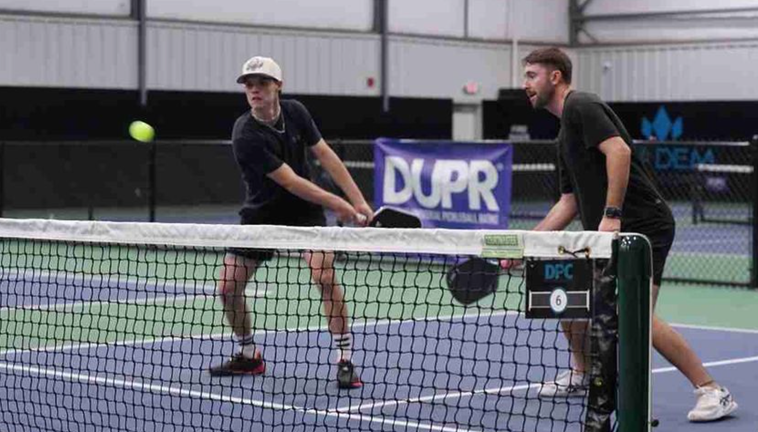
As paddles get more powerful, your ability to reset the point becomes your best defense. A strong counter volley starts with a quiet lower body and a very stable base.
Bellamy suggests using the tracking technique to stay ready. This means tracking the ball with the tip of your paddle after every dink so you are already in position before the attack even happens.
- Keep your legs still to maintain balance during fast exchanges
- Use your non-dominant hand on the paddle for extra stability on backhand counters
- Focus on small, controlled bunts rather than taking big reaction swings
 Luke Burton
4. The Defensive Dead Dink
When you get pulled wide or stretched out, the instinct is often to try a hero shot. Instead, the defensive dead dink is a shallow, soft pickleball shot played toward the middle of the court.
This shot neutralizes aggressive patterns and buys you time to get back to the center. By taking all the pace off the ball, you restart the rally on your own terms.
Open your paddle face and get under the ball to cup it from behind. This simple motion ensures the ball floats just over the net without giving your opponent an easy angle to attack.
Heads up: hundreds of thousands of pickleballers read our free newsletter. Subscribe here for cutting edge strategy, insider news, pro analysis, the latest product innovations and more.
5. The Push Volley Pickleball Shot
The push volley is an underrated pickleball shot for shrinking the kitchen. It allows you to take dinks out of the air that aren't quite high enough to speed up, keeping the pressure on your opponents.
You need a firm grip to stabilize the paddle for this move. By keeping the paddle tip down, you create a reliable lever that lets you redirect the ball without needing a full swing.
This pickleball technique keeps you in a dominant, forward-leaning position at the kitchen line. It prevents you from having to step back and let the ball bounce, which often gives up valuable ground at the kitchen line.
 The Dink Media Team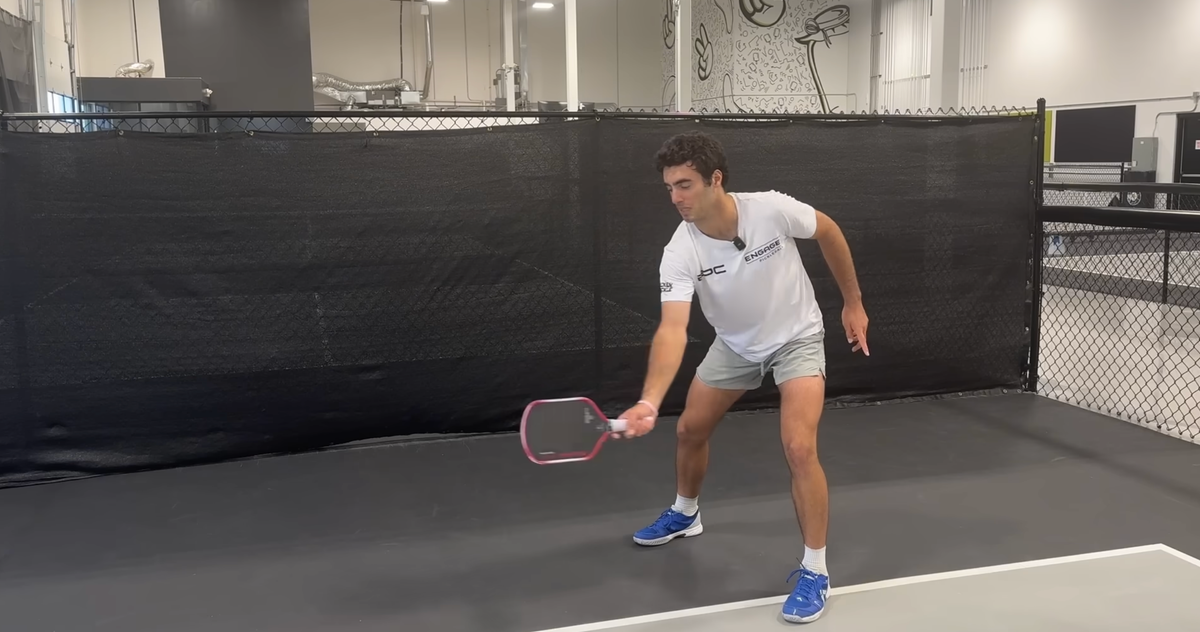
6. The Combo
The era of the one-shot winner is fading as players get better at countering. Now, the focus is on the "combo," where you use an off-the-bounce speedup to set up a putaway on the next ball.
Building the Winning Pickleball Shot Sequence
Don't go for 100 percent power on the first initiation. Aim for vulnerable spots like the "chicken wing" or the backhand hip at about 60 percent pace to force a weak return.
Anticipate the rebound effect to finish the point in advanced pickleball. If you attack crossbody, expect the ball to come back in that same general direction, allowing you to get your paddle there early for the final blow.
Frequently Asked Questions
What Makes the Two-Handed Backhand Dink the Best Pickleball Shot for Advanced Players?
The two-handed backhand dink gives you added stability and deception that the one-handed slice simply cannot match at faster speeds. By using your non-dominant arm to guide the shot, your wrists stay locked and your paddle face stays consistent, which is critical against aggressive opponents.
How Do I Know When to Use the Drip Instead of a Standard Third-Shot Drop?
Use the Drip pickleball shot when your opponent is still moving forward and has not yet settled at the kitchen line. Its 40 to 50 percent pace is specifically designed to land at moving feet, forcing a pop-up rather than a controlled reset.
Why Is the Counter Volley Pickleball Shot So Important in 2026?
As paddles become more powerful and attacks get faster, the counter volley is your primary tool for neutralizing firepower without backing off the kitchen line. Mastering small, controlled bunts instead of big reaction swings will keep you stable and in position for the next ball.
How Does the Defensive Dead Dink Help Me Survive Being Stretched Wide?
The defensive dead dink is designed to remove all pace from the ball and redirect it toward the middle of the court, giving you time to recover your position. Rather than attempting a risky hero shot, this pickleball technique resets the rally entirely on your terms.
What Is the Proper Sequence for Executing the Combo in Competitive Pickleball?
Start with an off-the-bounce speedup at 60 percent power, targeting the chicken wing or backhand hip, and then anticipate the return direction to finish with a putaway. The key is not going for a winner on the first ball – the first strike is about creating a weak response that sets up the true winning pickleball shot on the next exchange.
 Eric Roddy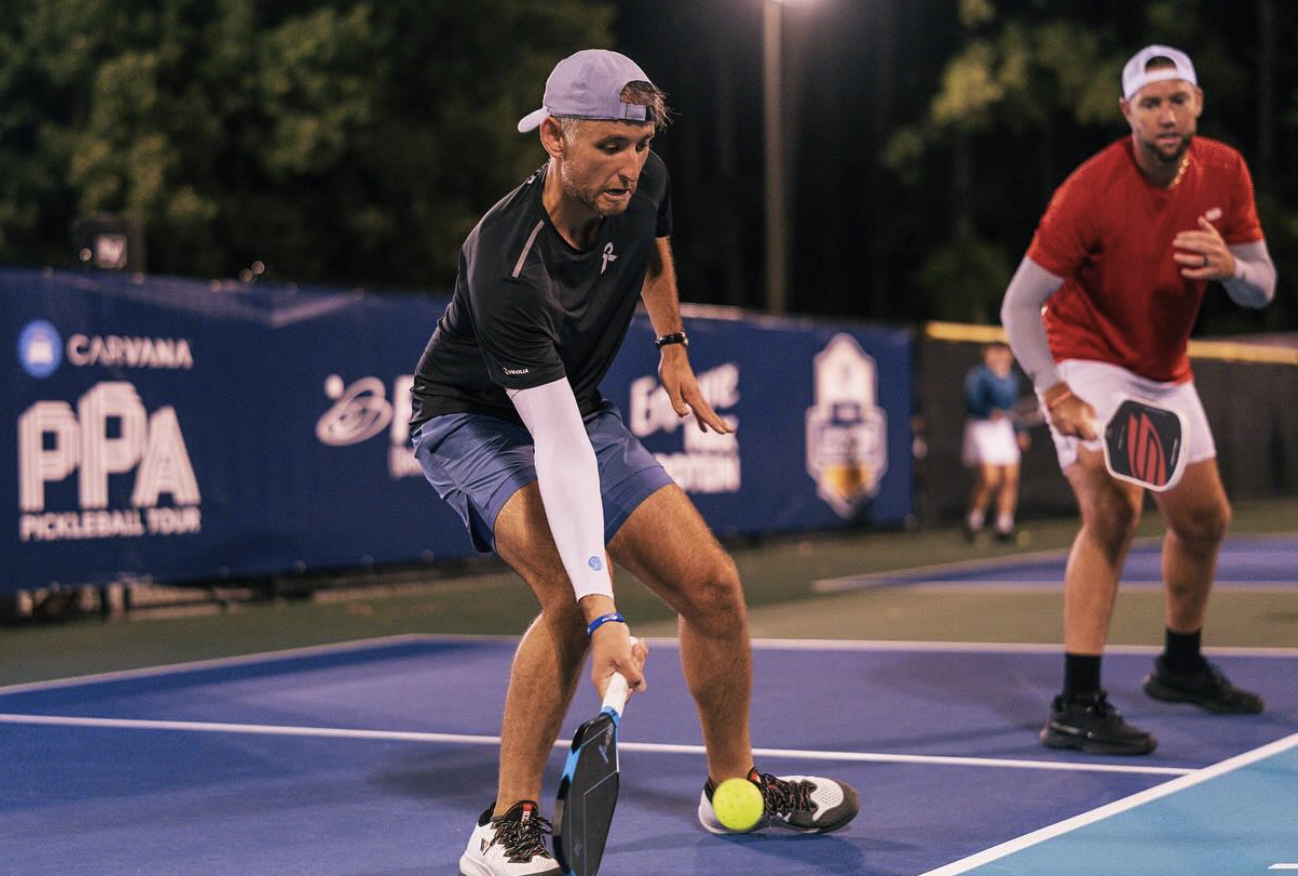
By focusing on these six upgrades, you can build a game that holds up against the faster, more aggressive style of play coming in 2026. It is all about staying ahead of the curve and making sure you have the right pickleball shot for every situation on the court.

Love Pickleball? Join 100k+ readers for free weekly tips, news & gear deals.
Subscribe to The Dink