

5 Pickleball Strategy Tips That Change How You Play Every Point
The best pickleball strategy tip is not a new shot, it is a new way of thinking. These five mindset shifts from a pro coach will change how you approach every point.
You keep adding shots, more spin and more speed, but your results stay exactly the same.
The best pickleball strategy tip you will ever get has nothing to do with adding anything.
It is about thinking better, not hitting harder. Most players chase complexity when they should be chasing clarity.
These five frameworks come from pro player and coach Michael Lloyd on the Pickleball Hub YouTube channel, and they are mindset shifts rather than drills. Let's break down each one so you can use them in your next match.
Love pickleball? Then you'll love our free newsletter. We send the latest news, tips, and highlights for free each week.
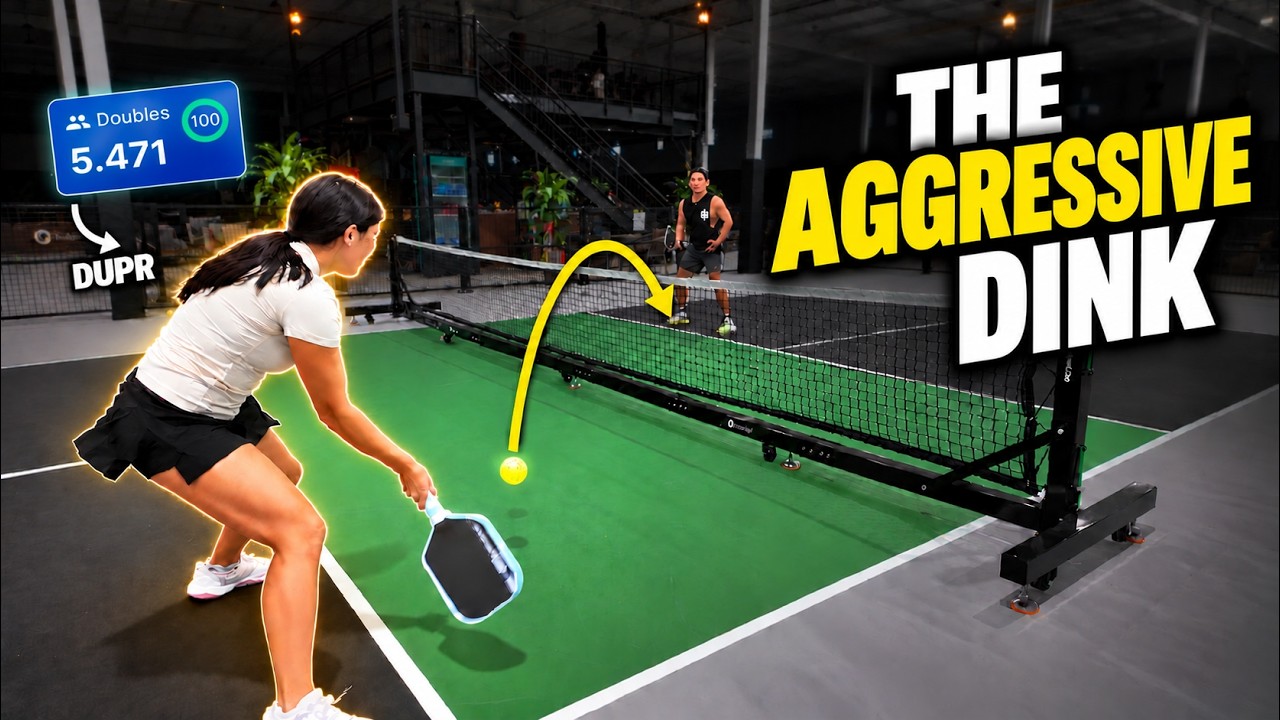
Is Aggression Just Hitting the Ball Harder?
No. Real aggression is pressure, and pressure can come from placement, depth, spin, and court position without any extra pace.
Most players hear "be aggressive" and speed up the wrong ball. That is not aggression, that is being reckless.
Here are the ways you can apply pressure without swinging out of your shoes:
- Aggressive third shot drops: Roll the ball wide or at the player in front of you using plenty of spin and sharp angles.
- Follow your drop forward: If you hit a great drop and stay camped at the baseline, your opponent can hit almost anything and get back to neutral.
- Deep returns: Depth lets you move all the way to the kitchen line, which is a far better offensive position than a hard return that lands short.
- Move them side to side: Never hit to the same spot twice in a row so your opponents always feel off balance.
- Add topspin to your dinks: A topspin roll kicks at your opponent instead of floating up to them.
Court position is a form of pressure too.
When you step forward and stand big in the middle, you become a threat, and sometimes you earn a free point just by being there.
If you want to go deeper on this idea, read playing aggressively without taking bad risks in pickleball. It pairs perfectly with this first framework.
Why Does a Deep Return Beat a Hard Return?
A deep return beats a hard return because it buys you time to reach the kitchen line, and the kitchen line is where points are controlled.
Pro Michael Lloyd makes the point clearly: if you hit hard but the ball lands short and you stay back, your opponents become the aggressors.
Depth plus a step forward is the quiet version of attacking.
Pressure also builds through patience at the net. You can work through dinking with intention to earn your attacks rather than forcing them.
How Do You Humanize Your Opponent?
You humanize your opponent by treating them as a person with strengths, weaknesses, and habits instead of a wall that never misses.
When you panic because someone is hitting great counters, you gather zero information. When you stay curious, you start predicting instead of reacting.
Ask yourself these questions during every match:
- Which side of their body is weaker, forehand or backhand?
- Do they struggle with low balls, fast balls, or balls at their hip?
- Are they better at one skill that suggests a weakness elsewhere?
- Is their partner the easier target?
If someone is great at leaning forward to take balls out of the air, they are probably not as good at retreating to cover a lob.
If someone loves to bang and drive, the soft game may be their weakness.
This works for the whole team too.
In mixed doubles, many amateurs automatically hit to the woman, but the man might be the weaker link that day, so explore both sides before you decide.
Learning to spot a weak side is a skill all on its own, and 3 ways to start reading your opponent's weak side is a great place to start.
You can also target the middle in pickleball doubles to create confusion between partners.
One last piece of this framework: everyone has bad stretches.
Even if an opponent wins four points in a row, stay patient and give them time to come back down to earth.
 The Dink Media Team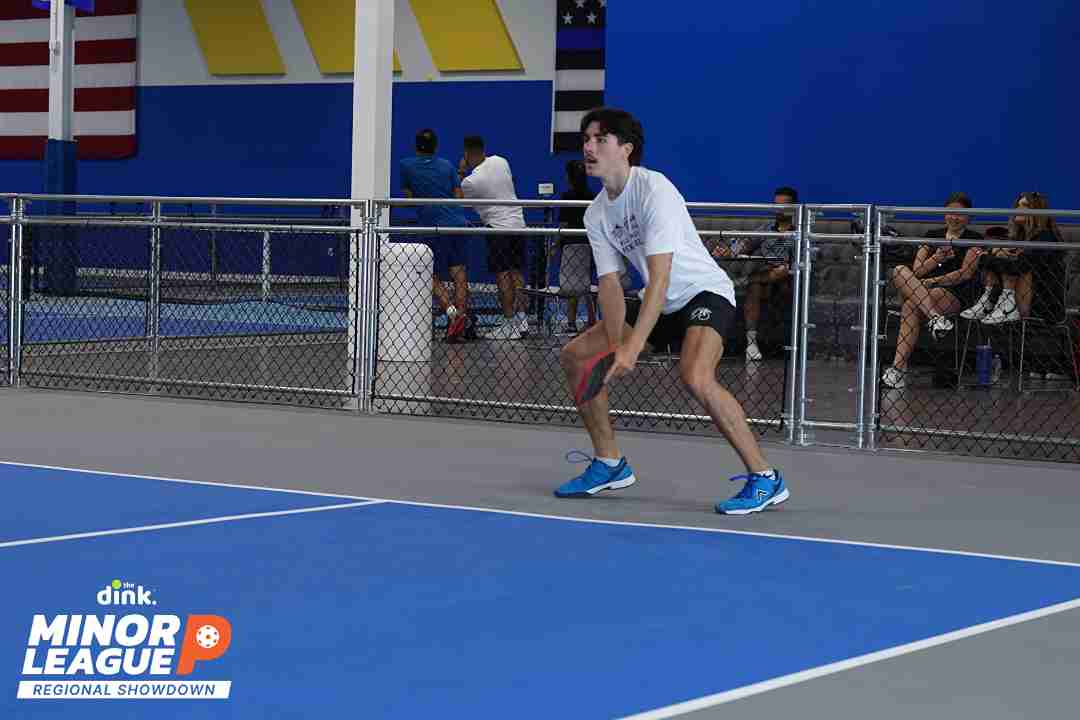
Are Most Points Really Decided in the First Five Shots?
Yes, most points are decided in the first five shots: the serve, return, third, fourth, and fifth.
By the time you reach the kitchen line, the point has often already been won or lost.
A short serve puts you on defense. A weak return gives them the kitchen line, and a poor third shot leaves you stuck at the baseline.
You do not need better dinks, you need better starts to the point.
That also means your practice time should include more baseline and transition zone work than most players give it.
Here is what each of the early shots is really for:
- Serve: Go deep and move your opponent around to set up a harder return and an easier third.
- Return: Hit it deep and follow it forward to the kitchen line.
- Third shot: Give yourself margin with plenty of air under the ball, and pick between a drop and a drive based on the return you get.
- Fourth shot: This is not a ball you should miss. Your job is to stay on offense, not to overplay.
- Fifth shot: This is your first real chance to either attack or get established at the line.
Pay attention to how you hit the third.
If you drive it, your partner knows a fast ball could come back and can look to poach, but if you drop it, you both just want to move up and get to the line.
One common mistake is being overly aggressive with a short return.
A low, short ball is a free trip to the kitchen, not a chance to drive from behind your body.
If your thirds keep popping up, check out why your third shot drop pops up and how to fix it.
You can also study the third shot drive to fifth shot drop combo for a clean sequence that works.
Returns matter just as much as serves, so return of serve placement is worth a read.
 The Dink Media Team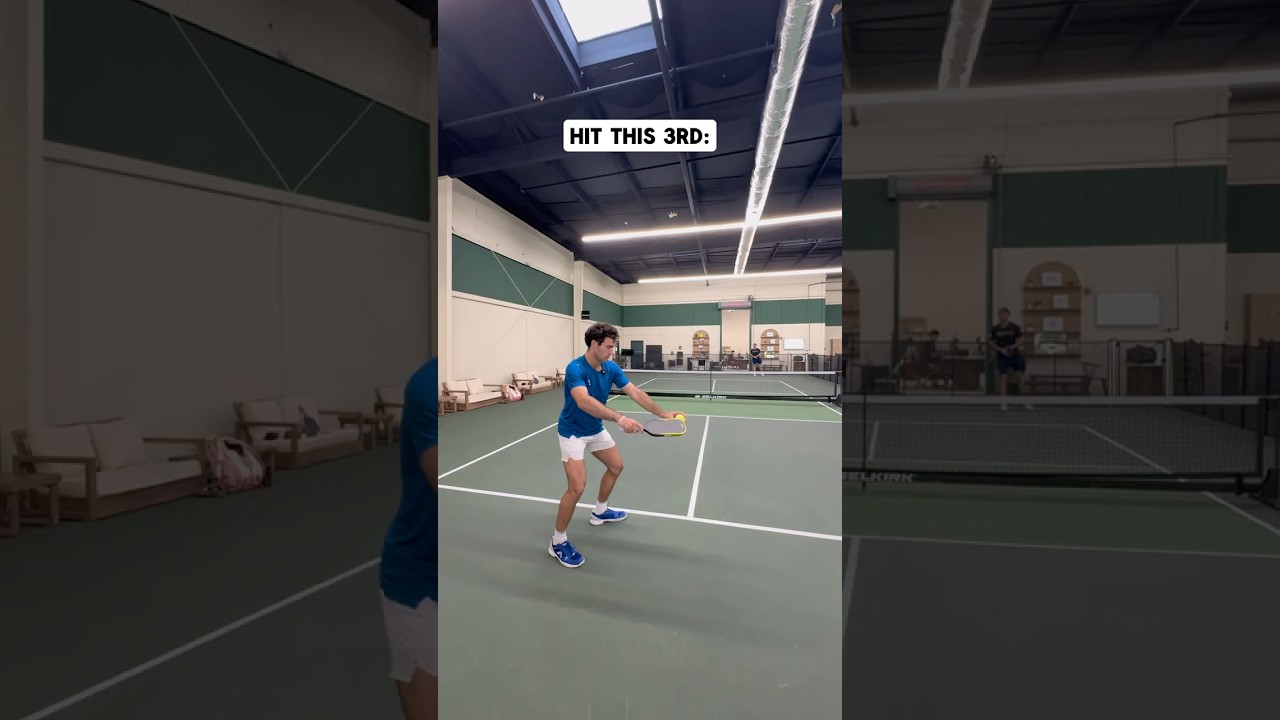
How Should Your Practice Change as You Improve?
Your practice should evolve with your skill level: beginners need repetition and contact, while advanced players need decisions and pressure.
Many players never change how they practice. If you are still doing beginner drills at an intermediate level, you are slowing your own growth.
Here is a simple progression to follow:
- Beginner: Dink cooperatively and count how many you can hit in a row, staying within a foot or two of your partner.
- Intermediate: Use the whole half court and move each other side to side while still being collaborative.
- Advanced: Play live points with four players, specific rules, and real variables that mirror match play.
Beginners should only practice shots they will actually hit. Master your dinks, drops, third shot drives, serves, and returns before you add fancy topspin rolls.
Serves and returns are not the most fun to train, but you hit them every single point. Build the foundation first.
If you need drill ideas at any level, try 5 pickleball practice drills for any skill level. Players stuck at a plateau can also use 5 drills to break through 4.0.
 The Dink Media Team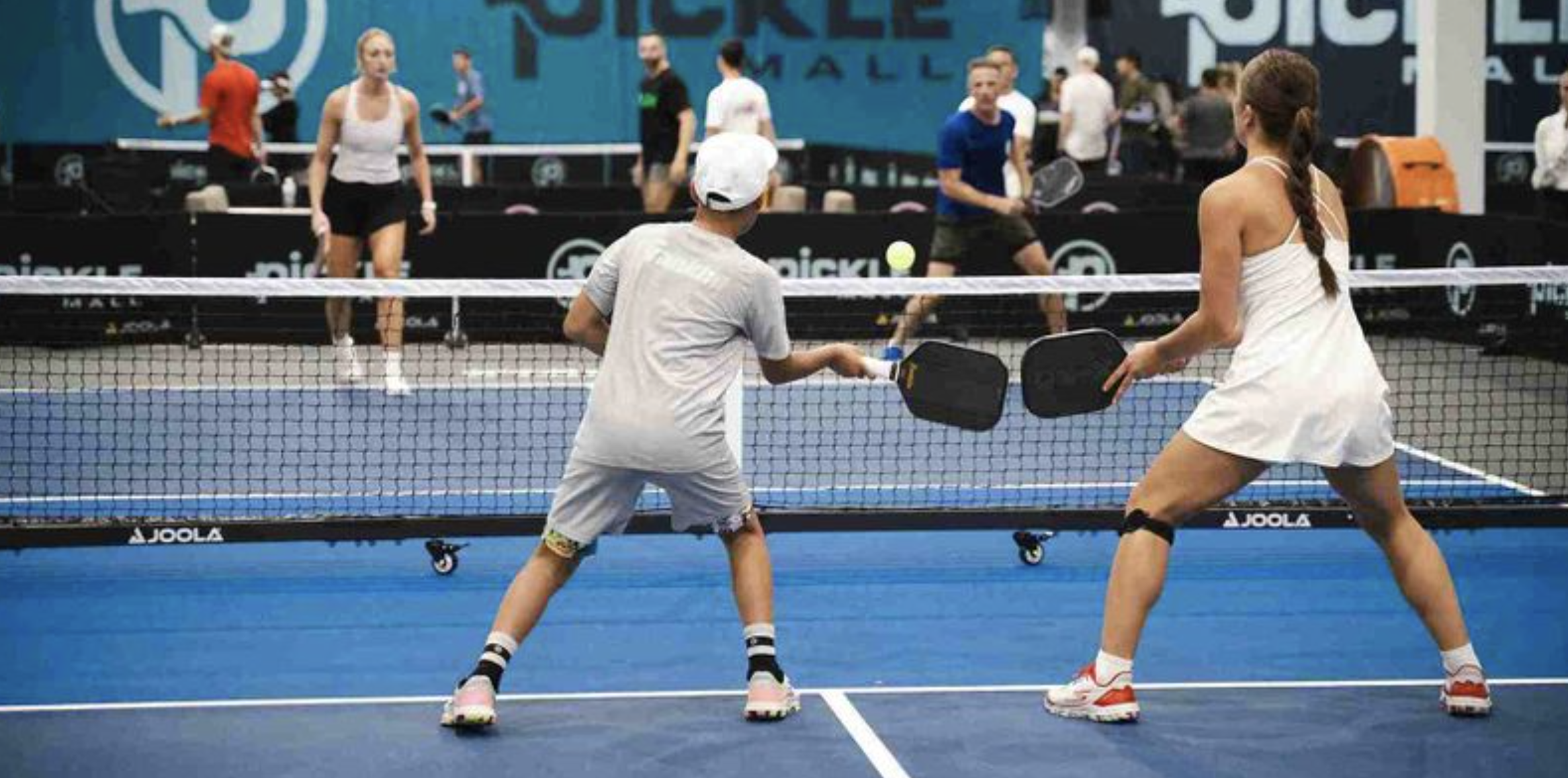
What Is the Difference Between Neutral and Offensive Positioning?
Neutral positioning means you are not in danger but not creating pressure either, while offensive positioning means your court spot forces your opponent to react.
This is a definition worth knowing, because it explains why moving forward after a drop matters so much.
Staying neutral by hanging back lets your opponents dictate the point.
The same concept shows up when you decide when to switch from defense to offense in pickleball. Good players choose the moment instead of forcing it.
 Augustus Ge
How Do You Put All Five Tips Together?
Play every point with intention: apply pressure, read your opponent, win the early shots, and practice the right things.
Start with just one framework in your next session. If you try to change everything at once, you will overthink and lose your feel.
A good order is a deep serve and return first, then placement pressure, then hunting for weaknesses.
The mental side matters here too, and these pickleball IQ tips back up many of these ideas.
When things do not go your way, a calm approach helps.
Understanding the simple reason most players plateau lets you reset without panicking, and knowing when to play safe versus when to attack keeps the next point clean.
Frequently Asked Questions
What is the most important pickleball strategy tip for beginners?
Focus on getting a deep serve and a deep return, then move to the kitchen line. Most points are decided in the first five shots, so a strong start beats fancy shots.
Does being aggressive in pickleball mean hitting the ball harder?
No. Aggression is pressure, which you can create with placement, depth, spin, and moving forward. Speeding up the wrong ball is reckless, not aggressive.
How do I find my opponent's weaknesses in pickleball?
Treat them as a person with habits, not a wall. Test their forehand and backhand, try high and low balls, and explore both partners before settling on a target.
Should I drive or drop on my third shot?
It depends on the return you get. A shorter, lower return is usually a free trip to the kitchen with a drop, while a higher ball gives you a chance to drive with about half power.
How should my pickleball practice change as I get better?
Beginners should focus on cooperative reps and basic shots. Advanced players should play live points with four players and specific rules that mirror real matches.
Love Pickleball? Join 100k+ readers for free weekly tips, news & gear deals.
Subscribe to The Dink