
3 Steps to Master the Pickleball Transition Zone With One Simple Drill
The pickleball transition zone is where most tennis players lose matches before they even know what hit them. This ladder drill fixes the mindset and the movement in one progressive exercise.
If you are coming from tennis, the pickleball transition zone is probably where you are bleeding the most points right now.
You feel comfortable at the baseline. You know how to construct a rally from back there.
The problem is that staying back in pickleball is not a strategy, it is a mistake.
Tennis rewards patience from the baseline. Pickleball punishes it. The player who gets to the non-volley zone first almost always controls the point.
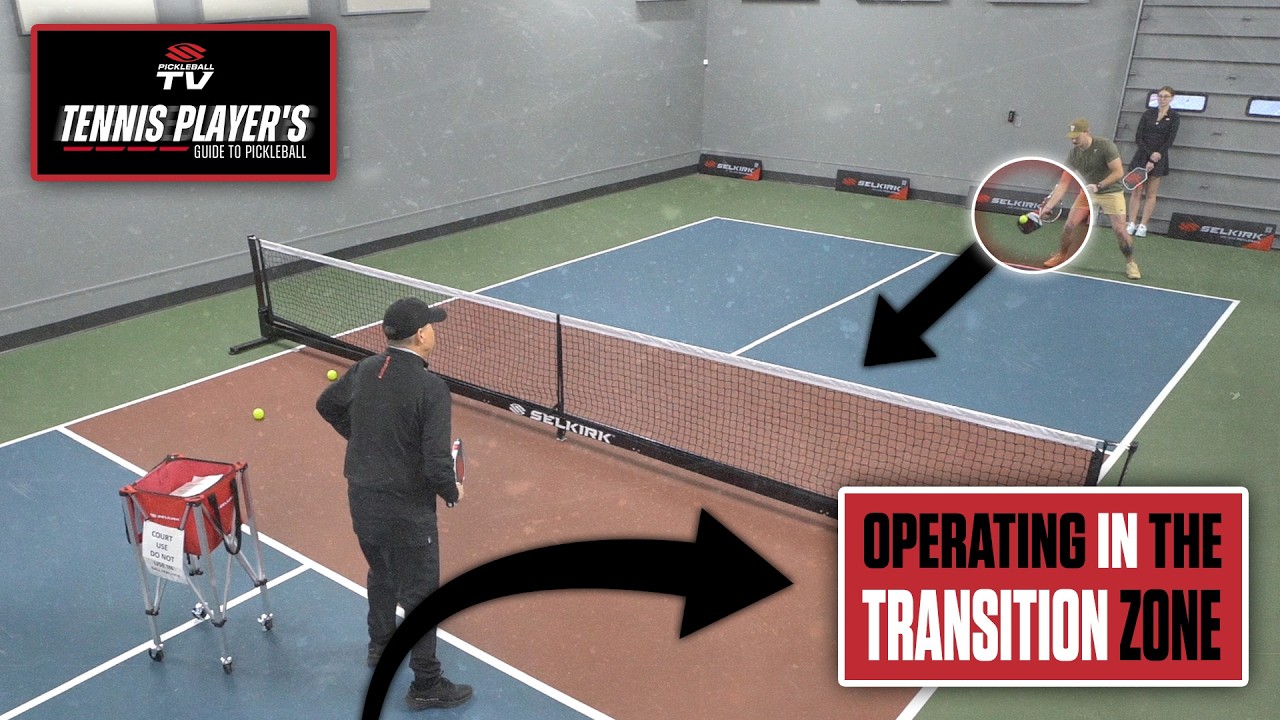
This breakdown comes from Selkirk TV on YouTube, where an instructor walks two students through a progressive ladder drill designed to break the baseline habit and build real comfort moving through the transition zone toward the kitchen line.
Love pickleball? Then you'll love our free newsletter. We send the latest news, tips, and highlights for free each week.
Why the Baseline is a Losing Position in Pickleball
In tennis, the baseline is home. You build points from there, you reset from there, and a much bigger court gives you time to work.
In pickleball, that logic falls apart.
The court is smaller and the non-volley zone is where the real offense lives.
Stay back and you hand your opponent the angles, because you are forced to hit up on almost every ball.
More pop-ups. More easy put-aways for the other side.
The instructor uses a great analogy: the baseline is where you do the prep work, like shopping for groceries and setting the table.
The kitchen line is where you actually eat.
You do not want to spend the whole meal prepping. You want to sit down and finish what you started.
If you have noticed that your tennis habits are hurting your pickleball game, this is the biggest culprit.
The instinct to stay back runs deep, and it takes deliberate drilling to override it.
What Is the Ladder Drill and How Does It Work?
The ladder drill treats the court like rungs on a ladder.
You start at the baseline and work your way forward, hitting a shot and taking a couple of steps closer to the net after each one.
By the fourth ball, the goal is to be somewhere at or near the non-volley zone.
This is not about rushing or sprinting. It is about learning to assess after every shot whether you have earned the right to move forward.
You hit, you evaluate, you move. Then you do it again.
Here is the basic structure of the drill as shown in the video:
- Start at the baseline in an athletic stance with your paddle low and your grip in a continental position.
- Hit the fed ball with a controlled shot, either a reset, a forehand, or a backhand. No big swings. Think 50 to 60 percent pace with a little roll on the ball.
- Take two to three steps forward after contact. Do not freeze. Do not admire your shot. Move.
- Repeat for four balls total, each time inching closer to the kitchen line until you arrive at the non-volley zone ready to finish.
The beauty of this drill is that it builds the habit of forward movement without demanding perfection on any single shot.
You are training your feet and your mindset at the same time.
What Grip and Paddle Position Should You Use?
The instructor is very specific here: use a continental grip. If you are coming from tennis, this is the same grip you would use for a serve or a volley.
The V formed between your thumb and index finger should sit right on the top bevel of the paddle.
Why does this matter in the transition zone? Because you will not have time to adjust your grip between shots.
The balls are coming faster, the angles are tighter, and a big closed face from a heavy forehand grip will send your drops into the net or your resets flying long.
Keep the paddle low. This is not tennis, where you load up and swing through contact. In the transition zone, compact strokes win.
A high finish on a controlled drop is fine, but the backswing should be minimal.
For more on why your drop shots might be going wrong, this breakdown of why you miss your third shot drop covers the mechanical fixes in detail.
 The Dink Media Team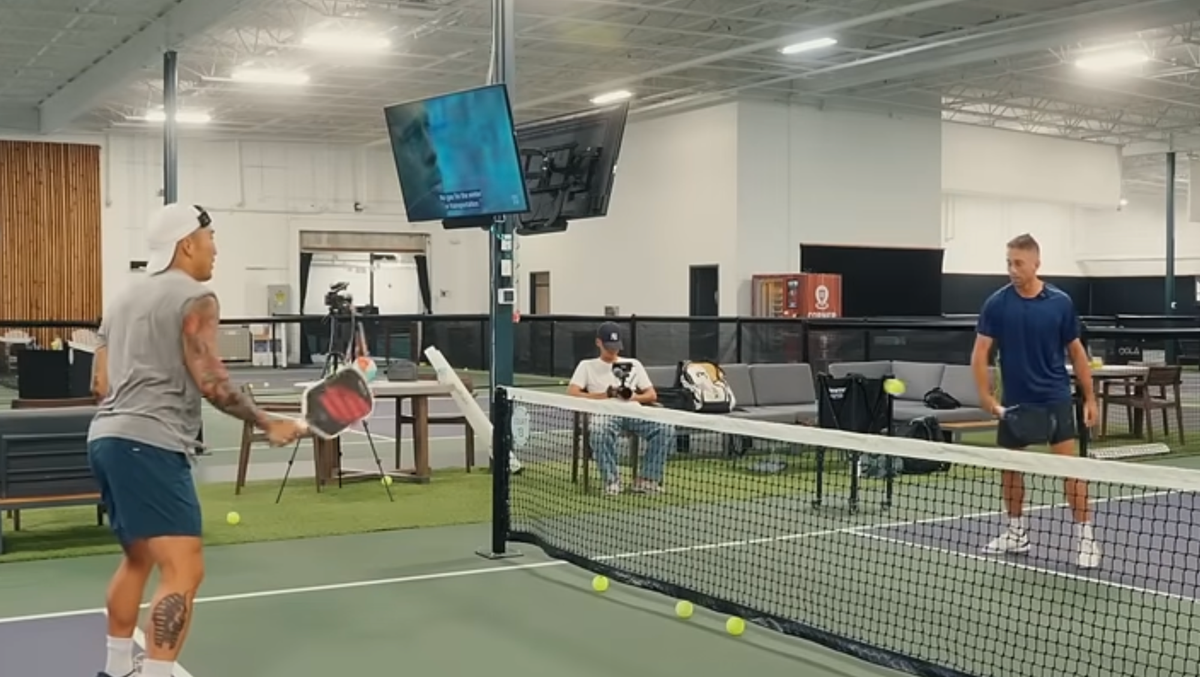
Why Are Resets So Important During the Transition?
Resets are your safety valve in the transition zone.
When you are mid-court and the ball is coming hard at your feet or below the net tape, you are not in a position to attack.
The right play is to soften the ball and buy yourself time to move forward.
A reset does not mean giving up.
It means being smart enough to recognize that you are not in a winning position yet and choosing a shot that gets you closer to one.
Think of it as buying a step closer to the kitchen with every ball you neutralize.
If your resets keep failing, the fix usually comes down to grip pressure and contact point.
Most players grip too tight when they feel threatened, which kills the soft hands you need.
 The Dink Media Team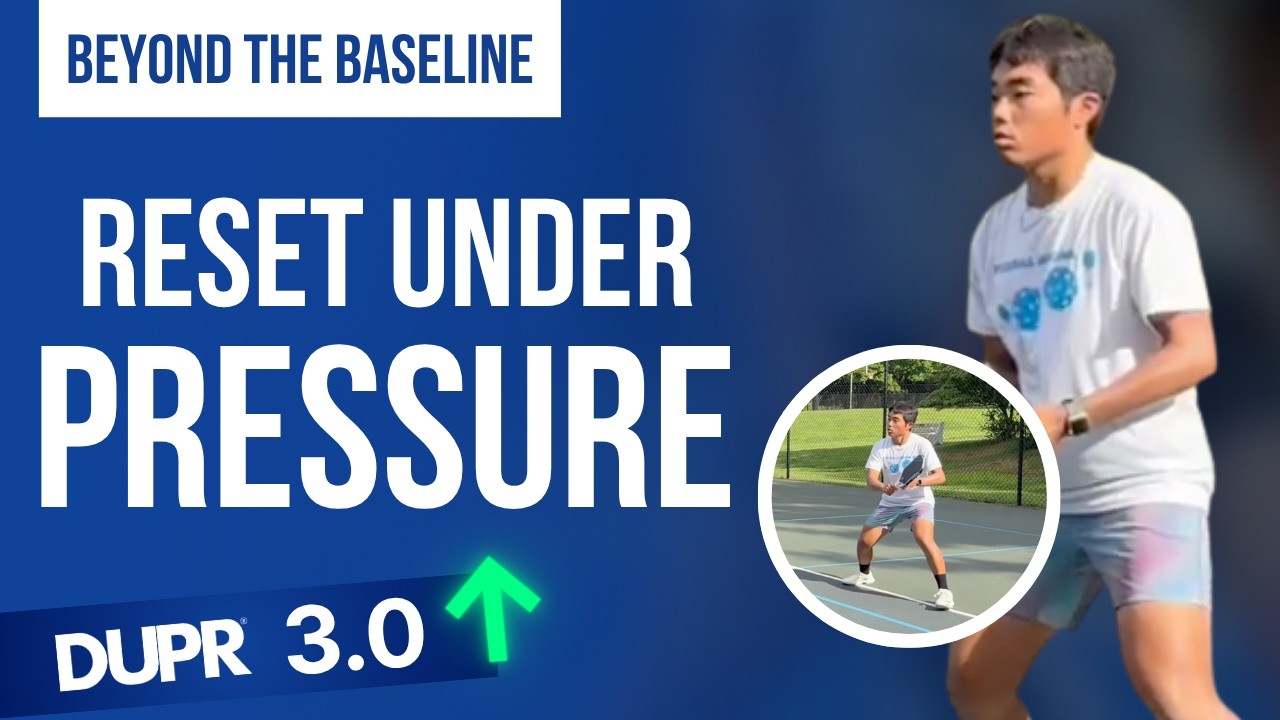
How Does the Attack and Defend Drill Build on the Ladder?
Once you are comfortable with the basic ladder progression, the video introduces a second drill called the singles attack and defend.
The player is the attacker and the instructor plays defender.
Here is how it runs:
- The instructor feeds a baseline shot. The player hits it with a normal stroke and moves forward.
- A second ball comes into the transition zone. The player hits a controlled drop or reset and keeps moving.
- Once the player reaches the kitchen line, the point is played out with the player attacking and the instructor defending.
This drill adds real pressure because now there is an actual point on the line after you navigate the transition.
You cannot coast into the kitchen. You have to arrive ready to compete.
The three keys to mastering the transition zone include balance on arrival, paddle readiness, and reading your opponent before you get there.
The attack and defend drill trains all three at once.
 Alex E. Weaver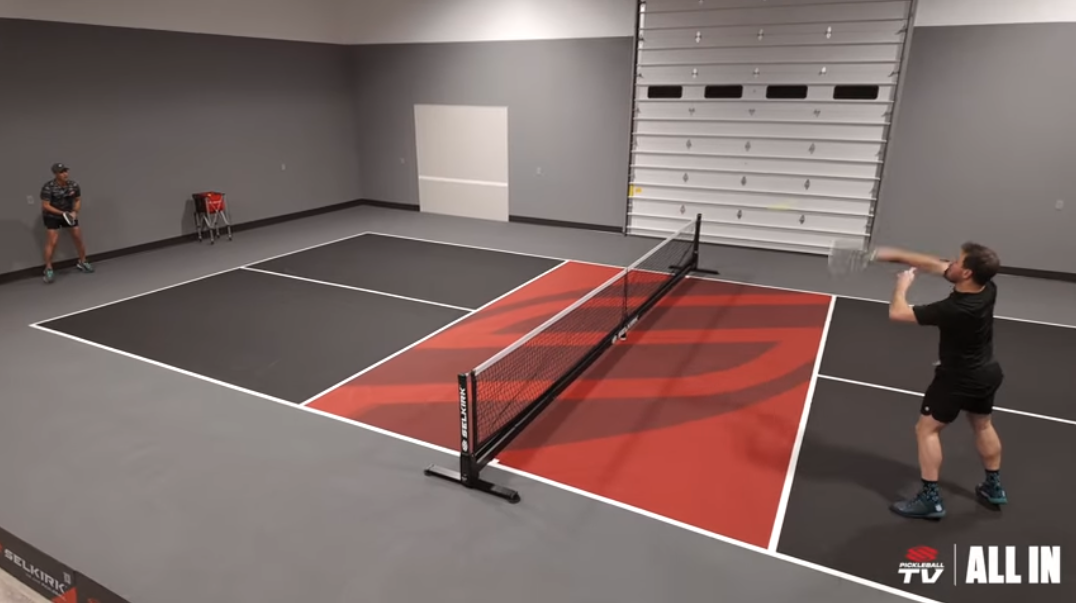
What Shot Should You Hit in the Transition Zone?
The instructor calls it a 50 to 60 percent shot with a little roll. That description is doing a lot of work, so let us unpack it.
You are not trying to drive through your opponent from mid-court. You are not lobbing either.
You want a ball that clears the net with some margin, lands in the kitchen or just past it, and travels with enough topspin to stay low after the bounce.
This is functionally a drop shot, but the intent is to buy yourself time and position rather than win the point outright.
The key detail the instructor emphasizes is the high finish. Even on a soft shot, a full follow-through keeps your swing consistent and your contact clean.
Players who abbreviate the finish tend to dump balls into the net or leave them too short.
Understanding when to roll versus when to punch your volley becomes critical once you actually get to the kitchen line.
The transition teaches you to set up those decisions correctly.
 The Dink Media Team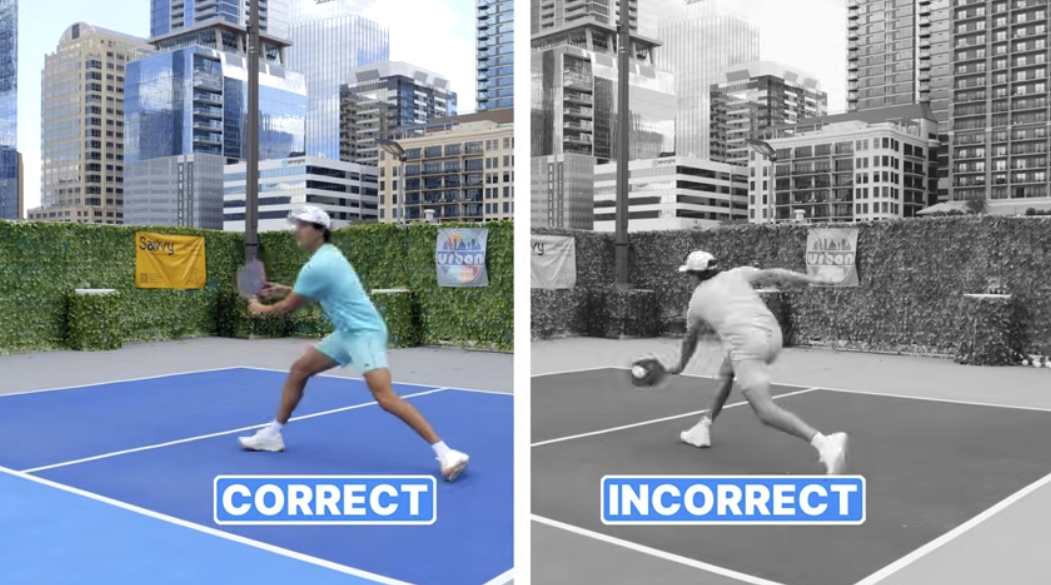
Common Mistakes Tennis Players Make in the Transition Zone
The biggest one is stopping after a good shot. You hit a clean drop, it clips the tape perfectly, and you stand there and watch it.
Meanwhile, you have wasted two steps of forward progress that you cannot get back.
The second mistake is taking full swings from mid-court.
Your tennis instincts want you to load up and drive, but driving from the transition zone in pickleball usually means a ball that sits up and gets hammered back at you before you can get set.
The third mistake is arriving at the kitchen line off-balance. You get there, but you are still moving when the next ball arrives.
The drill fixes this by forcing you to time your steps so you land in a stable athletic position between shots, not stumbling through the contact point.
Building a reset-focused drilling habit for the transition zone is one of the fastest ways to stop giving away free points in the middle of a rally.
 The Dink Media Team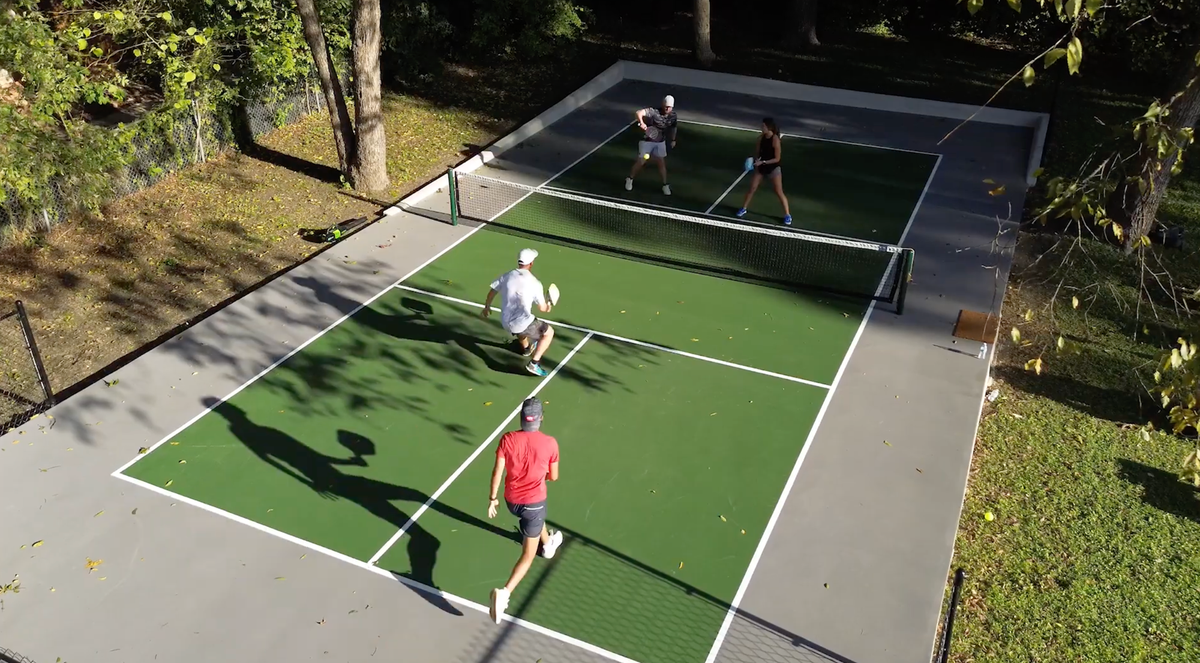
How to Run This Drill on Your Own Court
You need a partner or a ball machine to run the ladder drill properly.
If you have a partner, have them feed from the opposite baseline with moderate pace, mixing forehands, backhands, and balls at your feet to simulate real game pressure.
Start with four ball sequences and focus on making it to the kitchen by ball four.
Once that feels comfortable, try to arrive by ball three. The goal is progressive efficiency, not perfection on the first day.
Track your kitchen arrival percentage over time. This single stat correlates more directly with your rating than almost anything else.
Players who get to the non-volley zone consistently win more often, full stop.
If you want to take this further, these six progressive drills map out a full development path from 3.0 all the way to 5.0 using the same building block approach.
 The Dink Media Team
The Mindset Shift That Makes Everything Click
The instructor says it plainly: the kitchen line is where you make your money. Everything before it is setup.
Every shot from the baseline and through the pickleball transition zone exists to get you somewhere you can actually finish a point.
Once you internalize that, your shot selection changes on its own. You stop trying to win from mid-court, and you stop hanging back hoping for an error.
You start treating every ball as a vehicle to get one step closer to where the real offense happens.
That shift is what separates tennis players who struggle from the ones who adapt fast. The skills transfer. The mindset has to catch up.
Frequently Asked Questions
What is the transition zone in pickleball?
The transition zone is the area between the baseline and the non-volley zone, roughly the middle third of the court on your side of the net. It is the most dangerous place to stand because you are too far from the net to attack effectively and close enough that hard drives can reach your feet before you can react. The goal is always to move through it quickly, not camp there.
Why should I avoid staying at the baseline in pickleball?
Staying at the baseline forces you to hit upward on almost every ball, which limits your shot selection and gives your opponent easy angles to attack. The non-volley zone is where points get finished, and the player who gets there first almost always has the advantage. Unlike tennis, there is no strategic benefit to playing deep in pickleball.
What grip should I use in the pickleball transition zone?
Use a continental grip, where the V between your thumb and index finger sits on the top bevel of the paddle. This grip lets you handle forehands, backhands, and volleys without adjusting your hand, which matters because balls come fast in the transition and there is no time to re-grip. A heavy forehand grip will close your paddle face and cost you control.
How many steps should I take after each shot in the ladder drill?
Take two to three steps forward after each contact. The exact number depends on how well you hit the shot, if the ball is going to force your opponent into trouble, you can move more aggressively. The key is that you always move forward after contact rather than resetting to your starting position.
How do I know when to reset versus attack in the transition zone?
If the ball is below net height or coming hard at your feet, reset. If you have a ball above net height and you are within two or three steps of the kitchen, you can consider attacking. The ladder drill trains this instinct by giving you a variety of feeds so you learn to read each situation before the ball arrives rather than reacting after it is too late.

Love Pickleball? Join 100k+ readers for free weekly tips, news & gear deals.
Subscribe to The Dink