
Why Your Pickleball Reset Keeps Failing (Hint: It's Your Legs)
Most players blow the fifth shot reset by fighting the ball instead of absorbing it. Fix your pickleball reset with these leg-driven techniques that actually work.
Your pickleball reset is breaking down, and the reason is probably not what you think it is.
Most players assume the fix lives in their arm or their paddle angle. It does not.
The real problem is that your legs are doing nothing when they should be doing everything.
That single flaw turns the most overlooked defensive weapon in the sport into a liability.
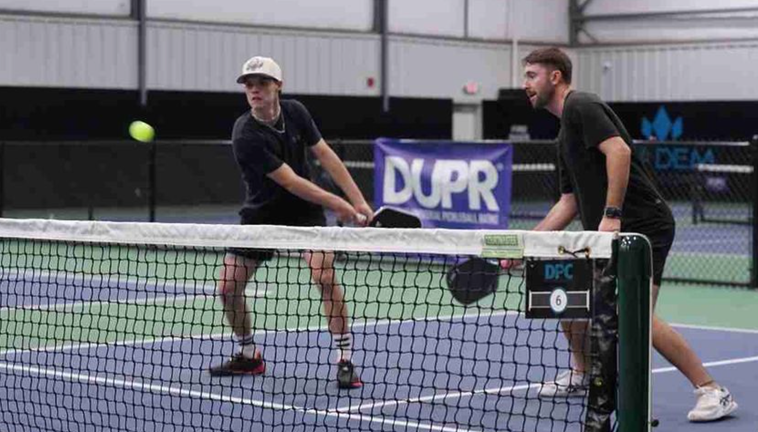
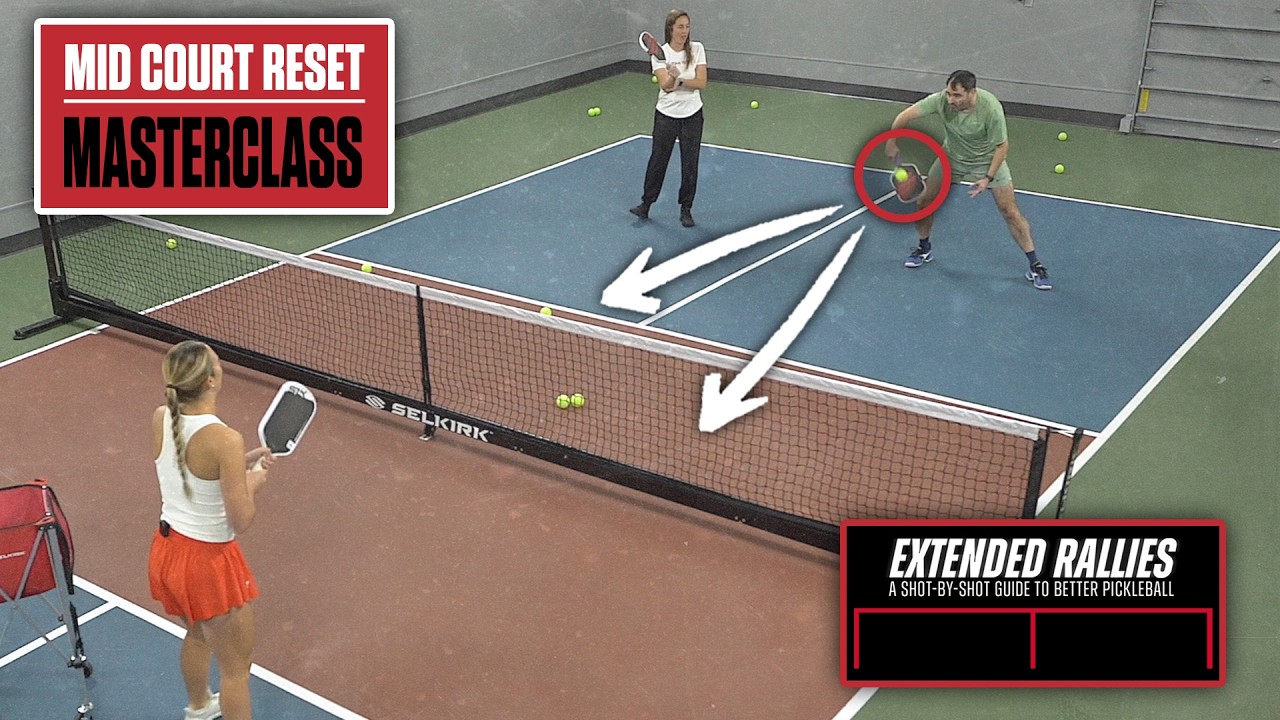
This breakdown of the fifth shot reset comes from Selkirk TV on YouTube, where a coach walks two players through exactly why the ball keeps popping up, sailing long, or sitting up for an easy volley from the opponent at the kitchen line.
Love pickleball? Then you'll love our free newsletter. We send the latest news, tips, and highlights for free each week.
What Is the Fifth Shot Reset and Why Does It Matter?
The fifth shot is the ball you hit after your third shot and your opponent's fourth shot response.
You are still in the transition zone, they are at the kitchen line, and the point is not equal yet.
Your job with the fifth shot is not to win the point.
Your job is to neutralize the situation by dropping the ball into the kitchen so you and your partner can move forward safely.
Most players understand the concept. The problem is execution, and that execution starts from the ground up.
Why Are Your Legs So Important for the Reset?
Your legs are your shock absorbers.
When an opponent puts pace on the ball and you try to absorb it with just your arm, the energy transfers straight into the paddle and right back out the other side.
The ball goes fast, or high, or long. When you bend your knees and use your body to receive the ball, you deaden that energy before it ever reaches the paddle face.
The result is a soft, controlled drop that lands in the kitchen instead of gift-wrapping an easy volley.
That is why explosive lower body strength shows up in your soft game before it ever shows up in your drives.
This is not a marginal improvement.
It is the entire foundation of a reliable reset, and skipping it is one of the bad pickleball habits most players do not realize they have.
The Core Mechanics of a Proper Reset
Here is exactly what needs to happen on every reset attempt in the transition zone.
- Stay low in an athletic stance. Your knees should be bent before the ball arrives, not after. If you are standing tall when the ball gets to you, you have already lost the absorb window, and proper posture is what keeps that window open.
- Keep the ball in front of you. Never let the ball get behind your body. Every reset should be caught out in front with a clear line of sight to the kitchen.
- Use an open paddle face. The paddle face needs to be angled slightly upward to give the ball lift so it clears the net and still lands soft in the kitchen.
- Absorb through the shoulder, not the wrist. Your wrist should stay locked as a unit with your forearm. The give happens in the knees and shoulder, not at the wrist joint.
- Keep all momentum moving forward. Even as you absorb, your body weight should be pressing toward the kitchen, not drifting back. Forward momentum keeps your reset aggressive and controlled.
 The Dink Media Team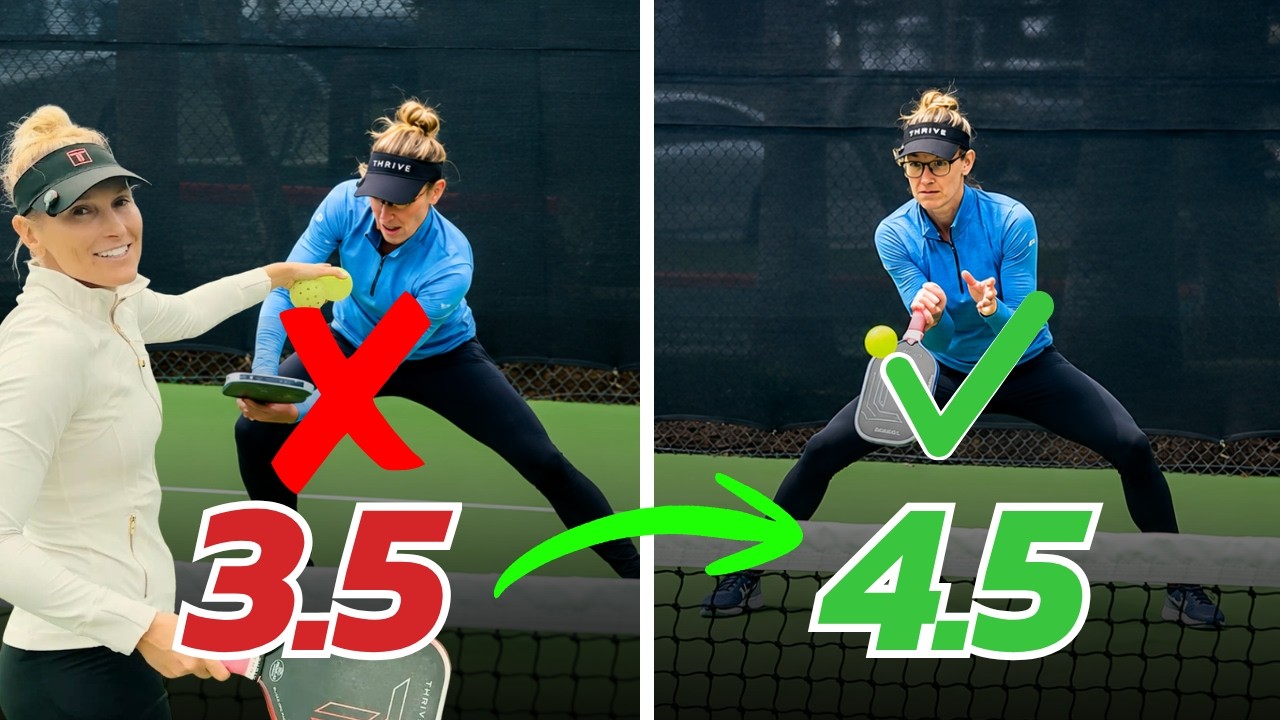
What Grip Pressure Should You Use?
Grip pressure is one of the most underrated variables in the reset game.
Think of it on a scale of one to ten, where one is barely holding on and ten is maximum squeeze.
For your reset, you want to sit at a three or a four. That is it.
Whatever force you put into the paddle comes right back out of it. A tight grip adds energy to the ball. A soft grip absorbs it.
If your resets are popping up or flying long, check your grip before you check anything else.
There is a good chance you are squeezing too hard under pressure, and that single fix might clean up most of your errors.
For a deeper look at this concept, see how grip pressure is the one fix that adds real control.
 The Dink Media Team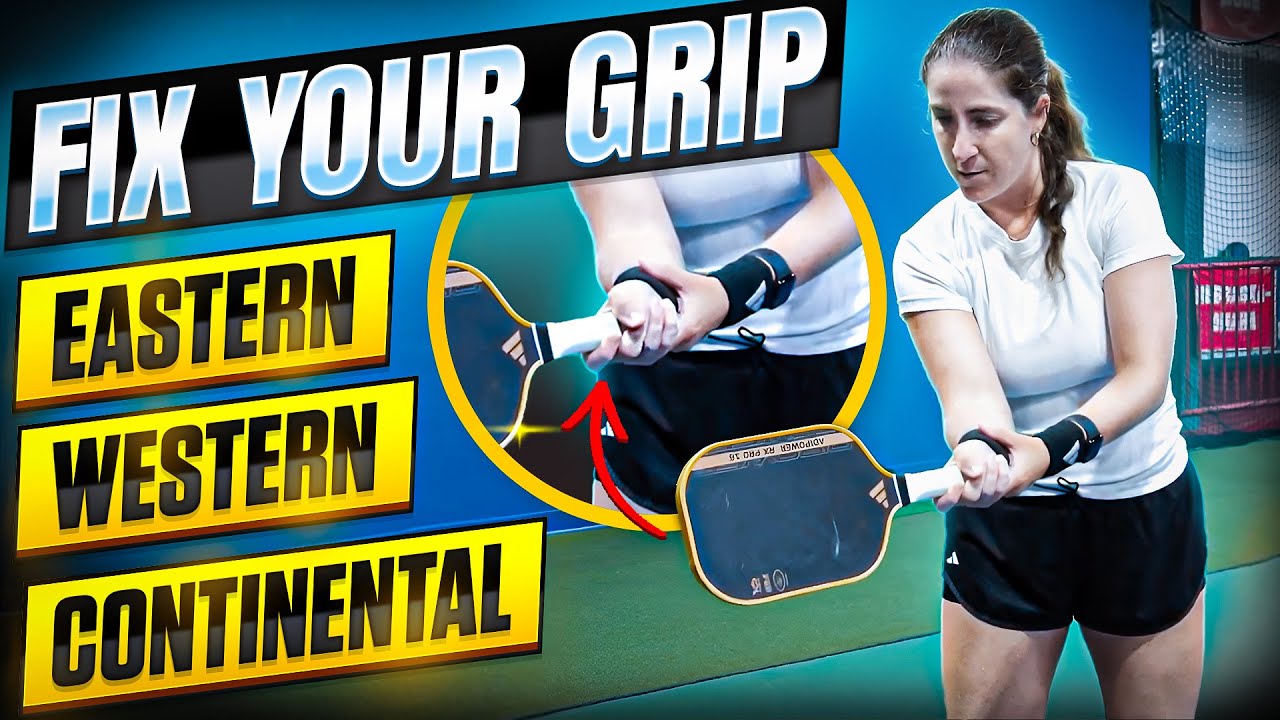
What Is a Bait Ball and How Should You Handle It?
A bait ball is a ball that floats into your zone at a height where you could arguably swing at it and try to attack. It looks attackable. Your instincts say to swing.
Do not swing.
Here is why. If you are still in the transition zone, your feet are exposed and you have an open court behind you.
Your opponent at the kitchen line can easily put away anything you attack, because they can volley it before it bounces.
The only person a speed-up benefits in that situation is them.
The correct play on a bait ball is to reset it into the kitchen anyway, move forward, and wait until the court is actually equal before you start attacking.
Choosing patience over aggression on those balls is one of the clearest signs of what higher-level players see that lower-level players miss.
 Zane Navratil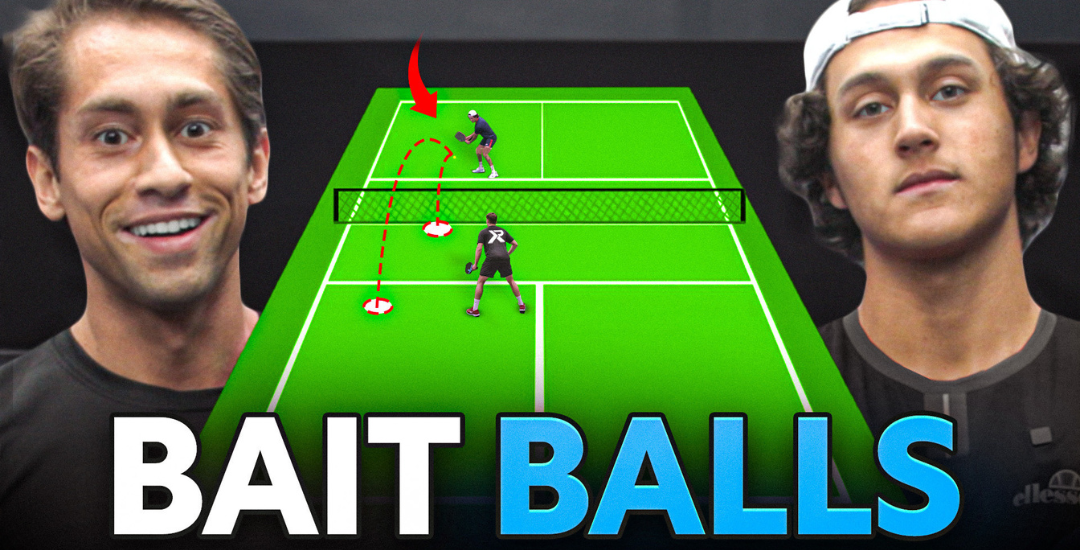
Volleys vs. Balls Off the Bounce: Is There a Difference?
Yes, and the bounce version is easier.
When you take the ball out of the air in the transition zone, you have less time and less margin.
The pace is coming fast and your window to absorb it is small, so you have to be extra committed to a soft grip and bent knees.
When the ball bounces first, you gain time and court space. The ball slows down off the bounce, which makes it easier to place a controlled drop into the kitchen.
Use that extra time to reset your stance and put the ball exactly where you want it.
If you want to see what that looks like inside a structured drill, this reset drill for the transition zone breaks it down step by step.
 The Dink Media Team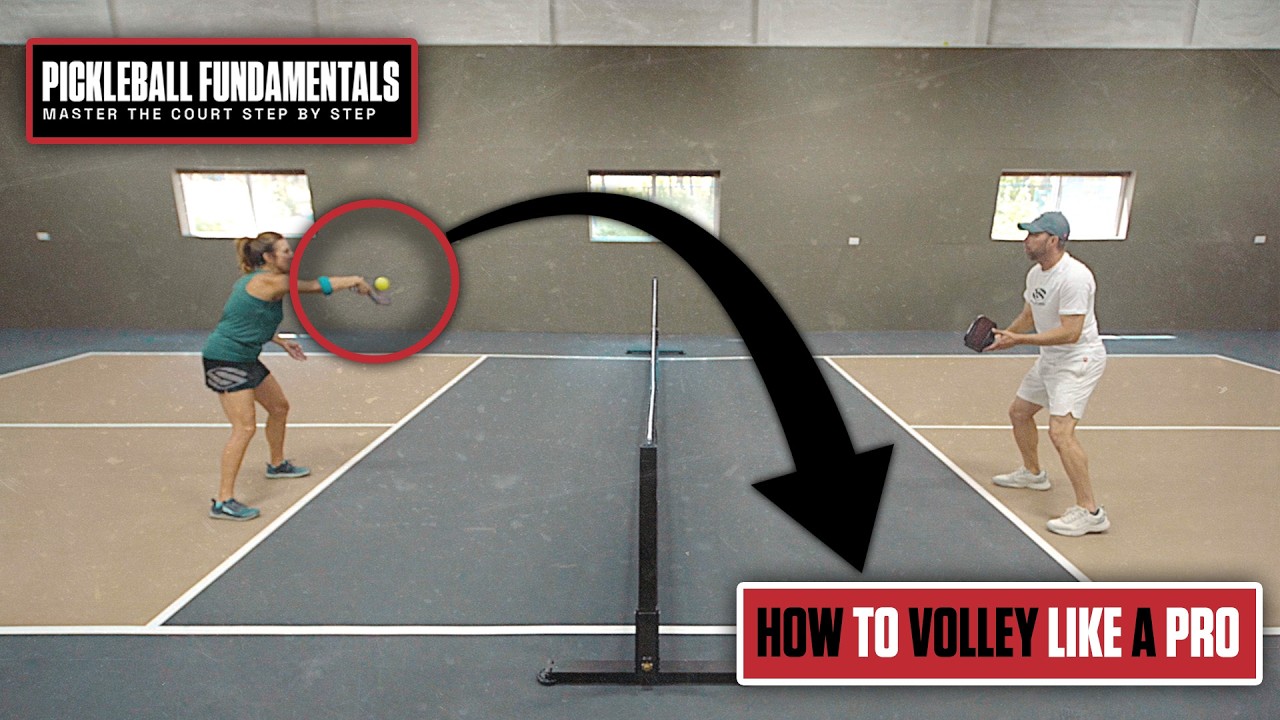
Why Does the Wrist Keep Going Limp on the Backhand?
This is a specific and common error on the backhand side. When a ball comes at you hard and low, there is a reflex to let the wrist collapse to angle the paddle face.
That wrist collapse kills your pickleball reset every time.
The wrist and forearm need to stay as one unit. The paddle face should be controlled by your shoulder and arm position, not by bending at the wrist.
When you absorb with the shoulder and keep the wrist locked, contact stays consistent and the ball goes where you intend.
It is the same principle that applies when you are trying to deaden pace and spin at your feet, which is the trickiest spot on the whole court.
 The Dink Media Team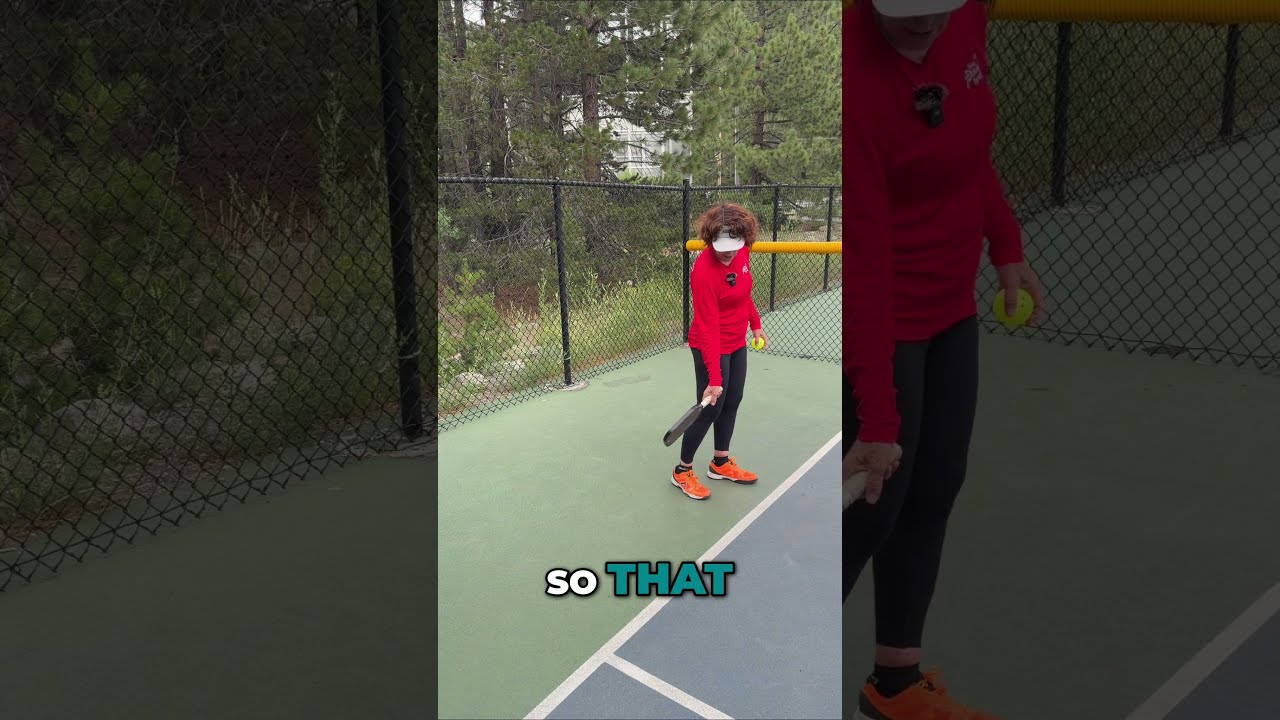
Common Reset Mistakes to Stop Making Right Now
- Letting the ball get behind your body. Once it passes your hip, you are reaching back and flipping, which adds pace instead of removing it.
- Standing tall when contact happens. You cannot absorb anything with straight legs. Bend before the ball arrives.
- Gripping too tight under pressure. Every difficult ball makes most players squeeze harder. Train yourself to do the opposite.
- Letting the wrist go limp on the backhand. Stay locked as a unit and absorb through the shoulder.
- Swinging at bait balls. Recognize them, reset them, and advance. The point will come.
- Drifting backward as you reset. All momentum needs to be forward even while you absorb. Backward drift means you never get to the kitchen.
If several of these feel familiar, you are not alone. They show up constantly in rec play and even at higher levels.
Fixing them is also exactly what the coaches at this reset breakdown for players with tennis backgrounds spend most of their time on.
 The Dink Media Team
How Does This Connect to Getting to the Kitchen Line?
Every reset you execute successfully is one more step forward. That is the whole point of the fifth shot.
When your reset lands in the kitchen, your opponent has to let it bounce. That buys you time to close the gap and get your feet to the kitchen line.
When your reset floats or pops up, your opponent volleys it at your feet and you are pinned in the transition zone again.
The reset is not a defensive shot you are stuck hitting. It is an active tool that earns you court position.
Understanding your kitchen arrival percentage will show you how much this one shot is costing or earning you in real matches.
 The Dink Media Team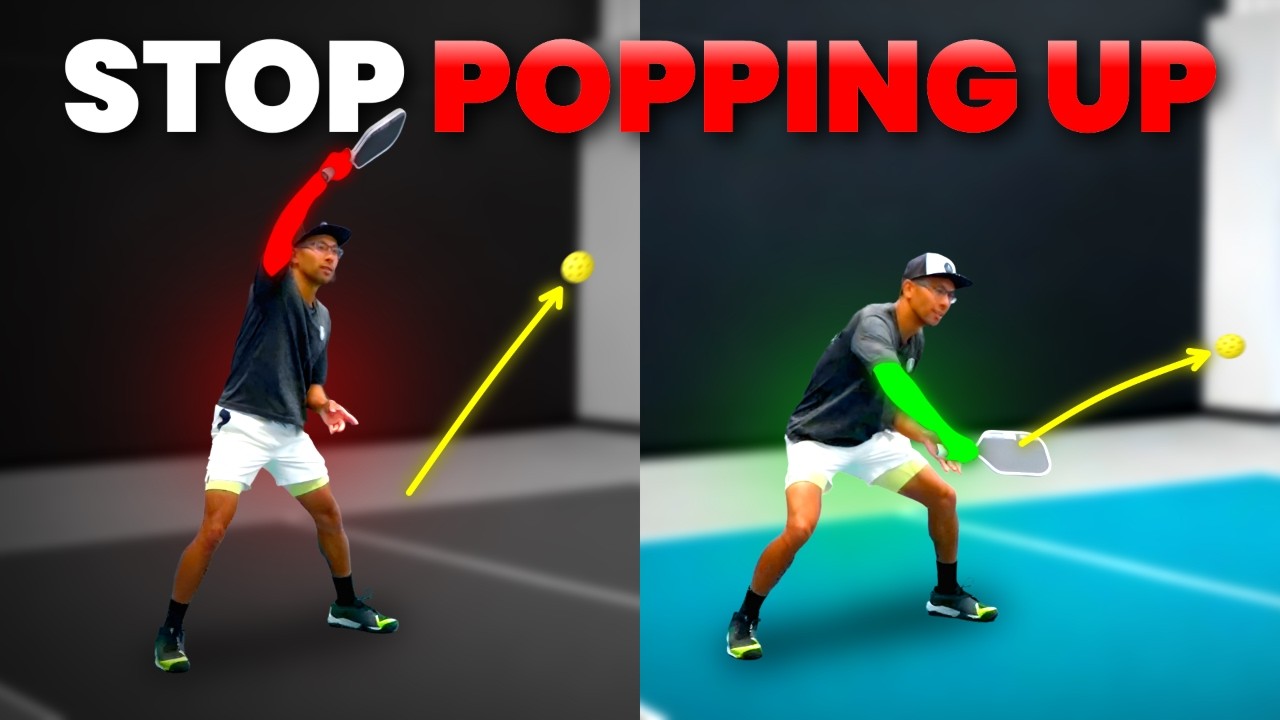
Put It Together in Practice
Here is a simple way to train this on court.
- Have a partner feed you hard balls from the kitchen line while you stand in the transition zone.
- Focus only on bending your knees before contact, keeping the ball in front of you, and making it bounce in the kitchen.
- Add bait balls that float a little higher, and practice choosing the reset over the swing every single time.
- Run the full sequence from your third shot through the reset to the kitchen line, so the footwork and the shot connect naturally.
Build it into your regular drill rotation rather than saving it for warmups.
The goal is to make soft hands and bent knees your default reaction, not something you have to think about mid-match.
Once the pickleball reset becomes automatic, you will extend rallies and reach the kitchen line far more consistently.
That progression is also a sign you are ready to work on the four most important shots that decide points at the next level, and it is the one skill that takes players from 3.5 to 5.0.
Three specific fixes for resetting every speed-up can give you a more targeted path forward when things feel stuck.
And remember: when in doubt, use your legs.
Frequently Asked Questions
What is a pickleball reset and when should I use it?
A pickleball reset is a soft, controlled shot that drops the ball into the kitchen to neutralize your opponent's advantage. You use it when you are in the transition zone and need to safely work your way to the kitchen line. It is the default choice whenever you are not yet in a position to attack.
Why do my resets keep popping up or going long?
The most common reason is too much grip pressure or not enough leg bend to absorb the incoming pace. When you hold the paddle tight and stand tall, the ball's energy transfers directly through your paddle and sends the ball too fast or too high. Soften your grip to a three or four out of ten and bend your knees before contact.
Should I swing at a ball that looks attackable in the transition zone?
Usually no. If your feet are not at the kitchen line, you are exposed and your opponent can volley your attack before it bounces. Resetting even a ball that looks hittable is the higher-percentage play that protects you and your partner from a difficult counter.
How do I stop my wrist from going limp on the backhand reset?
Keep your wrist and forearm locked as one unit and absorb the ball through your shoulder instead. The angle of your paddle face should come from your arm position, not from bending at the wrist. Practice this with slower feeds first until the locked-wrist habit replaces the collapse reflex.
How often should I practice the reset in drills?
Make it a regular part of every practice session, even just five to ten minutes of dedicated reset work. Have a partner feed hard balls from the kitchen while you focus on soft hands and bent knees in the transition zone. Consistent repetition in training is the only way to make it automatic in a real match.

Love Pickleball? Join 100k+ readers for free weekly tips, news & gear deals.
Subscribe to The Dink