Most bad pickleball habits are invisible to the player making them. Here are 15 you need to fix before your next match.
Most bad pickleball habits aren't the obvious ones. You already know not to skip warmups or blame the wind.
The ones actually hurting your game are smaller, quieter, and way more common.
Pro player Zane Navratil broke down a full list of these invisible bad habits on YouTube, covering technique, strategy, equipment, and the mental side of the game.
This article pulls the most important ones together so you can start fixing them today.
Work through this list honestly. Odds are you're doing more than a few of these right now.
Love pickleball? Then you'll love our free newsletter. We send the latest news, tips, and highlights for free each week.
Technique Habits That Are Quietly Wrecking Your Game
Technique mistakes compound over time. Every bad rep reinforces the wrong pattern, and by the time you notice something is off, it's already muscle memory.
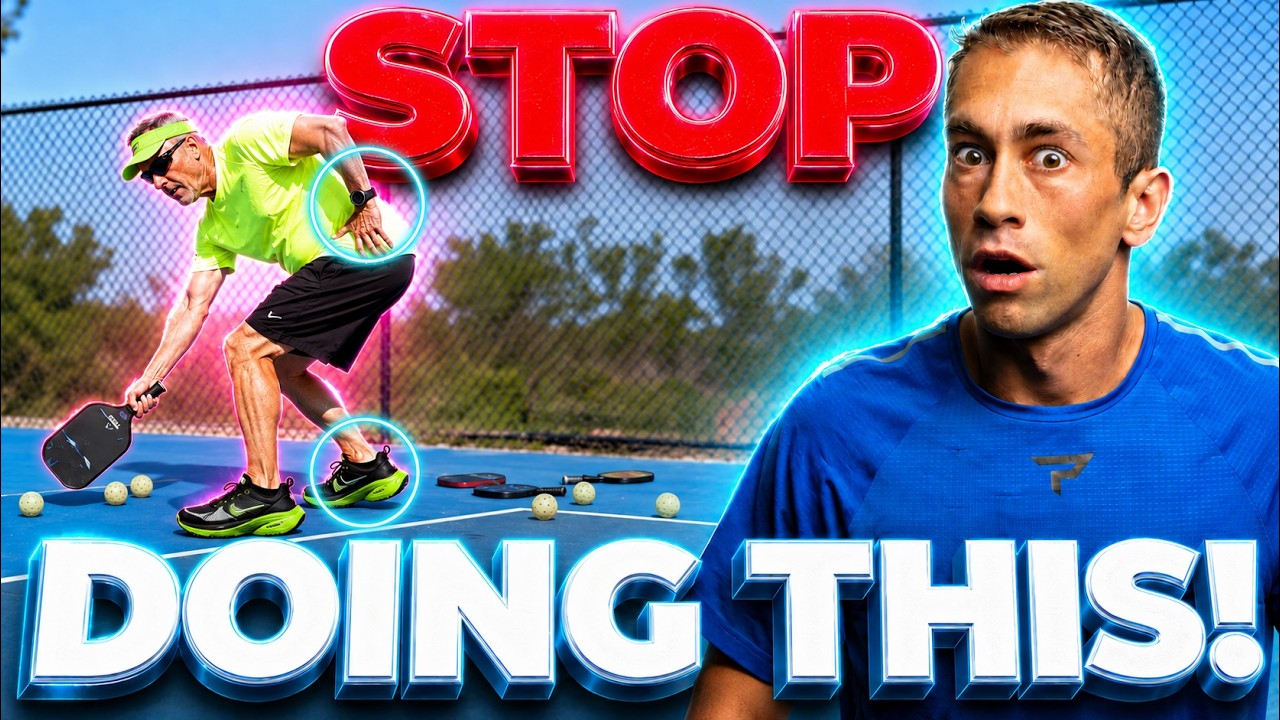
1. Hand on Your Hip
Your off hand does more than you think.
It provides counterbalance when you reach wide, helps you coil your upper body on forehands and backhands, and keeps your whole swing more connected.
When you plant that hand on your hip, all of that goes away.
Keep your off hand active and in front of you. If you play with a two-handed backhand, keep it on the grip.
If you're a one-hander, let it float naturally.
 Alex E. Weaver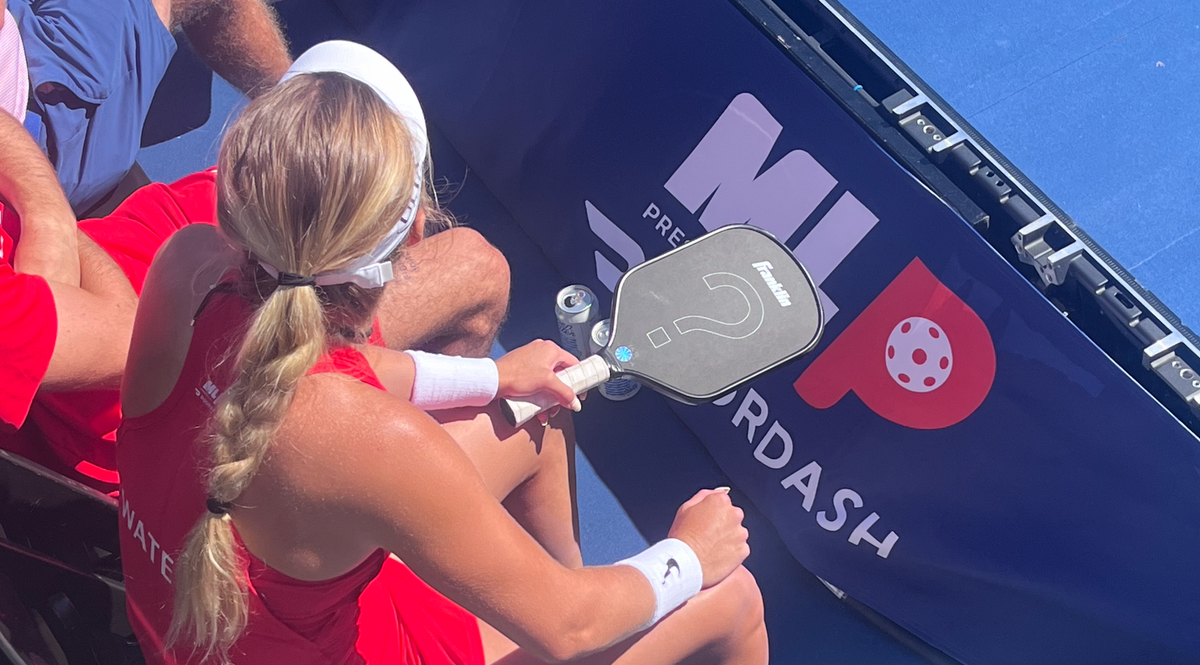
2. Ready Position That's Too Low
You've probably seen pros like JW Johnson carry their paddle near their waist and tried to copy it. Don't.
That works at the pro level because pros are reacting to completely different ball speeds and shot patterns than you are.
Your ready position needs to protect your chest. Bangers attack that spot constantly, and if your first move is bringing the paddle up from your waist, you're already late.
Keep the paddle high, and you can counter those attacks back down toward your opponent's feet. That's the only reliable way to stop a banger.
3. Reaching Instead of Moving
Reaching for the ball instead of moving your feet is one of the fastest ways to lose control of your shots.
When you're stretched out and off balance, you have to flick your wrist to compensate. That leads directly to the next problem.
4. Too Much Wrist
Wristiness at the recreational level causes far more errors than it prevents. Yes, players like Anna Leigh Waters and Gabe Tardio use wrist snap effectively.
They're also elite athletes with thousands of hours of repetition behind those shots.
For most players, extra wrist action leads to inconsistency on dinks, drops, and resets.
Move your feet first, then swing. The wrist follows naturally without you forcing it.
If you want to understand what wrist mechanics actually do to your swing, this breakdown of wrist lag in pickleball is worth reading.
 The Dink Media Team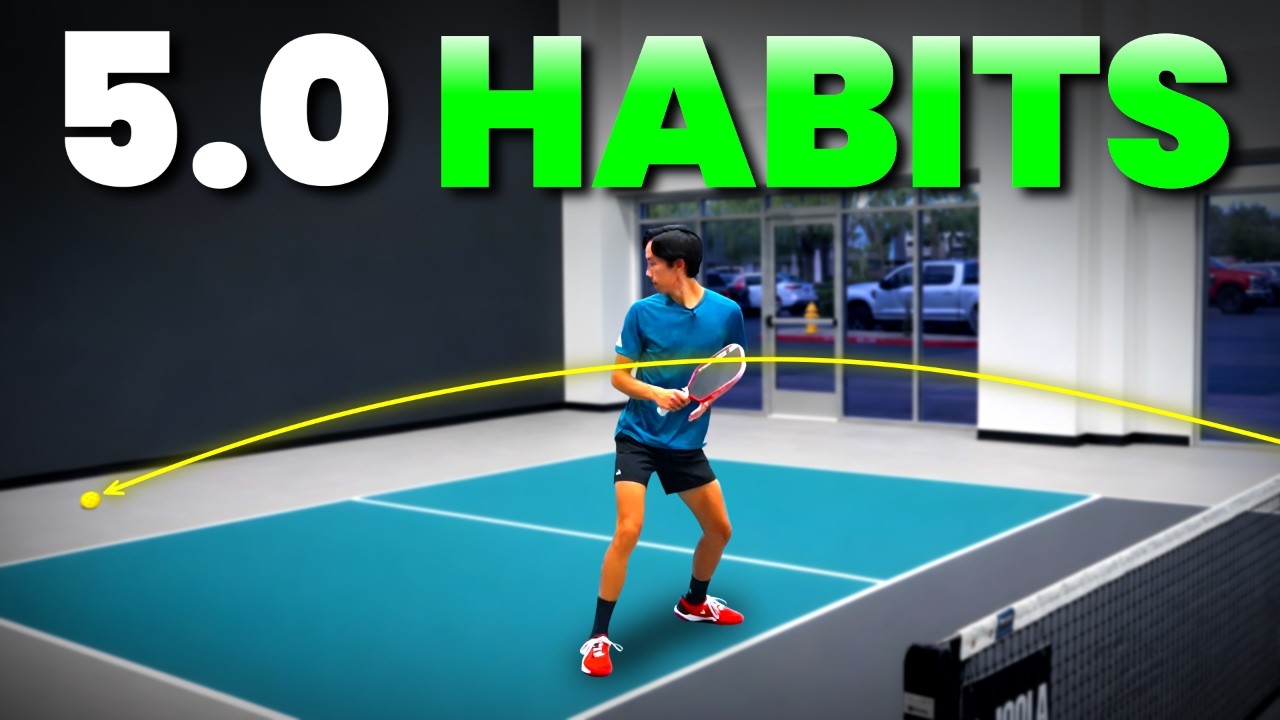
5. Trying to Fix Everything at Once
Pick one thing. Work on it until you don't have to think about it anymore. Then move to the next thing.
If you're constantly tinkering with five different parts of your game at the same time, none of them will stick.
Skills become useful only when they're unconsciously competent, meaning you can execute under pressure without actively thinking about the mechanics.
Strategy Habits That Cost You Points
6. "Just Get Your Serve In"
This is probably the worst piece of advice still circulating in recreational pickleball. No other shot do you tell yourself to make 100 percent of the time.
Every shot in pickleball has a risk and reward tradeoff, and the serve is no different.
If you're floating every serve softly to the middle at 10 feet over the net, you're handing your opponents easy overheads.
Target around a 95 percent serve success rate, not 100.
That five percent difference represents real attacking intent and real pressure on the returner.
If your serve needs work, start with these three serve mistakes that are costing players points right now.
 The Dink Media Team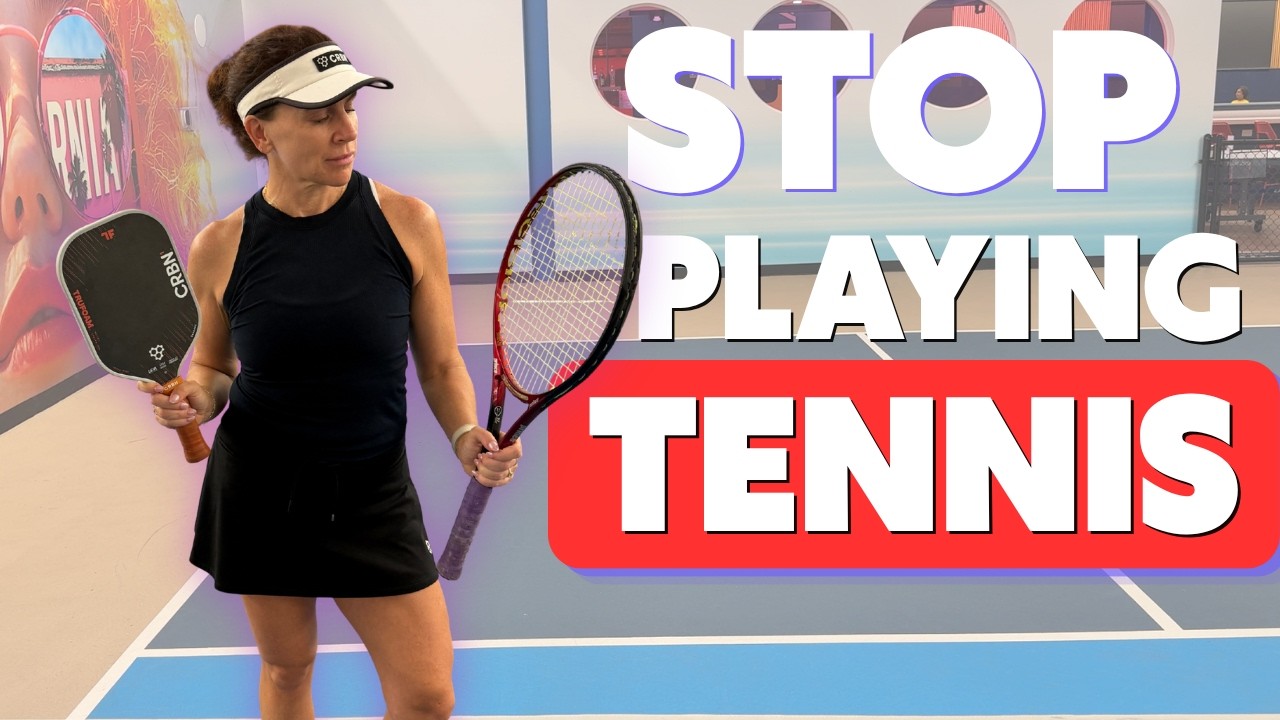
7. Purposeless Dinking
Every dink rally should have a clear intention. Before you hit, ask yourself: am I on offense or defense right now?
If you're on offense, you're moving the ball to create a ball that pops up so you can attack.
If you're on defense, your goal is to neutralize and reset the rally.
Dinking without a purpose means you're just keeping the ball alive and hoping something good happens.
That's not a strategy.
For a sharper look at why your dink fails in real games, this breakdown covers the main reasons players lose control of the kitchen rally.
8. Watching Your Good Shots
Your great shot is coming back. Unless you're at 3.0 or below, assume the point is still live after you hit something you're proud of.
Get back to your ready position immediately after every shot.
The habit of watching your own winners is what gets you caught flat-footed on the very next ball.
 The Dink Media Team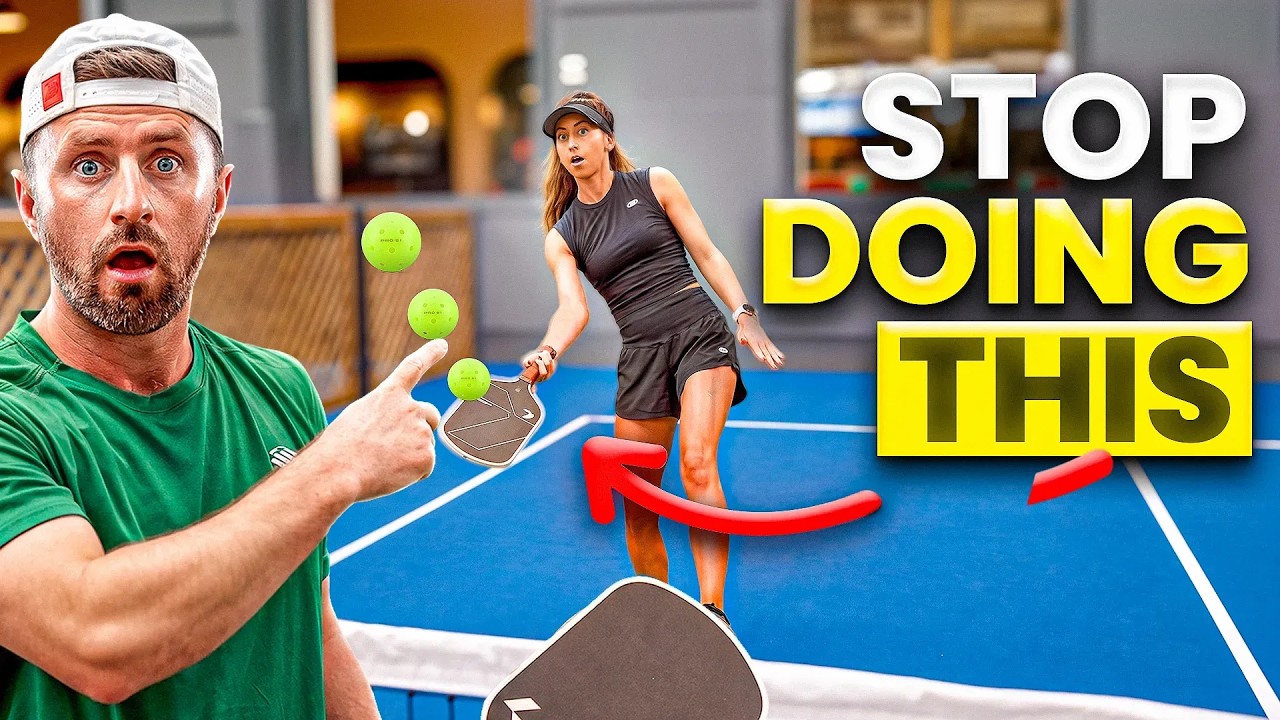
9. Skipping the Warmup
You hit between five and seven times as many balls while drilling or warming up as you do during a game.
Five minutes of quality warmup equals roughly 25 to 35 minutes of game repetitions. That math matters.
Beyond reps, your body is not ready to go full intensity off the couch.
The highest injury risk in any session is that very first ball when your muscles are cold and you go for something aggressive.
Be smart about it and run through some of these warmup drills that pros never skip.
10. Playing in Running Shoes
Running shoes are built to move you forward.
Pickleball demands lateral movement, quick direction changes, and ankle stability that running shoes simply don't provide.
A proper pickleball or tennis shoe has reinforced outer edges specifically designed for side-to-side cuts.
If you're playing in running shoes, you're one hard lateral step away from rolling your ankle.
 The Dink Media Team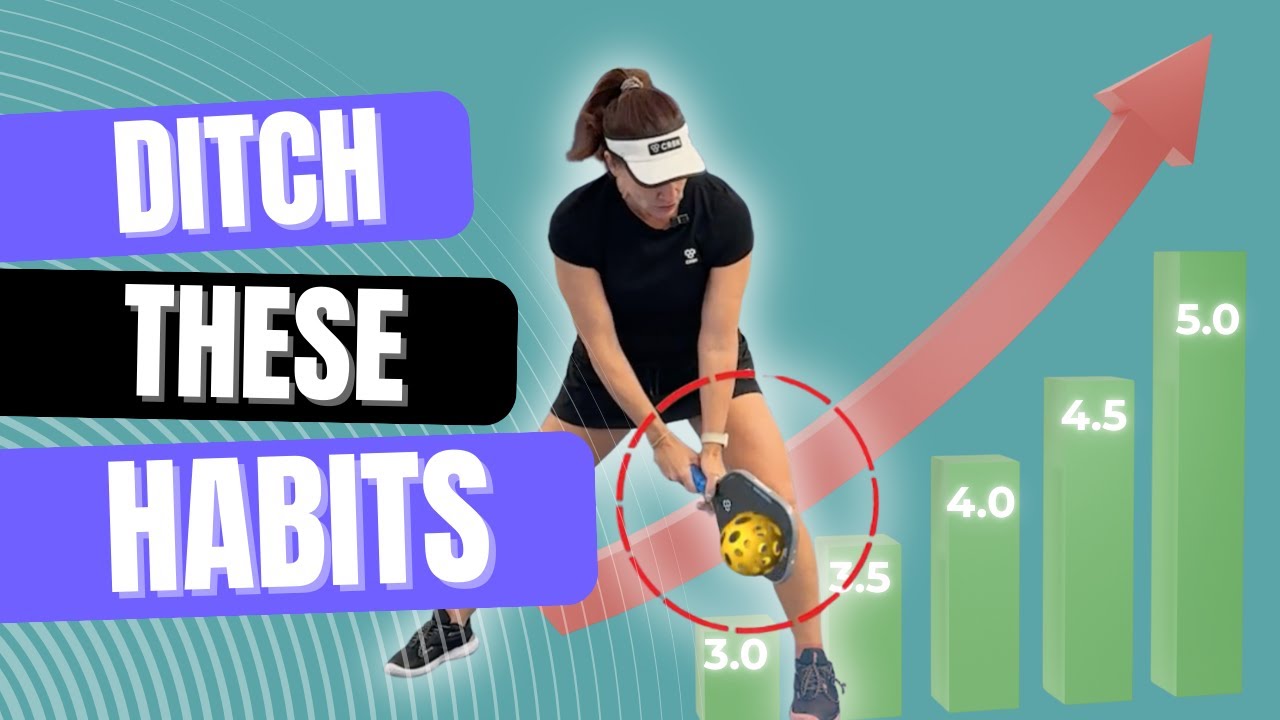
11. Bringing the Wrong Ball
Not all pickleballs are created equal. Use a Dura, Franklin, or Lifetime ball. Don't show up with a random ball from a toy store.
The quality of the ball affects spin, bounce, and how the game actually plays.
12. Switching Paddles Too Often
The paddle is rarely the problem. Switching paddles every few weeks before you've adapted to one is an excuse mechanism more than a strategy.
Commit to a paddle for a couple of months. Let your feel and timing adjust.
If you genuinely want help choosing the right one, there are clear criteria around weight, grip size, and surface texture that matter far more than brand names.
 The Dink Media Team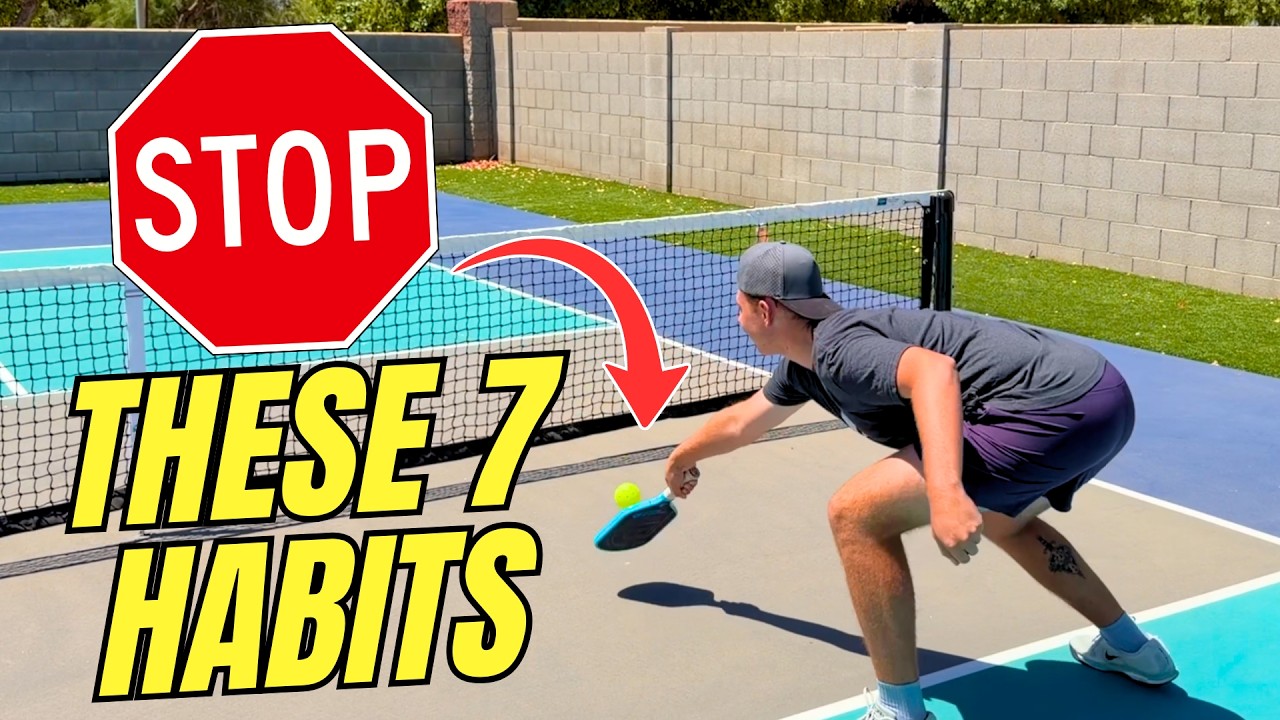
13. No Overgrip
Every single pro player uses an overgrip. Not one plays on a bare base grip.
Base grips are slicker, wear out faster, and give you less feel on soft shots.
Overgrips are inexpensive and need to be replaced regularly, but the difference in feel and control is immediate. This is one of the easiest fixes on the entire list.
The "Other" Habits That Matter Most
14. Quantity Over Quality in Practice
Four hours of mindless drilling is worse than one intense hour. Anna Leigh Waters practices roughly three days a week for two hours when she's not competing.
But she's fully locked in during every minute of it.
If you're going through the motions, you're not building better patterns. You're just ingraining bad ones with more reps.
High-quality focused practice is what actually moves your game forward, and you can see exactly what that looks like with this 90-minute drilling blueprint from a PPA pro.
The same principle applies when you're on the YouTube circuit.
If you're watching video after video and never committing to one concept long enough to make it automatic, none of it sticks.
Pick a skill, and stay with it until it's in your game. This article on why your drilling isn't working explains exactly where most players go wrong.
 The Dink Media Team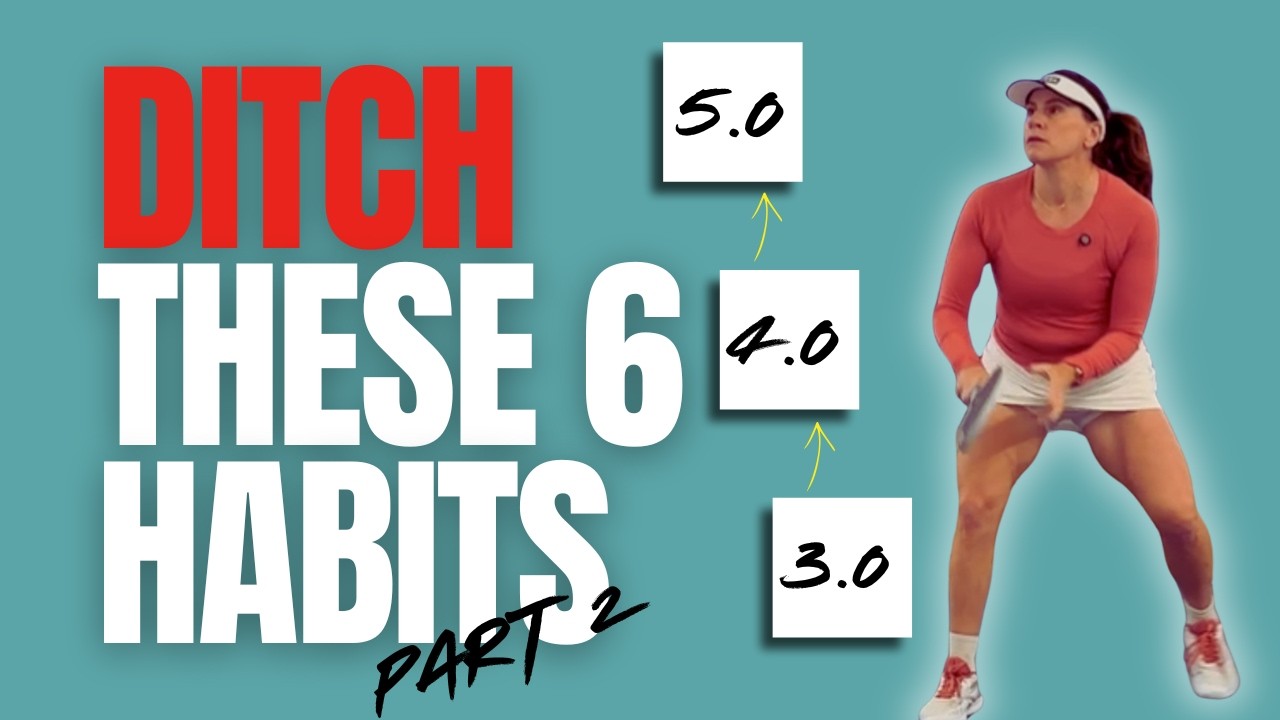
15. The Mental Habits That Silently Hurt You
There are a handful of mental patterns that show up constantly in recreational play. Here's a quick list of the most common ones:
- Blaming your partner: Even when it's accurate, nobody wants to hear it. It hurts team chemistry and doesn't fix anything.
- Coaching your partner unsolicited: Unless someone is paying you to coach them, or they've specifically asked, keep it to yourself.
- Always playing up: Playing against stronger competition is useful, but you also need to learn how to win. Mix in matches at your own level. If you're always losing, you're avoiding the skill of closing out games.
- Trying too hard to win in rec play: Rec play is where you work on things. Isolating the weaker player every single point might get you a win, but it kills the game for everyone and doesn't make you better.
- Constant apologizing: One apology is fine. Apologizing after every mistake signals anxiety and pulls your focus away from the next point.
- Making excuses: The wind, the ball, the sun, the court, your partner, illegal paddles. If you're running through a list after a loss, you're avoiding honest self-assessment. Everyone plays under the same conditions.
The mindset around winning and competing is something most recreational players undervalue.
If you want to build a sharper mental approach, this piece on eight mindset shifts to break out of 3.5 goes deeper on that side of the game.
And if you're noticing that your DUPR rating has become a source of anxiety rather than a useful data point, remember this: your rating is a lagging indicator.
It reflects your game. Focus on improving your actual skills, and the number will follow.
For more on building consistent habits that show up in your rating, check out these drills that actually raise your DUPR.
One final thought: bad habits don't disappear just because you're aware of them. Pick two or three from this list that you recognize in your own game.
Work on those first.
Once they're gone, come back and pick two more.
Frequently Asked Questions
What is the most common bad pickleball habit for recreational players?
A low ready position is the most widespread bad habit at the recreational level. Keeping your paddle near your waist means your first move against a hard shot is upward, which is already too slow. Hold the paddle chest-high so you can counter attacks immediately.
Should I really aim for less than 100 percent on my serve?
Yes. Targeting 95 percent on your serve means you're adding real pace, spin, or placement instead of floating every ball to the middle. A serve that opponents can comfortably attack with an overhead is doing more harm than the occasional miss would.
How do I know if I'm being too wristy in pickleball?
If your dinks and resets are inconsistent despite good footwork, excess wrist is usually the culprit. Try keeping your wrist firm through contact and see if your error rate drops. Wrist snap is a tool for advanced players with locked-in mechanics, not a starting point.
Does the type of pickleball ball I use actually matter?
Yes, it matters more than most players realize. Balls like the Dura, Franklin, and Lifetime are built to consistent standards that affect how the ball bounces, spins, and responds off the paddle. Off-brand balls play differently and make it harder to develop reliable feel.
How often should I switch paddles?
Give any new paddle at least two to three months of consistent play before evaluating whether it's the right fit. Switching frequently prevents you from adapting your feel and timing to any single paddle. If your game is struggling, technique is almost always the issue before equipment.
Love Pickleball? Join 100k+ readers for free weekly tips, news & gear deals.
Subscribe to The Dink