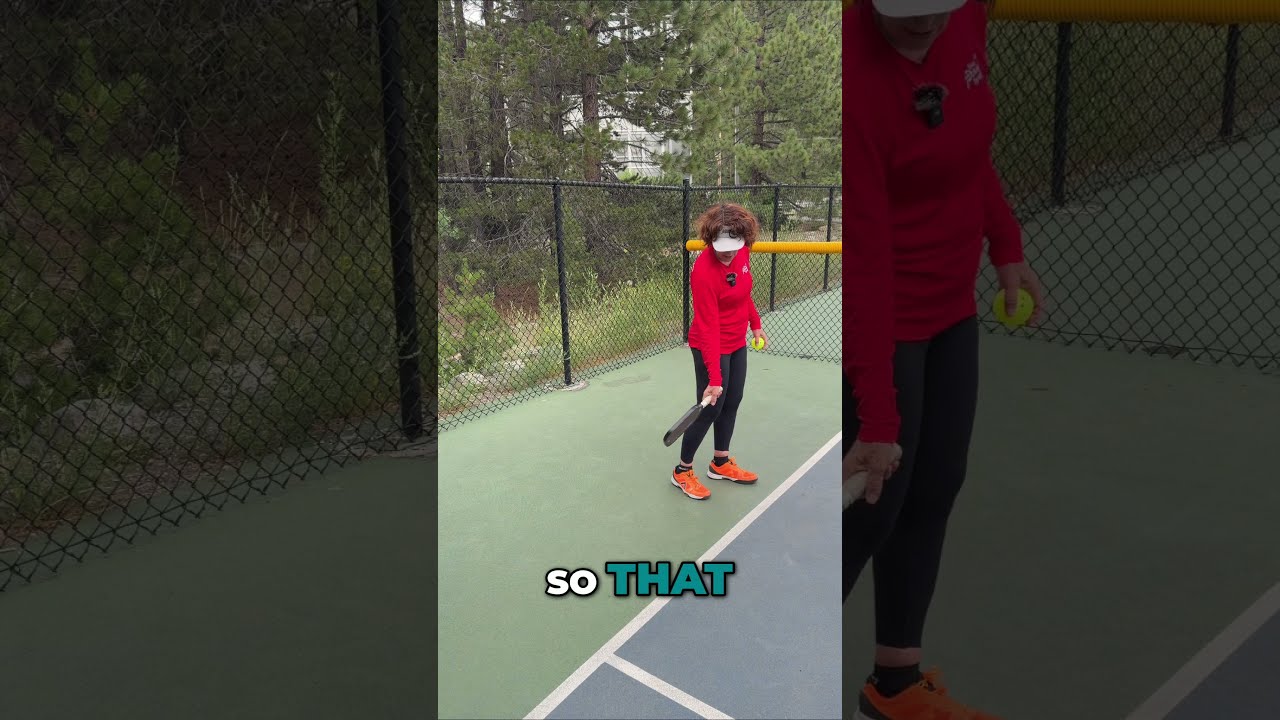
Wrist lag in pickleball adds power to your shots, but most players are using it completely wrong. Here is what it actually does and how to apply it the right way.
If you have been hearing about wrist lag pickleball players keep talking about and wondering what it actually means for your game, you are not alone.
The concept has been spreading fast across courts, clinics, and online forums.
But the version most players have picked up is a distorted one, and it is costing them control, consistency, and sometimes both at the same time.
This breakdown comes from Better Pickleball on YouTube, where the coaching team cuts through common misconceptions to show exactly what wrist lag does and does not do in your swing.
Love pickleball? Then you'll love our free newsletter. We send the latest news, tips, and highlights for free each week.
What Wrist Lag Actually Means
Wrist lag is when the head of the paddle trails behind your wrist during your swing.
That is the entire definition. The paddle face catches up to a square position at the exact point of contact.
When this happens correctly, it adds energy to the shot.
Think of it as a natural whipping effect created by the paddle moving from a lagged position to a square one at the right moment.
The key word there is natural, and most players skip right past it.
The Most Common Wrist Lag Mistake Players Make
Here is where it goes wrong: players treat wrist lag in pickleball as an active motion they need to perform through the shot.
They flip the wrist, snap it forward, or roll the paddle through contact to manufacture speed.
That is not wrist lag. That is wrist action, and it creates inconsistency.
Real wrist lag is something you set before the swing, not something you generate during it.
You position the paddle head behind your wrist at the start of the motion, then let the shoulder drive the swing forward.
The paddle catches up on its own.
You are not doing anything extra with your hand at contact, because the energy comes from the setup, not from a flick at the end.
This misunderstanding matters.
Fixing your wrist mechanics can change the quality of your drops dramatically, but only if you understand what you are actually fixing.
So What Is Driving the Swing If Not the Wrist?
Your shoulder is doing the real work.
Once you set the lag position, the shoulder carries the motion forward.
The paddle head, being behind the wrist, naturally accelerates and squares up as the arm comes through.
You get the energy benefit without any extra wrist manipulation.
This is the same mechanical principle you see in tennis groundstrokes, golf swings, and baseball batting.
The kinetic chain moves from the larger muscle group to the smaller one, and the smaller one does not need to add anything independently.
In pickleball, that means your wrist is relatively passive through the swing. It holds the lag position, stays relaxed, and squares up at contact.
The shoulder leads. The paddle follows. Grip pressure plays into this too, because a tense grip prevents the natural catch-up motion from happening cleanly.
 The Dink Media Team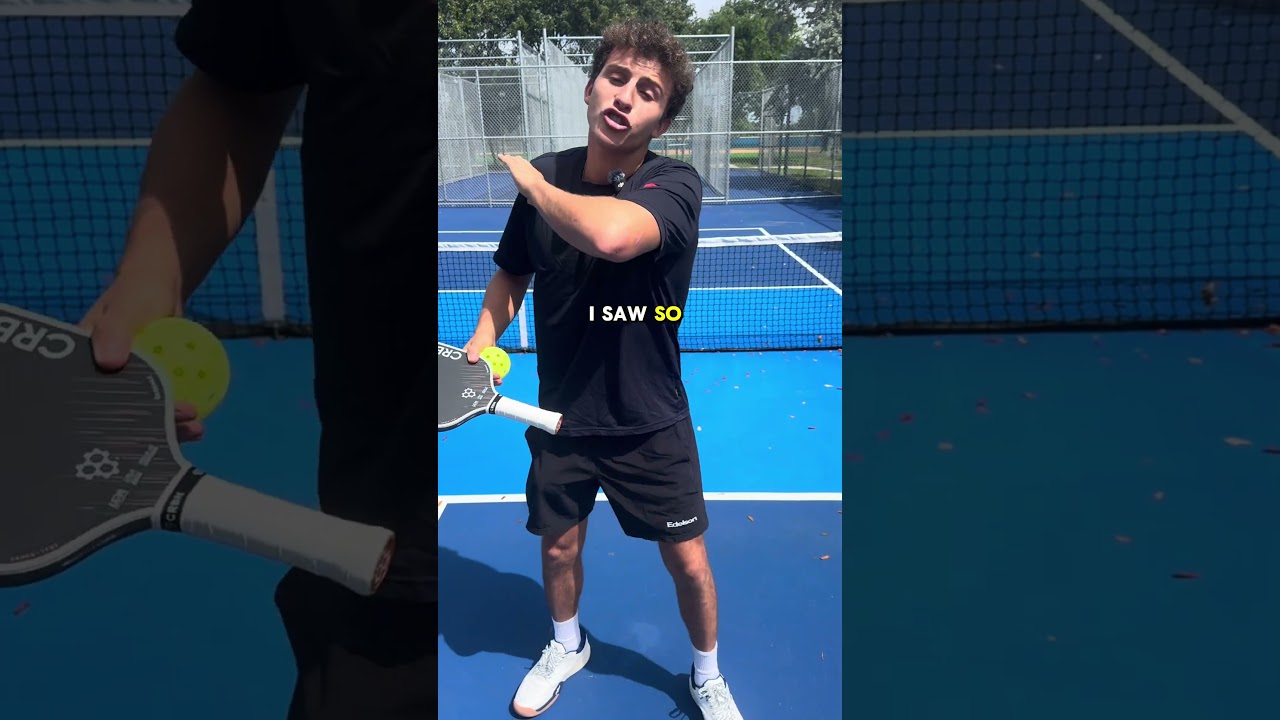
How Do You Actually Set the Lag Position?
Setting the lag is simpler than most players think.
As you prepare for the shot, let the paddle head drop slightly behind your wrist.
You are not cocking the wrist at a dramatic angle, just allowing the paddle to sit behind the line of your wrist as you start your backswing.
Here is a quick checklist for getting the position right:
- Relax your grip slightly so the paddle can settle into a trailing position
- Let the paddle head fall just behind your wrist, not dramatically below it
- Keep the wrist firm but not stiff once you have set the lag
- Start the forward swing with your shoulder, not your hand
- Allow contact to happen naturally as the paddle face squares up
The whole sequence takes less than a second. But every part of it matters.
 The Dink Media Team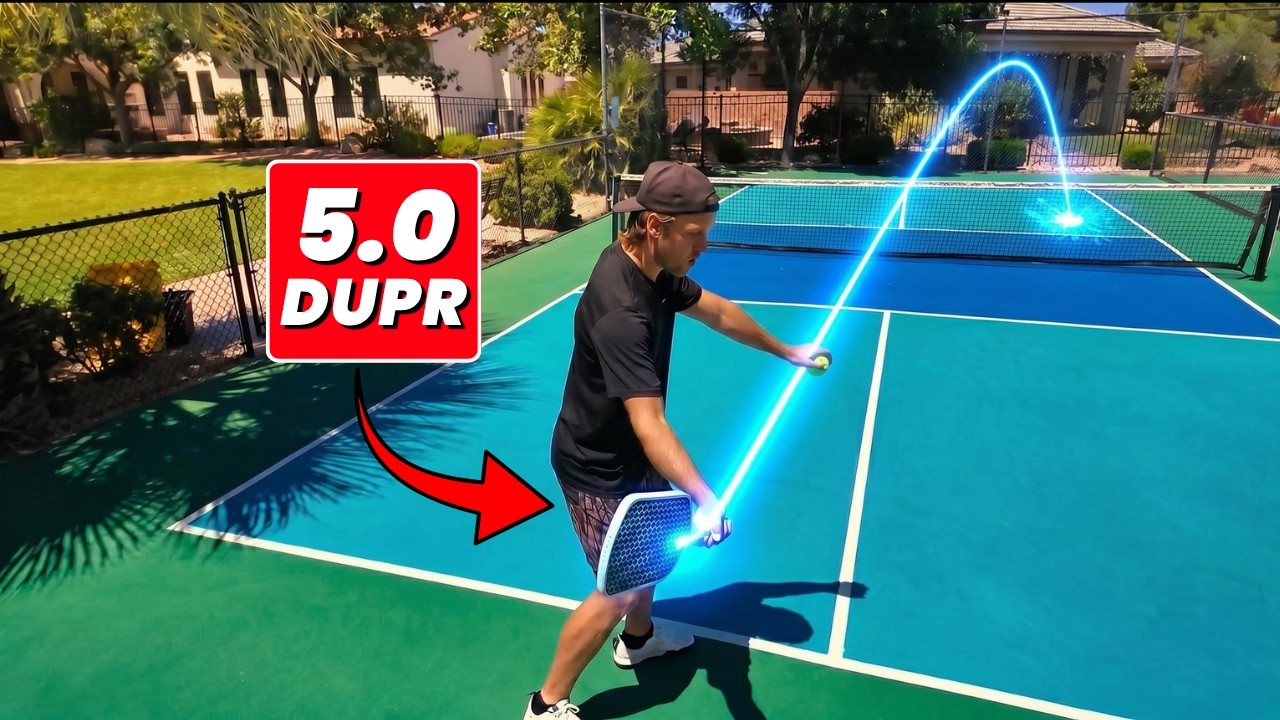
Why Does Wrist Lag Add Power?
The energy comes from the paddle accelerating through a greater range of motion.
When the paddle starts behind your wrist and finishes square at contact, it has traveled farther and faster than it would from a locked, flat position.
More paddle speed at contact means more energy transferred to the ball.
This is also why you do not need to swing harder to feel the difference. The lag does the work for you when it is set correctly.
Compare it to throwing a ball with a stiff arm versus letting your elbow bend and trail before release. The lagged position generates velocity without extra effort.
Forehand drives benefit specifically because the shoulder has room to rotate and the paddle has distance to travel.
 The Dink Media Team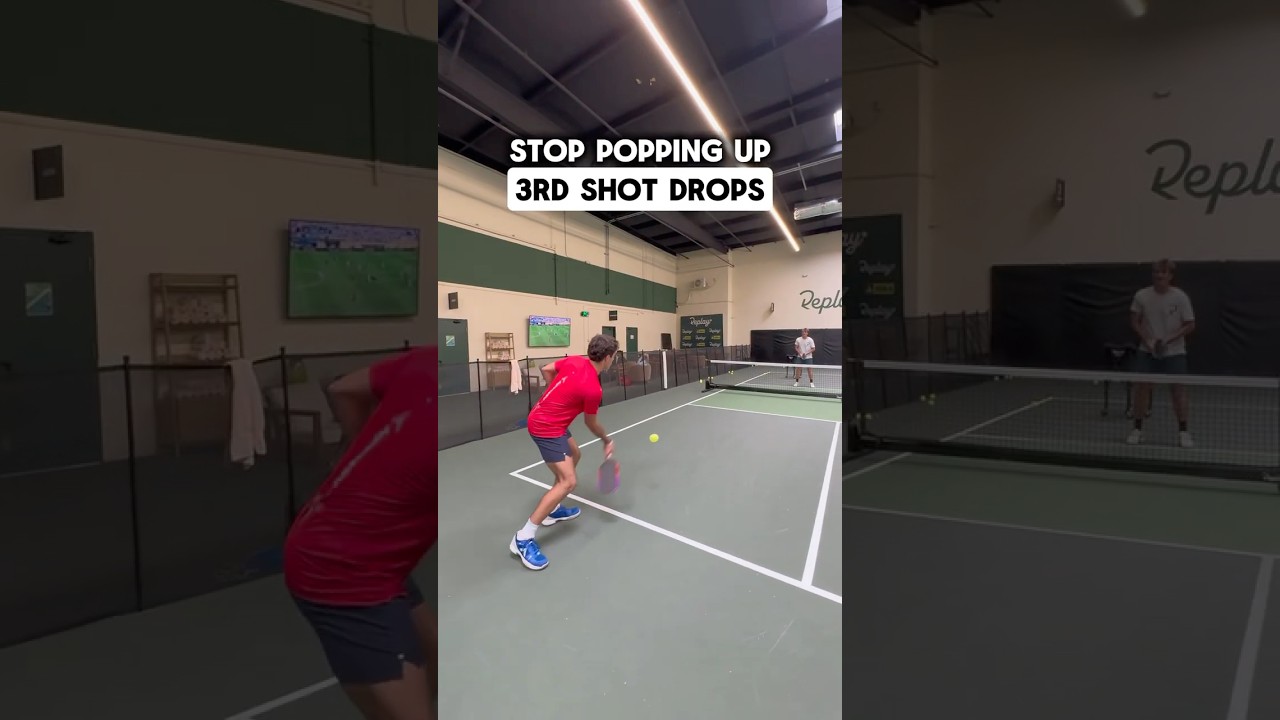
Does Wrist Lag Work on Every Shot?
Wrist lag shows up most clearly on groundstrokes and drives, where you have a full swing and time to set the position.
On dinks, resets, and soft shots at the kitchen, the principle still applies in a quieter way.
You are not actively trying to lag the paddle on a soft dink, but you also are not stiffening everything up and pushing the ball.
A relaxed wrist that allows the paddle to move naturally through contact is still better than a locked, rigid one.
For third shot drops, some lag can help you generate just enough pace to clear the net while keeping the trajectory low.
But the motion is much smaller than on a full drive, so the effect is more subtle.
The shots where you most need to think about this consciously are:
- Forehand drives from the baseline or transition zone
- Backhand drives where you have time to set your grip and position
- Overhead smashes, where lag from the shoulder rotation generates significant power
- Any groundstroke where you feel like you are muscling the ball without getting results
 The Dink Media Team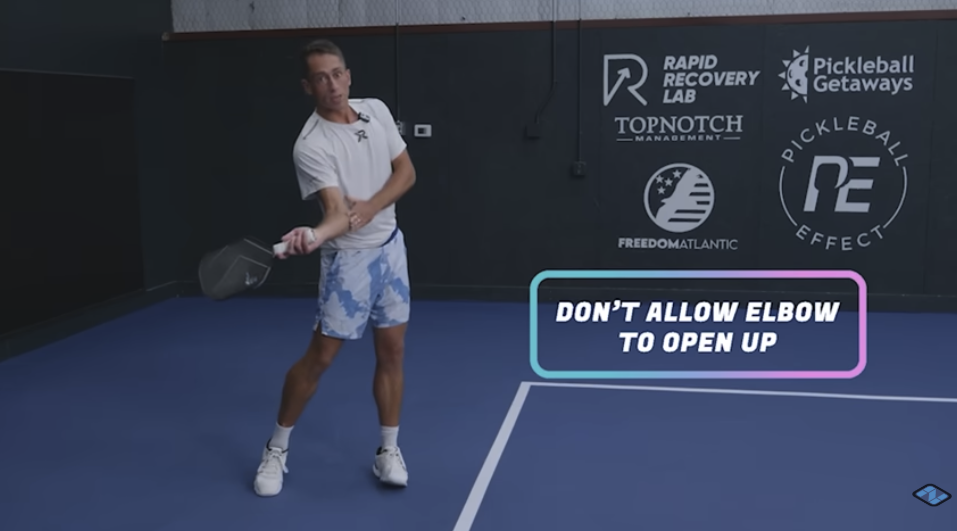
What Happens When You Over-Rotate the Wrist?
Over-rotating the wrist at contact creates inconsistent contact points and a paddle face that is constantly changing angle.
One ball goes long. The next one clips the tape. You are not making errors because of your footwork or your positioning.
You are making them because the face of the paddle is not reliably square when it meets the ball.
This is one of the most common volley mistakes too.
Players who try to flick the wrist through volleys end up with a paddle face that is angled down or across at contact, sending balls into the net or wide.
The fix is always the same: set it before, let the shoulder move it through, and trust that the paddle will square up at contact without your wrist doing extra work.
Easier said than done, especially if you have grooved the wrist-flip habit over months or years.
But this is one of those mechanical fixes that shows up fast in your ball-striking quality once you commit to it.
Your drilling approach matters here too, because you need enough slow, deliberate repetitions to make the new pattern feel natural.
 The Dink Media Team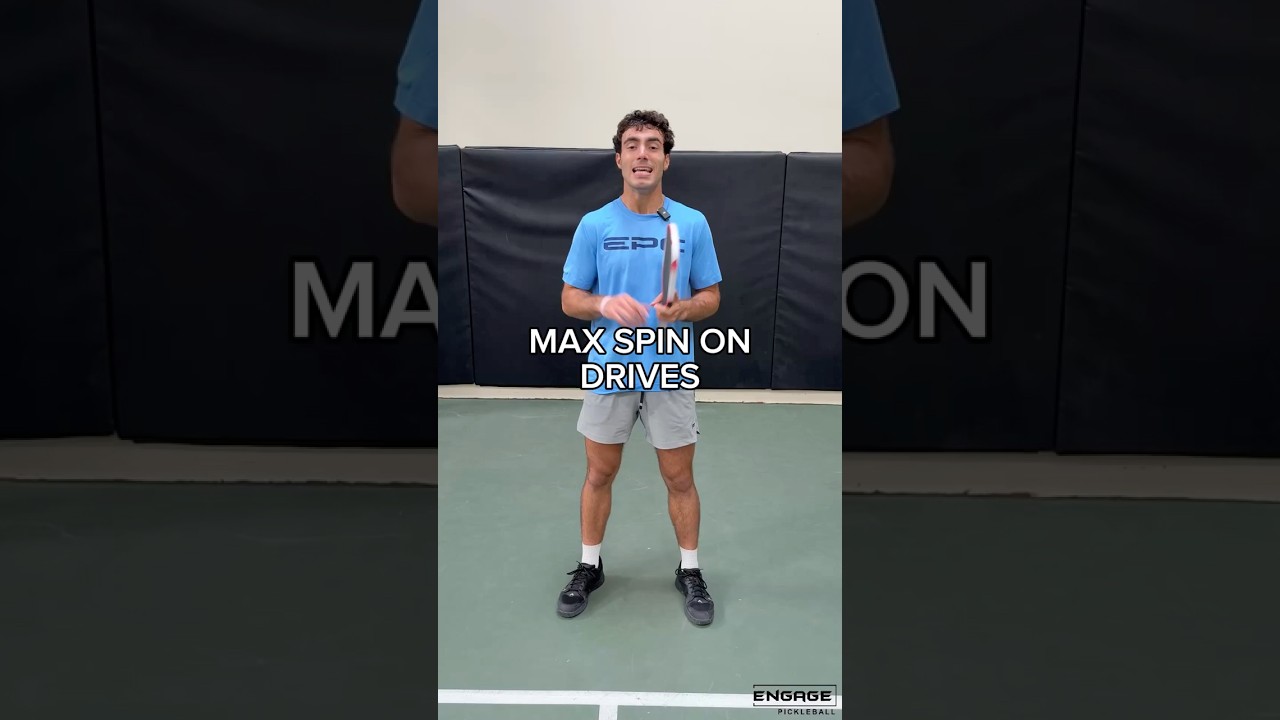
How to Practice Wrist Lag Without Grooving Bad Habits
The best way to train this is with shadow swings before you ever hit a ball.
Set the lag position and swing slowly while watching what the paddle face does.
Work in front of a fence or wall so you can see your shadow, and look for the paddle trailing, then squaring up exactly where contact would happen.
When you move to hitting, start with slower feeds or drop-and-hit drills.
Do not try to practice wrist lag during live rallies at first, because the speed of the game pulls you back into old habits before you can think.
Home practice options can be surprisingly effective for drilling this kind of swing feel.
Once the shadow swing and slow-feed version feel right, move to full drilling and then gameplay.
 The Dink Media Team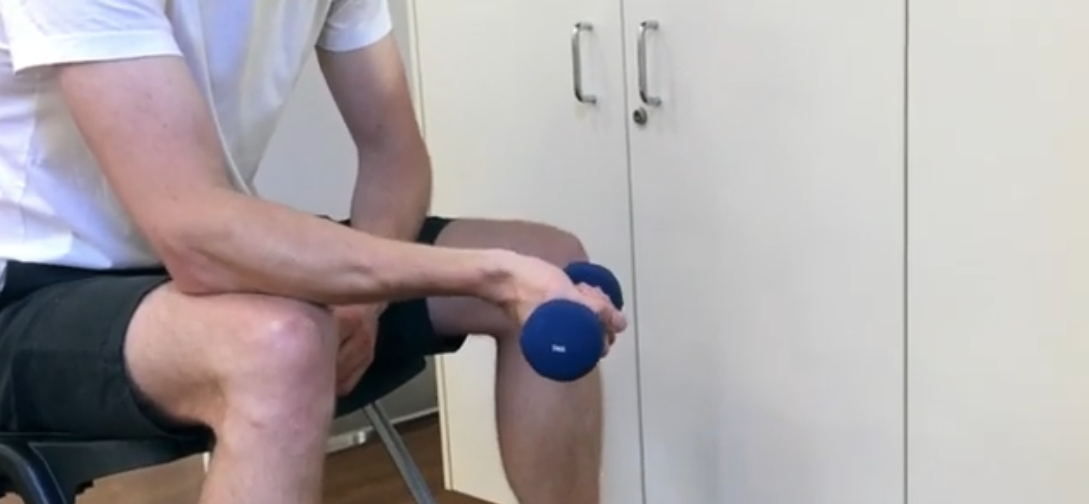
Stop Treating Wrist Lag Like a Party Trick
The reason this concept keeps getting misunderstood is that players hear about it and immediately want to feel it happening.
So they exaggerate the wrist snap. They try to make the lag visible and dramatic.
They turn a subtle mechanical advantage into a sideshow move that hurts their shots more than it helps.
Real wrist lag is not dramatic. When someone with clean mechanics hits a forehand drive, you might not even notice the lag is there.
What you will notice is that the ball leaves the paddle with unusual pace and a solid, clean sound.
That is what you are working toward.
The drills pro players use are built around exactly this kind of quiet, efficient mechanics that do not call attention to themselves but show up clearly in the results.
Set the lag. Move the shoulder. Let the paddle do its job.
That is the whole formula.
If you want to take your mechanics further and get a personalized read on what is actually holding your game back, skill-specific coaching and targeted practice plans make the biggest difference at every level.
Frequently Asked Questions
What is wrist lag in pickleball?
Wrist lag in pickleball means the paddle head trails behind your wrist at the start of your swing, then squares up at the point of contact. It adds energy to the shot without requiring extra wrist action during the swing. You set the position before the swing, not during it.
Should I actively snap my wrist to create wrist lag?
No. Actively snapping the wrist is the most common mistake players make when trying to use wrist lag. The lag is a preset position, and the shoulder drives the swing forward while the paddle catches up naturally at contact.
Does wrist lag work on soft shots like dinks and resets?
Wrist lag is most useful on drives and groundstrokes where you have a full swing. On dinks and resets, the principle of a relaxed wrist still applies, but you are not actively setting a lag position the way you would on a full shot.
Why does my forehand drive feel inconsistent even when I try to use wrist lag?
Inconsistency usually means you are adding active wrist rotation at contact instead of letting the shoulder drive the swing. The paddle face angle changes every time you flip the wrist, which sends balls to different spots. Focus on setting the lag early and keeping the wrist relatively passive through the swing.
How long does it take to ingrain correct wrist lag mechanics?
Most players start feeling the difference in a few focused practice sessions, but grooving it reliably takes several weeks of deliberate drilling. Shadow swings and slow-feed drills are the fastest way to build the new pattern without falling back into old habits during live play.

Love Pickleball? Join 100k+ readers for free weekly tips, news & gear deals.
Subscribe to The Dink