
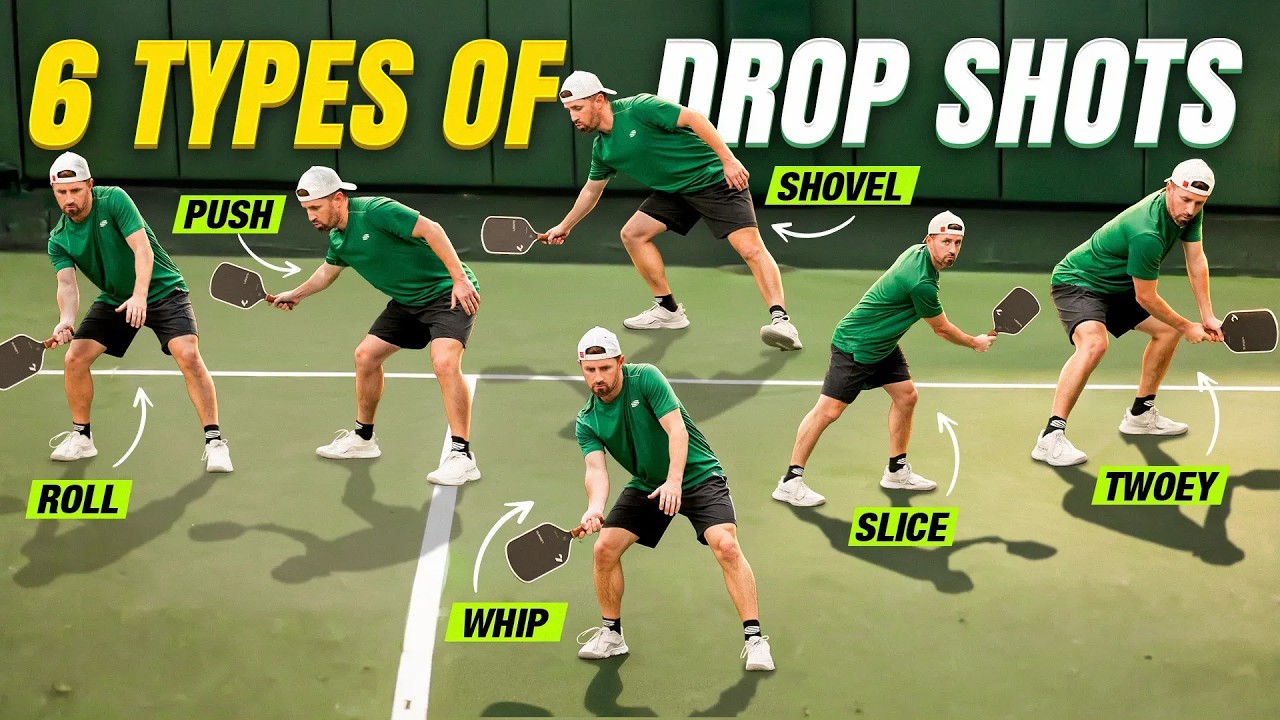
6 Third Shot Drop Techniques Every Pickleball Player Should Know
The third shot drop is the shot that separates developing players from competitive ones. Here are 6 specific techniques to hit it better in every situation.
The third shot drop is the shot most players know they need but never fully commit to learning.
You hit a serve, your opponents return it deep, and suddenly you're stuck at the baseline with no clear path to the net.
Most players either drive every ball into trouble or try one generic drop and wonder why it keeps popping up.
The problem is not the shot itself. The problem is that there is more than one way to hit a third shot drop, and different situations call for different techniques.
These six variations come from PlayPickleball.com on YouTube, a channel dedicated to breaking down the game in a way that actually translates to the court.
Here is exactly what they cover and when to use each one.
Love pickleball? Then you'll love our free newsletter. We send the latest news, tips, and highlights for free each week.
1. The Push Drop: The Most Beginner-Friendly Option
The push drop is the safest, most consistent third shot drop for players still building their game.
It requires minimal wrist action and rewards solid mechanics over athleticism.
To hit it correctly, keep a slightly open paddle face and swing from the shoulder with a neutral wrist.
You are not trying to slap or flick the ball.
You are pushing it toward your target with a smooth, connected motion, letting the open face create a small amount of backspin naturally.
This shot creates loft. More loft means more time to advance toward the kitchen after your third shot.
Think of it this way: the push drop is not flashy, but it keeps you in the point while you move forward.
One specific situation where this shot shines is in transition.
If you hit a drive and your opponent blocks it back softly, you may find yourself mid-court needing a reset.
That is the perfect moment to use a push drop instead of forcing a topspin attempt from an awkward position.
2. The Shovel Drop: When the Ball Gets Behind You
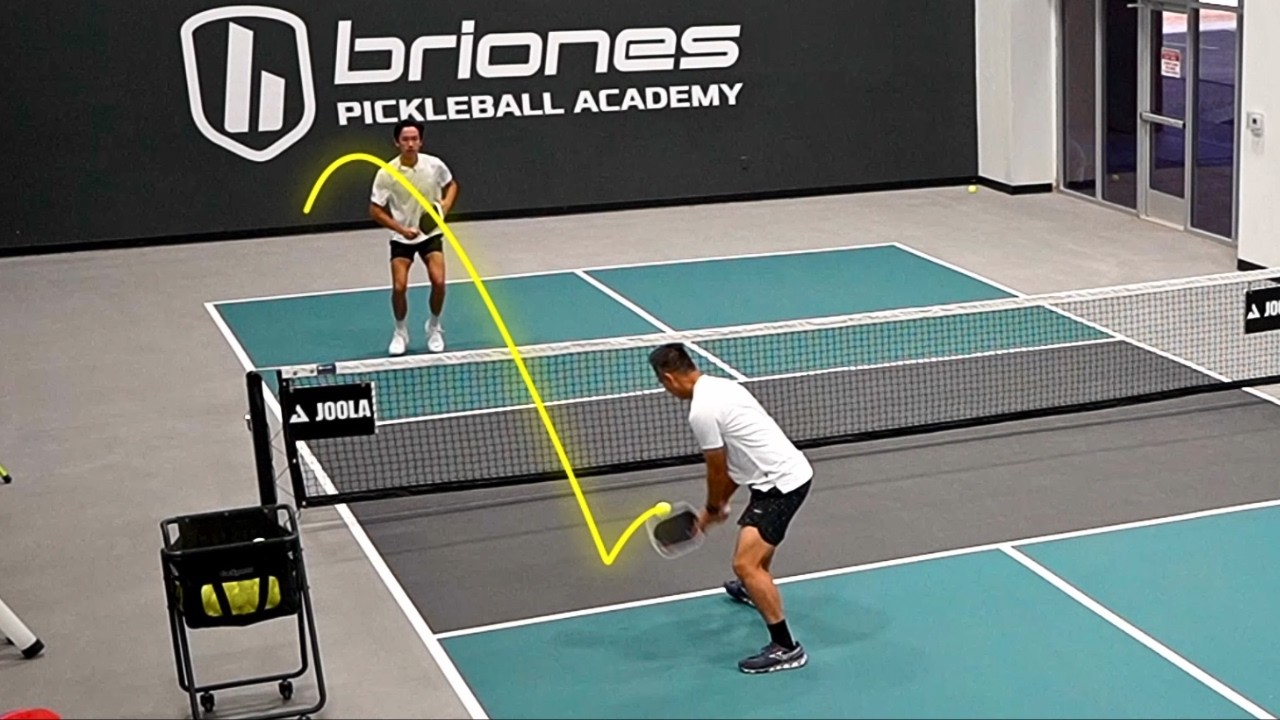
The shovel drop is a variation of the push drop, and it is the one Ben Johns reportedly uses more than 50 percent of the time.
It exists specifically for moments when the ball beats you back or catches you slightly off balance.
Instead of keeping the paddle face open and pushing straight through, you turn the wrist slightly inward and come around the outside of the ball.
That outside-the-ball contact lets you still redirect the shot into the court even when your body is not in an ideal position.
A critical tip here: do not drop your paddle tip.
Keep it slightly elevated and get low with your body to get underneath the ball.
The shovel drop is also most effective when the ball pulls you outside your normal contact zone, giving you more reach and buying time to reset your balance before the next shot.
If you want to understand how pros handle tough positions, this breakdown of Jack Sock's third shot drop techniques is worth reading alongside this one.
What Is the Apex, and Why Does Timing Matter So Much?
Before covering the topspin variations, you need to understand the apex. The apex is the highest point the ball reaches after bouncing.
Every topspin drop is timed relative to this moment.
If you take the ball too early on the rise, you will almost certainly pop it up.
If you wait until it has dropped past the apex and is falling back down, you give yourself a better angle to brush up on the ball and create the dipping topspin you need.
This timing detail is the single biggest reason most players struggle with the topspin drop.
Understanding the apex fix can change how every topspin drop you hit feels from the very first session.
 The Dink Media Team
3. The Forehand Topspin Roll Drop: High Pressure, High Reward
The forehand topspin roll drop is the most offensive third shot drop in the game.
When you hit it well, the topspin pulls the ball down below the net, forcing your opponent to dig it up and giving your partner a chance to attack whatever pops up.
Here is the checklist for this shot:
- Let the ball fall past the apex before swinging
- Keep the paddle face slightly open at contact
- Contact the ball in front of your back knee, never behind your body
- Use a low to high arm motion, not a wrist flick
- Keep the wrist firm and let the whole arm create the brush
The most common mistake players make is trying to windshield-wiper their wrist to create spin. That approach is inconsistent.
A firm wrist with full arm movement creates more reliable topspin with less effort.
For more on how wrist position shapes your drop, this wrist fix guide covers the mechanics directly.
If you want to add extra pressure, try contacting the side bottom of the ball to generate a touch of sidespin along with the topspin.
Your opponents will have a much harder time reading the bounce.
 The Dink Media Team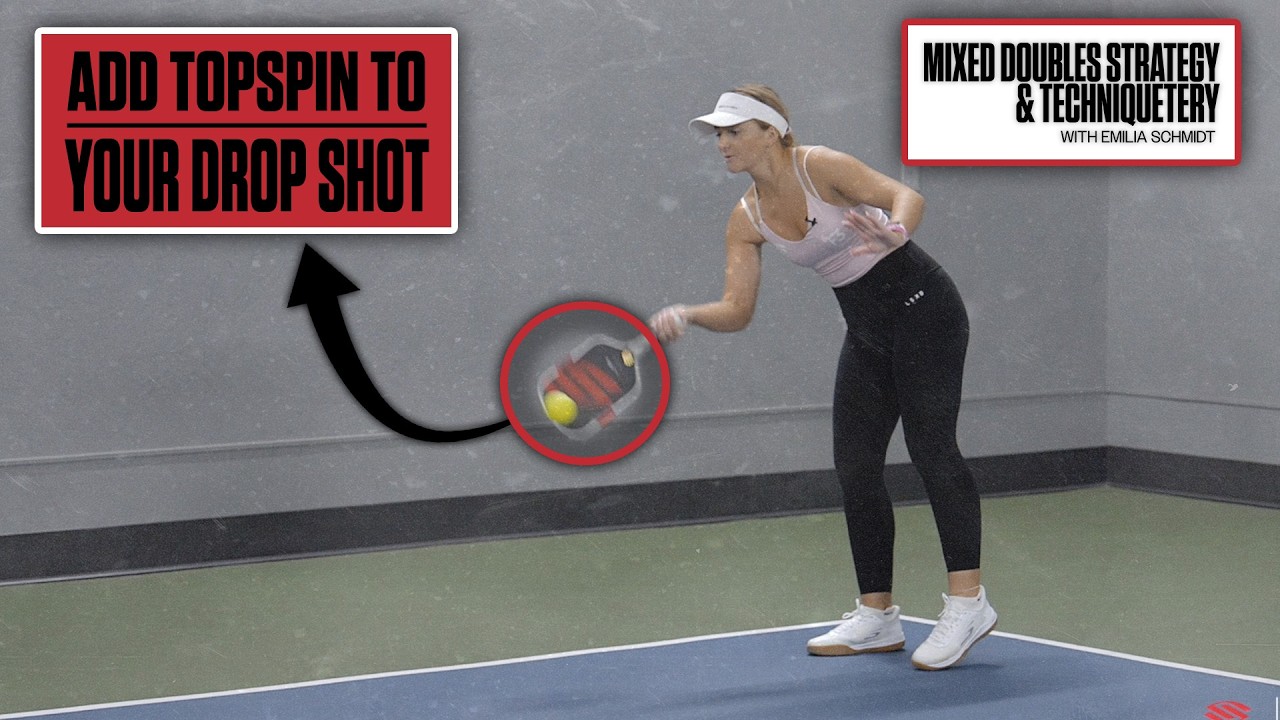
4. The Two-Handed Backhand Roll Drop: More Stability Than You Think
The two-handed backhand roll drop is gaining popularity at every level, and for good reason.
Many players find it more consistent than a one-handed backhand drop once they put in the practice time.
The key to this shot is understanding which hand does the actual work. Your dominant hand just holds the paddle.
Your non-dominant hand drives the swing.
You can actually practice this by choking up on the grip with one finger and hitting opposite-hand topspin drops in isolation until the motion feels natural.
Getting low is non-negotiable here. You should feel like you are sitting in a chair.
The lower your stance, the easier it is to get under the ball and brush up with a true low to high motion.
Some players cue themselves by thinking about finishing with their chin pointed toward their opposite shoulder after the follow-through.
These five keys to mastering the two-handed backhand roll go deeper into the mechanics.
The downside is that this shot demands genuine commitment to your stance. If you stay upright, you will pop the ball up almost every time.
 The Dink Media Team
5. The Backhand Slice Drop: Your Best Friend When You Are Out of Position
The backhand slice drop does not get enough credit.
Most players treat it as a last resort, but it is actually one of the most reliable drops you can use when you are pulled wide or off balance.
Because it is a one-handed shot, you get significantly more reach than any two-handed option.
That reach is the whole point when the ball pulls you out of your stance. The slice gives you time and space to recover.
Think of the swing path as a Nike swoosh. You go high, dip low through contact, and come back up on the follow-through.
Here is a checklist for the slice drop:
- Start with hands together as you approach the ball
- Separate your hands as you swing to maintain balance
- Keep the wrist firm through the entire swing
- Use your big muscles, not a short chopping motion
- Finish high after contact, not chopped down toward the ground
The biggest mistake is cutting straight down without the follow-through back up. That chop kills your control and creates inconsistency.
Hitting a slice without losing control is a skill worth developing separately from your drop game.
For more on the backhand drop specifically, these three keys to a better backhand third shot drop are a great companion read.
 The Dink Media Team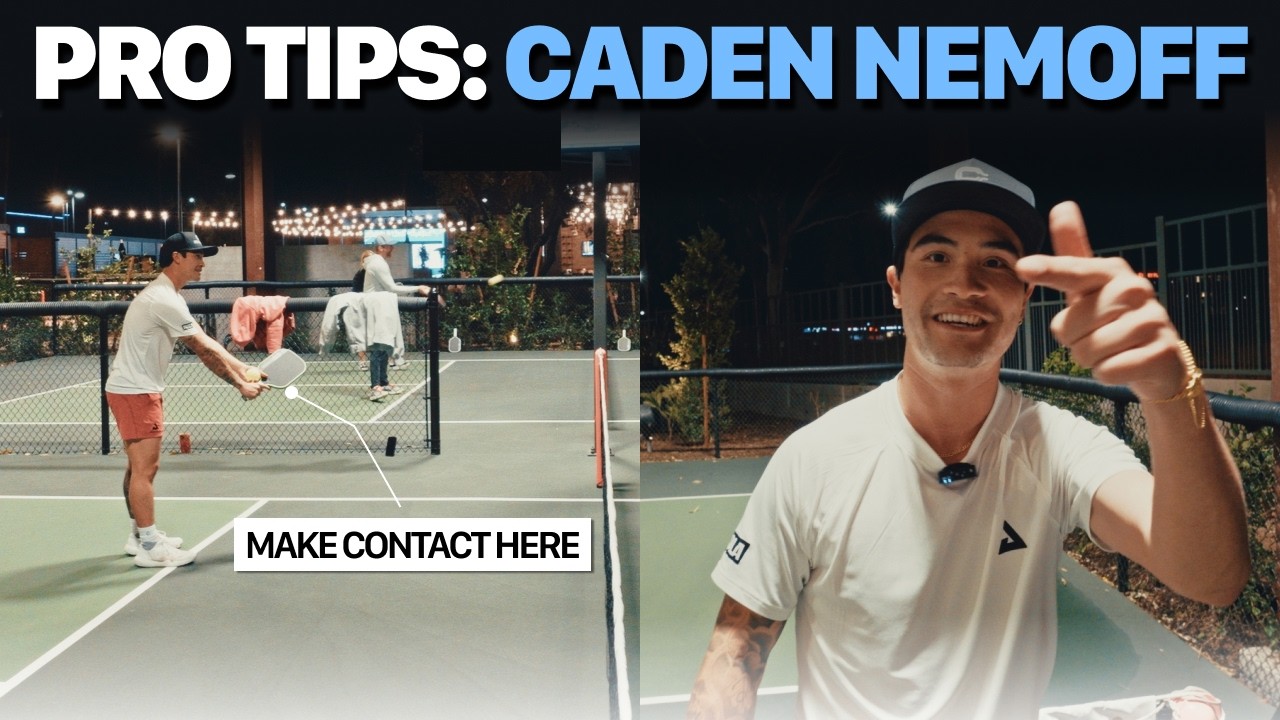
Is the Slice Drop Actually Competitive at Higher Levels?
Yes, absolutely. The slice drop is defensive by nature, but defensive does not mean weak.
It means you are buying time to get back into position and giving yourself the next ball in a better spot.
At higher levels, point construction matters as much as raw power.
A well-placed slice drop that lands softly in the kitchen and allows you to advance is far more valuable than a drive that gets attacked back at your feet.
These third shot drop placement fixes can help you understand where each variation should land for maximum effect.
 The Dink Media Team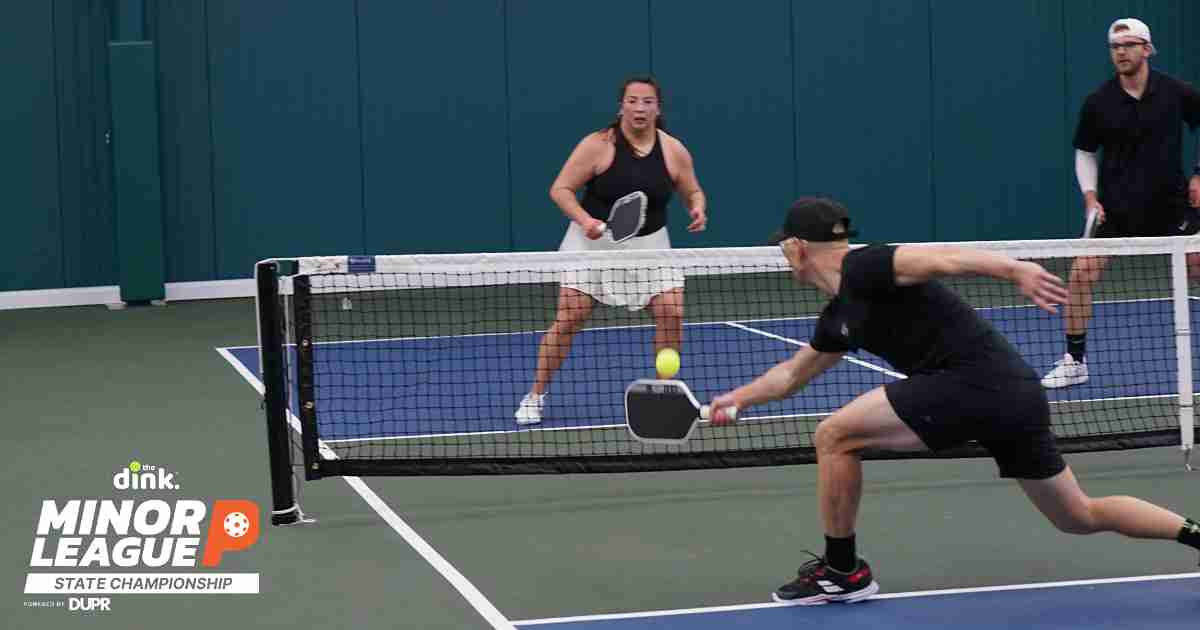
6. The Chariot Whip Drop: The Shot Most Players Have Never Tried
The chariot whip drop is the most unusual variation on this list, and it challenges the assumption that topspin always requires a follow-through across your body.
With a standard topspin drop, you brush through and finish on the opposite side.
With the chariot whip drop, you finish on the same side as your swing. Think of the motion as answering a phone.
You let the ball fall past the apex, catch it on the descent, and snap through while keeping the finish on your same side.
Position your back leg directly behind the ball at contact. That grounding helps you generate the whip motion without losing control of where the ball goes.
The result is a drop with genuine topspin and loft despite the unconventional finish.
This variation is especially useful for players who struggle to generate topspin the traditional way. Some people are simply wired better for this motion.
If you have tried the standard roll drop repeatedly and it never clicks, try the chariot whip. You might find it far more natural.
For players who want a broader view of how the third shot connects to the rest of your game, the three-zone system for choosing between a drop and a drive is essential reading.
 The Dink Media Team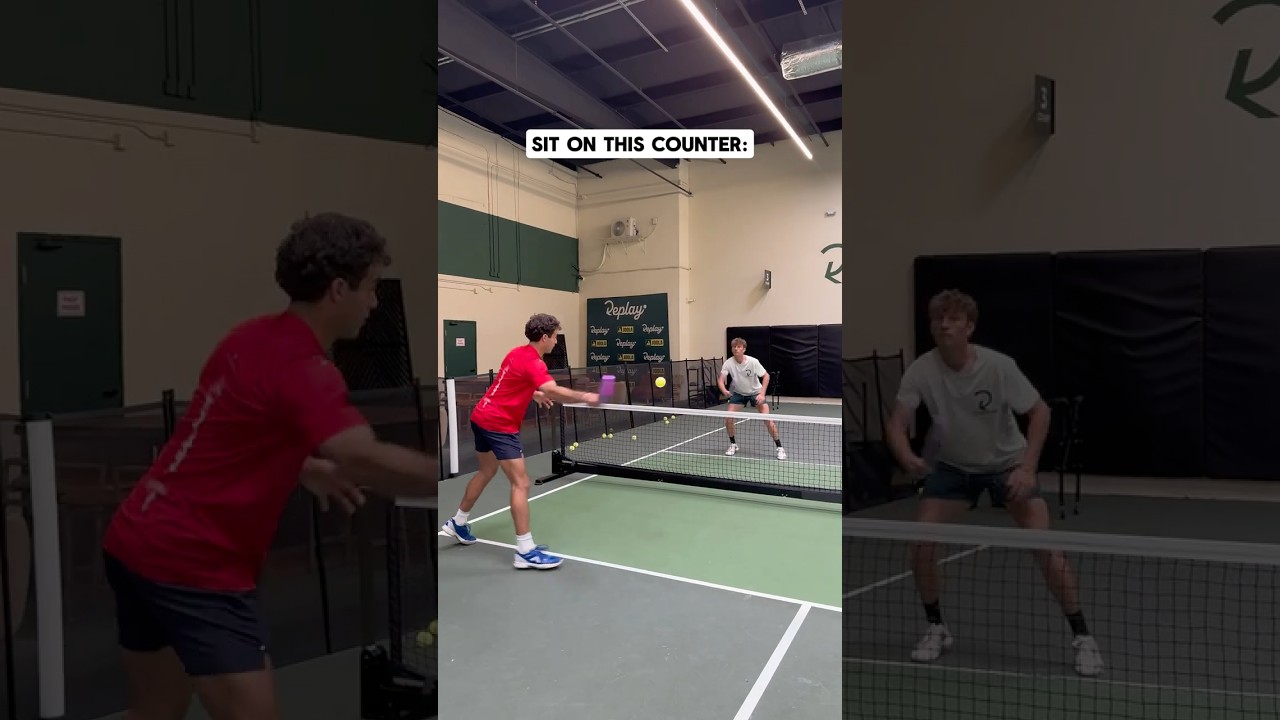
Which Drop Should You Use and When?
Matching the right drop to the right situation separates players who understand the shot from those who are just guessing.
Here is a simple framework:
- Ball behind your body or wide: Shovel drop or backhand slice drop
- In transition zone after a drive: Push drop
- Ball lands at apex with time to set up: Forehand topspin roll drop
- Return comes to your backhand with room: Two-handed backhand roll drop
- Pulled far off court: Backhand slice drop for maximum reach
- Struggling to generate topspin normally: Chariot whip drop
No single drop works in every situation.
The players who win more third-shot exchanges are the ones who have practiced all of these and can call on the right one without overthinking it.
If your drilling is not translating to match play, the issue is often that you practice one version of a shot without building the decision-making around when to use it.
Start with the push drop and slice drop to build consistency. Add the forehand topspin roll drop once your timing feels reliable.
Then layer in the others as your court awareness grows.
For 4.0 players specifically, these tips that actually work can give you a broader framework for where the third shot fits into your overall development.
Frequently Asked Questions
What is the easiest third shot drop for beginners?
The push drop is the most beginner-friendly third shot drop because it relies on shoulder movement and a stable wrist rather than complex spin mechanics. Keep the paddle face slightly open and follow through toward your target. The natural backspin from the open face will create enough arc to clear the net and land softly.
Why does my third shot drop keep popping up?
The most common cause is taking the ball too early, before it falls past the apex. Wait for the ball to reach its highest point and begin descending before you swing. Contacting the ball behind your body also causes pop-ups, so make sure contact happens in front of your back knee.
What is the chariot whip drop in pickleball?
The chariot whip drop is a topspin drop where you finish the swing on the same side of your body instead of crossing over to the opposite side. You let the ball fall past the apex, contact it on the descent with your back leg grounded behind the ball, and finish by "answering the phone." It is a useful alternative for players who struggle to generate topspin with the traditional follow-through.
When should I use a backhand slice drop instead of a topspin drop?
Use the backhand slice drop when you are pulled wide or off balance and need extra reach and recovery time. The one-handed motion gives you more extension than a two-handed shot. Its natural arc also buys you time to get back into position before the next ball arrives.
How do I know if I should hit a third shot drop or a drive?
Your position on the court and the quality of the return are the two main factors. If you are deep in the court and the return is low, a drop is almost always the smarter choice. If the return sits up and you are closer to the kitchen, a drive can create pressure, but know that a failed drive usually leaves you stuck at the baseline against opponents at the net.

Love Pickleball? Join 100k+ readers for free weekly tips, news & gear deals.
Subscribe to The Dink