The topspin drop is the shot that turns your weak floating third into a ball that dies in the kitchen. Here are five keys and one drill to groove it.
The topspin drop is the shot that separates players who get attacked from players who get to dictate the point.
If your third shot floats, sits up, and comes back at your feet, the problem usually is not power. It is spin.
Here is how to hit a forehand topspin drop that dips hard, lands in the kitchen, and takes the counterattack away.
Five keys, one simple drill, and the exact technique a Selkirk TV coach teaches on this shot.
Love pickleball? Then you'll love our free newsletter. We send the latest news, tips, and highlights for free each week.
What Is a Topspin Drop, and Why Does It Beat a Flat Drop?
A topspin drop is a third shot hit with forward spin so the ball drops sharply into the kitchen instead of floating, which stops your opponent from taking it out of the air and attacking.
Think about what a flat drop does.
It travels in a lazy arc, and the peak of that arc gives your opponent a window to step in, reach up, and drive it back at you.
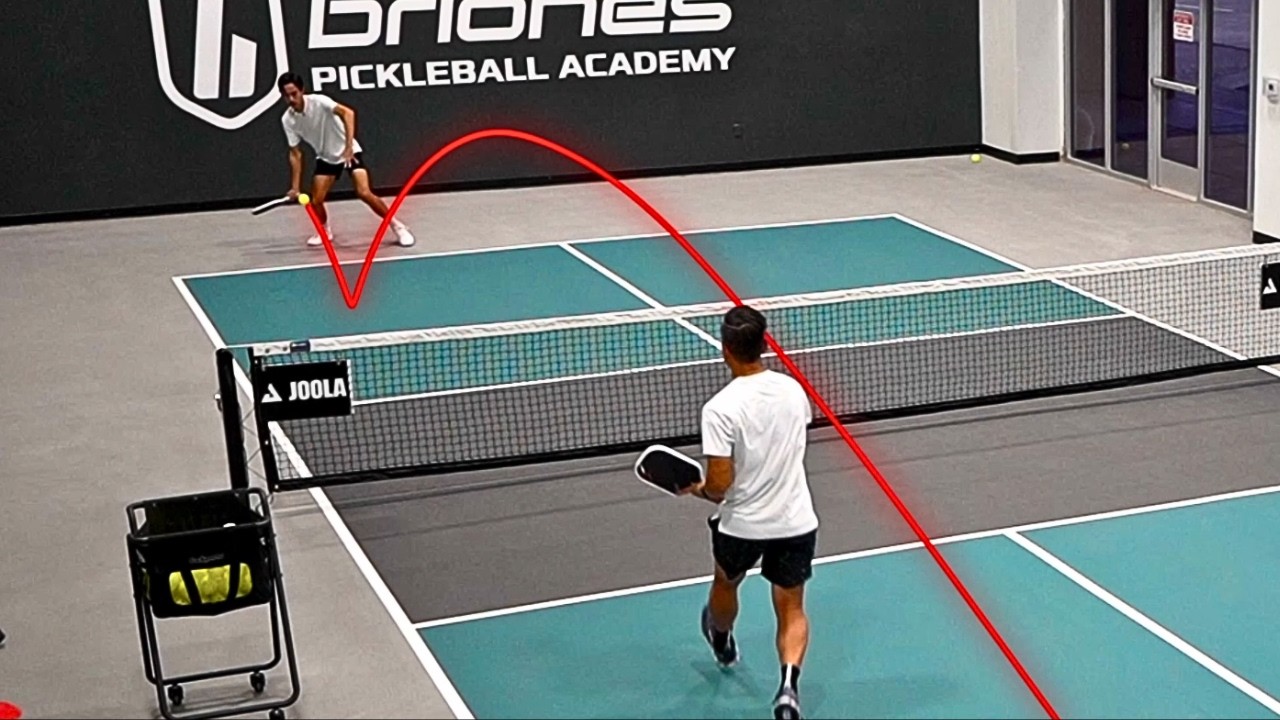
Topspin changes the shape of the ball flight. The forward rotation pulls the ball down faster after it clears the net, so it lands short and low.
That is the whole point: get it dipping so it bounces inside the kitchen before anyone can volley it.
This is the same logic behind the topspin drop fixes that keep a third shot low, and it is why the spin version has quietly become the standard at higher levels.
If you want the bigger framework around when to drop versus drive, our third shot drop guide by skill level breaks it down from 3.0 to 4.0.
Understanding why the topspin drop works mechanically is the first step to grooving it consistently under match pressure.
Key 1: Brush from Low to High — Up and Over the Ball
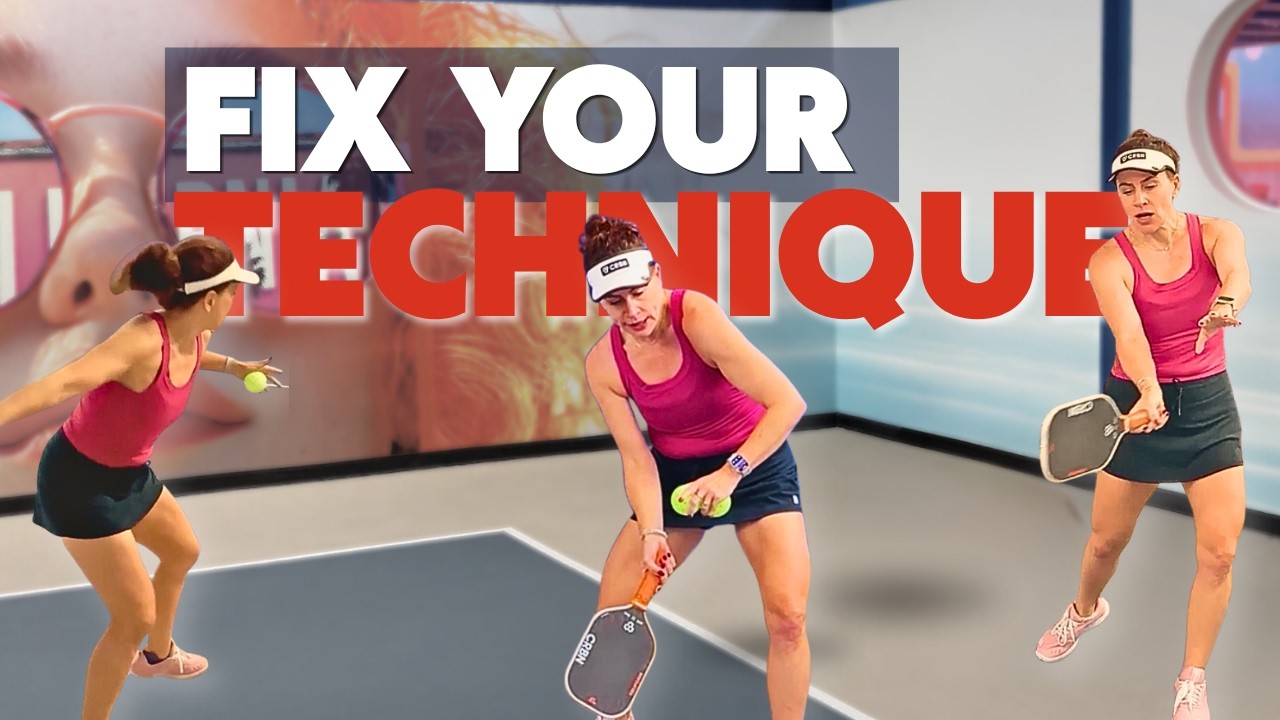
To create topspin you go underneath the ball, then up and around and over it, finishing high.
That low-to-high path is everything.
Drop your paddle below the contact point, then accelerate upward so the face brushes the back of the ball and rolls over the top.
If you swing flat or down, you kill the spin and the ball floats. The brush is what generates the rotation that makes the ball dip.
The coach in the video describes it simply: get the paddle moving up and around and over.
That single image fixes more drops than any amount of extra arm strength.
Players who have studied the 5 pickleball shots to master before 2026 will recognize this brushing mechanic as a foundational movement that shows up across multiple strokes.
Key 2: Let Your Wrist Guide the Topspin Drop Through Contact
Use your wrist to project the topspin, guiding the ball through contact rather than slapping at it.
Your wrist is the spin engine on this shot.
As the paddle travels up, the wrist rolls forward and helps whip the face over the ball, which adds the rotation that pulls it down.
Keep it smooth. You are guiding the ball, not muscling it. A relaxed wrist that rolls through contact will out-spin a tight, jerky one every time.
This is the same wrist mechanic that powers the backhand topspin dink, so reps on one shot pay off on the other.
If you tend to flinch and pop the ball up under pressure, the technical fix for popping up your shot is worth a read alongside this.
Want a deeper dive on spin itself? Pro coach Zane breaks down how to actually use spin in a way that complements everything here.
Research published in 2025 shows that players who intentionally train wrist rotation generate measurably more topspin than those relying on arm speed alone.
 The Dink Media Team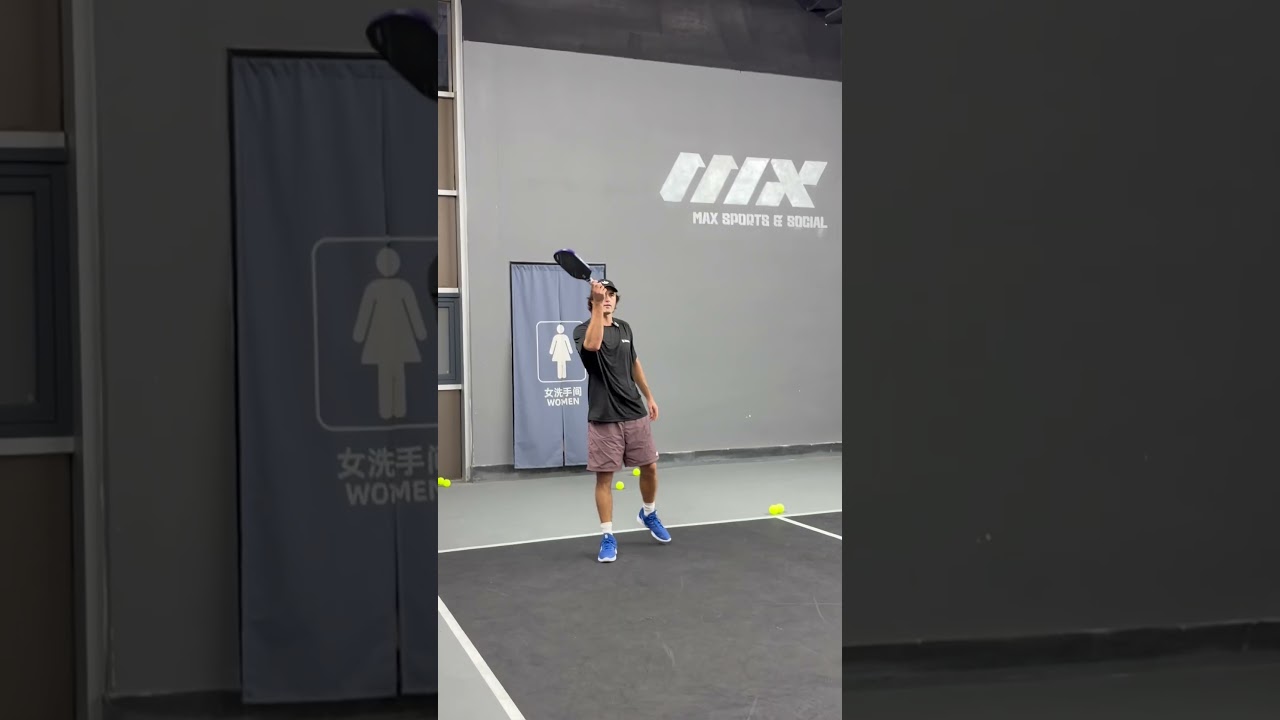
Key 3: Hit the Topspin Drop Cross Court, Forehand to Forehand
Hit your topspin drop cross court, forehand to forehand, because the diagonal is the longest, safest path on the court.
The cross court ball travels over the lowest part of the net and has more court to land in.
That margin is exactly what you want on a shot that has to be precise.
In the drill setup, you stand on the right side and drop the ball all the way across to your opponent's forehand at the kitchen. Same diagonal, every rep.
Going cross court also buys you time to move forward behind the shot, which sets up the next ball.
For the gritty details on shot placement off the kitchen line, see our breakdown of kitchen control.
The cross court trajectory also gives you the most room to correct an error mid-swing, which is why coaches at every level teach it as the default third shot direction.
 The Dink Media Team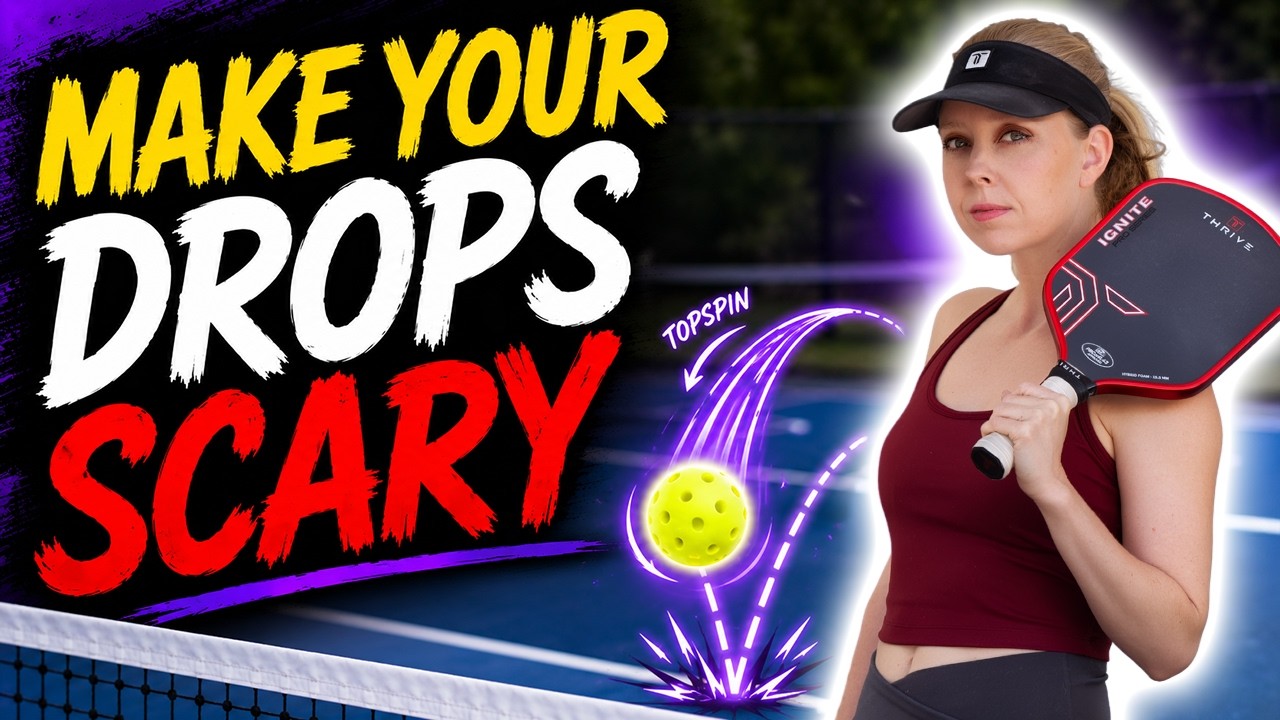
Key 4: Set Up in an Open Stance So You Can Move
Hit the topspin drop from an open stance, facing the ball, so you can move forward, defend, and recover without resetting your feet.
An open stance keeps your body square to the oncoming ball.
From there you can push up to the kitchen easily, and you can defend a fast reply because you are already front on and facing it.
A closed, sideways stance locks you in place.
The open stance keeps you mobile, which matters because the topspin drop is almost never the last ball of the rally.
This footwork is the same idea that makes the transition zone survivable: stay balanced and facing forward so the next ball does not catch you flat.
Players working on modern strategies for winning in 2026 will find that stance and mobility are consistently listed as the differentiating factors between 4.0 and 5.0 play.
 The Dink Media Team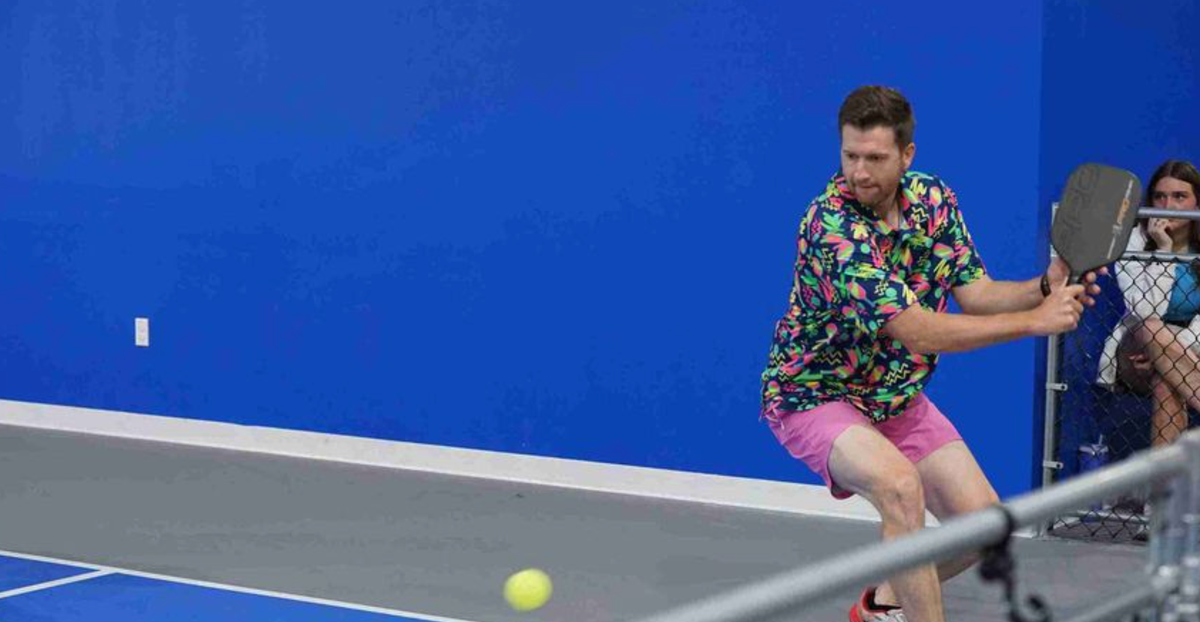
How Much Should the Ball Dip on a Topspin Drop?
You want the ball dipping enough that it bounces inside the kitchen, so your opponent cannot take it out of the air.
That is the test. If they can volley your drop before it bounces, it floated. If it forces them to let it bounce and dink, you won the exchange before it started.
The equipment you swing matters here too.
A textured face grips the ball and helps you generate spin, which is why spin potential is one of the first things reviewers measure when they rank the best pickleball paddles.
According to Amazon's 2025 pickleball data, paddle sales surged 55% as more players upgraded to spin-optimized equipment.
 Eric Roddy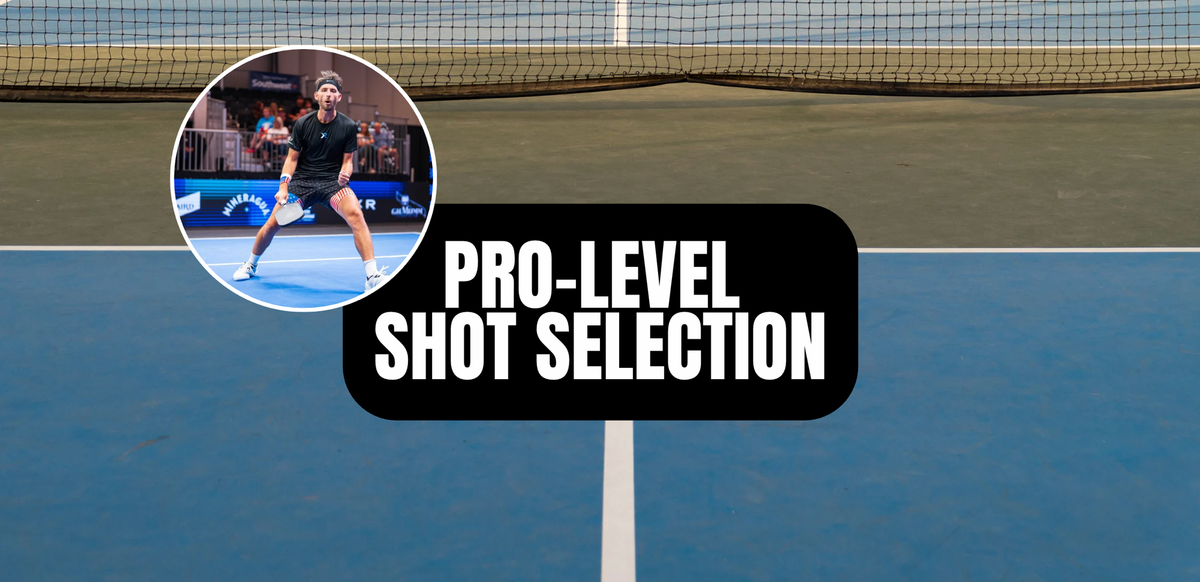
Key 5: Recover to Ready Position After Every Topspin Drop
The moment you hit the topspin drop, retreat back into ready position in case the reply comes to your backhand.
Too many players admire the shot and freeze. The ball is in the air for less than a second, and a good opponent will redirect it to your weaker side.
Get the paddle back to neutral, eyes up, weight balanced. You hit the drop to earn a better position, so claim it by being ready for the next ball.
If a fast attack does come back, knowing your recovery position after an attack keeps you in the rally.
If your partner hits the great drop instead of you, your job changes. Here is how to capitalize on your partner's good third shot drop and move up as a unit.
 The Dink Media Team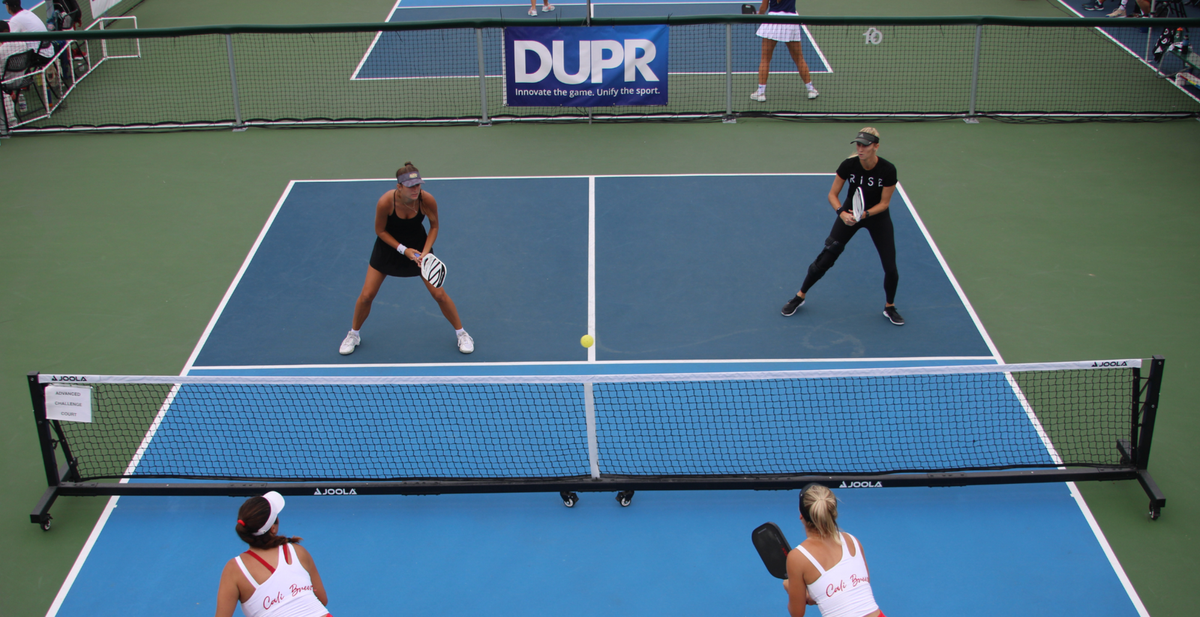
The Simple Drill to Groove Your Topspin Drop
All you need is one partner and a single repeating pattern: cross court topspin drops, over and over.
Set it up like this:
- You start on the right side of the baseline, your partner stands at the kitchen line diagonally across from you.
- Your partner's job is to take any floater out of the air and attack it, which gives you instant feedback.
- You drop the ball cross court to their forehand, brushing low to high for topspin.
- After each drop, move up, then back, then up again, retreating to ready position between reps.
- Chase volume. Get in as many quality reps as you can before switching sides.
The attacking partner is the secret ingredient. Every time your drop sits up, it gets punished, so you learn fast what "dipping into the kitchen" actually feels like.
This drill is one of the 12 drills you need to play your best pickleball in 2026 — structured repetition with instant feedback is how muscle memory for the forehand topspin drop actually forms.
Quick checklist while you drill:
- Path: low to high, up and over the ball.
- Wrist: roll it through contact to project the spin.
- Stance: open and facing the ball.
- Target: cross court, forehand to forehand, dipping into the kitchen.
- Recovery: back to ready position, every time.
 The Dink Media Team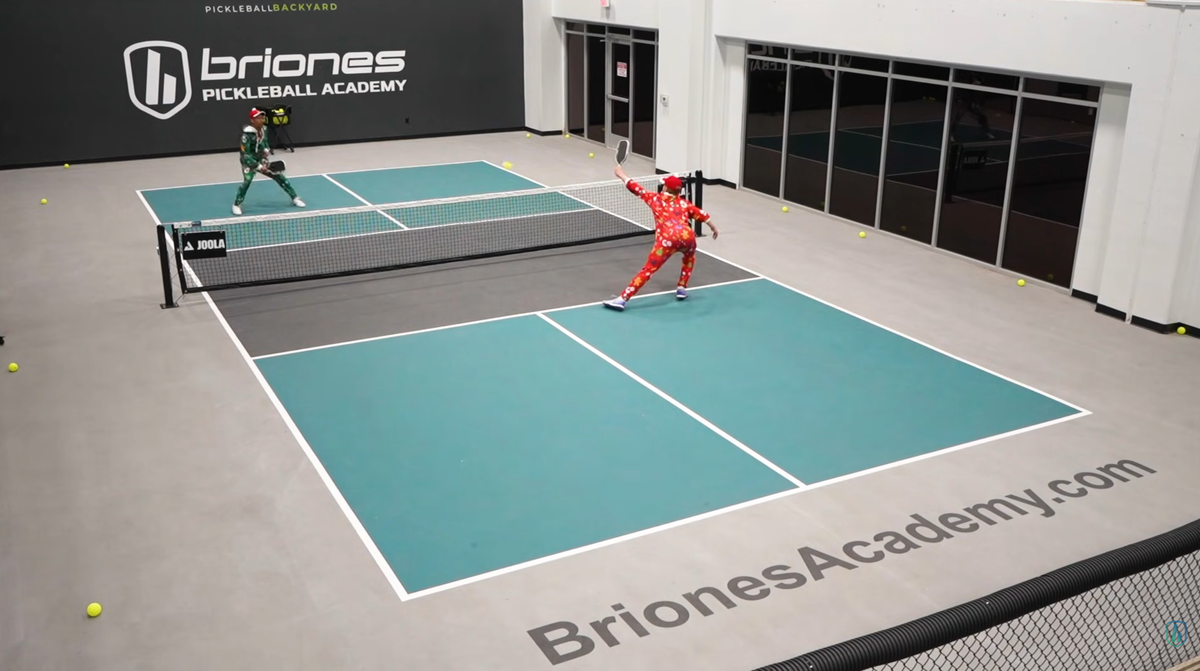
Where the Topspin Drop Fits in Your Game
The topspin drop is a control shot with an attacking heart, which is exactly why aggressive right side players lean on it.
Watch a heavy-topspin right side specialist like Gabe Tardio and you will see this shot used to crawl into the kitchen against opponents who would happily counter a flat ball.
The spin removes their best option.
Pickleball has exploded enough to draw celebrity team owners and rival pro leagues, and the level of play has climbed right along with it.
Soft, floaty thirds simply do not survive at the top anymore.
Why professional players abandoned the slice shot in 2025 is a direct case study in how topspin-based drops have replaced older, flatter techniques at the highest levels.
If you also want a power option from the baseline, pair this with the drive and drop combo so your opponents never know which is coming.
And once you are comfortable, study the three essential third shot drop variations to round out the toolkit.
For the bigger picture on what separates recreational from competitive players, 6 essential pickleball shots to master for 2026 puts the topspin drop in full context.
Frequently Asked Questions
Why Does My Topspin Drop Keep Going Into the Net?
You are likely brushing up the back of the ball without enough forward swing, so all your energy goes into spin and none into clearing the net. Keep the low-to-high path, but commit to moving the ball forward and through, not just up. Engage your legs to add the depth your wrist alone cannot.
Do I Need a Spin Paddle to Hit a Topspin Drop?
No, technique creates the spin, not the paddle. A textured carbon face makes it easier to grip the ball, but the brushing motion and wrist roll are what generate topspin. Groove the mechanics first, then let the equipment add margin.
Should I Hit a Topspin Drop or a Flat Drop?
Use topspin when your opponent is camped at the kitchen ready to attack, because the dip keeps the ball away from their volley. A flat or dead drop can work when you simply need a soft reset under pressure. The topspin version gives you more control of the bounce, which is why it is the higher-percentage choice as you improve.
Where Should the Topspin Drop Land?
Aim for the ball to bounce inside the kitchen, cross court to your opponent's forehand. Landing it in the non-volley zone forces them to let it bounce, which neutralizes any chance of an out-of-the-air attack and lets you move up to the line.
How Long Does It Take to Learn the Topspin Drop?
Most players feel real progress within a few focused drilling sessions, not months. The fastest path is the cross court drill with an attacking partner, because the instant punishment for a floater teaches your hands what a good drop feels like. Consistency under match pressure takes longer, so keep reps in your regular practice.
Love Pickleball? Join 100k+ readers for free weekly tips, news & gear deals.
Subscribe to The Dink