
Why Professional Pickleball Players Abandoned the Slice Shot in 2025
The pickleball slice shot didn't die because it was a bad shot. It's gone extinct because the game has evolved to favor the fast pace facilitated by topspin.
For years, the slice was the Swiss Army knife of pickleball shots. It was reliable, deceptive, and effective. Players built entire games around it. Now, that era is officially over.
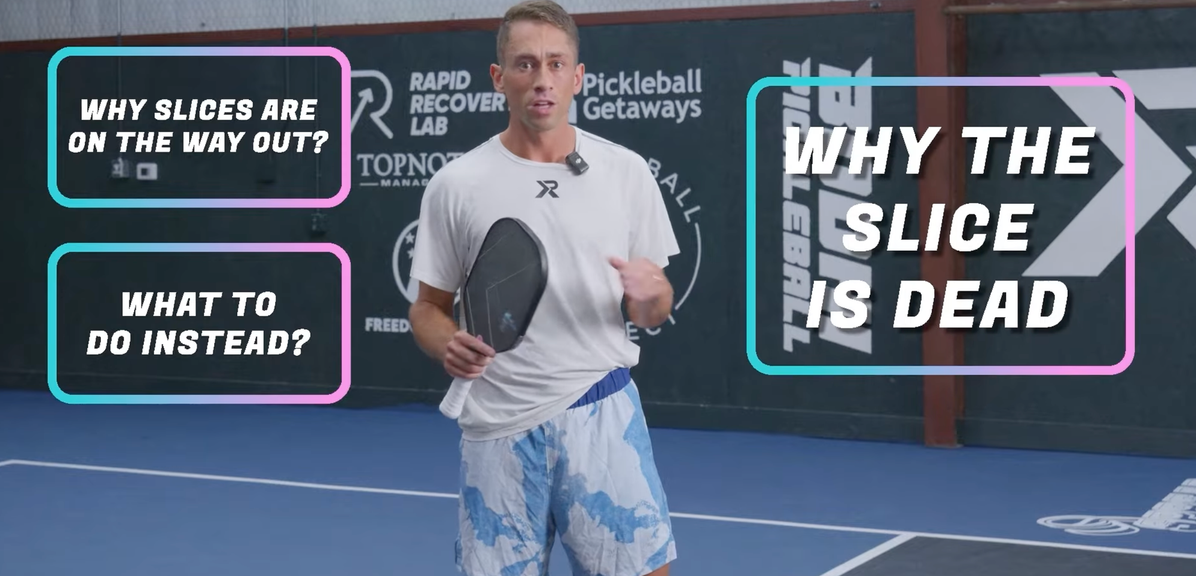
In a recent video, Zane Navratil breaks down why aggressive slices have become essentially obsolete at the professional level, and more importantly, what's replacing them.
The shift isn't subtle. It's a fundamental reimagining of how the game's best players approach shots that used to be considered essential.
Why Raw Carbon Fiber Changed Everything in the Pickleball Slice Shot Era
Let's rewind for a second. The pickleball slice shot didn't just disappear overnight. Navratil points out that slices have been "terminally ill since 2021" because of one major development: the popularization of raw carbon fiber paddle faces.
That material fundamentally altered how much spin players could generate, which sounds technical but actually matters a ton for understanding what happened next.
When you can generate massive amounts of spin with a flat or topspin shot, suddenly the slice loses its primary advantage. The slice was always about control and deception through backspin.
But if your opponent can take that backspin and amplify it into an aggressive topspin return? Well, you've just handed them a loaded weapon.
By 2025, we're not just seeing the decline of the slice. We're watching it get actively phased out by players who've realized there are better options. As Sports Illustrated has documented, pickleball's evolution has consistently rewarded players who adapt their game to emerging shot technologies and strategies.
The Return Shot: First to Fall
The slice return was the first casualty.
Think about what happens when someone hits a slice return at you. The returner can continue the direction of that spin and increase it by hitting an aggressive topspin shot back. More spin means they can either dip the ball below net level or hit harder while the spin keeps it in the court.
It's a no-lose scenario for them.
"Pro players almost never slice their returns anymore," Navratil explains.
And that's not hyperbole. Watch professional matches now and you'll see aggressive topspin returns dominating. The pickleball slice shot has become a relic on the return.
 Alex E. Weaver
Thirds and Dinks: The Next Pickleball Slice Shot to Go
The aggressive backspin third shot followed the return into obsolescence, and the reasons are pretty straightforward.
Backspin naturally floats through the air more than flat or topspin shots, which gives the returner extra time to get to the net. When they do reach the kitchen, they can continue that spin and hit an aggressive fourth shot out of the air. Even if they can't reach it, they can step back and potentially hit it off the bounce.
Here's the kicker: even when you execute the slice drop perfectly, it just doesn't hurt your opponent. Most players handle even the best slice shots with ease. The risk-reward calculation doesn't work anymore.
The decline of dink slices follows the same logic. When Navratil sees an open paddle face during a dink exchange, his eyes light up because he knows his opponent can't hurt him. That's the tell-tale sign that the slice dink is dead. An open face signals weakness, not strategy.
Heads up: hundreds of thousands of pickleballers read our free newsletter. Subscribe here for cutting edge strategy, insider news, pro analysis, the latest product innovations and more.
So What's Actually Working Now?
Navratil doesn't just tell you what's broken; he explains what's replacing it. If you have time to set up and choose an aggressive slice, you also have time to hit an aggressive topspin shot.
Topspin wins 100 percent of the time without a second thought.
But what if you're not in perfect position or your topspin game isn't elite yet? That's where the flat bump comes in. Instead of actively carving or slicing the ball, you're thinking about taking away spin entirely.You'll generally be more accurate with a flat bump, and the ball won't float as much as a slice. Your opponents can't continue the spin, which removes their advantage. Learning how to hit a heavy topspin drive is the natural next step once you understand why the backspin approach no longer holds up.
 The Dink Media Team
The Paddle Position Game-Changer
Here's something that separates the pros from everyone else: paddle positioning.
When your opponent prepares for a topspin shot with their paddle head below the level of the ball, you can't tell whether they're about to hit a dink or a speed-up. That ambiguity is powerful.
But if they prepare above the level of the ball with an open face? You know they can't attack effectively. You know they're no threat, and you can be aggressive with your positioning. Mastering topspin in pickleball begins with understanding this exact principle.
The lesson here is subtle but crucial: prepare below the level of the ball. From that position, if you have time and good positioning, you can hit a topspin shot. If you're out of position, you can open up the paddle face and hit a lift dink.
You're keeping your opponent guessing instead of telegraphing your intentions.
The Bigger Picture of the Pickleball Slice Shot Decline
What Navratil is really describing is an evolution in pickleball's strategic sophistication. The game is moving toward more aggressive, spin-heavy play.
Players who can generate and handle topspin are winning. Players who rely on slices are getting left behind.
This matters beyond just professional play, though. If you're playing against someone who can't handle a slice, absolutely exploit that weakness. But if you're trying to compete at higher levels or just want to understand where the game is heading, understanding why the pickleball slice shot is dead is essential.
The transition zone between recreational and competitive pickleball is where this knowledge becomes practical. You don't need to abandon slices entirely if you're playing casually.
But if you're serious about improving, you need to understand why the pros have moved on and what they're doing instead. Smart shot decisions beat raw power in advanced pickleball every single time, and understanding the modern meta is the first step toward making those better decisions.
 The Dink Media Team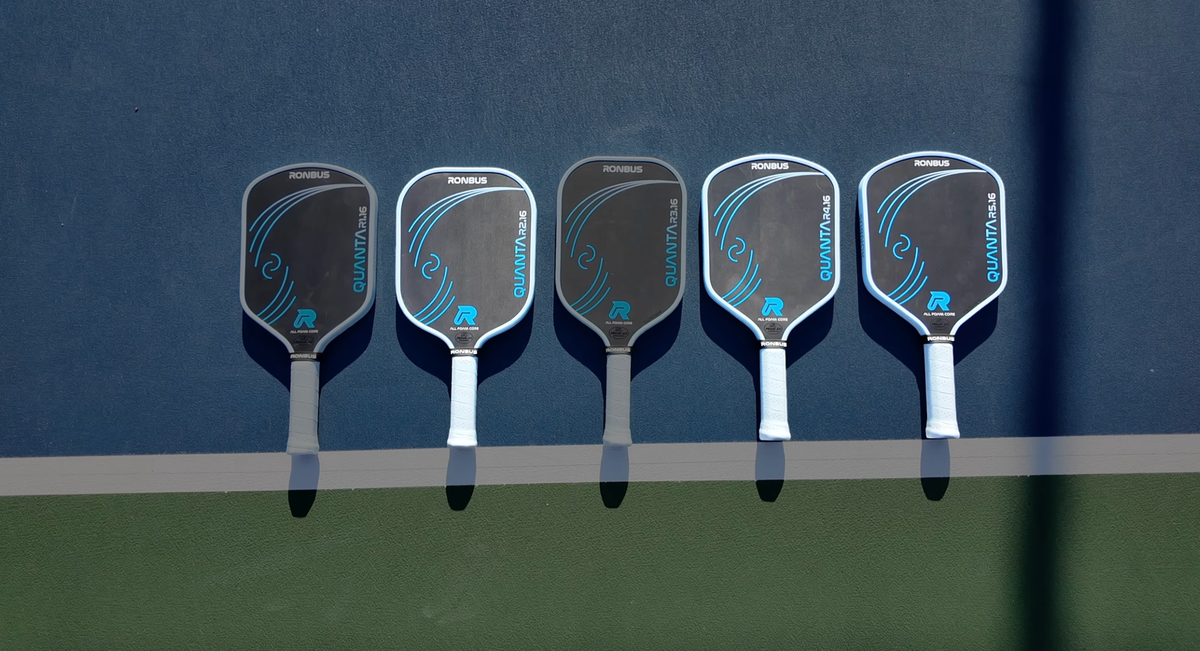
What's Next for Players Who've Relied on the Slice
The game is getting faster, more aggressive, and more technically demanding.
The pickleball slice shot didn't die because it was a bad shot. It died because the game evolved faster than the shot could adapt. Raw carbon fiber paddles, better training methods, and a deeper understanding of spin mechanics all contributed.
But the real story is that pickleball's best players figured out how to exploit the slice's weaknesses and moved on. As CBS Sports has covered, the pro pickleball game broadcast at the highest levels consistently showcases this topspin-dominant style week after week.
For everyone else, the takeaway is simple: if you want to keep up with where professional pickleball is heading, start thinking about topspin. Learn to generate it, learn to handle it, and learn to position yourself so your opponent can't tell what you're about to do.
The slice had a good run. Now it's time to move forward.
If the pickleball slice shot is out, what's in? Learn how to perfect the backhand slice dink — it's different from the slice shot and still highly effective at the kitchen line.
Frequently Asked Questions
Why did professional pickleball players stop using the pickleball slice shot?
The pickleball slice shot became obsolete primarily because of raw carbon fiber paddles. These paddles allow opponents to take backspin and convert it directly into aggressive topspin, turning your defensive shot into their weapon. By 2021, the strategic disadvantage was already clear at the pro level.
Is the pickleball slice shot completely dead or still useful in some situations?
The aggressive pickleball slice shot is gone at the professional level, but it still has limited value in recreational play. If your opponents can't generate strong topspin, a well-placed slice can still be effective. However, the slice dink and slice return are increasingly liabilities at any competitive level.
What replaced the pickleball slice shot in the modern game?
Topspin shots and flat bump returns have replaced the slice. When you have time and good positioning, topspin is the preferred choice 100 percent of the time. The flat bump is the fallback when you're out of position, because it neutralizes the spin exchange rather than feeding your opponent's offense.
How does paddle positioning relate to the death of the pickleball slice shot?
Paddle position is the tell that exposes slice-based play. When a player prepares with an open paddle face above the ball, opponents immediately know they cannot attack effectively. Preparing below the ball with a closed face keeps opponents guessing between a dink and a speed-up, which is the ambiguity that wins points in modern pickleball.
Should recreational players still learn the pickleball slice shot?
Recreational players do not need to abandon the pickleball slice shot entirely. If your regular opponents can't exploit backspin, slices remain viable. But any player serious about improving should understand why the pros stopped using the shot, practice topspin mechanics, and begin working toward the 5-0 shots they'll eventually need to compete at higher levels.
Love Pickleball? Join 100k+ readers for free weekly tips, news & gear deals.
Subscribe to The Dink