15 Small Pickleball Habits That Make a Big Difference On the Court
Most 4.0 players don't lose points on flashy mistakes. These 15 pickleball tips for 4.0 players fix the quiet habits that cost you rallies every game.
The biggest problem with pickleball tips for 4.0 players is that most advice is either too basic or too vague to actually change anything on the court.
You already know to keep the ball low and move to the kitchen.
What you might not know is that your paddle position between shots, your foot placement before a bounce, and your retreat timing after a pop-up are probably leaking points every single game.
These 15 tips come straight from Cliff Pickleball on YouTube, and every single one targets a specific, fixable habit that quietly separates 4.0 players from the next level.
Love pickleball? Then you'll love our free newsletter. We send the latest news, tips, and highlights for free each week.
Tips 1 Through 5: Body Position and Baseline Habits
Why does your body position matter when you're not hitting the ball?
Because the moment your opponent loads up to attack, you are already behind if you are standing straight up.
Tip 1: The Seesaw
When your opponent's paddle goes up, your body goes down. Drop low, shrink your profile, and suddenly they have less to aim at.
Most high-contact attacks miss long anyway, so staying low and disciplined keeps you from panic-blocking balls you should be leaving alone.
Tip 2: Cheat the Backhand
At the kitchen line, tilt your paddle to roughly 11 o'clock toward your backhand side. Speed-ups come at your body constantly, and a neutral or forehand-heavy paddle face leaves you late every time.
Cheating toward your backhand puts you two steps ahead before the ball even leaves their paddle.
This connects directly to finding your backhand on high balls, a skill that pays off across every rally situation.
Tip 3: The 70% Drive
When you hit a third shot drive from the baseline, take off 30% of your power. A full-power drive gives strong players an easy punch-back that puts you immediately on defense.
A smooth, deep 70% drive forces them to volley up, which opens up your fifth shot attack.
If you want to understand when to drive versus drop, the 3-zone system for third shot decisions is worth your time.
Tip 4: Behind the Baseline After Serving
After you serve, step back behind the baseline. Players who linger near the line get caught when a deep return comes, and now they are jammed, popping the ball up, and losing the point before it even starts.
Give yourself space and you get time, which means better decisions.
Tip 5: The Burn Reset
When someone hits a sharp aggressive dig at you, do not panic swing. Cross-step with your inside foot, set your paddle sideways, and push the ball back toward the middle.
You are not trying to win that exchange, you are neutralizing it and getting the rally back to a safe shape.
Advanced Pickleball Tips 6 Through 10: Paddle Awareness and Footwork
Can where your paddle sits between shots really cost you that many points?
Yes, and this is one of the most overlooked habits in recreational play.
Tip 6: Paddle in Your Vision
If you cannot see your paddle in your peripheral vision, it has drifted too far out of position.
Keep your paddle in front of you so that wherever the ball is, your paddle is already facing that direction.
When your paddle disappears from your sight line, reaction time drops immediately.
Tip 7: Attack the One-Hander
If your opponent does not use a two-handed backhand, go there repeatedly and do not stop. A reaching, extended one-handed backhand is hard to control under pressure.
If they handle it cleanly, you will know fast, but most of the time this is the easiest pattern you can run all match.
For more on exploiting backhand weaknesses, these backhand third shot drop keys show how to put pressure on that side from the start of the point.
 The Dink Media Team
Tip 8: Make Them Earn the Kitchen
When you are at the kitchen and your opponent is still back, stop feeding them comfortable balls that let them stroll forward. Keep them back with shots that require effort to advance.
You have the positional advantage, so use it until they do something to earn their way in.
Tip 9: Belly Button Height
Keep your paddle at belly button height when you are rallying at the kitchen. A high paddle makes it hard to block balls at your chest and slows your reaction time.
A low ready position lets you open the face and redirect almost any incoming ball with far less movement.
This ties in closely with proper knee bend mechanics that keep you low without wrecking your back.
Tip 10: Foot Behind the Bounce
If you are attacking off the bounce, your lead foot needs to be behind where the ball lands. Reaching wide for a bouncing ball strips all your control.
When your foot is positioned behind the bounce point, your paddle tip can get down, you can load spin, and you can direct the ball anywhere you want.
 The Dink Media Team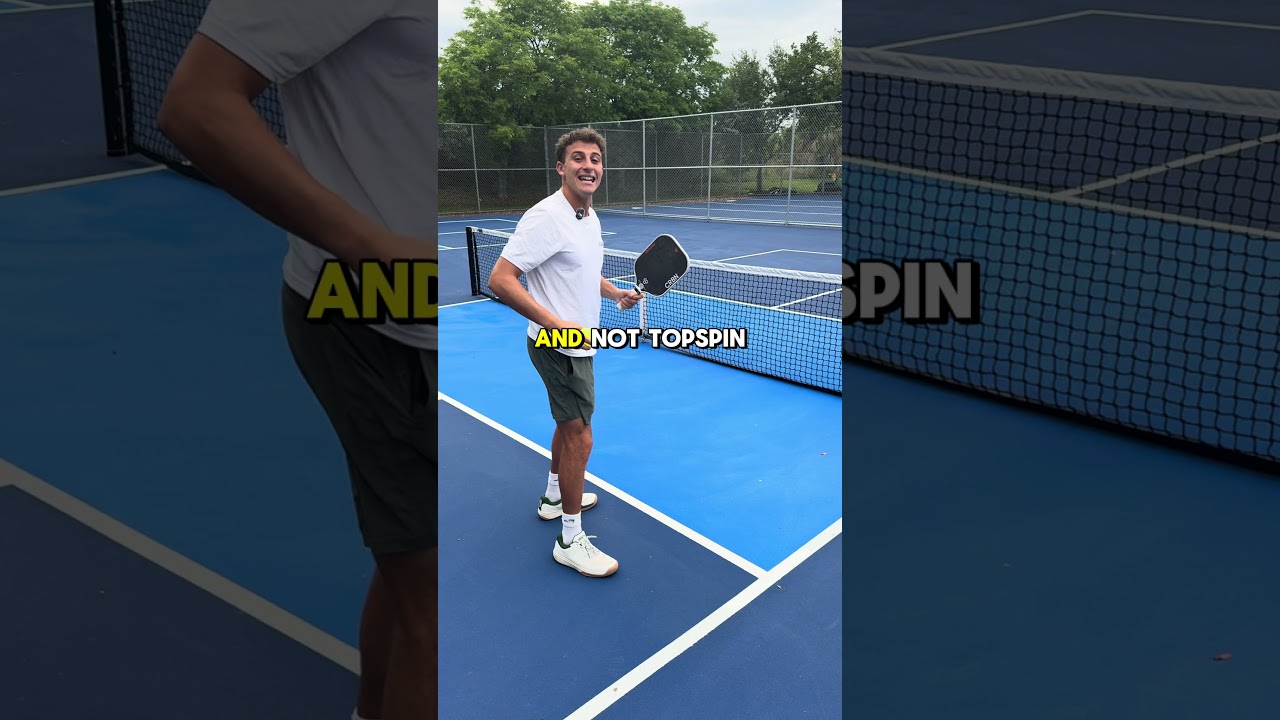
Advanced Pickleball Tips 11 Through 15: Transition and Tracking
What is the single biggest mistake players make while transitioning forward?
They keep moving when they should be stopping.
Tip 11: Stop and Set
After your third shot drop, you are moving toward the kitchen. The mistake is still drifting when your opponent makes contact.
Stop, set your feet, and load your stance before they swing.
That one timing adjustment makes the next ball ten times easier to handle.
This is exactly the kind of transition mistake covered in these common positioning errors that bleed points at the 4.0 level.
Tip 12: Push the Reset, Don't Slice It
Tennis players default to slicing resets, but slice adds underspin that makes the ball float and pop up. A clean forward push gives you a more predictable, lower ball that is harder to attack.
Stop slicing your mid-court resets and start pushing them instead.
If your resets keep floating, here is a breakdown of why that keeps happening and the mechanical fix that stops it.
 The Dink Media Team
Tip 13: Lob the Forward Leaner
When your opponent keeps taking your dinks out of the air, that is not a problem, it is an invitation. Their weight is already leaning forward, which is exactly the wrong position to recover a lob.
Instead of getting frustrated, throw the lob and watch them scramble backward while you take over the kitchen.
Tip 14: Early Retreat
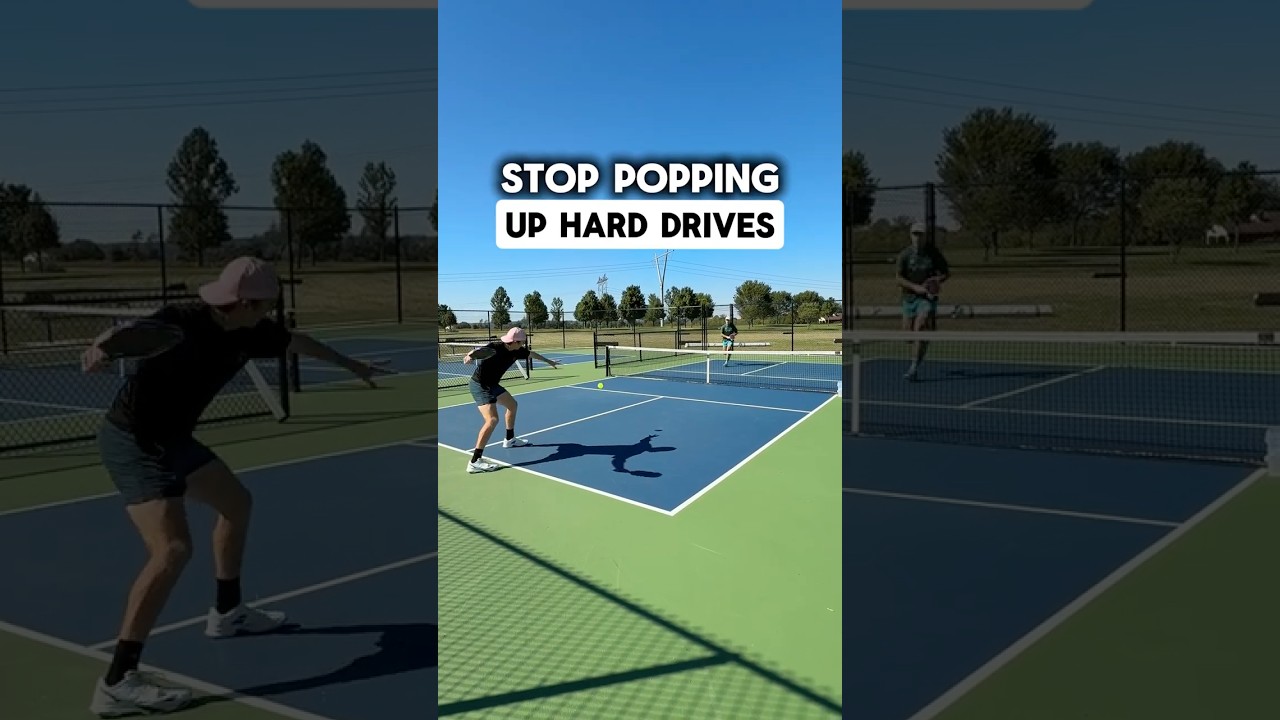
The moment you recognize you have hit a pop-up, move back immediately. Do not wait to see what they do.
That early retreat buys you reaction time and lets you get low and set before the smash arrives.
A player who retreats early and gets their paddle down blocks clean. A player who stands there gets punished every time.
For a deeper look at defending hard shots, these five defense keys cover exactly this situation.
Tip 15: Paddle Tracks the Ball
Wherever the ball is, your paddle tip should be pointing at it. This is the single most impactful ready-position habit you can build.
When your paddle drifts sideways between shots, you are stuck in a weak position when the attack comes.
Keep it locked on the ball and your reaction speed jumps immediately.
 The Dink Media Team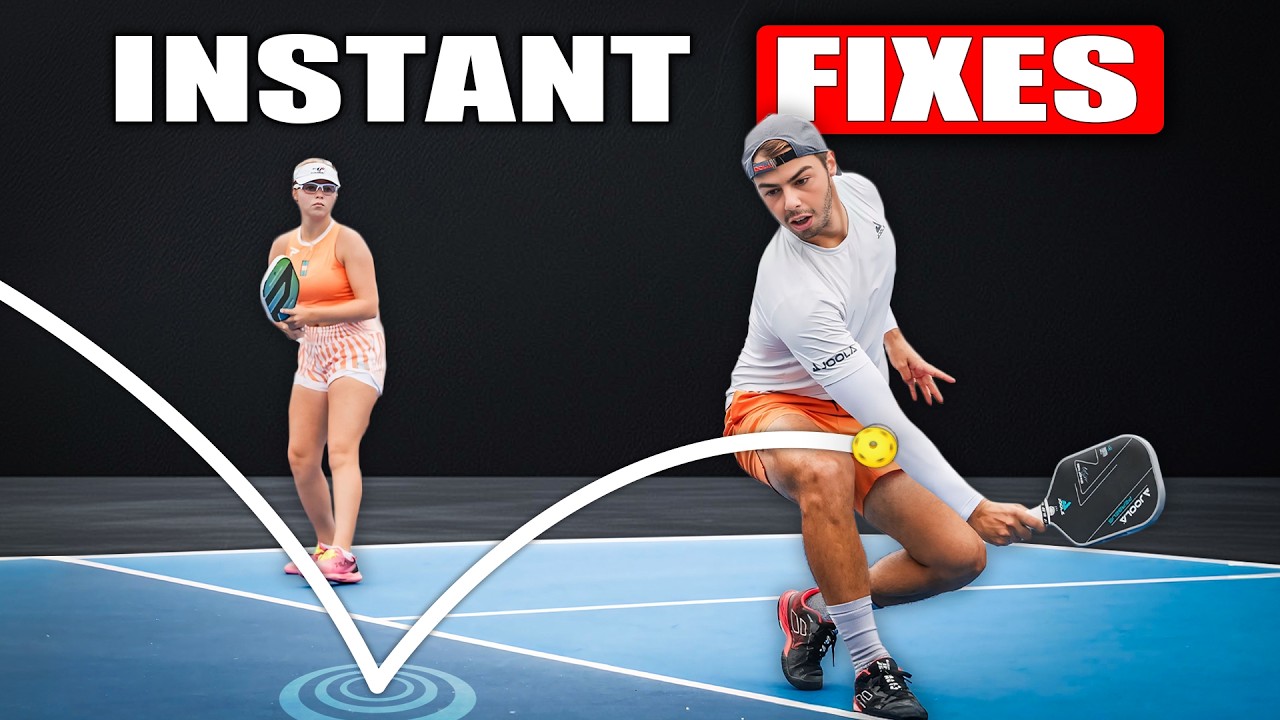
How to Actually Use These 15 Tips
Do not try to fix all 15 things at once. That is how you go into a match thinking about mechanics and lose to someone you should beat.
Pick two tips. Drill them today. Come back next week and pick two more.
The players who improve fastest are the ones who fix one thing at a time and then move on.
Here is a quick reference list of all 15 tips in order:
- The Seesaw – go low when their paddle goes up
- Cheat the Backhand – tilt paddle to 11 o'clock
- 70% Drive – smooth and deep beats reckless speed
- Behind the Baseline – step back after serving
- The Burn Reset – cross-step, push to the middle
- Paddle in Vision – if you can't see it, fix it
- Attack the One-Hander – find it, repeat it
- Make Them Earn the Kitchen – maintain pressure when you're up
- Belly Button Height – low paddle, faster hands
- Foot Behind the Bounce – control starts with your feet
- Stop and Set – load your stance before they hit
- Push the Reset – stop slicing, start pushing
- Lob the Forward Leaner – use their weight against them
- Early Retreat – move back the moment you pop it up
- Paddle Tracks the Ball – laser focus, every shot
These are not abstract concepts. Every one of them is something you can feel and fix in a single session.
If you want to know whether you are truly ready to move up after putting in the work, these five signs tell you exactly when it is time.
And if you want to understand what the habits of a true 5.0 player look like, this breakdown of 5.0 habits is the clearest picture you will find.
Frequently Asked Questions
What does it mean to cheat the backhand in pickleball?
Cheating the backhand means tilting your paddle toward your backhand side at about 11 o'clock when you are at the kitchen line. Most speed-ups come directly at your body, and a neutral paddle face leaves you late to respond. Starting with your paddle slightly favoring your backhand gives you a head start on the most common attack.
Why should I use only 70% power on a third shot drive?
A full-power drive is easier for strong players to block hard, which puts you immediately on defense. A controlled 70% drive that lands deep forces your opponent to volley up instead of attacking, which creates a better fifth shot opportunity for you. Consistency and depth matter far more than raw speed on the third shot.
What is the foot behind the bounce technique?
Foot behind the bounce means positioning your lead foot behind where the ball will land before you make contact off the bounce. When players step forward after a bounce, the ball ends up behind their feet and they lose all control. Stepping back so the ball is out in front of you lets your paddle tip get down and gives you full control of direction and spin.
When should I retreat after hitting a pop-up?
The moment you recognize the ball you hit is going to sit up and give your opponent an easy smash, start moving back immediately. Do not wait until they wind up. Early retreat buys you reaction time and lets you get low and set with your paddle down before the smash arrives.
How do I know if my paddle is tracking the ball correctly?
Your paddle tip should always be pointing toward the ball, no matter where it is on the court. If your paddle is drifting sideways or pointing away from the play, you will be caught in a weak position when a fast ball comes. A simple check is to make sure your paddle is always visible in your peripheral vision and facing the direction of the ball.

Love Pickleball? Join 100k+ readers for free weekly tips, news & gear deals.
Subscribe to The Dink