Pickleball Reaction Time Is Everything, & Younger Players Are Dominating
Pickleball reaction time might be the single most important skill in modern professional play, and it's reshaping who wins at the highest levels. Younger players with faster reflexes and better pattern recognition are already dominating the PPA tour.
The conventional wisdom in pickleball used to be simple: experience wins.
You reach your physical peak around 27 or 28, so naturally, that's when you'd expect to see the best players on tour.
But pickleball reaction time is flipping that script entirely, and the sport's power structure is shifting as a result.
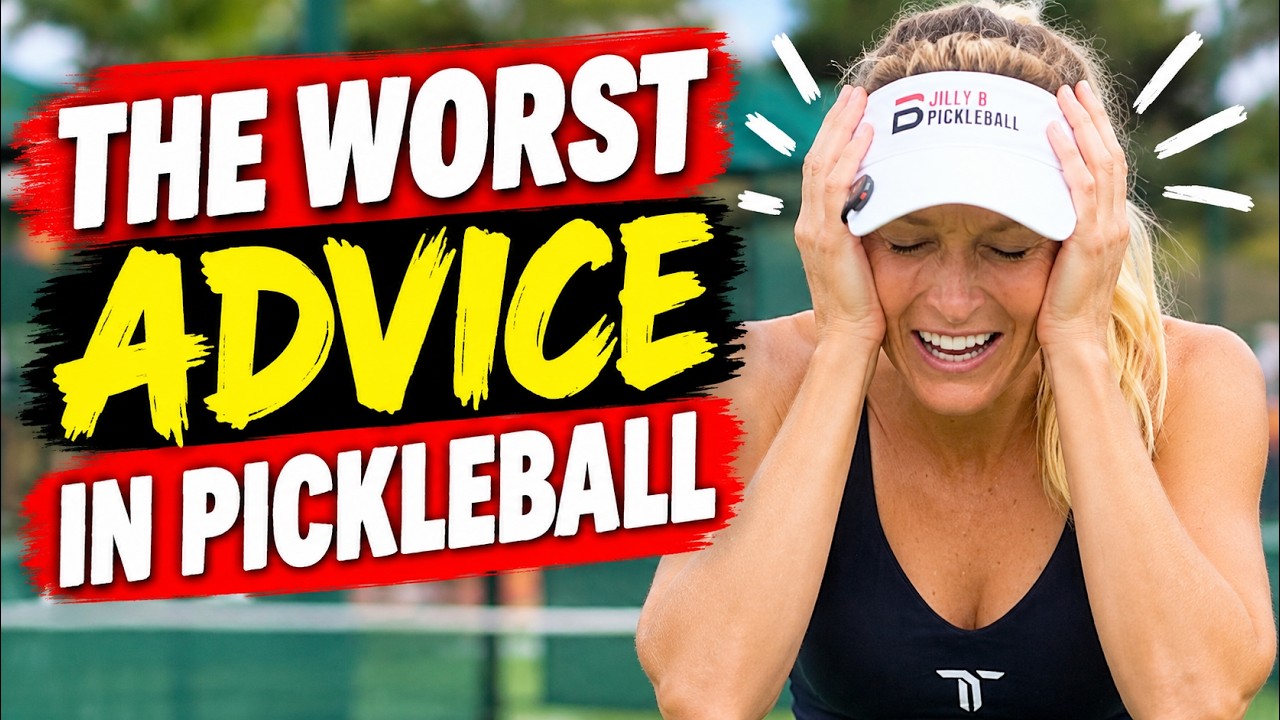
According to longtime pro and host of The Dink's PicklePod Zane Navratil, reaction time actually peaks in our late teens, not our late twenties.
And as the game keeps accelerating, that early-career advantage is becoming harder to ignore.
Love pickleball? Then you'll love our free newsletter. We send the latest news, tips, and highlights for free each week.
The Science Behind Pickleball Reaction Time
Here's the thing: pickleball reaction time isn't just about how fast you can swing.
It's about how quickly your brain processes what's happening on the court and tells your body to respond.
Navratil breaks this down into two critical components.
First, there's raw reaction speed, which peaks in the late teens and then declines gradually for the rest of your life.
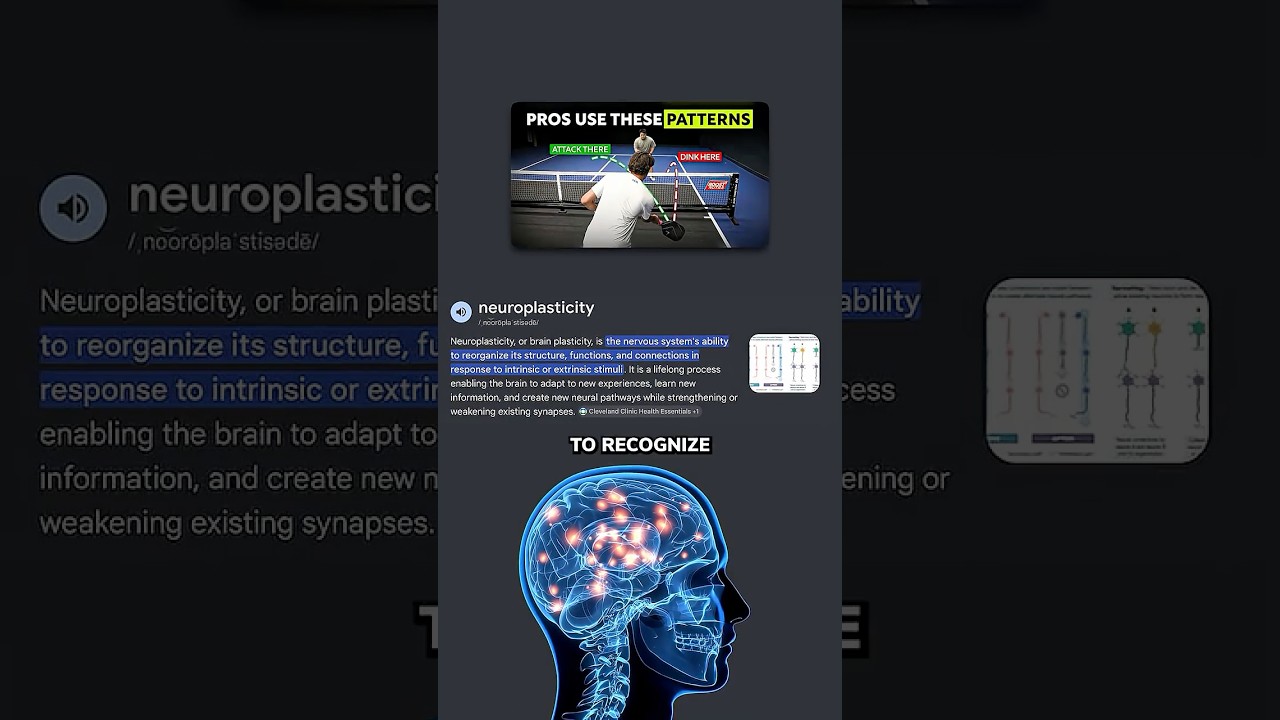
Second, there's neuroplasticity, which is your brain's ability to recognize patterns and adapt to new situations.
Neuroplasticity is strongest from ages 0 through 12, and after that, it slowly declines.
Together, these two factors create a window where younger players have a genuine biological advantage. They're not just faster — they're learning faster too.
Understanding how to develop faster hands in pickleball starts with understanding this exact window.
The players who train within it are the ones climbing the rankings fastest. The ones who ignore it are getting passed.
Why This Matters for Pickleball
The connection between pickleball reaction time and success isn't theoretical. It's already playing out on the PPA tour in real time.
Consider the rise of players like Anna Leigh Waters, Dylan Frazier, J.W. Johnson, Jorja Johnson, Hayden Patriquin, and Gabe Tardio.
These younger pros aren't just competitive — they're winning at the highest levels.
They're learning the patterns of the game faster, reacting faster, and adapting to new changes faster than their more experienced counterparts.
The 25 biggest stories in pro pickleball from 2025 were dominated by this exact shift.
Younger players weren't just showing up — they were taking over. That trend has only accelerated heading into 2026.
The PPA has taken notice. The league has been actively signing juniors like Will MacKinnon, Thomas Shima Bukuro, Andre Marcado, and Elsie Hendershot.
Junior pickleball is set to break new records in 2025, and by the end of 2026, Navratil expects several of them to break out in a major way.
That's not a prediction. That's a pipeline.
How Pickleball Reaction Time Reshapes the Pro Rankings
When you look at the best PPA pros ranked by 2025 medal counts, the pattern is unmistakable.
The top of the leaderboard skews young. And it's not a coincidence.
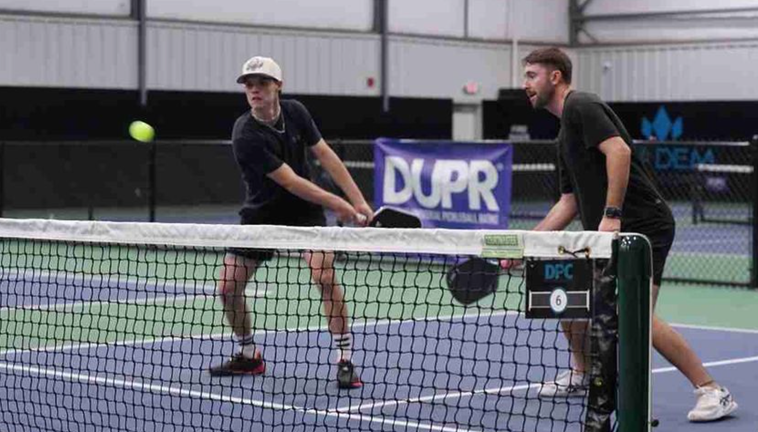
Faster reflexes translate directly into faster court decisions.
A player who can process an incoming speed-up in 150 milliseconds instead of 200 milliseconds wins that exchange more often than not.
Scale that across hundreds of points in a tournament, and the advantage compounds dramatically.
The three breakout player candidates headed into MLP 2025 all share one thing: elite pickleball hand speed and the ability to reset under pressure.
That's reaction time, applied.
Ben Johns could play men's doubles with any number of partners in 2025, but the younger names being floated are telling.
The sport is consciously building around speed, not seniority.
Experience still earns a spot at the table, but raw reflexes are what win you the match.
 The Dink Media Team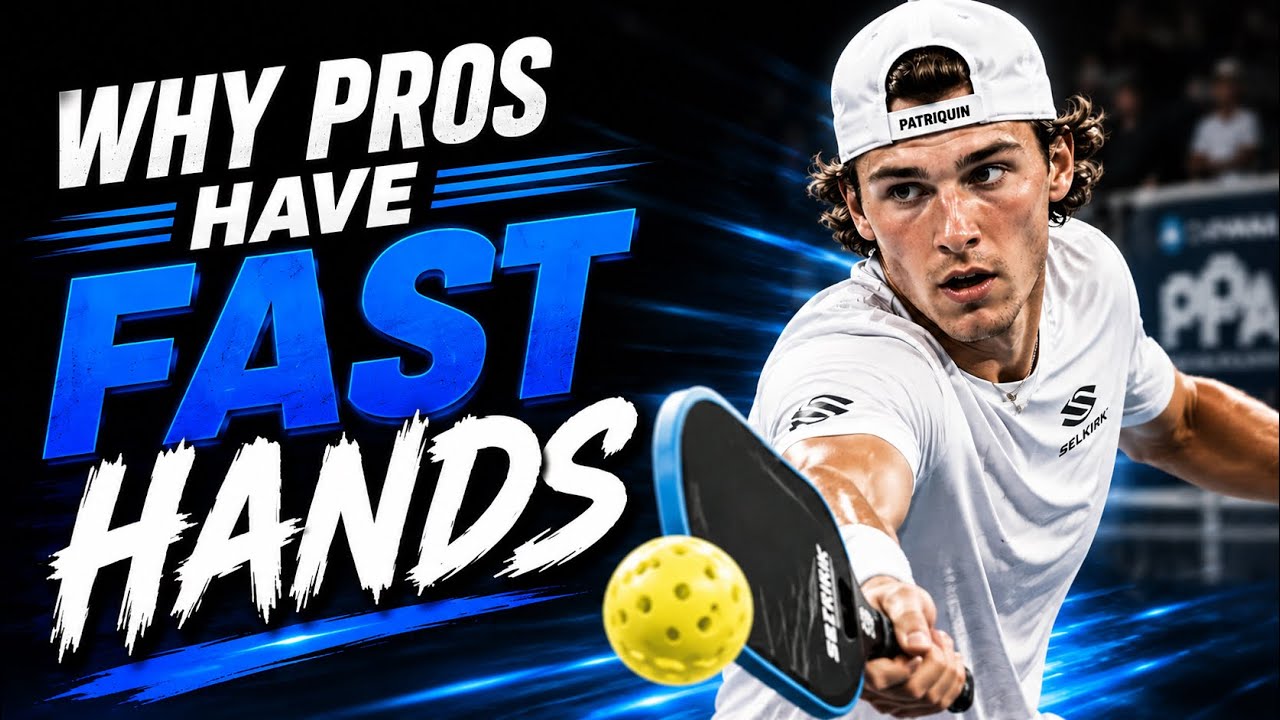
The Fortnite Connection
Here's where things get really interesting. Ben Johns, Hayden Patriquin, and many other professional pickleball players are admitting to playing hours of video games every day.
That's not a coincidence.
Video games, particularly first-person shooters like Fortnite, demand the exact same skills that dominate modern pickleball: lightning-fast reaction time and pattern recognition.
The pros who play esports are training their brains in ways that directly transfer to the court.
According to CBS Sports' reporting on reaction time training in professional sports, athletes who combine physical training with cognitive speed drills — including video game exposure — show measurable improvements in on-court decision speed.
The science supports what the pros are already doing.
Navratil argues that the next generation of pickleball players will cross-train more with video games than with tennis.
If you want to get better at pickleball, you might need to spend less time on the court and more time in front of a screen.
This isn't just speculation. The evidence is already there.
The players who are winning tournaments right now are the ones who understand that pickleball reaction time is the new currency of the sport.
Modern pickleball's four key strategies to winning in 2026 all require fast cognitive processing, not just technical skill.
You can't execute the right strategy if your brain is a half-second behind.
 The Dink Media Team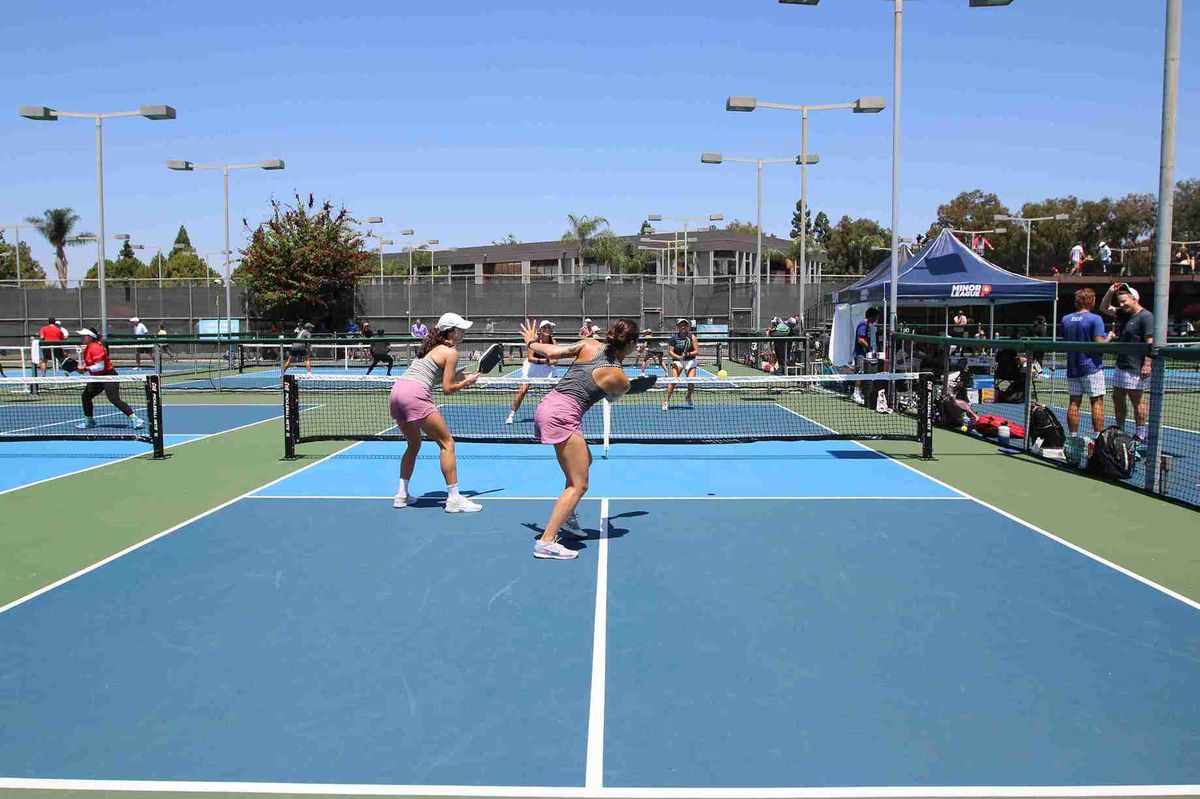
Training Your Pickleball Reflexes: What Actually Works
If faster reflexes give you the edge, the next question is obvious: how do you build them?
The answer isn't just more court time.
The 12 drills you need to play your best pickleball in 2026 include specific reflex-training exercises designed to close the gap between stimulus and response.
Targeted drills for reaction time move the needle faster than general practice alone.
Hand speed and paddle positioning are the mechanical side of the same coin.
Fast hands without proper positioning is just chaos.
The combination of both is what separates players who can react from players who can react and score.
According to ESPN's coverage of cognitive training in elite sport, the intersection of sports science and video game cross-training is producing measurable improvements in athlete reaction benchmarks.
The data keeps pointing in the same direction: train the brain, improve the game.
Pickleball is simply the sport where that truth is most visible right now.
A simple 4-step system to win more pickleball games in 2026 puts reaction training at the center, not the margins. Speed is the strategy now.
 The Dink Media Team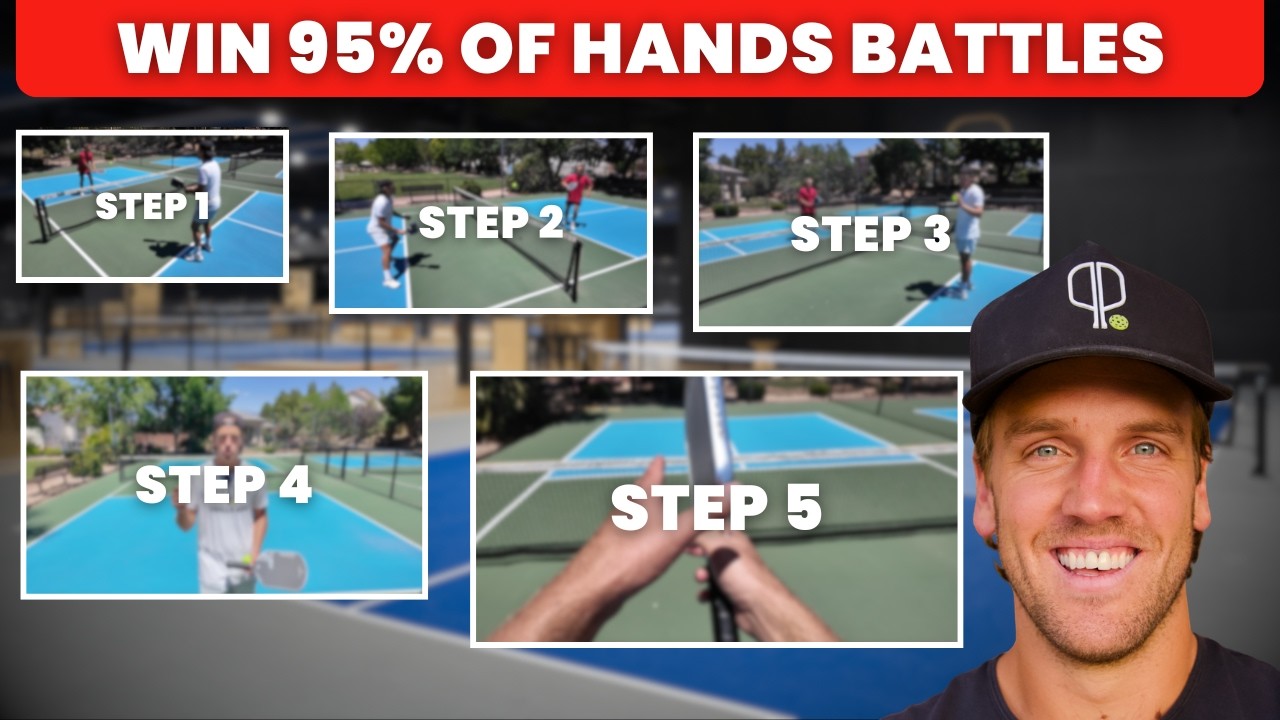
What This Means for the Future of Pickleball
The shift toward younger, faster players has massive implications for how the sport develops.
It changes who gets recruited, how players train, and what skills matter most.
If pickleball reaction time is truly the deciding factor, then the traditional path to becoming a pro — grinding through years of experience and building court sense — might be less important than it used to be.
Instead, young players with naturally fast reflexes and the ability to learn patterns quickly will have a structural advantage.
These clips of pickleball in the 1980s versus 2025 tell the story visually.
The game has completely transformed.
What used to be a speed-optional sport has become a sport where speed is non-negotiable.
This could reshape pickleball's talent pipeline.
Instead of looking for the next great tennis player transitioning to pickleball, scouts might start looking for the next great esports player.
The skill sets are closer than you'd think.
The 26 pro pickleball predictions for 2026 include more than a few that hinge on young, fast players breaking through.
That's not a guess — it's a structural reality building in plain sight.
The pipeline is loaded, and reaction time is the currency that matters most.
 The Dink Media Team
The Bigger Picture
What Navratil is describing is a fundamental shift in how we should think about athletic dominance in pickleball.
The sport is getting faster, and speed favors the young.
This doesn't mean experience is worthless. Court awareness, strategy, and consistency still matter.
But if two players are equally skilled in those areas, the one with faster pickleball reaction time will win more often than not.
The 3 patterns that separate good pickleball players from great ones all have a reaction component baked in.
Greatness in this sport is increasingly defined by speed of processing, not just depth of experience.
The players who internalize that early will be the ones still competing at the top when the next wave arrives.
The players who understand this early — who invest in training their reaction time and pattern recognition — will have a significant edge.
That might mean video games. It might mean specific drills to improve reflexes. It might mean something we haven't thought of yet.
But one thing is clear: the era of the late-career peak in pickleball might be over.
Frequently Asked Questions
What is pickleball reaction time and why does it matter?
Pickleball reaction time is the speed at which your brain processes an incoming shot and tells your body to respond. As the professional game accelerates, the margin between a good response and a winning one has shrunk to milliseconds, making reaction speed one of the most important physical attributes a player can have.
At what age does reaction time peak for pickleball players?
Reaction time peaks in the late teens and gradually declines throughout adulthood. This gives younger pickleball players a biological edge in fast exchanges, even when they lack the experience of veteran competitors who have spent years building court awareness and strategy.
Can older players improve their reflexes for pickleball?
Yes, reflex speed can be improved at any age through targeted training and deliberate practice. Older players can close the gap with better court positioning, smarter pattern recognition, and specific reaction drills, but the natural ceiling is lower than it is for players in their teens and early twenties.
How does playing video games improve pickleball reaction time?
First-person shooters like Fortnite demand the same cognitive skills that win points in pickleball: fast reflexes and rapid pattern recognition. Many professional pickleball players now use video game cross-training as a legitimate performance tool, and the results are showing up in their on-court speed and decision-making.
Why are younger players dominating professional pickleball right now?
Younger players hold a dual advantage: peak raw reaction speed and maximum neuroplasticity, which means they learn the game's patterns faster and adapt more quickly to new opponents. As pickleball continues to get faster at the professional level, those biological advantages are becoming increasingly difficult for older, more experienced players to overcome.

Love Pickleball? Join 100k+ readers for free weekly tips, news & gear deals.
Subscribe to The Dink