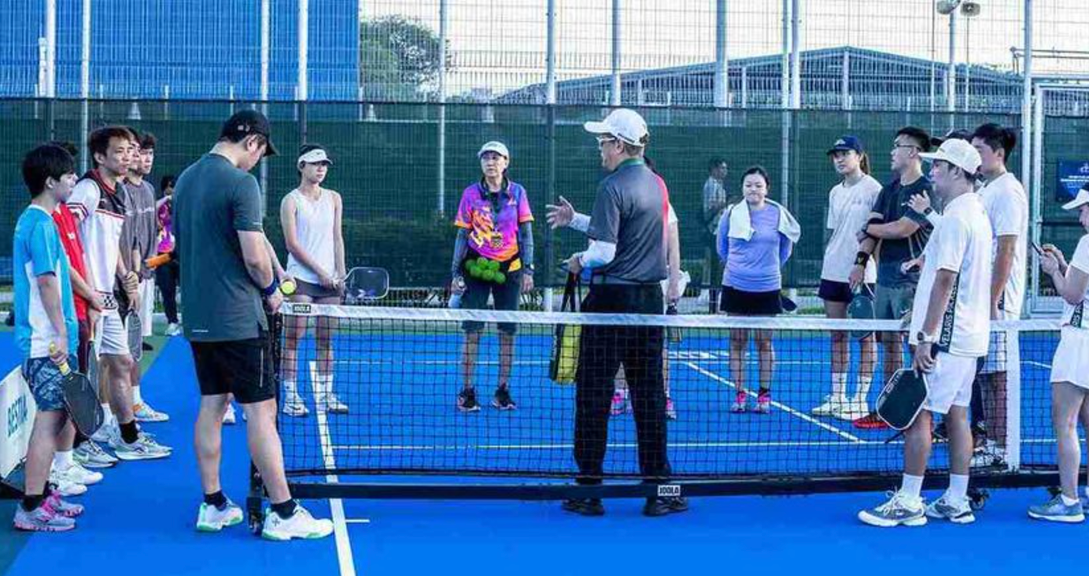
Your pickleball skill level usually changes weeks before you notice it. These five signs, drawn from cognitive science on skill acquisition, tell you when you're ready to play up.
Nobody hands you a certificate when your pickleball skill level actually changes.
There's no ceremony, no email from DUPR, no moment where the guy who beat you 11-3 last spring shakes your hand and says "you're a 4.0 now."
The jump happens quietly, usually weeks before you notice it, and most players wait way too long to act on it.
They keep showing up to the same Tuesday game, beating the same three people, wondering why their game has flatlined.
Here's the thing: the signs are real, they're measurable, and cognitive science has been documenting them for decades in every skill domain from chess to surgery.
You just have to know what you're looking at.
Love pickleball? Then you'll love our free newsletter. We send the latest news, tips, and highlights for free each week.
What Does a Pickleball Skill Level Actually Measure?
A pickleball skill level measures the reliability of your decisions under pressure, not the ceiling of your best shot.
That's the distinction almost everyone gets backwards.
Definition: A skill level (the 2.5 through 5.0+ scale used by rating systems like DUPR and self-rating charts) is a description of what you can execute consistently against equal competition, not what you can execute once on a good day.
DUPR's rating updates weight results against opponent strength for exactly this reason.
Your flashiest ATP doesn't move the number. Your seventh straight unforced error into the net does.
So when we talk about moving up, we're talking about a floor rising, not a ceiling. Five signs tell you it's happened.
Sign 1: Your Hands Move Before Your Brain Does
The clearest sign your pickleball skill level has climbed is that your foundational shots have stopped requiring thought.
Research on skill acquisition calls this automaticity, and it's the single most reliable marker of readiness in any domain.
Cognitive Load Theory research from the American Psychological Association shows that when low-level skills execute with minimal conscious effort, working memory (which is hard-capped and doesn't expand) gets freed up for higher-order problem solving.
In pickleball terms: if you're still thinking about your paddle face during a third shot drop, you have zero mental bandwidth left to read whether your opponent is cheating toward the middle.
But once the drop runs on autopilot? Now you're tracking their feet. Now you're setting up shot selection two balls ahead.
That shift, from processing your own mechanics to processing the other team, is the truest pickleball skill level upgrade there is.
It's also why the 3.0 to 3.5 jump tends to feel like a personality change rather than a technique change.
How Automaticity Changes Your Pickleball Skill Level
Watch what you notice mid-point.
Lower-level players remember the ball.
Higher-level players remember the pattern: where the fourth ball came from, which opponent leaked to the left, why the drive worked better than the drop on that particular sequence.
Careful here, though. Ease is not the same thing as automaticity. A shot can feel easy because it's familiar and still fall apart at 9-9 in a tournament.
True automaticity means high speed and low error rates simultaneously, under load.
If your reset game survives a hands battle, that counts. If it only survives Tuesday rec, it doesn't.
 The Dink Media Team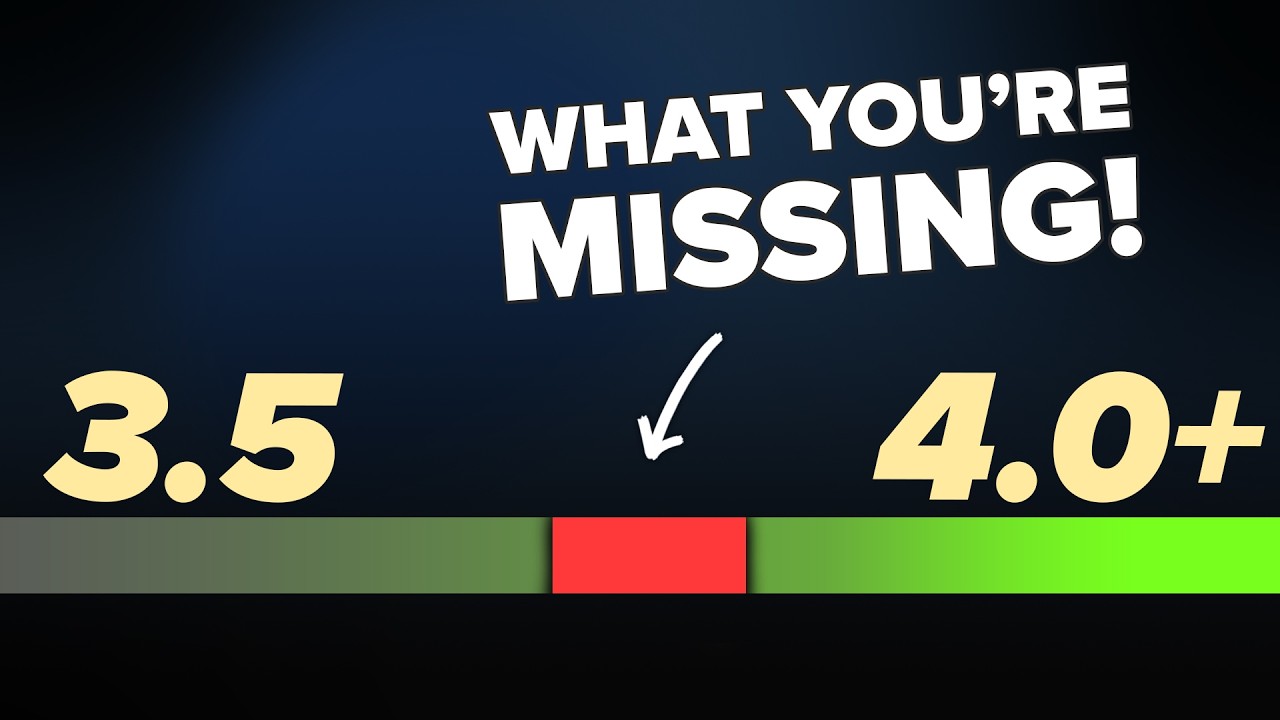
Sign 2: You're Bored, and That's a Diagnosis
Boredom during your regular games is not apathy. It's data.
Mihaly Csikszentmihalyi's flow research, summarized by Harvard Business School, established that optimal engagement lives at the intersection of high skill and high challenge.
When skill permanently outpaces challenge, the emotional state shifts into boredom. When challenge vastly outpaces skill, you get anxiety instead.
So if you're checking your phone between games, if you've started inventing artificial constraints (backhand only, no drives, dinks until someone cracks) just to stay interested, your brain is filing a report.
The challenge level is too low for your current pickleball skill level.
Honestly, this is the sign players ignore the longest, because winning feels good and losing doesn't.
Rec play has real value, but it stops being development the moment it stops being hard.
 The Dink Media Team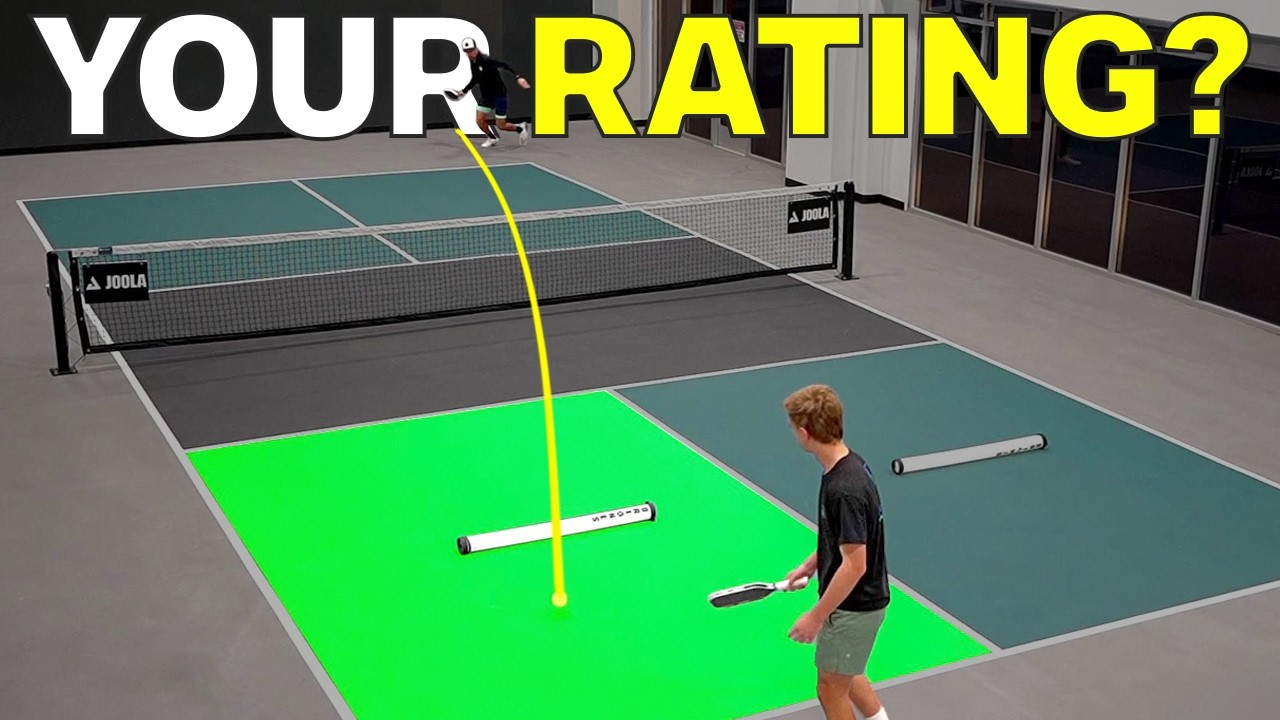
Sign 3: Nobody Has to Tell You What to Do Anymore
You're ready to advance when you can execute the fundamentals independently, with no coaching, no reminders, and no partner narrating your positioning.
That's Lev Vygotsky's Zone of Proximal Development in one sentence.
Research on ZPD and scaffolding found that learners are ready to move up when they can handle foundational tasks with zero support and can reach higher-level outcomes with only minimal guidance.
The scaffolding gets "faded" as mastery arrives, and leaving it up too long actually creates dependence and slows you down.
Translation for the court: if your partner still has to yell "switch!" you're not there. If you're already moving before they open their mouth, you are.
Good positioning beats a good shot at every level, and it's the first thing that becomes self-directed.
 Eric Roddy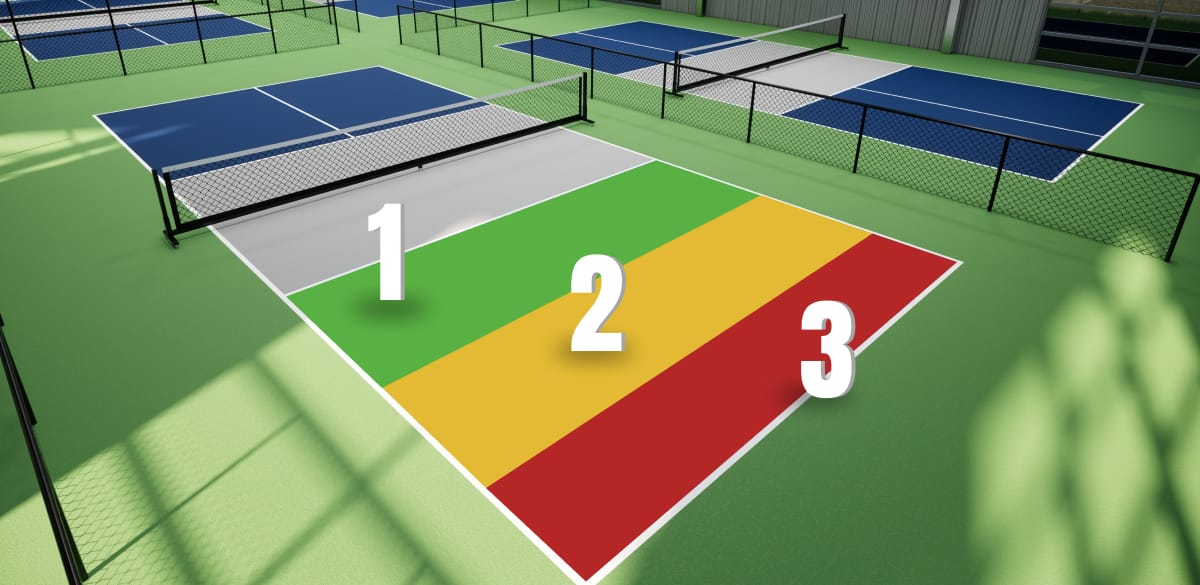
Sign 4: Coaching Tips Have Started Feeling Useless
Step-by-step instruction losing its punch is a promotion, not a plateau.
Cognitive Load Theory documents something called the expertise reversal effect: instructional methods that help novices (worked examples, heavy external guidance, do-this-then-this checklists) become inefficient or actively counterproductive as internal schema develops.
The research on this is clear that advanced learners perform better with full, open-ended problem-solving tasks than with pre-structured guidance.
You know the feeling.
A clinic tells you to "get to the kitchen line" and you think, yeah, obviously, but how do I get there against a guy who keeps jamming my right hip?
That frustration is the signal. You've outgrown the instruction, not the sport.
The Pickleball Skill Level Trap Nobody Warns You About
Here's the catch: this exact feeling also shows up in players who think they've advanced and haven't. The difference is diagnostic specificity.
A genuinely advancing player can name the precise failure ("my backhand dink floats when I'm pulled wide").
A stalled player says "I just need to be more consistent."
If you can't articulate your own weakness in one specific sentence, you're probably still in the category of mistakes you don't know you're making.
Go film a session before you go buy a tournament entry.
 The Dink Media Team
Sign 5: Your Bad Days Still Win Games
The floor moved. That's the whole sign.
Every player has a range. At 3.0, a bad day means dumping five basic shots into the net and losing to people you normally beat.
When you've genuinely moved up, your bad day is boring instead of catastrophic.
You don't play well, you just refuse to hand over points. You make the routine shots and let the other team blink first.
Watch your unforced errors, not your winners.
That's the metric that tracks a real pickleball skill level jump, and it's the one that separates players who moved up from players who got lucky for a week.
It also explains why so many amateur habits survive well past the point where the rest of your pickleball skill level has outgrown them.
 The Dink Media Team
So What's the Real Test of a Pickleball Skill Level Jump?
Play up, in a setting that keeps score. Immediately.
K. Anders Ericsson's deliberate practice framework, reviewed in Frontiers in Psychology, found that passive repetition of familiar tasks produces a plateau, not progress.
Advancement requires deliberately targeting weaknesses outside your comfort zone with explicit feedback.
And no, hours don't count on their own. Ten years of the same Tuesday game is one year repeated ten times.
The practical test, in order:
- Play three games against players a half-level above you. Not one. Three, so variance doesn't lie to you.
- Track unforced errors, not the score. Fewer than five per game against better competition means the floor is real.
- Enter one bracket at the higher level. Tournament play exposes what rec play hides, and it does it fast.
- Drill the specific weakness that shows up, with solo work or a pattern drill like Figure 8.
- Log it. DUPR-verified results beat self-assessment every single time.
If you lose all three games but the points are long and the errors are low, you're ready.
If you lose fast and ugly, you've got a specific gap, and now you know exactly what to invest your practice time in.
 The Dink Media Team
Key Takeaways
- A pickleball skill level measures your consistent floor under pressure, not your best shot on a good day.
- Automaticity in fundamentals frees working memory for pattern reading and strategy. That's the strongest readiness signal there is.
- Boredom in regular games is a psychological indicator that your skill has outpaced the challenge available to you.
- Independence from coaching cues (Vygotsky's ZPD) and diminishing returns from step-by-step tips (the expertise reversal effect) both signal readiness to advance.
- Hours logged do not equal advancement. Structured deliberate practice against harder competition does.
Frequently Asked Questions
How do I know my pickleball skill level without a rating?
Compare your consistent floor against known competition, not your highlight reel. If you can hold long rallies and keep unforced errors low against players who carry a verified rating, your level is roughly theirs. Self-rating charts are a starting point, but they systematically inflate. A logged rating from real match results is far more accurate.
How long does it take to move up a pickleball skill level?
There's no fixed timeline, and time itself isn't the variable. Research on deliberate practice shows that repetition of familiar tasks produces plateaus, while targeted work on specific weaknesses produces gains. Players who drill deliberately and play up often move a half-level in a few months. Players who only play rec can stall for years.
Should I move up if I still lose most of my games?
Yes, if the losses are competitive. Losing close games to stronger players is the fastest development environment available to you, and moderate frustration is a normal part of learning at the edge of your ability. If you're getting beaten in four minutes without extending rallies, drop back and drill the gap first.
Is feeling frustrated a sign I'm not ready to advance?
No. Moderate difficulty and mental effort are expected when you're working at the edge of your current range. Frustration only signals a problem when the challenge is so far beyond you that you can't complete basic patterns. A complete absence of challenge is the more dangerous condition, because that's what causes stagnation.
Does playing more pickleball automatically raise my skill level?
No. Volume alone doesn't produce advancement. Skill gains require structured practice with explicit feedback and deliberate attention to weaknesses, not casual repetition of shots you already hit well. Two focused hours of drilling a specific failure point will move you further than ten hours of comfortable rec games.
Love Pickleball? Join 100k+ readers for free weekly tips, news & gear deals.
Subscribe to The Dink