

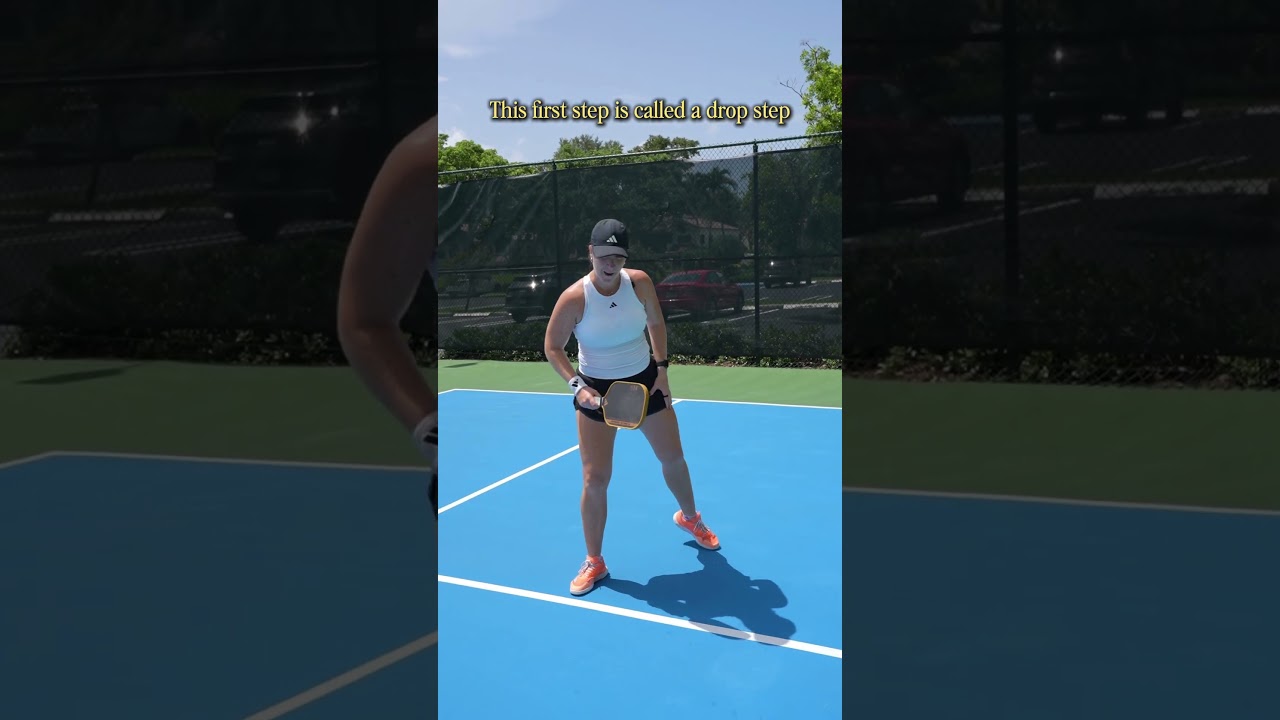
The drop step is the first move that saves you when opponents target your feet during dink rallies. Here is how to split step, drop step, and adjust to any dink.
The drop step is the one footwork move that keeps you from getting jammed when your opponent aims a dink right at your feet.
You know the feeling. The ball lands on your outside foot or your inside foot, you reach forward with a stiff arm, and the ball pops up or sails into the net.
With 24.3 million Americans playing in 2025, according to SFIA participation data, the rec-level kitchen battle has never been more crowded or more targeted. Your opponents know your feet are the weak spot.
This breakdown comes from Mari Humberg Pickleball on YouTube, who walks through exactly how to handle targeted dinks with one simple first step.
We will cover what the drop step is, why stepping forward fails, and how to build the habit.
Love pickleball? Then you'll love our free newsletter. We send the latest news, tips, and highlights for free each week.
What Is a Drop Step in Pickleball?
A drop step is the first step you take after your split step, where you move the foot being targeted back and away from the ball so your body has room to swing.
Think of it as opening a door. Instead of crowding the ball, you create space between your body and the ball.
- When a dink lands on your outside foot, you slide that foot back and rotate your body to adjust.
- When a dink lands on your inside foot, you do the same thing: that foot goes back first.
The key is that the direction never changes. The foot under attack goes backward, not forward.
Why Does Stepping Forward Get You Jammed?
Stepping forward into a dink at your feet jams your body, shrinks your swing space, and forces you to hit from a cramped, off-balance position.
Most players do this instinctively. The ball is short, so the brain says go get it.
The problem is that stepping forward puts your foot closer to where the ball is landing.
Now your paddle has no room, your wrist locks up, and the ball pops into the air.
A drop step does the opposite. It buys you a few extra inches, and those inches decide whether you hit a clean dink or a floater.
This is the same idea behind hitting a pickleball at your feet without popping it up. Space is what gives you control.
The Drop Step Sequence: 5 Keys to Build the Habit
The drop step works best as part of a repeatable sequence, and you can break it into five keys.
- Split step as your opponent hits. Land balanced on the balls of your feet so you can move either direction.
- Read where the ball is headed. Decide fast whether it is landing on your inside foot, outside foot, or somewhere in between.
- Drop step with the targeted foot. Move that foot back, not forward, to create swing space.
- Rotate your body to match. Let your hips and shoulders turn as your foot drops so your paddle can get out front.
- Adjust your positioning to the landing spot. Take whatever small steps you need after the drop step to meet the ball comfortably.
Notice that the drop step is the first move, not the only move. Everything after it is a fine adjustment.
 The Dink Media Team
How Do You Handle a Dink on Your Outside Foot?
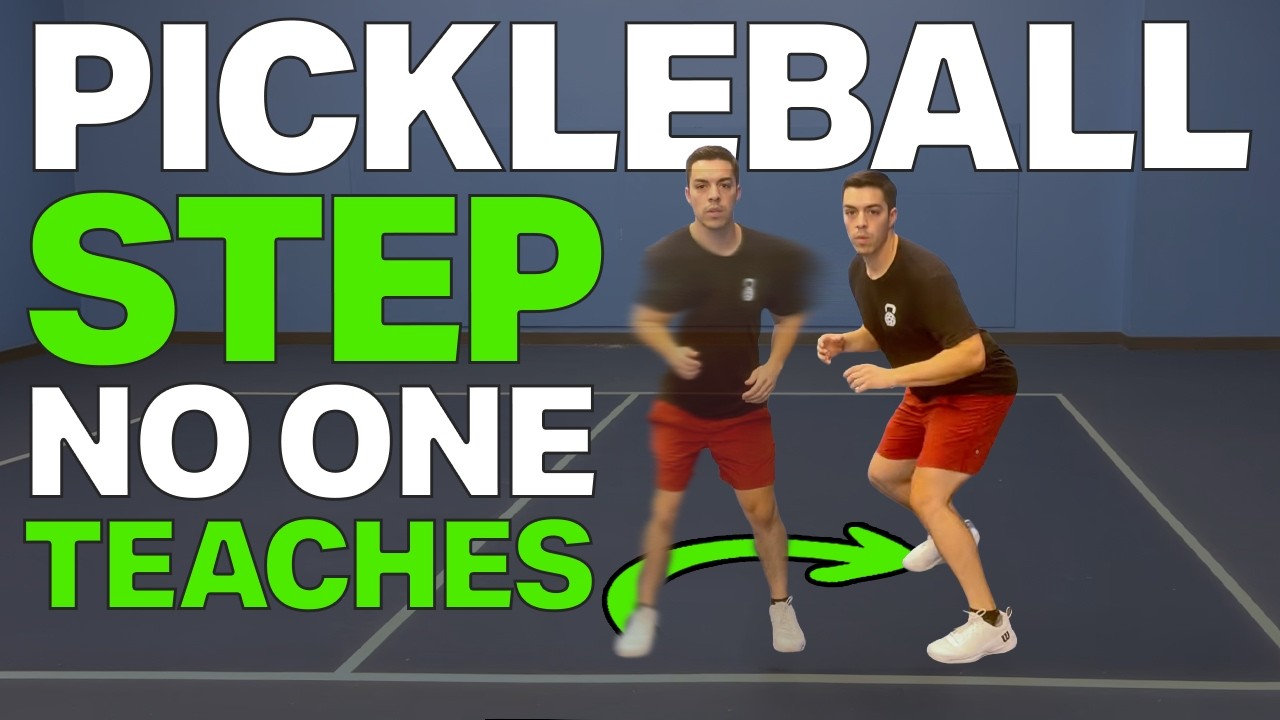
When the dink lands on your outside foot, drop that foot straight back and rotate your body toward the ball.
Your outside foot is the one closest to the sideline, and a dink there pulls you wide and tempts you to lunge sideways. Resist the lunge.
Slide the outside foot back, turn your chest toward the ball, and let your paddle meet it out front.
You can then dink back crosscourt or reset into the kitchen without scrambling.
 The Dink Media Team
How Do You Handle a Dink on Your Inside Foot?
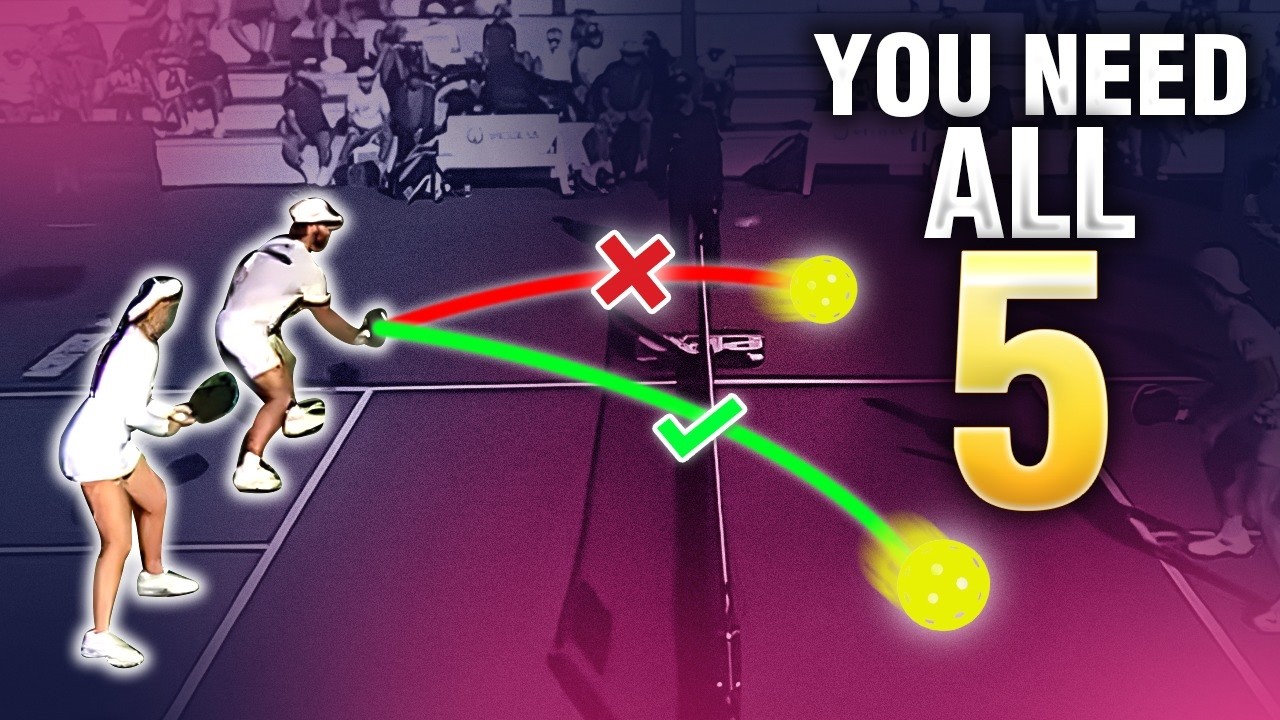
When the dink lands on your inside foot, you use the same drop step: the inside foot goes back first.
The inside foot is the one closest to the middle of the court. Dinks aimed here feel crowded because the ball is right at your body.
Pull that foot back and open your hips slightly. Suddenly you have a lane to swing instead of a ball jammed against your toes.
This is especially useful in crosscourt dink rallies, where opponents love to attack the middle. If you want to dig deeper into that, check out targeting the middle in pickleball to understand what your opponents are trying to do.
 The Dink Media Team
Why Is the Split Step So Important Before the Drop Step?
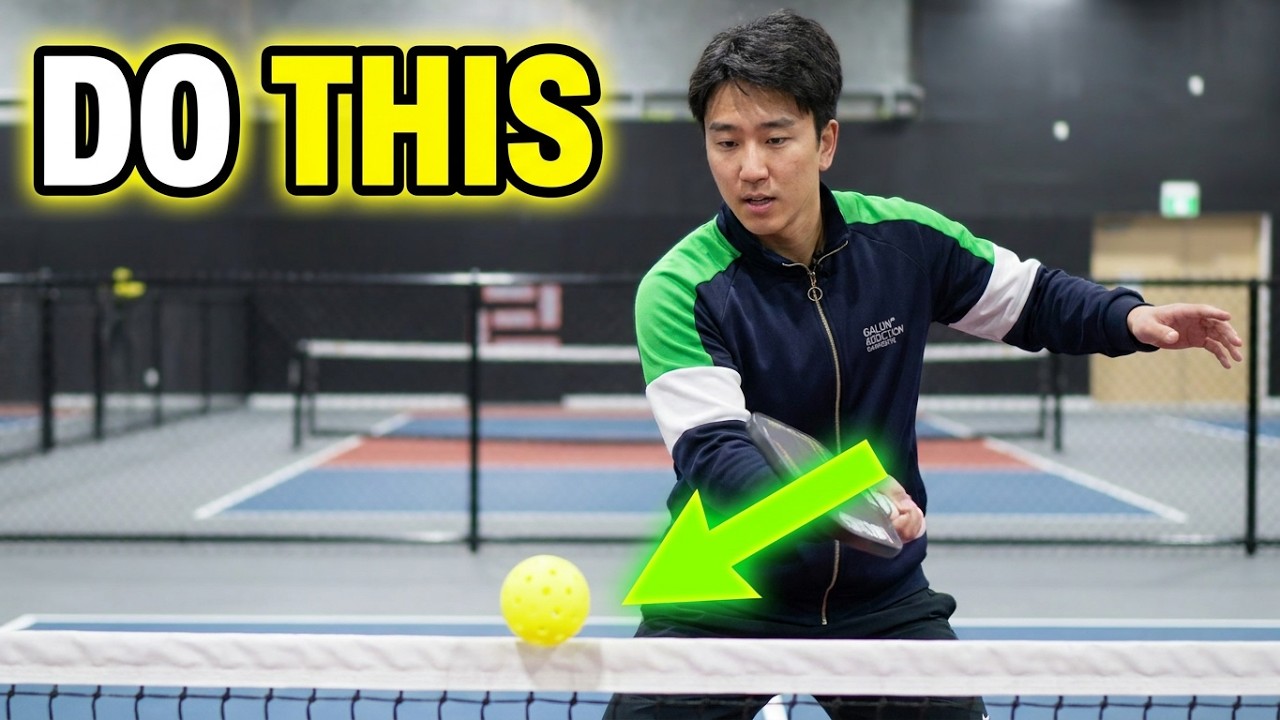
The split step is what makes the pickleball drop step possible, because you cannot move quickly in any direction from a flat-footed stance.
A split step is a small hop you time just as your opponent makes contact. You land with feet about shoulder width apart, ready to push off.
Without it, your first move is slow and your drop step turns into a stumble. With it, your body is loaded and the whole move feels natural at the kitchen line.
That loading matters for more than shot quality.
A 2025 study of recreational tournament players found lower-extremity injuries made up 44% of reported cases, with the knee and ankle at the top of the list.
If your dinking footwork feels heavy in general, these pickleball footwork fixes are a great companion to this drill.
 The Dink Media Team
What Mistakes Ruin the Drop Step?
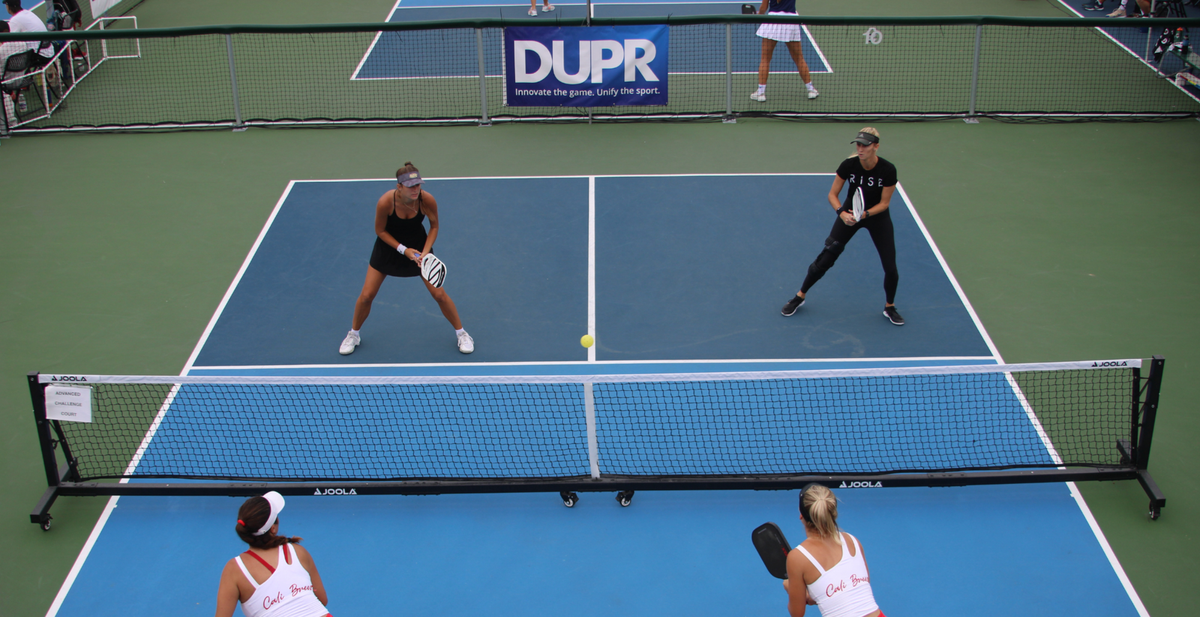
Most drop step errors come from rushing, standing tall, or taking the first step in the wrong direction.
- Stepping forward first. This is the biggest one, and it jams your swing every time.
- Skipping the split step. Flat feet make every adjustment late.
- Staying tall. Bend your knees so your paddle can get under low dinks.
- Dropping the foot but not rotating. Your body has to turn with the foot or you gain no space.
- Over-correcting. A drop step is small and quick, not a giant retreat.
Fixing even one of these will clean up your dinking. Fixing two will change how comfortable you feel at the kitchen line.
 The Dink Media Team
How Does the Drop Step Connect to Better Kitchen Play?
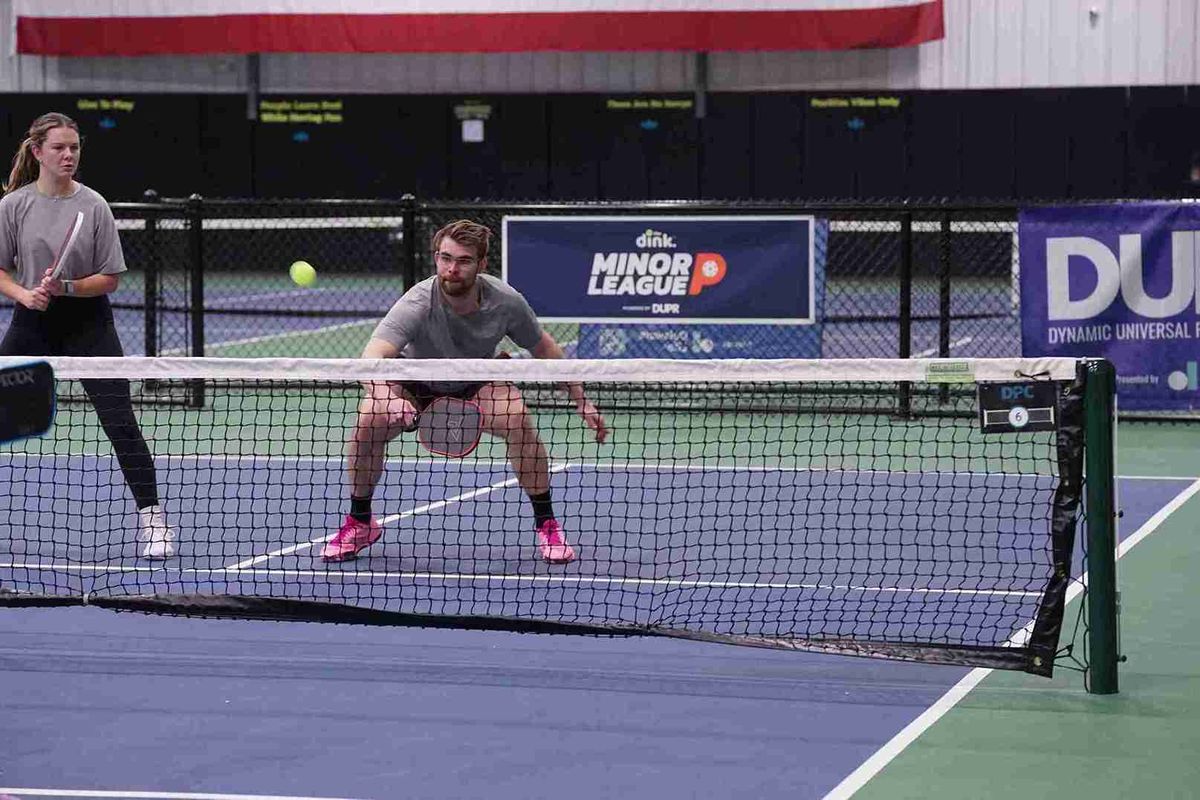
The pickleball drop step makes your dinks more consistent because you hit from balance instead of from a scramble.
Players like Tyra Black and Anna Leigh Waters are known for their kitchen line control, and part of that is how calmly they get their feet out of trouble.
They are rarely jammed because they move early.
Better pickleball footwork also lets you stay patient. For a broader look at winning the soft game, read our pickleball kitchen strategy breakdown.
 The Dink Media Team

How Can You Practice the Drop Step on Your Own?
You can practice the drop step with a partner, a ball machine, or even just shadow footwork at the kitchen line.
Start slow. Have a partner feed dinks to your inside foot, then your outside foot, and call out which one before each feed.
Your job is simple: split step, drop step, adjust, and hit a soft dink back. Repeat for ten feeds on each side.
Once that feels smooth, mix the targets randomly. This forces you to read the ball and choose the right drop step on the fly.
If you want more structure, these pickleball practice drills for any skill level can fill out your session.
 The Dink Media Team
What Else Should You Fix Alongside Your Drop Step?
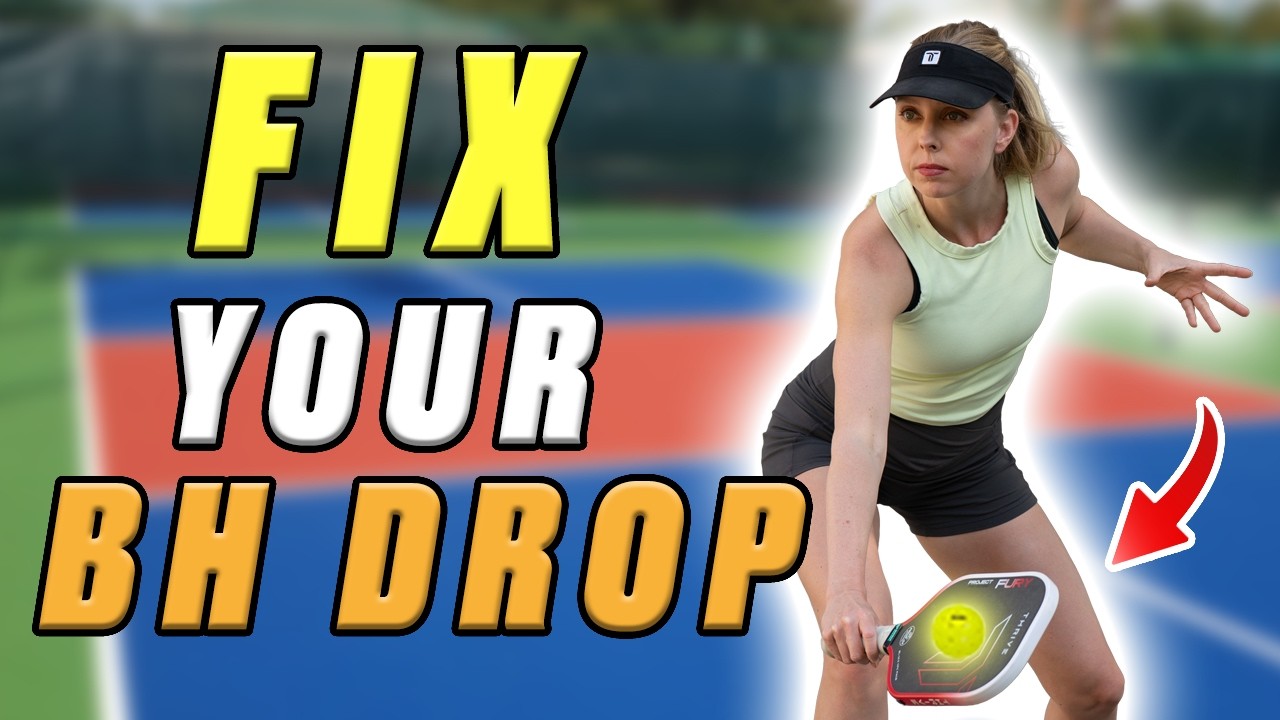
Once your drop step is solid, your next gains come from topspin, patience, and recovering after bad dinks.
A clean drop step gets you into position, but the paddle still has to do its job.
Learning a topspin dink gives you a way to lift the ball over the net without it sitting up.
You should also know how to recover when a dink goes wrong. This piece on bad dink recovery covers the move most players skip.
And if you want to attack after you have neutralized the rally, try dinking with intention so your attacks are earned, not forced.
 The Dink Media Team
Final Thoughts on the Drop Step
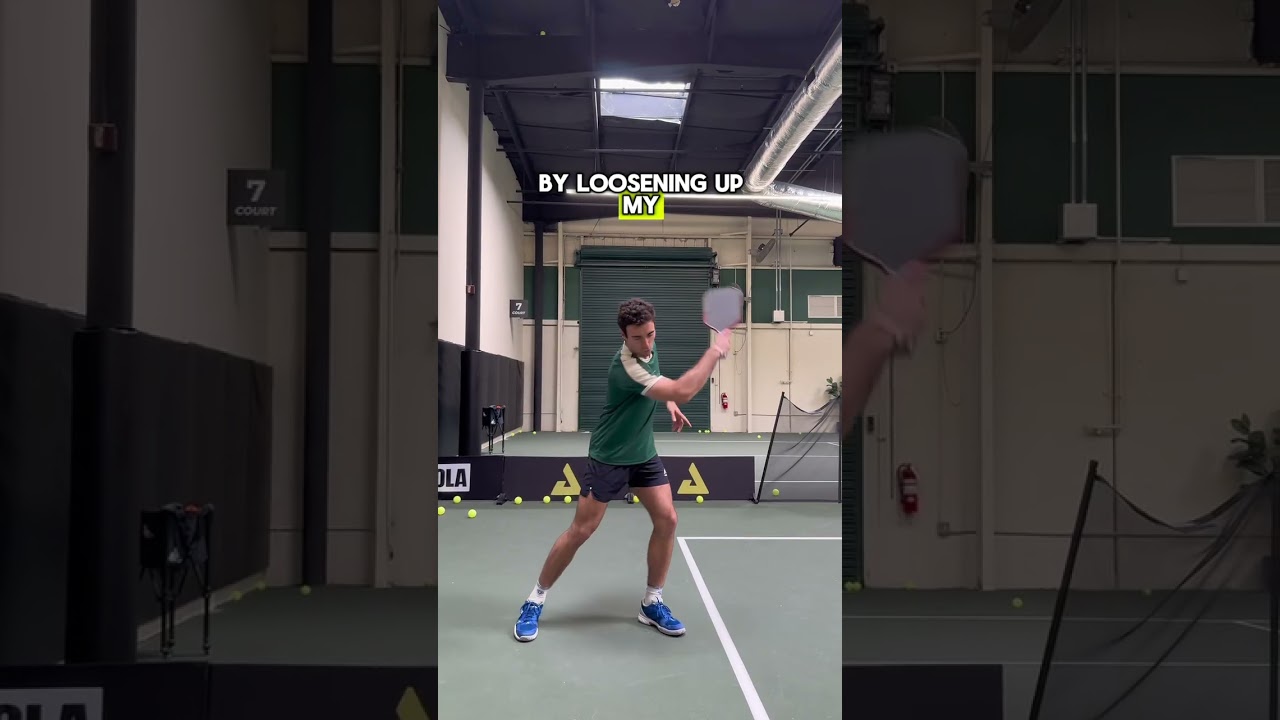
The pickleball drop step is a tiny movement with a big payoff, because it protects your swing space when dinks come at your feet.
Remember the order: split step, drop step, then adjust to where the ball lands. Never step forward into a dink at your toes.
Once the footwork is solid, your next gains come from the paddle.
A topspin dink lifts the ball over the net without letting it sit up, and knowing your bad dink recovery options keeps one mistake from costing the point.
Then start dinking with intention so your attacks are earned, not forced.
Take ten minutes at your next session to drill it. Your kitchen game will feel calmer almost immediately.
If you are still working on the basics behind all this, our guide to pickleball court positioning pairs nicely with this footwork fix, and these bad pickleball habits are worth breaking at every level.
Frequently Asked Questions
What is a drop step in pickleball?
A drop step is the first step you take after a split step, moving the targeted foot back to create space to swing. It helps you handle dinks aimed at your inside or outside foot.
Which way should I step when a dink lands on my feet?
Step back, not forward. Moving the targeted foot backward opens up room for your paddle and keeps you balanced.
Do I drop step on both my inside and outside foot?
Yes. The movement is the same on both sides: the foot being targeted goes back first, then you adjust your body to where the ball lands.
Why do I pop the ball up when dinks hit my feet?
You are likely stepping forward and cramping your swing. A drop step gives you more space so you can control the paddle face and keep the ball low.
How do I practice the drop step?
Have a partner feed dinks to your inside and outside foot while you split step, drop step, and dink back. Start with predictable feeds, then randomize them as you improve.


Love Pickleball? Join 100k+ readers for free weekly tips, news & gear deals.
Subscribe to The Dink


