Most players freeze after a bad dink and hope for the best. This bad dink recovery technique tells you exactly how to move before your opponent even swings.
You pop a dink up and your first instinct is to panic.
That moment of hesitation, where your feet go flat and your body stiffens, is exactly what kills your chance at a good counter.
Here is the thing most players get wrong: they treat the bad dink as a dead end. It is not.
You actually have a head start on your opponent because you know you hit a bad dink the second it leaves your paddle.
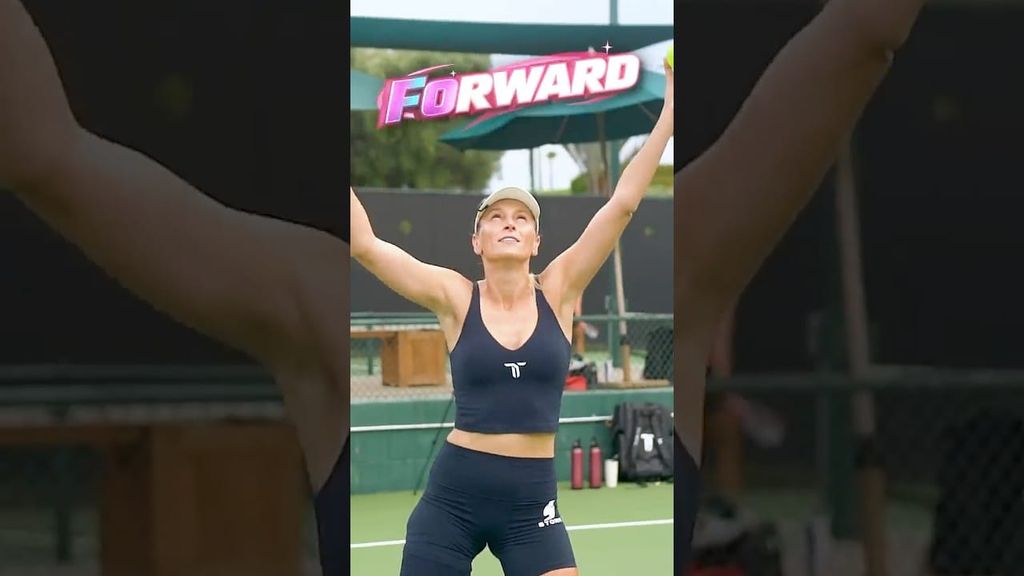
This breakdown comes from Jilly B Pickleball on YouTube, and the concept she walks through is simple but almost nobody does it correctly.
This article covers the exact footwork pattern you need for a clean bad dink recovery at the kitchen line, turning a mistake into a survivable, even competitive, moment.
Love pickleball? Then you'll love our free newsletter. We send the latest news, tips, and highlights for free each week.
You Already Know Before Your Opponent Does
This is the most underrated advantage in pickleball and almost nobody uses it.
The moment you make contact and feel that dink float up, you know. Your opponent has not even processed the ball yet.
That split second is yours to use, and most players waste it by standing still and watching the ball travel.
Instead, the second you feel that mis-hit, your body should already be moving.
Step back from the kitchen line immediately. Not a shuffle, not a lean. A real step back that gives you space and time to load up for the incoming attack.
This is not about retreating.
A bad dink recovery buys you a half second so you can move forward through your counter instead of jabbing at it with your weight going nowhere, which is the same problem that wrecks smart defense at the kitchen line.
Why Do Stuck Feet Kill Your Counter?
When your feet are glued to the kitchen line after a pop-up, you have no power to transfer into the ball.
You end up pushing or jabbing, and that produces a weak, floaty response that sets your opponent up for another attack.
Good counters require forward momentum. If you are already pinned at the line with no room to move, you cannot generate that momentum.
The step back gives you the space to then step forward, which is exactly what makes a counter sharp and purposeful.
Think of it like a coiled spring. The step back loads you. The step forward releases that energy into the shot.
If you want to see how pros handle fast exchanges at the kitchen, the concepts around winning a hands battle apply directly here.
The footwork principle is the same: weight moving forward at contact wins points.
The 3-Step Bad Dink Recovery Pattern
Here is the exact sequence to run every time you pop a dink up.
- Step 1: Recognize the Bad Dink Immediately: The second your paddle makes contact and you feel it is off, that is your trigger. Do not wait to see where the ball goes. Start moving now. Players who understand why their dinks pop up in the first place recognize the mis-hit faster than everyone else on the court.
- Step 2: Step Back From the Kitchen Line: One deliberate step back creates the space you need. You are not abandoning the line. You are setting up to return to it, the same way you would manage proper spacing with your partner during a scramble.
- Step 3: Move Forward Through the Counter: As the attack comes and you swing your counter, your weight should be moving forward. You want to end the shot with your momentum going toward the net, not staying neutral or drifting back.
That third point is where most players fail even if they get the first two right. Ending with forward weight is non-negotiable.
A counter hit with your weight going backward is weak and inconsistent almost every time, which is why consistent counters start with two simple rules.
 The Dink Media Team
What Does "Moving Through the Counter" Actually Mean?
It means your body is not stationary when you make contact on the counter. You are mid-step forward as your paddle strikes the ball.
This is the same mechanical principle that makes groundstrokes powerful. Your legs and core contribute to the shot when your body is in motion toward the target.
When you are flat-footed or drifting back, all you have is your arm, and your arm alone is not enough to produce a reliable counter.
Forward weight at contact also helps with control. It keeps your paddle path more consistent and reduces the chance of another mis-hit.
You are less likely to pop it up again when your body is moving in the right direction.
For players who struggle with this concept in general, these footwork fixes cover the mechanical foundation you need to make the step-back-and-forward pattern feel natural.
 The Dink Media Team
Getting Back to the Line Is Not a Bad Dink Recovery
No, simply reclaiming your spot does not count. This is one of the most common mistakes even intermediate players make.
Getting back to the kitchen line is step one. But if you get there and your feet stop, you have solved nothing.
The kitchen line is a position you move through, not a place you park. The non-volley zone rules dictate where you can volley, not how long you have to stand there.
Jilly B is clear on this point: your feet cannot get stuck. The whole pattern falls apart if you reclaim position and then go static.
This connects to a bigger idea about court positioning and ball height, which changes how you move through exchanges instead of just where you stand.
 The Dink Media Team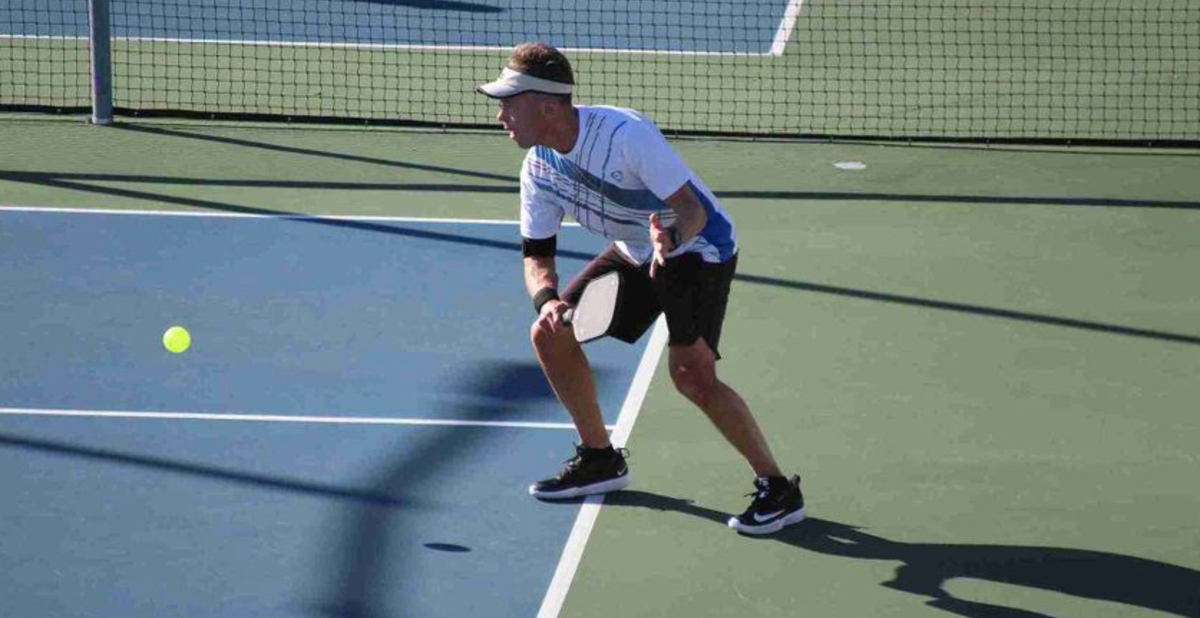
How Fast Should the Step Back Be?
Fast enough to give yourself time, slow enough to stay balanced. The step does not need to be dramatic.
Even a small, deliberate step back creates enough space to reset your weight and prepare to move forward. The key is that the step is intentional.
You are not stumbling backward because you got caught off guard. You are choosing to create space the second you recognize the bad dink.
That choice is what separates reactive players from players who stay in control under pressure.
When the game speeds up, counterattacking like a 5.0 relies on the same footwork principles, so building this habit now pays off against faster opponents.
 The Dink Media Team
What a Successful Bad Dink Recovery Looks Like
Here is the sequence in real time.
- You dink and feel it float up, so you immediately step back one step.
- Your opponent sees the pop-up and loads up to attack.
- As the attack comes toward you, you are already moving forward.
- You meet the ball with forward weight and redirect it back low and controlled.
- Your opponent, who expected a weak counter, now has to deal with a ball that is actually threatening.
That last point is the payoff. You flipped the script.
What should have been a point for your opponent becomes a neutral exchange or even a point for you.
A clean bad dink recovery does not just save you, it puts pressure back on the other side.
This is the same idea behind knowing when to block and when to counter. Smart movement creates offense out of defensive moments.
 The Dink Media Team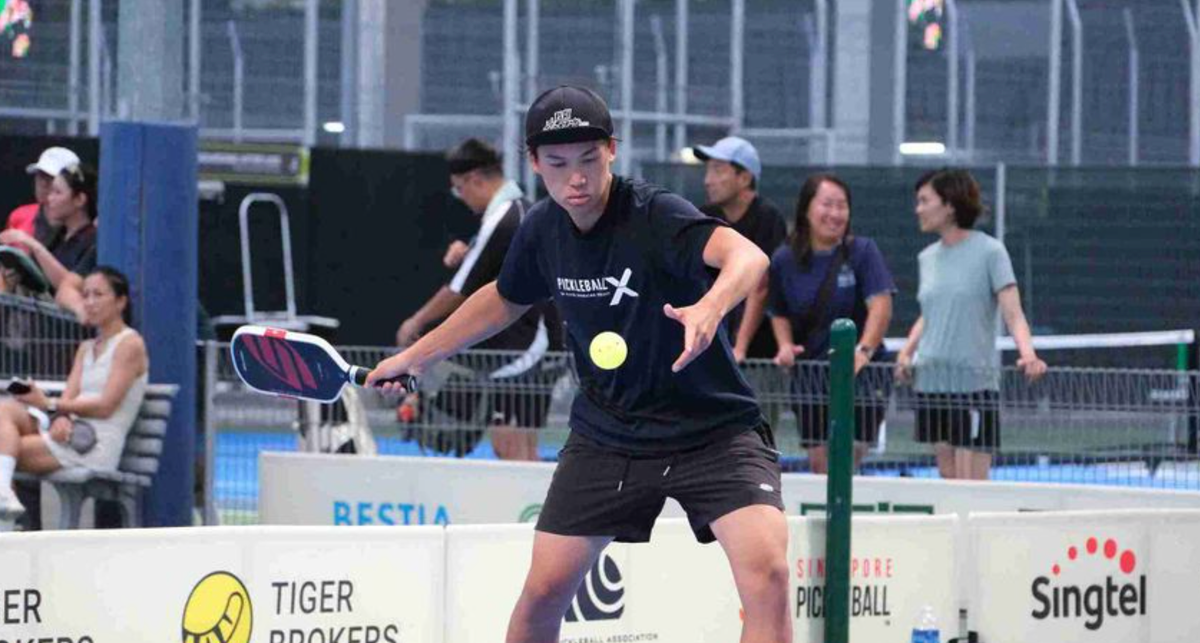
Drill Your Bad Dink Recovery Until It Is Automatic
Have a partner feed you dinks and occasionally hit one back poorly on purpose. As soon as you feel the mis-hit, run the step-back pattern before the ball even arrives.
Do not wait for a real match to practice this. Your body needs repetitions under low-pressure conditions before it will run the pattern when it actually counts.
You can also use wall drills or shadow footwork to rehearse the step-back and step-forward sequence solo.
For a more complete practice structure, these 12 drills can be adapted to include bad dink recovery scenarios at any skill level.
 The Dink Media Team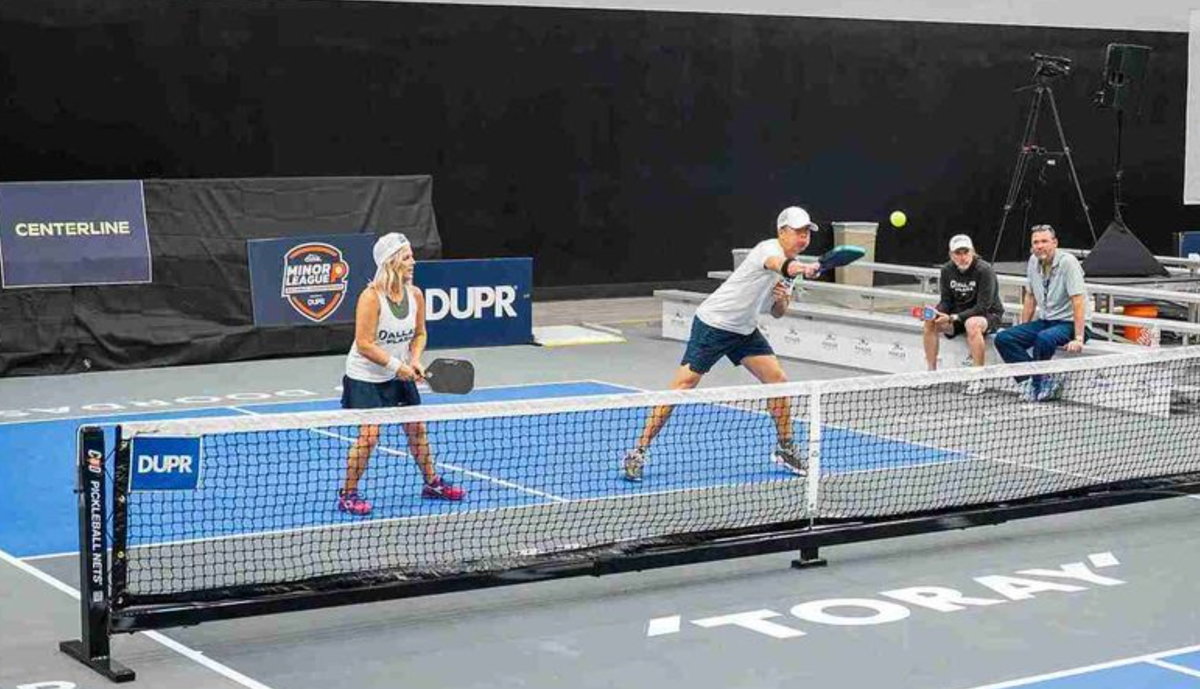
Why Do Most Players Skip This Step?
Because it is uncomfortable. Stepping back from the kitchen line feels like giving up ground.
Every player who has learned what pickleball is has heard “stay at the kitchen line” so many times that moving away from it, even temporarily, feels wrong.
But that advice applies to positioning, not to every single moment in a rally.
Rigid adherence to the line after a pop-up is a mistake. You are not giving up a position, you are setting up to reclaim it with better mechanics.
The players who understand this think in movement patterns, not fixed spots.
Standing firm at the kitchen line is not always the best advice, and this is exactly one of those moments.
 The Dink Media Team
The One Thing to Remember
You already have the information advantage. The second you hit a bad dink, you know before your opponent does.
Use that head start. Step back, stay balanced, and move forward through your counter.
End every exchange with your weight going forward.
That one habit, done consistently, will change how often you survive pop-ups and how often you turn them into something threatening.
The kitchen line is where points are won, but it is not a place to stand frozen.
Keep moving, sharpen your dink placement, and stop feeding your opponents easy pop-ups in the first place.
Frequently Asked Questions
What is a bad dink in pickleball?
A bad dink is a dink shot that floats too high over the net, giving your opponent an easy opportunity to attack. The ball rises into the attackable zone, typically above net height, instead of staying low and close to the net tape. This is one of the most punished mistakes at the kitchen line.
Should I step back after hitting a pop-up in pickleball?
Yes, stepping back immediately after a pop-up is the correct response. It gives you space to load your weight and then move forward through your counter, which produces a stronger and more controlled shot. Staying flat-footed at the kitchen line after a pop-up almost always leads to a weak, jabbing counter.
How do I counter a speed-up in pickleball?
A good counter starts with forward weight at the moment of contact. You want your body moving toward the net as your paddle makes contact with the incoming speed-up, not standing still or drifting back. Pros prepare for speed-ups with specific pre-shot positioning that makes their counters far more consistent.
Why do my counters keep going into the net?
Counters that die in the net are usually the result of your weight going backward at contact. When you are leaning or stepping back as you swing, the paddle face tends to close and the ball goes low or into the tape. Focus on driving your weight forward as you make contact and your counter trajectory will improve immediately.
How do I stop popping dinks up in pickleball?
Popping dinks up usually comes from swinging too hard, contacting the ball too late, or having your paddle face open at impact. Slowing your dink swing down and making contact out in front of your body with a neutral paddle face fixes most pop-ups. Handling low balls at your feet is a specific skill that takes deliberate work to develop.

Love Pickleball? Join 100k+ readers for free weekly tips, news & gear deals.
Subscribe to The Dink