Returning a fast serve in pickleball doesn't require you to hit harder. Instead, it's about positioning, paddle angle, and body mechanics. Here's how to master the fast serve return with proven techniques from NCCP-certified coaches.
You're struggling to return fast serves in pickleball because you don't know the right technique. The good news?
Returning a fast serve isn't about hitting harder or swinging faster.
It's about positioning, paddle angle, and understanding how to use your opponent's power against them.
Brandon Stagmire, an NCCP-certified pickleball coach who's worked with hundreds of students, breaks down the exact mechanics you need to transform your serve returns from lucky shots into reliable weapons.
In this guide, we'll walk through the five-step system that separates consistent returners from baseline strugglers.
Love pickleball? Then you'll love our free newsletter. We send the latest news, tips, and highlights for free each week.
Why Most Players Fail at Returning Fast Serves
Here's the thing: most pickleball players approach fast serves the same way tennis players do.
They try to match power with power. That's the mistake.
When someone serves hard and deep, your instinct is to stand closer to the baseline to react faster. But that's exactly where you get jammed.
Returning a fast serve requires you to give yourself room to work with the ball, not against it.
The court is your ally.
On a standard pickleball court, you've got about six feet of space behind the baseline. Use it.
Standing back gives you time to see the ball, predict its path, and set up your paddle before contact.
It also prevents you from getting caught in that awkward position where the ball arrives before your body is ready.
1. Give Yourself Room (The Foundation)
The first step to mastering a fast serve return is counterintuitive: move back.
When you're receiving a hard serve, position yourself near the back fence with enough space to extend your paddle backward without touching the fence.
This gives you two critical advantages.
- First, you have more time to react because the ball travels farther before reaching you.
- Second, you're positioned to make contact in front of your body, which is where all your power and control happen.
Think of it this way: if the ball kicks closer to the net line, you won't get caught behind it. You'll still have room to step forward and make solid contact.
Players who stand too close to the baseline often find themselves jammed, with the ball arriving at their hip or shoulder instead of out in front.
The improvement is immediate. When you give yourself room, your consistency jumps from two out of three returns to three out of three.
That's not luck. That's positioning.
2. Keep a Firm Hold on Your Paddle (Paddle Angle Matters)
Once you've positioned yourself correctly, the next piece of the puzzle is your grip and paddle angle.
A firm hold doesn't mean squeezing the paddle until your knuckles turn white. You're aiming for about a five or six out of ten in grip pressure.
What matters more is your paddle angle when the ball arrives.
Here's the secret: when your opponent is hitting with 100 percent power, you don't need to add your own power.
If you try to match their force with your own swing, you'll either hit the ball out or lose control.
Instead, think of your paddle as a wall reflecting their energy back at them.
Open your paddle face slightly upward. This angle lets you absorb their power without adding to it.
You're using their momentum, not fighting it. It's the same principle as catching a fast-moving ball with soft hands instead of rigid arms.
 The Dink Media Team
3. Use Your Body for the Backswing (Compact and Controlled)
The third step separates casual players from serious returners: your backswing comes from your body, not your arm.
When you're facing a fast serve, you don't have time for a big, extended backswing.
The faster the ball comes at you, the smaller and more compact your swing needs to be. This is where body rotation becomes your secret weapon.
Instead of pulling your arm back, rotate your shoulders and hips. Your core does the work.
As soon as you rotate, that rotation is your backswing. You're not extending your arm further back; you're using your kinetic chain.
This approach is similar to table tennis, where players rely on quick rotations rather than long arm movements.
The benefit? You're already moving forward into the court as you prepare to hit.
Your body rotation naturally brings you toward the net, which is exactly where you need to be after your return.
You're not wasting energy on a big swing; you're channeling it into forward momentum.
The Dink Media Team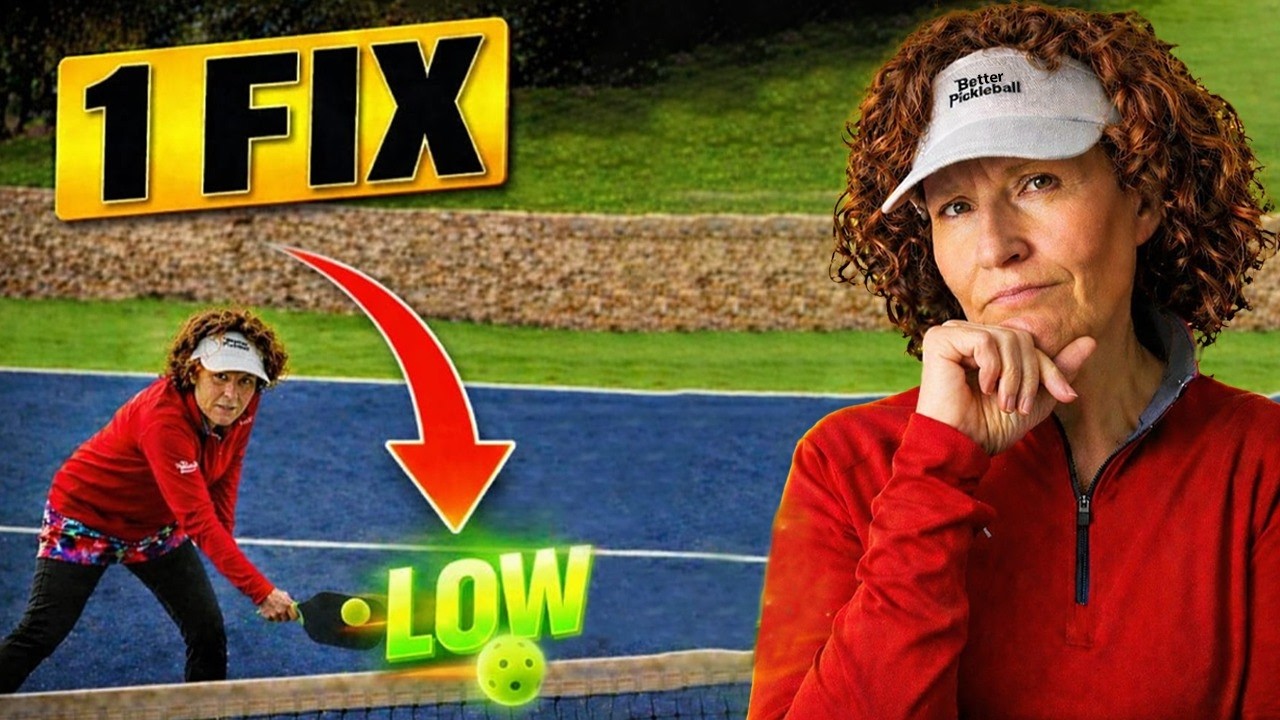
4. Lift and Keep Your Swing Short (The Compact Stroke)
Now we get to the stroke itself, and this is where most players go wrong.
When a hard serve comes at you, your brain screams "hit it back harder." Resist that urge.
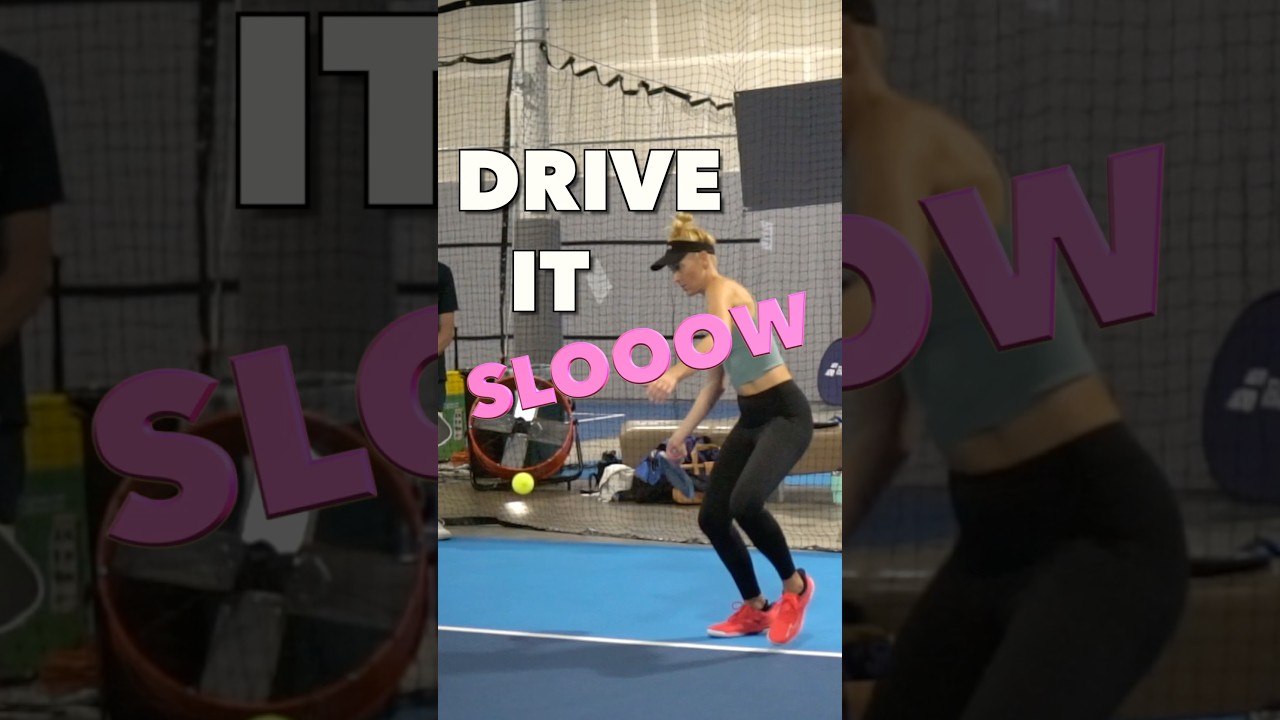
A fast serve return isn't about driving the ball; it's about lifting it with a short, compact swing.
Your swing should look like a slow, constant scoop.
You're pulling back your arm just slightly and scooping upward. The goal isn't to create power; it's to create lift and depth.
When you add power to their power, the ball either flies into the net or sails long.
When you focus on lift, you're using their speed to carry the ball deep into the court.
Keep your finish at chest level or slightly higher. This ensures you're creating enough lift to clear the net and land deep.
If you finish at waist level, you won't have enough upward motion to get the ball over consistently.
Here's the thing: this step naturally emerges once you've nailed the first three.
When you have room, a firm paddle angle, and a compact backswing, the short swing becomes the logical next step.
It's not a separate technique; it's the natural result of everything else working together.
The Dink Media Team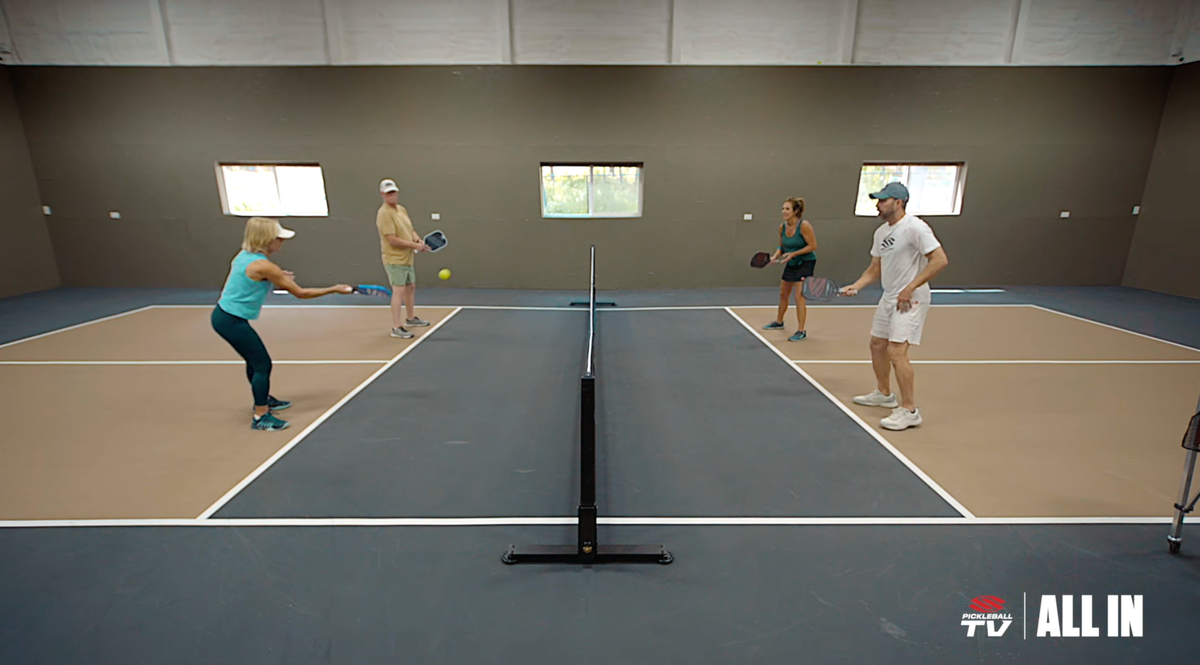
5. Put It All Together (The Real Goal)
The fifth and most important step is understanding why you're doing all of this: to get to the kitchen line.
If you lose sight of that goal, you'll revert to baseline tennis mentality, staying back and trying to hit winners.
In doubles pickleball, that abandons your partner who's already up at the net.
So here's how you practice this: grab a friend and do serve-and-return drills only.
One person serves; one person returns. That's it. No other shots. Use cones to mark your target depth.
Your return should land at or deeper than the cone. Your second goal is to reach the kitchen line before your opponent's next shot bounces.
Which metric matters more? Depth first. If your return lands deep, you'll naturally have time to advance to the kitchen.
If you're chasing short returns, you'll never get up.
Brandon Stagmire emphasizes this in his coaching:
Consistency comes before weapons.
Get three out of three returns in consistently before you worry about making them aggressive.
Once you're reliable, then you can add pace and angles.
The Dink Media Team
The Mental Shift That Changes Everything
The biggest breakthrough for most players comes when they stop thinking about hitting and start thinking about guiding.
You don't need to swing hard. You need to adjust your paddle upward and guide the shot up.
Because of your opponent's speed, the ball will actually go lower and deeper than you'd expect. It's counterintuitive, but it works.
The faster the serve, the less you need to do.
This mental shift is what separates players who struggle with fast serves from those who thrive against them.
You're not fighting the serve; you're redirecting it.
Frequently Asked Questions
How far back should I stand to return a fast serve?
Stand as far back as you can while still being able to extend your paddle backward without touching the fence. On a standard court with about six feet of space, use most of that room. This gives you maximum time to react and prevents you from getting jammed.
What grip pressure should I use for fast serves?
Aim for about a five or six out of ten in grip pressure. You want a firm hold, but not so tight that you can't absorb the ball's energy. Your paddle angle matters more than how hard you're gripping.
Should I try to hit the ball hard on my return?
No. The faster the serve, the less power you should add. Focus on lift and depth instead. You're using your opponent's power, not matching it. A soft, scooping motion with an open paddle face is more effective than a hard swing.
How do I know if my return is deep enough?
Use cones during practice to mark your target zone. Your return should land at or deeper than the cone. Depth is more important than speed because it gives you time to advance to the kitchen line before your opponent can attack.
Why is getting to the kitchen line so important after my return?
The kitchen line is where the advantage shifts. If you stay at the baseline, your partner at the net is isolated and vulnerable. By advancing to the kitchen, you and your partner control the net and can put pressure on your opponents before they can attack you.

Love Pickleball? Join 100k+ readers for free weekly tips, news & gear deals.
Subscribe to The Dink