
How to Enter Your First Pickleball Tournament: Registration and What to Bring
Entering your first pickleball tournament is easier than it sounds once you know where to register and what to expect. This guide covers everything from skill ratings and registration platforms to the gear you actually need on match day.
When you enter first pickleball tournament is one of the best decisions you'll make as a player, and it's a lot less complicated than most people think.
You don't need to be a 4.5. You don't need a coach.
You just need to know where to sign up, what skill bracket you're playing in, and what to throw in your bag before you walk through the door.
This guide breaks down all of it: finding tournaments near you, registration platforms, player ratings, and the exact gear that makes your day run smoothly.
Love pickleball? Then you'll love our free newsletter. We send the latest news, tips, and highlights for free each week.
How Do You Actually Enter Your First Pickleball Tournament?
Entering your first pickleball tournament starts with two things: picking a sanctioned event and having a verified skill rating.
Most amateur tournaments in the U.S. are run through USA Pickleball or DUPR, and both platforms have searchable event directories where you can filter by location, date, and skill level.
Create a free account on either platform, confirm your rating, and register directly through their portals.
Where to Find Tournaments
USA Pickleball maintains a tournament finder that lists every sanctioned event nationwide. DUPR hosts its own event directory tied to your DUPR rating.
You can also find local and regional tournaments through Pickleheads, community boards at your local courts, and Facebook groups dedicated to pickleball in your area.
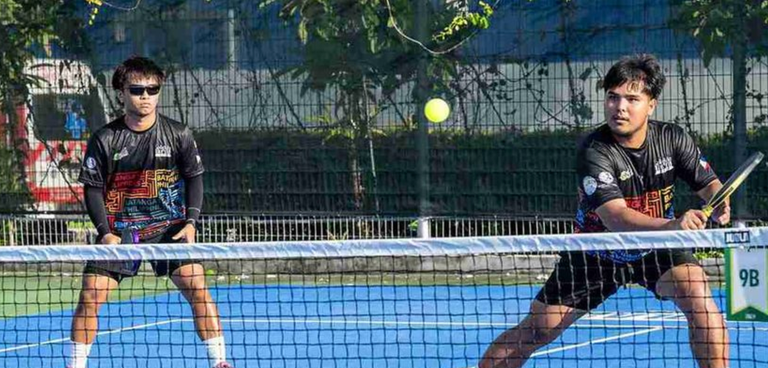
Most events offer categories in singles, doubles, and mixed doubles across multiple skill brackets.
As a first-timer, you'll likely register in one or two of those. Read more about doubles strategy to decide which format suits you best before committing to both.
What Is a DUPR Rating and Do You Need One?
DUPR (Dynamic Universal Pickleball Rating) is the most widely used skill rating system in the sport, and it's become the de facto standard at amateur tournaments globally.
According to DUPR's official site, ratings are calculated algorithmically based on your match results, not self-assessment.
This makes them more accurate than the traditional self-rated system.
Your DUPR score ranges from 2.00 to 8.00. Most recreational players fall between 3.0 and 4.5.
When you enter your first pickleball tournament, you may not yet have a DUPR.
In that case, many events allow self-rating for first-timers, or you can play some rated open-play sessions to establish a score before your tournament debut.
Don't sandbag. Entering a bracket below your actual skill level is called sandbagging, and it's taken seriously in the pickleball community.
USA Pickleball's official rules include provisions for players competing outside their appropriate skill bracket.
 The Dink Media Team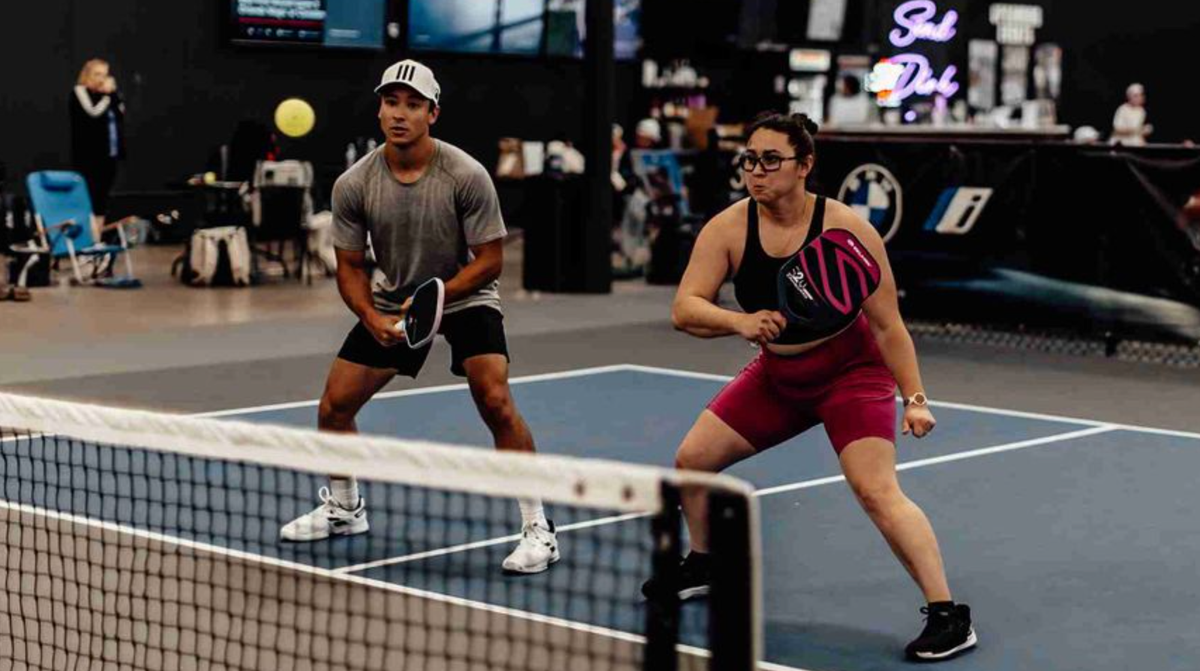
What Skill Level Should You Register In?
Register at the level where you're genuinely competitive, not where you're guaranteed to win. Here's a quick breakdown of common amateur skill brackets:
- 3.0: Developing players who understand the basic rules and can sustain a dink rally. Can execute the third shot drop with some consistency.
- 3.5: Comfortable at the kitchen line, beginning to develop a strategy, handles soft game exchanges.
- 4.0: Solid fundamentals, reliable dinking, starts to attack with purpose, understands stacking and positioning.
- 4.5+: High consistency, attacks effectively, controls the pace of points.
If you've been playing regularly for six months to a year and can hold your own at open play, 3.0 or 3.5 is the right place to enter your first pickleball tournament.
Play up rather than down if you're unsure.
The Dink Media TeamShould You Play Singles or Doubles in Your First Tournament?
For your first tournament, doubles is the better call. Singles is physically demanding.
Research published in the Journal of Aging and Physical Activity found pickleball singles can push heart rate into moderate-to-vigorous intensity zones for extended periods, which can be a shock to first-time competitors.
Doubles lets you share the court, consult your partner, and manage nerves with another player alongside you.
Find a partner you've played with before. Chemistry matters. Knowing how to cover the court together will be worth more than any last-minute strategy session.
Alex E. Weaver
How to Register Step by Step
Once you've found your event and confirmed your rating, here's exactly how registration works for most USA Pickleball sanctioned events:
- Create a USA Pickleball account at usapickleball.org or sign in through DUPR if it's a DUPR-managed event.
- Find the event using the tournament locator and click through to the registration page.
- Select your division: format (doubles, mixed doubles, singles) and skill bracket.
- Enter your partner's information if playing doubles. Both players must be registered with the platform.
- Pay the entry fee. Most amateur events charge between $30 and $75 per event entered.
- Confirm your registration and save your confirmation email.
Registration for popular events fills up fast. Some USA Pickleball nationals-level events use lottery systems.
For local tournaments, first-come first-served is the norm, so register as soon as the event opens.
The Dink Media Team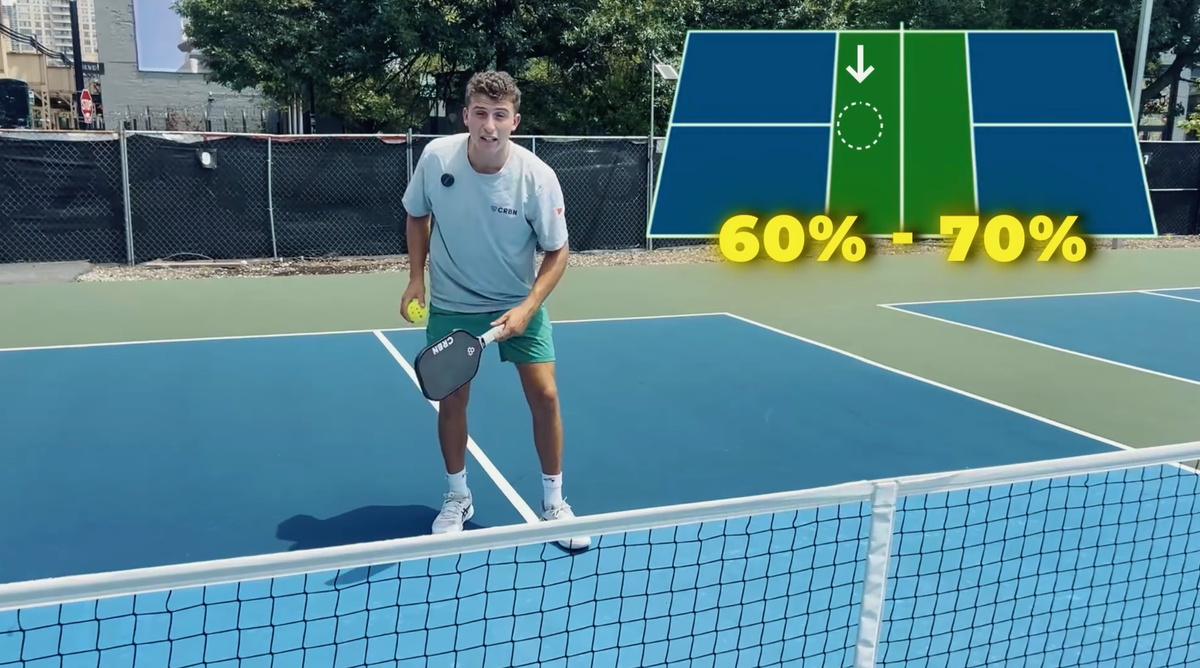
What to Bring to Your First Pickleball Tournament
Your gear makes or breaks your day.
Not because you need the fanciest equipment, but because showing up underprepared is a real way to lose matches before they even start.
Paddle
Bring a paddle that's approved by USA Pickleball. Most paddles on the market pass, but check the approved equipment list if you're using anything new or high-end. Bring a backup if you have one. Paddles crack.
Balls
The tournament will provide balls, but knowing what kind they use helps you practice in advance. Outdoor tournaments typically use the Franklin X-40 or Dura Fast 40. Indoor events usually use a softer ball like the Onix Fuse.
Shoes
Court shoes are non-negotiable. Running shoes don't cut it on a pickleball court. You need lateral support. A dedicated pickleball or tennis court shoe prevents ankle rolls and keeps you stable through quick directional changes. Multiple studies in sports medicine literature confirm that improper footwear significantly increases lower-extremity injury risk in court sports (British Journal of Sports Medicine). Some players swear by specific models. Find what works for your foot.
Alex E. Weaver
What Else Goes in the Bag
A well-packed pickleball bag for tournament day should include:
- Water and electrolytes. You'll play multiple matches. Hydration is the first thing that slips. Pickleball demands more water consumption than most players expect.
- Snacks. High-carb, easy to digest: bananas, granola bars, trail mix. Skip the heavy stuff.
- Grip tape and overgrips. Sweaty hands are real. Keep extras in your bag.
- Sunscreen and a hat. Outdoor tournaments can run four to six hours. Protect yourself.
- A light jacket or warm-up layer. Morning matches can be cold even in warm climates. Warm up properly before your first match.
- A positive attitude. Seriously. First tournaments are about learning, not winning. Leave the pressure at home.
The Dink Media Team
What to Expect When You Enter Your First Pickleball Tournament
Match day has a rhythm. Most tournaments start with a check-in window one to two hours before play begins. Know your court assignment and bracket draw.
The bracket tells you who you're playing and in what order.
Lose a match and you drop to the consolation bracket; most events guarantee at least two matches per player.
Arrive early. Give yourself time to warm up, find your courts, and get comfortable with the environment.
Tournament pickleball feels different from rec play. The courts are faster, the calls matter more, and there's pressure.
That's the point. Getting tournament reps is the fastest way to improve.
You'll call your own lines in most amateur brackets. Understand the rules around line calls and let serves.
If you're unsure, ask a tournament director before your match starts, not during.
One thing Zane Navratil, one of pickleball's top pros, has said repeatedly: every player should play tournaments.
The competitive pressure you get in a single tournament day is worth months of casual rec play.
The Dink Media Team
Key Takeaways
- Enter your first pickleball tournament through USA Pickleball or DUPR, both of which have searchable event directories.
- Establish a DUPR rating before you register. It determines your bracket placement and keeps competition fair.
- Register at the skill level where you're genuinely competitive. 3.0 or 3.5 is the right starting point for most developing players.
- Doubles is the recommended format for your first tournament: less physical demand, built-in support from your partner.
- Bring court shoes, an extra paddle, water, electrolytes, snacks, and overgrips.
- Arrive early, warm up, know the rules, and remember that the goal is to get better, not just to win.
Frequently Asked Questions
How do I enter my first pickleball tournament if I don't have a rating?
Most local and regional amateur tournaments allow first-time players to self-rate when they enter their first pickleball tournament. You'll select a skill bracket based on your honest assessment of your level. If you have time before the event, play a few DUPR-rated matches at open play sessions to establish a verified score. DUPR accounts are free at mydupr.com.
How much does it cost to register for a pickleball tournament?
Entry fees for amateur pickleball tournaments typically range from $30 to $75 per event. Some larger festivals charge more, especially if they include multiple days of play or sanctioned prize money. USA Pickleball membership (required for sanctioned events) costs $30 to $40 annually as of 2025. Check usapickleball.org for current pricing.
What skill level should I enter for my first pickleball tournament?
Register at the level where you're genuinely competitive. For most players who have been playing six months to a year, that's 3.0 or 3.5. Entering too low (sandbagging) is against the spirit of the game and can result in bracket penalties. When in doubt, play up a level rather than down.
Do I need special equipment to enter my first pickleball tournament?
You need a USA Pickleball-approved paddle and proper court shoes. Everything else is optional but helpful. The tournament provides balls. Running shoes are not appropriate for pickleball courts; lateral support from a dedicated court shoe reduces your injury risk significantly. Beyond that, water, overgrips, and snacks will carry you through a full match day.
How long does a pickleball tournament take?
Most amateur tournaments run four to eight hours depending on the number of divisions and match format. Individual matches to 11 points (win by 2) typically take 20 to 40 minutes. Most events guarantee you at least two matches even if you lose your first, so plan to be there for the full day.

Love Pickleball? Join 100k+ readers for free weekly tips, news & gear deals.
Subscribe to The Dink