
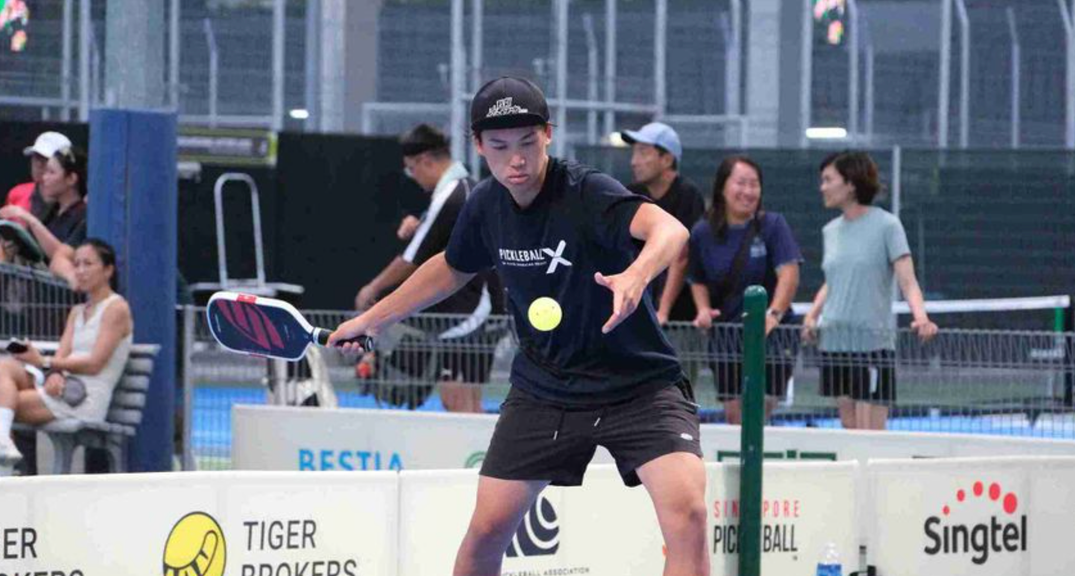
Why Dinking Matters in Pickleball (And Why Pros Obsess Over It)
Understanding why dinking is important in pickleball separates players who win rallies from players who just survive them. This guide breaks down the soft game mechanics, pro-level strategy, and common mistakes that are costing you points right now.
Why is dinking important in pickleball? Because it's the shot that decides who controls the point.
At every level above 3.5, the player who controls the dink rally almost always controls the outcome.
That's not an exaggeration.
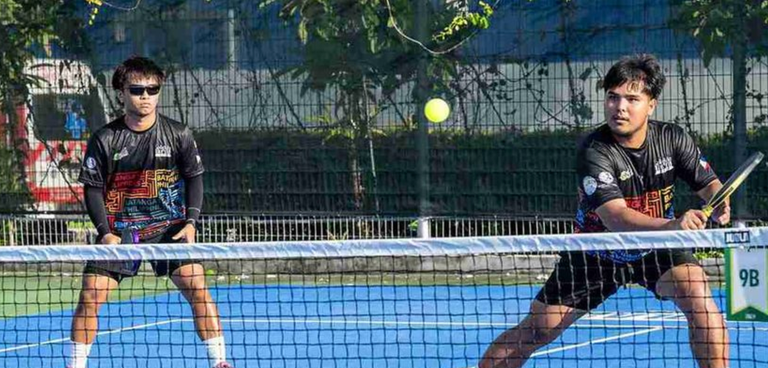
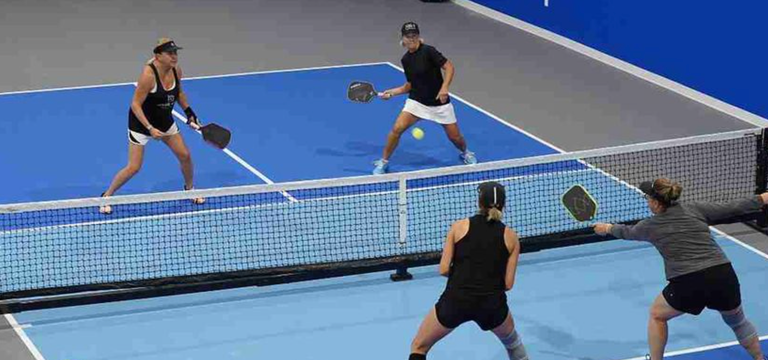
Watch any pro match and you'll notice the same pattern: long, patient exchanges at the kitchen line, each player waiting for the right moment to attack.
Neither side is being passive. Both are setting a trap.
Love pickleball? Then you'll love our free newsletter. We send the latest news, tips, and highlights for free each week.
What Is a Dink in Pickleball, Exactly?
A dink is a soft, controlled shot that clears the net and lands in the opponent's non-volley zone, commonly called the kitchen.
Understanding why dinking is important in pickleball starts here: the goal isn't power. It's placement.
A well-executed dink stays low enough that the opponent can't volley it aggressively without popping it up into an attackable position.
Think of it as a chess move. You're not trying to win the point with this shot.
You're trying to make it impossible for your opponent to win the point with their next shot.
The kitchen rules in pickleball matter here: you can't volley a ball while standing inside the non-volley zone.
So when you keep the ball low and in the kitchen, you're essentially forcing your opponent to either let it bounce (giving up the net advantage) or reach down and lift it, which produces exactly the kind of floater you can drive for a winner.
Why Is Dinking Important in Pickleball? The Core Reason
Dinking is important in pickleball because it neutralizes power and forces a battle of precision. The sport is designed around this tension.
The non-volley zone creates a built-in rule that makes soft play tactically dominant at the net.
If both players are at the kitchen line, which is where you want to be, and neither side can blast winners unless the ball rises above net height first.
That's the whole game. Get to the net, keep the ball low, and wait for your opponent to give you something attackable.
This is why mid-court positioning matters so much: players who don't fully understand dinking often get stuck in no man's land, where they're too far back to attack dinks and too far forward to reset drives.
Mastering the soft game pulls you out of that trap permanently.
How Dinking Creates Winning Opportunities
Here's the thing: dinking isn't waiting around. It's active pressure.
Every dink you hit is a micro-decision: crosscourt or straight ahead? Soft and low or with a little topspin? Wide to the forehand or at the hip?
Good dinkers are constantly probing, testing, and repositioning until they find a weakness.
The crosscourt dink is the gold standard.
It travels a longer distance over the lowest part of the net (the middle), giving you more margin for error while still pulling your opponent wide.
JW Johnson's unusual dinking technique is a masterclass in crosscourt manipulation.
He'll work the angle for five or six shots until he's opened up enough space for a speed-up that's nearly unreturnalable.
A few ways dinking creates openings:
- Pulling opponents out of position: a wide crosscourt dink forces your opponent to stretch, leaving the middle exposed
- Setting up speed-ups: after a few slow exchanges, a sudden flick to the shoulder catches opponents flat-footed
- Forcing pop-ups: consistent low placement means your opponent eventually has to lift the ball, gifting you an attackable ball
 The Dink Media Team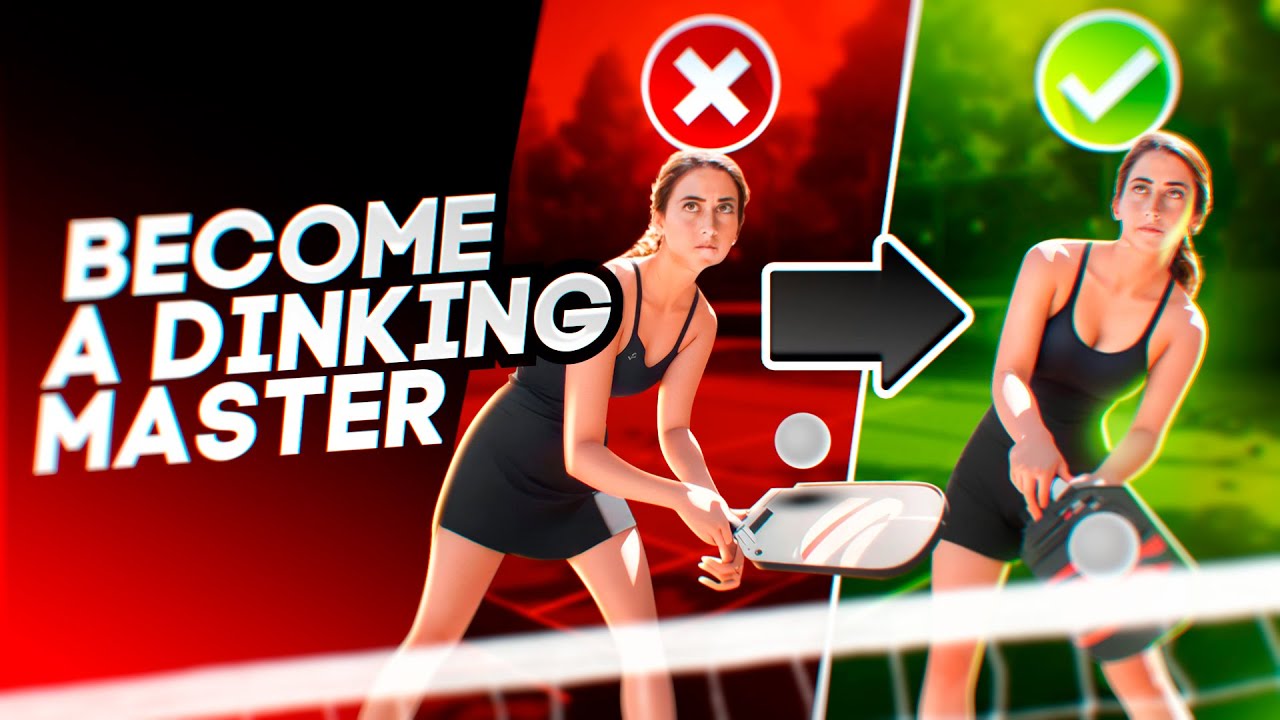
Why Is Dinking Important in Pickleball for Defensive Play Too?
Dinking isn't just an offensive tool. It's your best reset option when you're under pressure.
Understanding why dinking is important in pickleball defense matters just as much as knowing its offensive applications.
When your opponent hits a hard drive at your feet or a deep fast ball that jams your backhand, the dink (or its close cousin, the reset) is how you buy back neutrality.
A soft block that barely clears the net and lands in the kitchen takes all the pace off the ball and forces your opponent to start the dink exchange over.
Patience is a weapon.
Research on athlete decision-making under pressure, including findings published in the Journal of Sport and Exercise Psychology, consistently shows that players who maintain composure during extended low-pace exchanges outperform opponents who feel compelled to force action.
Pickleball's dink rally is exactly that kind of test.
This is also where becoming unattackable pays off. A player who never gives up an attackable ball doesn't lose dink exchanges.
They survive them until the opponent makes a mistake.
 The Dink Media Team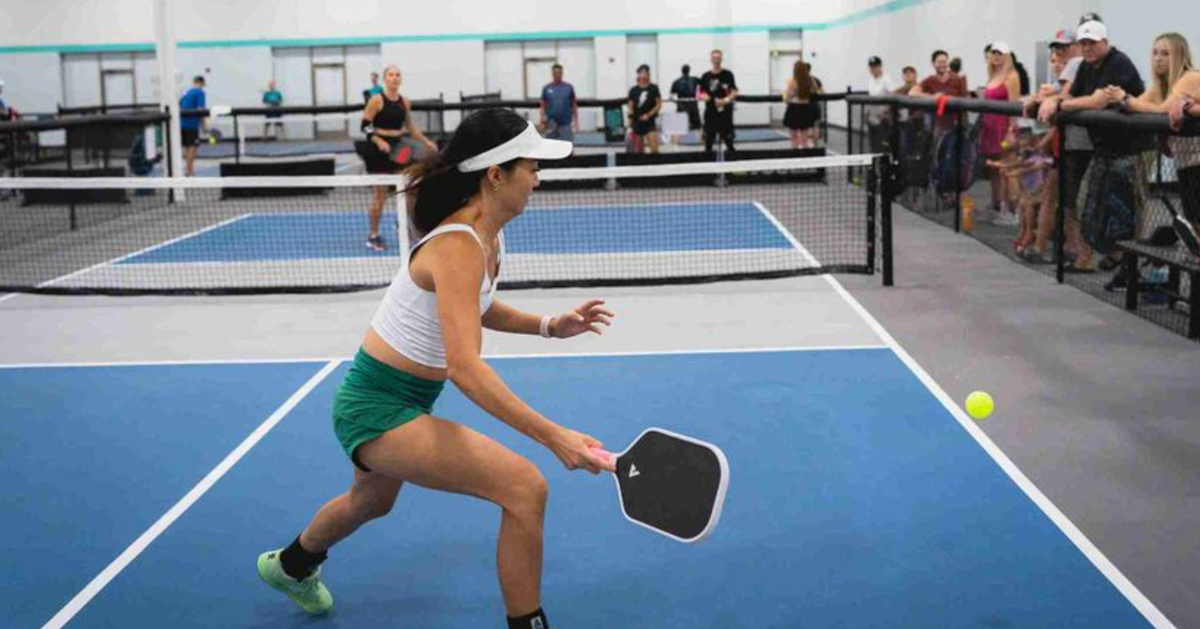
How Do Pros Use Dinking Differently Than Recreational Players?
The gap isn't just technique. It's intent. And it's precisely why dinking is important in pickleball at the pro level in a way recreational players often underestimate.
Recreational players dink to avoid making errors. Pros dink to manufacture them.
That's a completely different mindset, and it changes everything about how the shot is executed.
At the pro level, dinking strategy includes:
- Spin variation. A slice dink stays lower after the bounce and skids away from the opponent. A topspin dink kicks up and forces a higher contact point. Mixing these forces constant adjustments.
- Speed-up attacks. The dink rally is often just a setup. The drive vs. drop decision is always live, and pros are scanning for the moment to accelerate.
- Body targeting. Dinking at the hip (especially the opponent's dominant shoulder) produces cramped swings that pop up or go wide.
- Angle creation. Pros consistently work toward wide angles that pull opponents off the court, opening the middle for a put-away.
If you want to improve your shot selection, start watching pro rallies with this lens.
You'll stop seeing boring consistency and start seeing a very deliberate construction of pressure.
 The Dink Media Team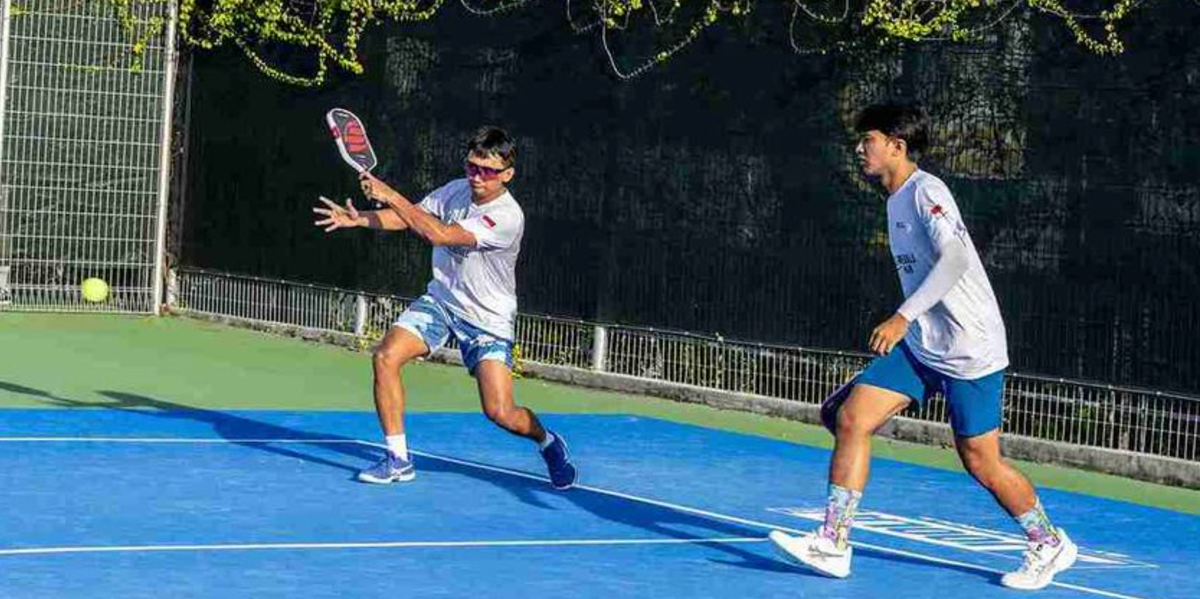
What Makes a Dink Rally Hard to Win?
The mental side is real. Extended soft exchanges test patience in a way that power play doesn't.
One reason dink rallies are so difficult is that they punish aggression almost immediately.
If you try to speed things up at the wrong moment, say off a low crosscourt dink with your backhand, you're likely handing your opponent a gift.
Pickleball deception tips can help mask your intentions, but only if the baseline dink mechanics are already solid.
The hardest dinking drill in pickleball (the continuous crosscourt exchange) exposes this.
Most players can sustain 10–15 shots before nerves or boredom push them into a bad decision. Pros can sustain 40+, and they're reading every single one.
The player who stays calm longest usually wins the rally. That's not a soft observation. It's the defining feature of elite pickleball.
 The Dink Media Team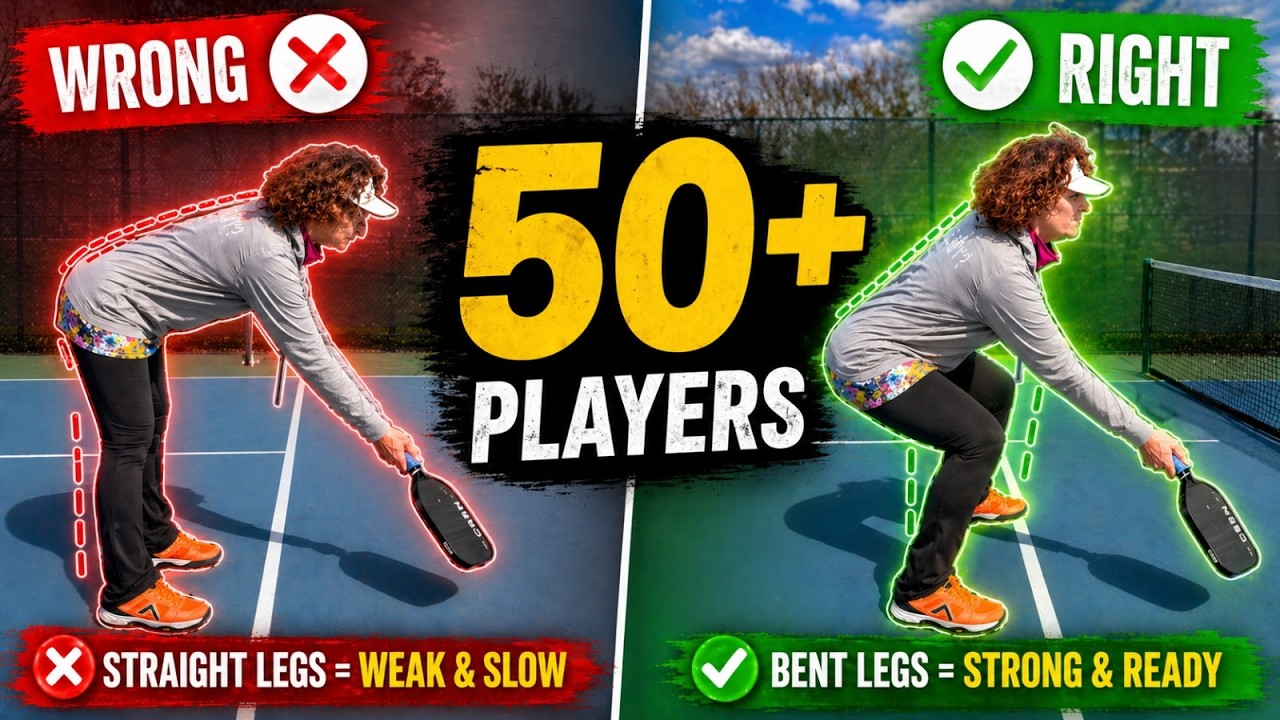
Dinking Mechanics: What Actually Makes the Shot Work
You don't need a complicated technique breakdown, but a few fundamentals drive everything. Ask any coach why dinking is important in pickleball mechanics and they'll say the same three things: grip, contact point, and follow-through.
- Grip pressure matters more than most players realize. A tight grip transfers more energy to the ball, creating pace you don't want. Loosen up. The ball should feel like it's just barely being guided, not struck.
- Contact point should be in front of your body, not beside your hip or behind you. Reaching for dinks is how you lose control and pop balls up. Stay compact, stay in front, and use your legs to get low rather than bending at the waist.
- Follow-through is short. Unlike a groundstroke, the dink is a small motion. A long follow-through adds unwanted pace. Think: guide, don't swing.
For players working on kitchen-line positioning, these 3 skill investments are worth your time.
They address the same body mechanics that underpin consistent dinking.
 The Dink Media Team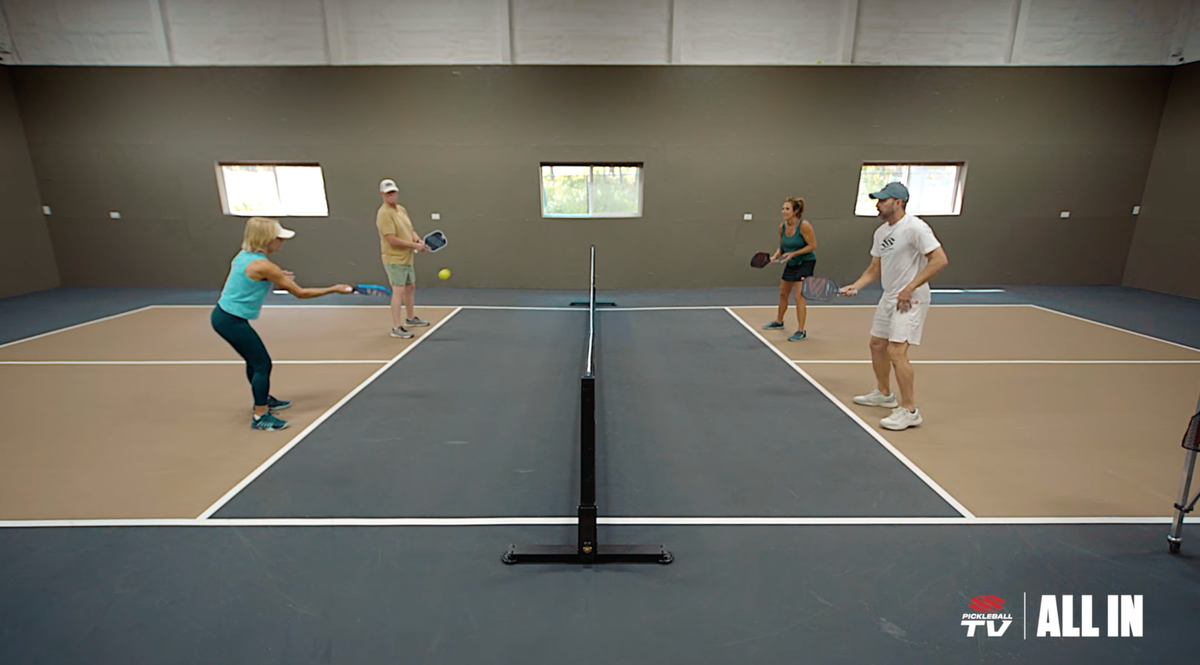
Key Takeaways
- The dink is a soft, arcing shot designed to land in the non-volley zone (the kitchen) and stay low, preventing your opponent from attacking
- Dinking forces errors by creating uncomfortable angles and unattackable ball heights
- Controlling the kitchen line is the single biggest difference between intermediate and advanced play
- Pros use crosscourt dinks, speed-ups, and resets within dink rallies to manufacture openings
- Patience in a dink exchange is an active, not passive, skill
Frequently Asked Questions
Why is dinking important in pickleball for beginners?
Dinking is important in pickleball for beginners because it teaches the core principle of the game: net control wins rallies. Learning to keep the ball low and in the kitchen from the start builds the habits that separate good players from great ones. Most beginner mistakes (driving everything, staying back, rushing attacks) get corrected once dinking becomes comfortable.
How do you get better at dinking in pickleball?
The most effective way to improve dinking is repetition at the kitchen line with a partner running crosscourt exchanges. Focus on grip pressure, contact point in front of the body, and short follow-through. Drills like the fridge-and-toaster exercise (detailed here) are particularly effective for building muscle memory under realistic conditions.
What is the difference between a dink and a drop shot in pickleball?
A dink is typically hit from at or near the kitchen line, keeping the ball in a soft exchange between players already at the net. A third shot drop is hit from the baseline or mid-court and is designed to arc down into the kitchen so you can safely advance to the net. Both shots share the goal of keeping the ball unattackable, but they're used at different moments in a rally.
Can you win at pickleball without dinking?
At recreational levels, yes. Power players can dominate with drives and aggressive volleying. But as competition improves, raw power gets neutralized. Players who rely entirely on pace will struggle against opponents who reset well and extend dink rallies. Above the 4.0 level, dinking isn't optional; it's the point.
How often should you dink versus drive in pickleball?
There's no fixed ratio, but a useful default is: dink until you get something attackable, then drive. The mistake most improving players make is attacking too early: off low balls, off balls below net height, off tough angles. Knowing when to attack matters just as much as having the firepower to execute it.

Love Pickleball? Join 100k+ readers for free weekly tips, news & gear deals.
Subscribe to The Dink