

6 Keys to Taking the Third Shot Early and Pressuring Your Opponents
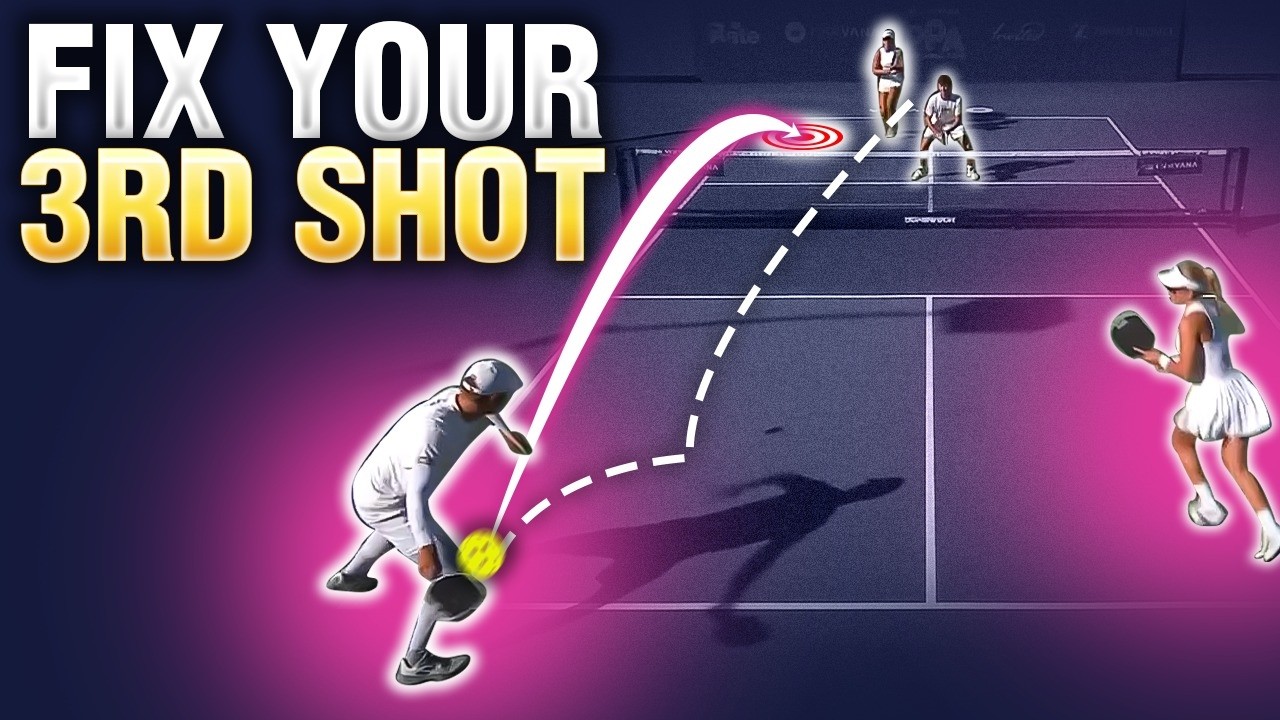
Taking the third shot early means making contact right after the bounce, before your opponents settle at the kitchen line. Here is how to do it with a low drop or a 50 percent drive.
If you want to take the third shot early, you have to stop thinking of the third shot as a patient, textbook arc that peaks before it lands in the kitchen.
That classic drop gives your opponents a full second or two to walk up, set their feet, and attack your first dink.
You hit a good shot and they still get the first aggressive ball.
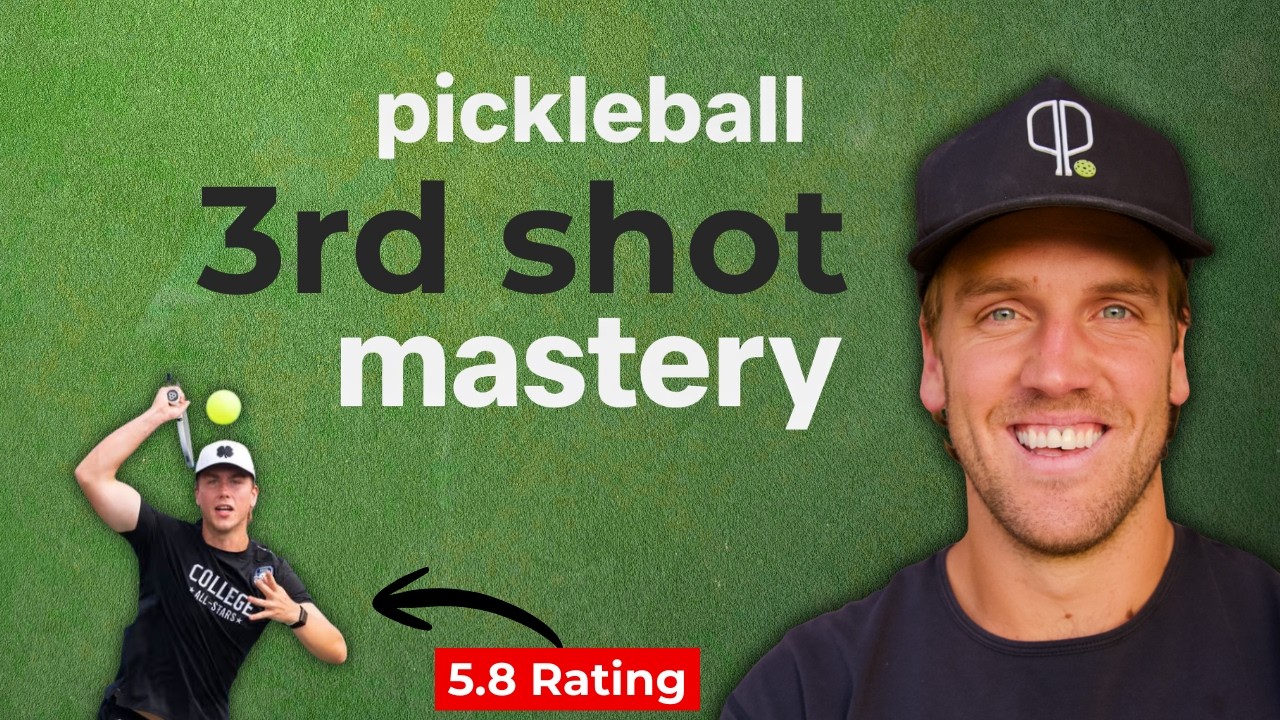
These ideas come from Zack Marceau on Richard Pickleball on YouTube, where he breaks down how to rush the returner by making contact right after the bounce.
Below is the full breakdown, with the swing mechanics, the targets, and the situations where it works best.
Love pickleball? Then you'll love our free newsletter. We send the latest news, tips, and highlights for free each week.
What Does It Mean to Take the Third Shot Early?
The early third shot means making contact before the ball reaches its apex, ideally right after it bounces.
A normal third shot drop is struck at the top of the bounce, which gives the returning team time to get to the net.
The two-bounce rule means your team has to let the return bounce, so the third is always a groundstroke. Your only real variable is when you take it.
When you hit on the rise, you strike the ball closer to the ground and further inside the court.
Your opponents are still moving forward when your ball arrives, so they cannot set up to attack.
The result is often a concession. Instead of them having the first aggressive ball at the kitchen, you do.
Why Does Taking It Early Create Transition Pressure?
It steals time from your opponents, and time is what they need to be aggressive.
If you drop at the apex and they are already established at the net, even a great drop can be attacked on the first dink.
Contact right after the bounce lands the ball around 3 to 6 inches behind the kitchen line.
The non-volley zone line sits seven feet from the net under the official rules, so that target is tight but very real.
Because the returner is still moving in, they have to be much more careful with their next shot. That small window is the whole point.
You get the first offensive ball and you win the transition zone before they do.
6 Keys to Executing the Early Third Shot
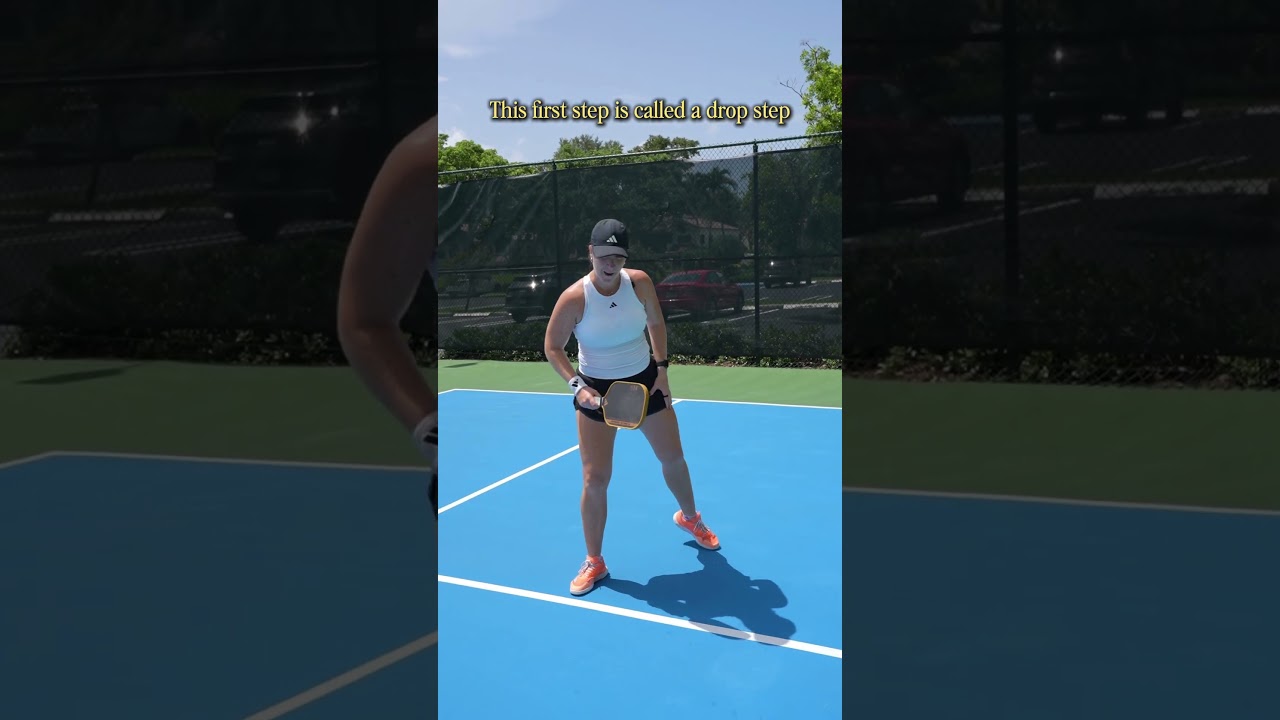
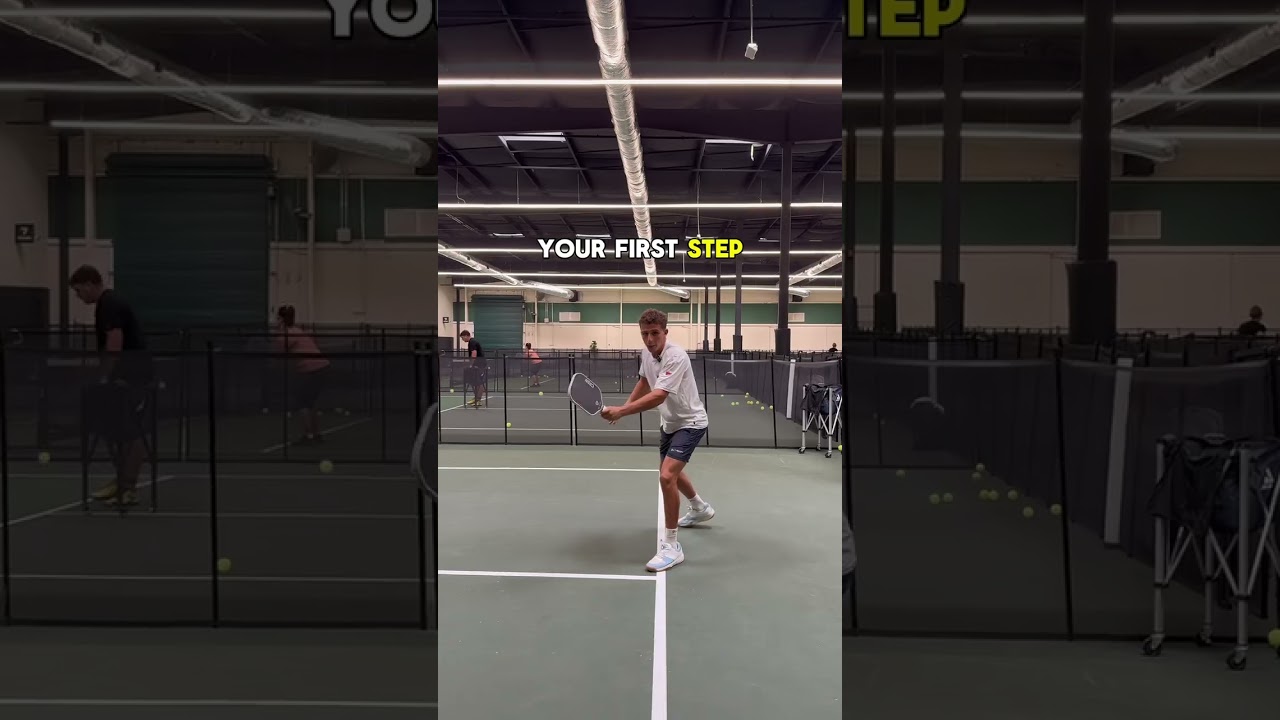
- Zero backswing. Start the paddle low in a neutral position and never take a big swing back. The ball is coming off the bounce too fast to time a big windup.
- Commit to a short through swing. It is not a tiny poke, but a slightly longer push out in front of your body. The through swing does the work.
- Let your arm lead your body. Your arm moves forward first, and your body follows into the kitchen.
- Keep the paddle face neutral. Not open and not closed. Just push out to your target.
- Hit linear, not high. Push outward more than upward so the ball stays low over the net.
- Aim at the returner. Always target the player who has not established position at the net.
Think of it as a push, not a lift. The more height you add, the more time and space you hand back to your opponents.
Never aim an early third shot at the player already parked at the kitchen. If you do, the ball will likely bounce behind the line and they can be aggressive with it.
Your target is the player still running forward, and that connects to a bigger idea about picking targets with purpose.
If you want more on that, read when and why it makes sense to target your opponent’s strength and how court position should drive the decision.
 The Dink Media Team
Why Should Your Arm Lead Your Body?
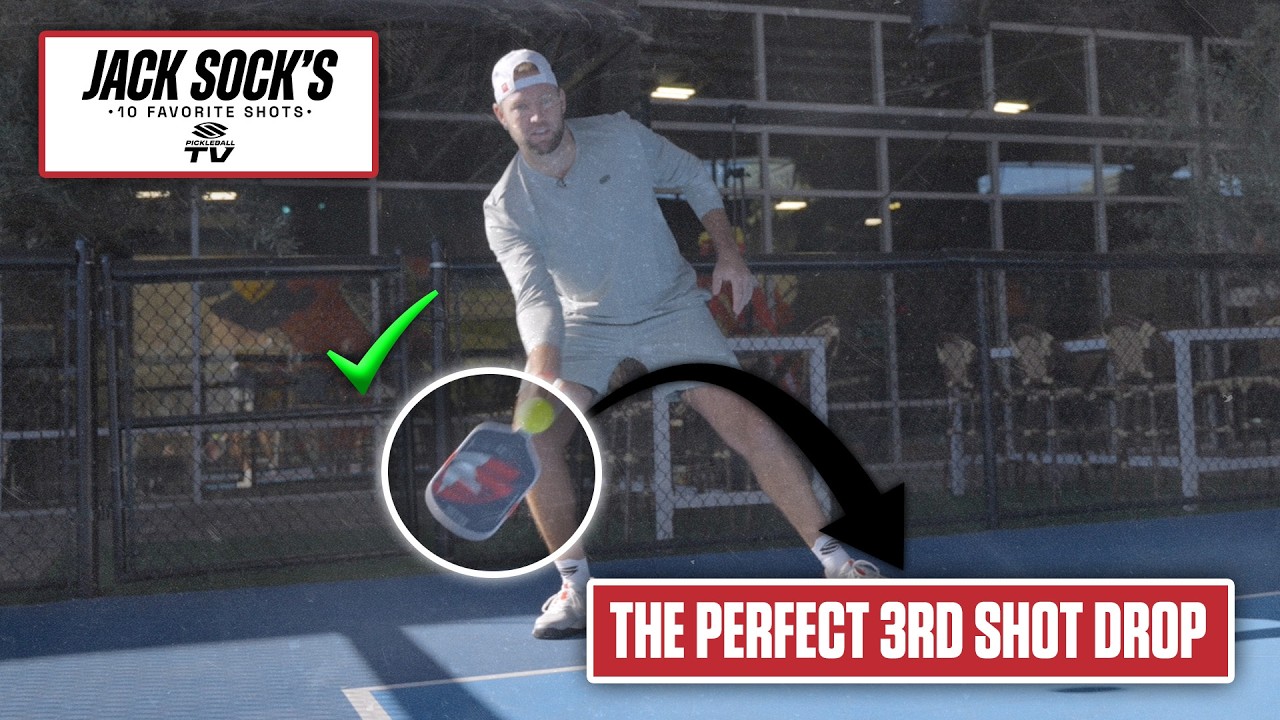
If you move your body while you hit, you add momentum and the ball lands deeper than you want.
A deep ball sits up for your opponents and lets them be aggressive.
The arm pushes forward first, then your body follows into the court. That order makes it far easier to gauge how hard to hit the shot.
You are also taking the ball lower and further inside the court, so you do not need to swing as hard as you would on a regular drop shot.
Less force plus a clean extension keeps the ball low and short.
If you struggle with pop-ups on this shot, our guide on four fixes to stop popping the ball up pairs well with this technique.
 The Dink Media Team
Who Should You Aim At?
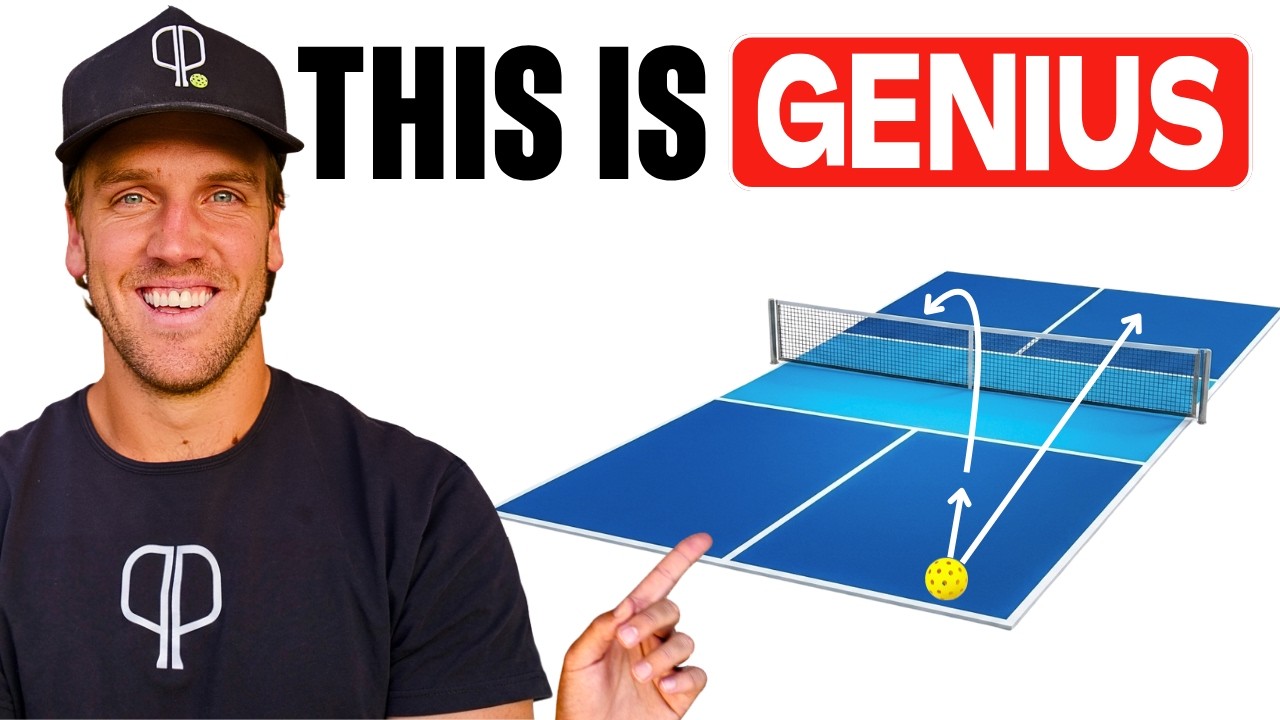
Always hit the early third shot at the returner, not the player already at the net.
If you take it early and aim at the person already established, the ball will likely bounce behind the kitchen line and they can be aggressive with it.
Your target is the player still running forward. That is the person who cannot set their feet.
This also connects to a bigger idea about picking targets with purpose. If you want more on that, read why you should stop targeting the weaker player and focus on position instead.
 The Dink Media Team
When Is the Best Time to Use It?
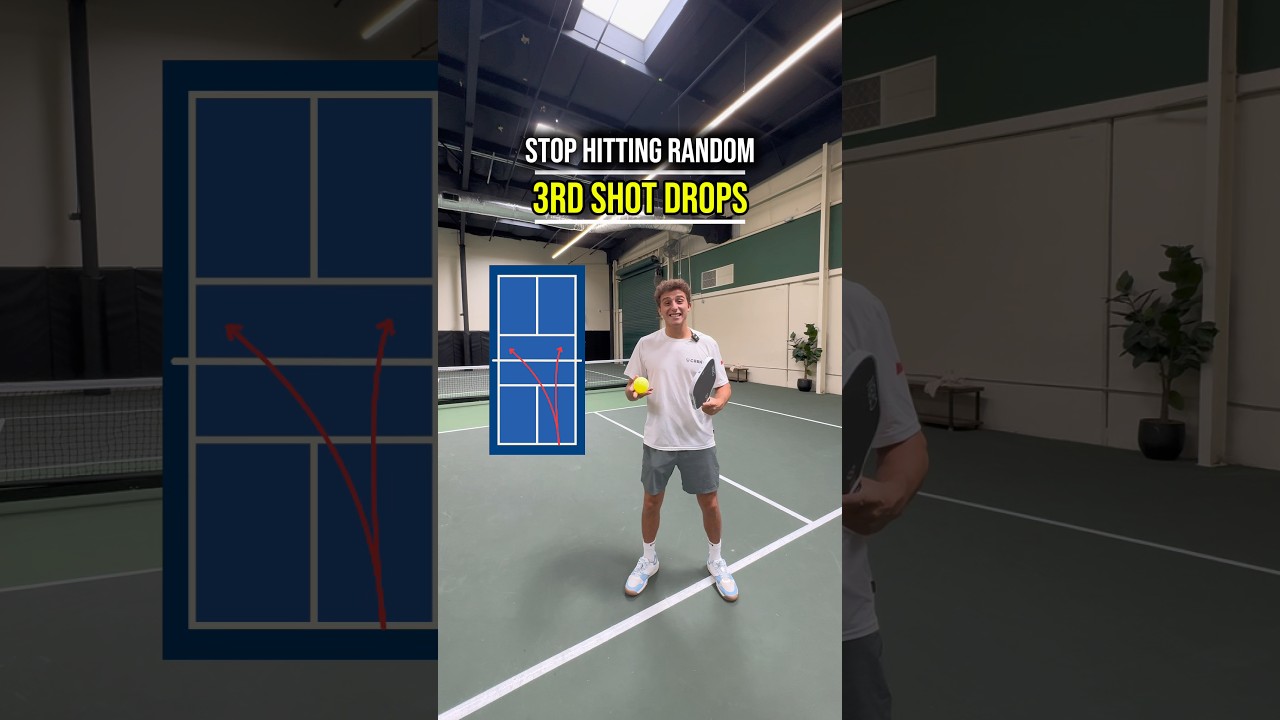
The early third shot works best when the returner is switching or running in, especially off a wide serve or a lob serve.
If the returner’s partner is switching, serving a little wider makes that run longer and gives you more time to attack the ball.
Here are the serve setups Zack highlights:
- Wide serve: The returner has a longer run, so you take it off the rise and just push.
- Lob serve with depth: The returner is pushed back, then has to scramble in, and you take the return early to get to the net quicker.
- Left side inside-in target: Push to your target, whether inside-out or inside-in, and let the paddle face follow your arm.
All of this starts with your serve, which is why placement matters more than pace here. The better your serve, the more often the early third shot is available.
Even if the returner hits a good ball and concedes, you now own the first aggressive shot at the net.
A normal drop would let them hang back behind the line and attack your dink.
 The Dink Media Team
Can You Drive the Ball Instead of Dropping It?
Yes, you can take the ball early and drive it at about 50 percent power. This is a great option when you see the returner running through their shot instead of stopping and splitting.
If you notice the returner is not settled, an early drive makes it very hard to split step in time and block a clean volley.
You gain the advantage before you even reach the kitchen line.
The drive still follows the no-big-backswing rule.
Zack starts with the paddle in front, watches the ball bounce, pulls back a little, then goes aggressive on top of the ball.
If your drive keeps getting attacked, check out our breakdown of 5 tips to instantly improve your pickleball drive and how to attack drives and beat bangers.
And when the return is deep and strong, fall back on the drive drop combo to get into the kitchen.
You will not always be able to take the ball early, and that is fine.
The real skill is deciding before the point starts that you want the early third shot. That mindset shapes your serve placement and your split step.
For a related look at the shot you will hit when you cannot go early, see the push drop, which fits this low and linear style.
 The Dink Media Team
What If the Return Is Too Good to Take Early?
If the return is deep and strong, fall back on a drive followed by a drop to get into the kitchen.
You will not always be able to take the ball early, and that is fine.
The real skill is deciding before the point starts that you want to take it early. That mindset shapes your serve placement and your split step.
Plan for it, then adjust when the return takes the option away. A deep return means you resort to your standard approach.
For a related look at the shot you will hit when you cannot go early, see the push drop, which fits well with this low and linear style.
 The Dink Media Team
How Do You Practice the Early Third Shot?
Start with feeds that bounce just inside the baseline and focus on contact right after the bounce. Do not worry about power at first.
Worry about a neutral paddle, a low start, and a clean arm-first push.
Build it in layers:
- Feed from the kitchen line and practice the low neutral start with no backswing.
- Add the arm-leads-body sequence so the ball does not fly deep.
- Add a partner at the net so you can feel the pressure on a returner who is moving in.
- Mix in the 50 percent drive so your opponents cannot guess which one is coming.
This also builds a stronger split step and better court coverage. For more reps, see our simple wall drills and our 2 tactics to escape trouble in the transition zone.
If your third shot decisions feel scattered, our piece on 3 tips to stop missing your third shot drops can help you diagnose the problem before adding speed.
 The Dink Media Team
What Are the Common Mistakes?
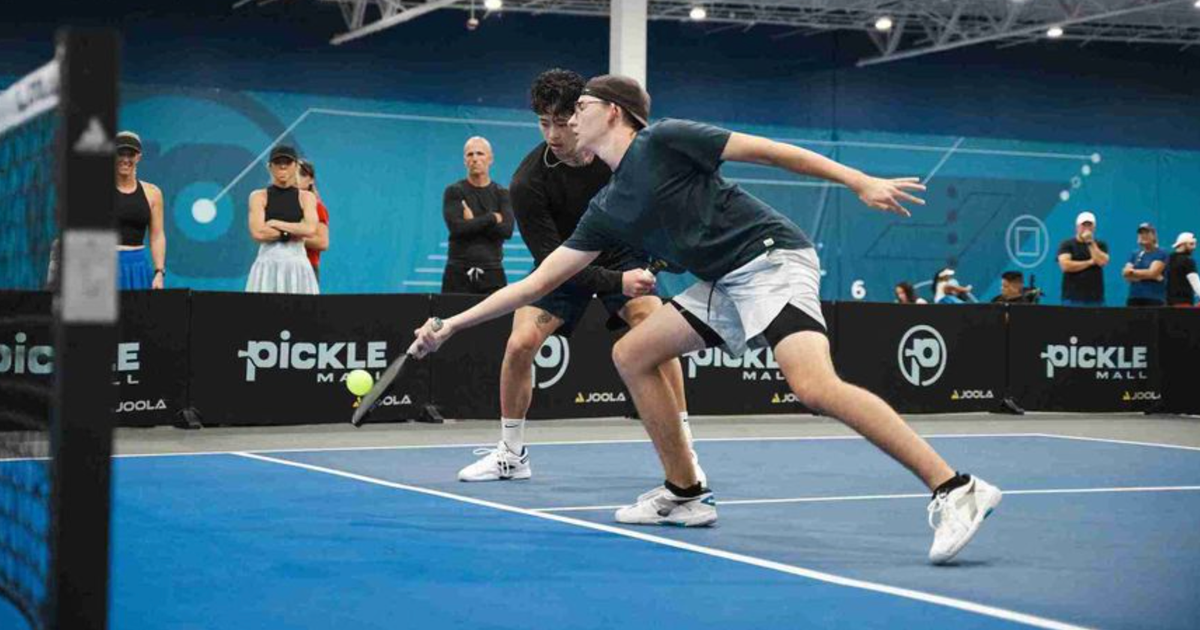
The most common mistake is adding a backswing, which makes you late and sends the ball high. The second is moving your body into the shot, which pushes the ball deep.
The third is aiming at the player already at the net. That removes the whole advantage of taking it early.
Keep it simple: low start, neutral face, arm first, push out, target the returner.
If you want a broader checklist for improving your whole transition game, our guide on the 3 fastest ways to get better at pickleball is a good next read.
Also remember that great third shots are about patterns, not just single swings.
Pairing this with a smart plan from 5 pickleball strategy tips that change your game will help it stick in real games.
Frequently Asked Questions
What does it mean to take the third shot early in pickleball?
It means hitting your third shot right after the ball bounces, before it reaches its apex. This catches your opponents before they are set at the net.
Should I use a backswing when taking the third shot early?
No. Start from a neutral, low paddle position with zero backswing and rely on a short, controlled through swing out in front of you.
Who should I hit the early third shot to?
Aim at the returner who is still moving in, not the player already established at the net. Hitting the established player lets them attack a ball that sits up behind the line.
Can I drive the ball instead of dropping it when taking it early?
Yes. A drive at roughly 50 percent power works well when the returner is running through their shot and cannot split step in time.
What if my opponent hits a good return and I cannot take it early?
Use a drive followed by a drop to get into the kitchen. You will not always have the early option, but you should plan for it before every point.

Love Pickleball? Join 100k+ readers for free weekly tips, news & gear deals.
Subscribe to The Dink