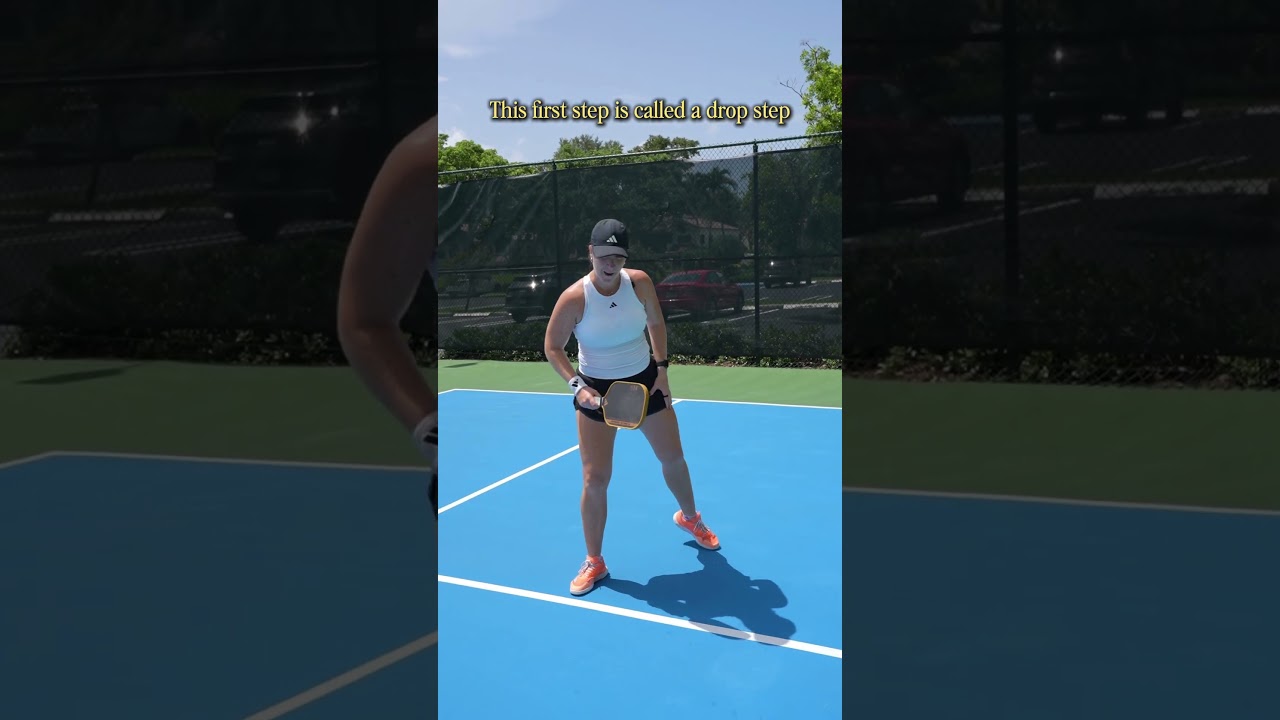


3 Steps to Hit a Better Swinging Volley After Your Third Shot
The swinging volley is how you turn a good third shot into a won point instead of watching the pop up float by. Here is the three-step process for recognizing the moment, sneaking in, and finishing with a short, controlled swing.
You hit a great third shot, your opponent pops it up, and you stand there admiring your work while the ball floats by.
That is a missed swinging volley, and it costs you points you already earned. The fix is not a better shot. It is a better process after the shot.
This three-step system comes from Mari Humberg Pickleball on YouTube, and it is built around recognizing the moment, moving in with purpose, and finishing with a compact swing.
Let's walk through each piece so you can start converting those pop ups right away.
Love pickleball? Then you'll love our free newsletter. We send the latest news, tips, and highlights for free each week.
What Is a Swinging Volley and Why Does It Matter on Serve?
A swinging volley is an aggressive volley hit out of the air with a short, controlled swing, usually off a ball your opponent popped up.
It lets you take time away and finish the point before they can reset.
Because it is hit before the bounce, the shot is governed by the same volley rules as everything else at the net, and USA Pickleball’s official rules summary is clear that you cannot make contact while touching the non-volley zone.
Attack the high ball, but respect the line. Think of the swinging volley as the reward for a good third shot.
The serving team does the hard work of getting a quality ball into the kitchen or low at the feet, and the volley cashes it in.
Most players hit the third, feel good about it, and stay planted. That pause is what turns a winning position into a neutral rally.
If your third shot is the weak link, start with why you keep missing your third shot drop.
A pop up only happens when your third is good, so that piece has to come first.
Step One: How Do You Recognize the Situation?
You recognize the situation by feeling balanced and well positioned when you hit your third, then watching the ball leave your paddle cleanly.
If both of those are true, a pop up is likely coming.
This sounds obvious, but it is harder to read in real time than it looks. Your brain is busy with contact, so you need a simple checklist to run.
- You are balanced: your feet are set and you are not lunging or reaching.
- The ball came off cleanly: you felt good contact, whether it was a drive or a drop.
- Your partner is set: you trust that they are in position for their own good shot.
When all three are true, you flip a mental switch. You stop thinking about hitting the third and start thinking about the next ball.
That ball is not guaranteed, but it is far more likely than you think. A low, uncomfortable third forces your opponent to hit up.
Placement matters here too. If you are still working on getting the ball into the right spots, check out this third shot drive fix for keeping it low.
Step Two: Why Should You Sneak In Instead of Sprinting?
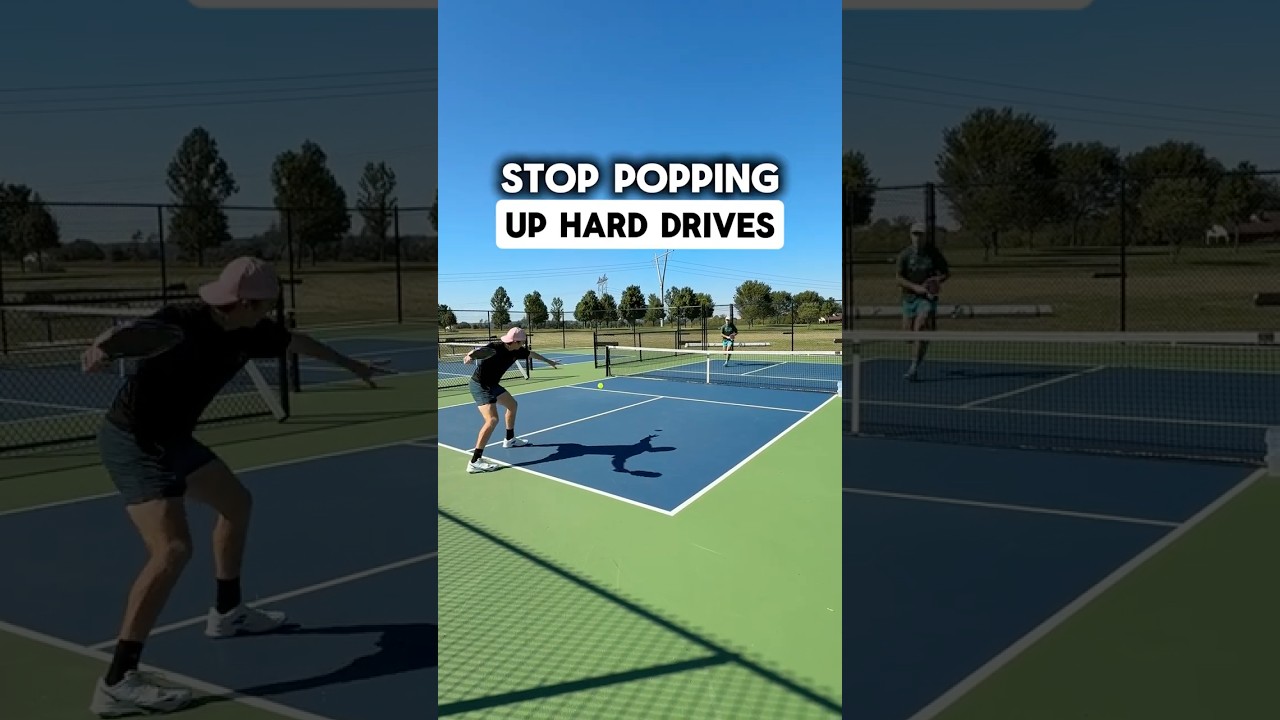
You sneak in because the goal is to be close and balanced when the ball comes off your opponent’s paddle, not to sprint blindly to the kitchen line.
Rushing in without watching the ball is entertaining, but it is not effective. Once you recognize a good third, move forward with purpose and keep your eyes on your opponent’s paddle.
Watch what they do with the ball, not where you want to end up.
Your goal is to hit the third low enough, or into a spot awkward enough, that they have no choice but to pop it up. That is exactly why a low third matters so much.
Here is what the sneak looks like in practice:
- Hit your third and immediately read the quality of the contact.
- Take small, controlled steps forward instead of one big run.
- Keep your paddle up and your eyes on your opponent's paddle.
- Be ready to stop the moment the ball leaves their strings.
That midcourt ground matters more than most players think.
According to a 2025 notational analysis of professional pickleball published in the National Library of Medicine, a large share of shots are struck from the midcourt and transition area rather than the net itself.
You will not always arrive at the kitchen line, and that is fine. You just need to be closer than you were and under control.
Learning to move well in transition is a big part of this. Take a look at these footwork fixes for safety and better shots to sharpen how you move in.
 The Dink Media Team
Step Three: How Do You Set Up and Hit the Shot?
You set up by split stepping as the ball leaves your opponent's paddle, turning your shoulders, and making a short swing at the highest contact point you can reach.
Do not hit and run at the same time. The number one mistake with this shot is running right through it.
Hitting while moving forward is extremely hard, and it is something most players struggle with, including strong ones.
The split step is what solves it. When you land balanced as the ball comes off their paddle, you can go forward, back, left, or right.
Here is the sequence to follow once you split step:
- Read the pop up: confirm the ball is coming high and in your zone.
- Turn your shoulders: forehand or backhand, the shoulder turn is your backswing.
- Keep the swing short: a big swing looks cool but leads to misses.
- Contact at the highest point: meet the ball as high as you can so you can hit down.
If you are working on backhand volleys specifically, these two-handed backhand volley drills pair well with this skill.
 The Dink Media Team
Why Do Big Swings Cause Misses?
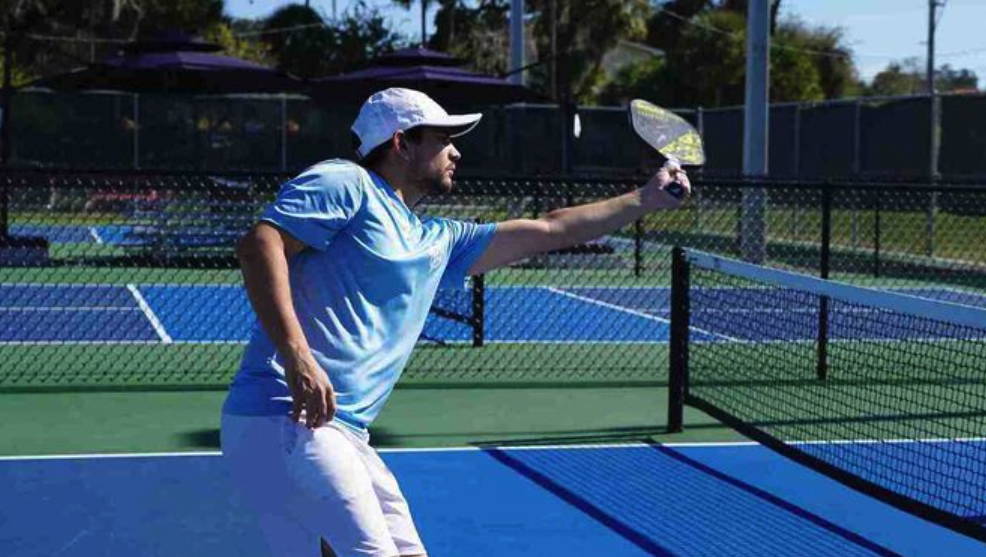
Big swings cause misses because they add timing errors and take your paddle out of the contact zone.
A short swing with a good shoulder turn is plenty to put a high ball away.
You are not trying to hit a winner with maximum force. You are trying to hit a clean, aggressive ball down into the court.
That ties directly into a bigger idea in pickleball, which is that overhitting loses more points than it wins.
For more on that mindset, read why not to try to hit a pickleball winner.
A compact swing also keeps you ready for the next ball if the point continues. You are not recovering from a giant follow through.
 The Dink Media Team
What Does the Full Sequence Look Like Together?
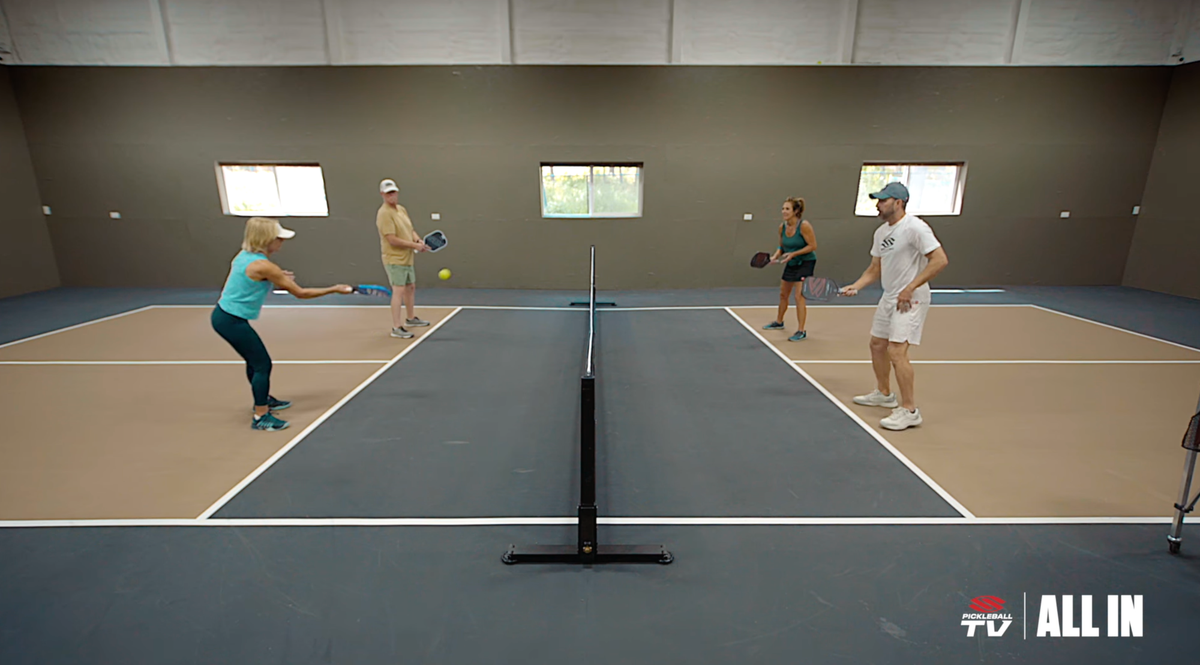
The full sequence is: hit a good third, sneak in, split step, turn, and swing short at the highest point. When you string those together, the point is often over.
Here is how the three steps connect, in order:
- Recognize: you are balanced, the third came off well, and your partner is set.
- Sneak: move in under control while watching your opponent's paddle.
- Split step: land balanced as the ball leaves their strings.
- Turn and swing: short swing, shoulders rotated, highest contact point.
Practice each piece separately before you combine them. Start by just hitting a good third and noticing when the pop up happens.
Then add the sneak, and finally add the full volley. Layering it this way keeps you from rushing and falling back into old habits.
If you want more drills to build this into your game, try these pickleball practice drills for any skill level.
 The Dink Media Team
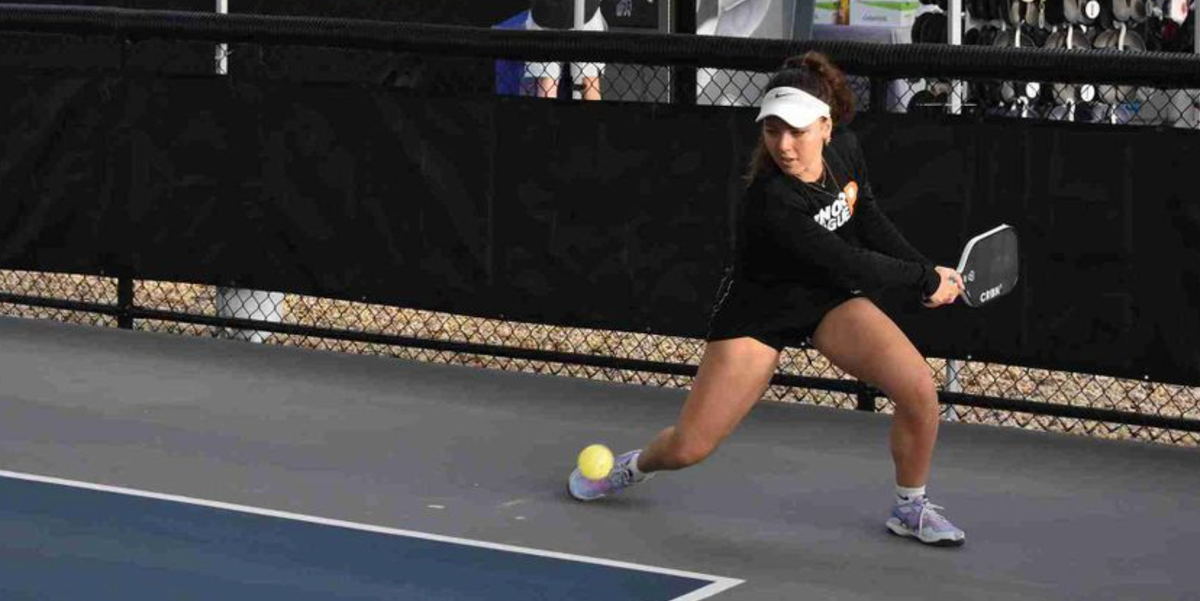
Common Mistakes That Waste a Good Third Shot
The biggest mistakes are watching the pop up, running through the shot, and swinging too big. Each one gives your opponent a free reset.
Another common error is assuming every third shot earns a pop up. If your third was sloppy, do not force the aggressive volley.
That is a lesson in picking your moments, and you earn aggression with a low, well placed third.
For a broader look at timing your attacks, read about when to switch from defense to offense.
The last fix is simple: keep one cue in your head, which is split step when they make contact.
Watching the paddle tells you early where the ball is going and how high, and that head start is what makes the whole setup work.
 The Dink Media Team
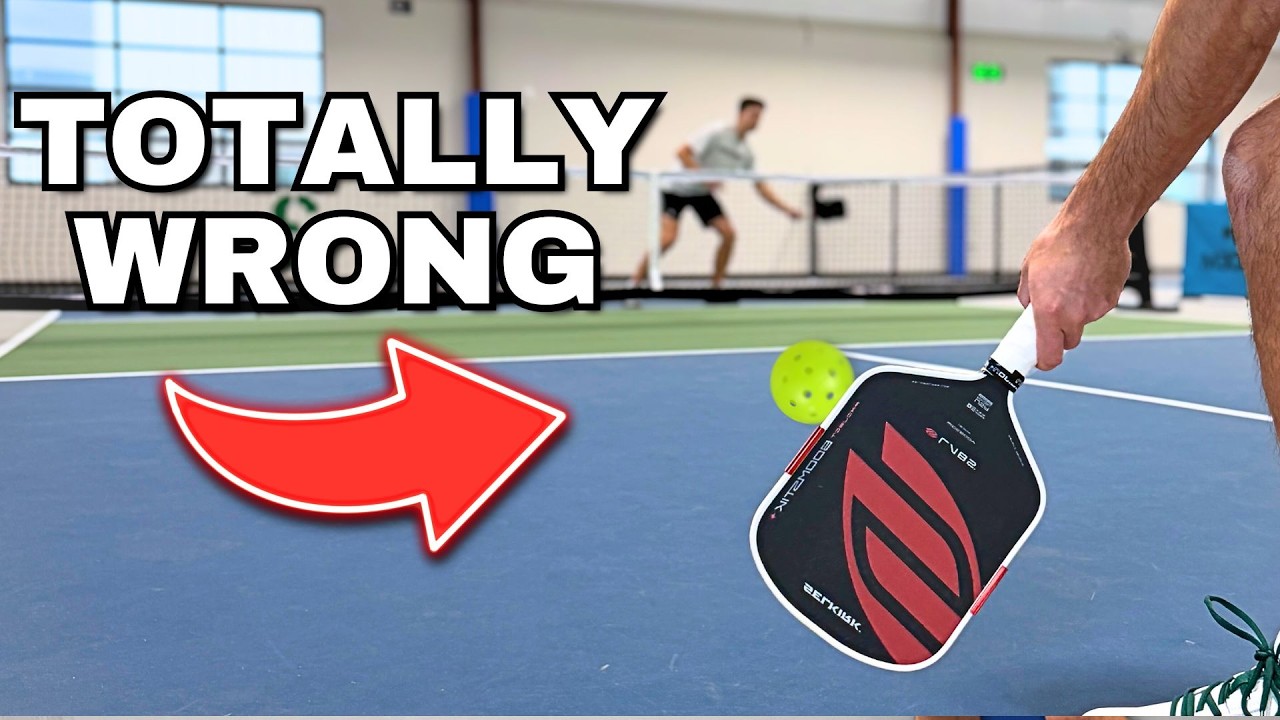
How Do You Keep Your Eyes and Mind Locked In?
You keep your eyes on your opponent's paddle and your mind on one simple cue: split step when they make contact. That single trigger keeps you from drifting.
Watching the paddle tells you early where the ball is going and how high. It gives you a head start on your setup.
That habit is a major edge, and there is more on it in watch the paddle, not the ball to win more points.
Pair that with a calm, simple mindset. Trust your third, trust your partner, and let the process run.
If you tend to overthink in these moments, play better pickleball by thinking less is worth a read.
 The Dink Media Team
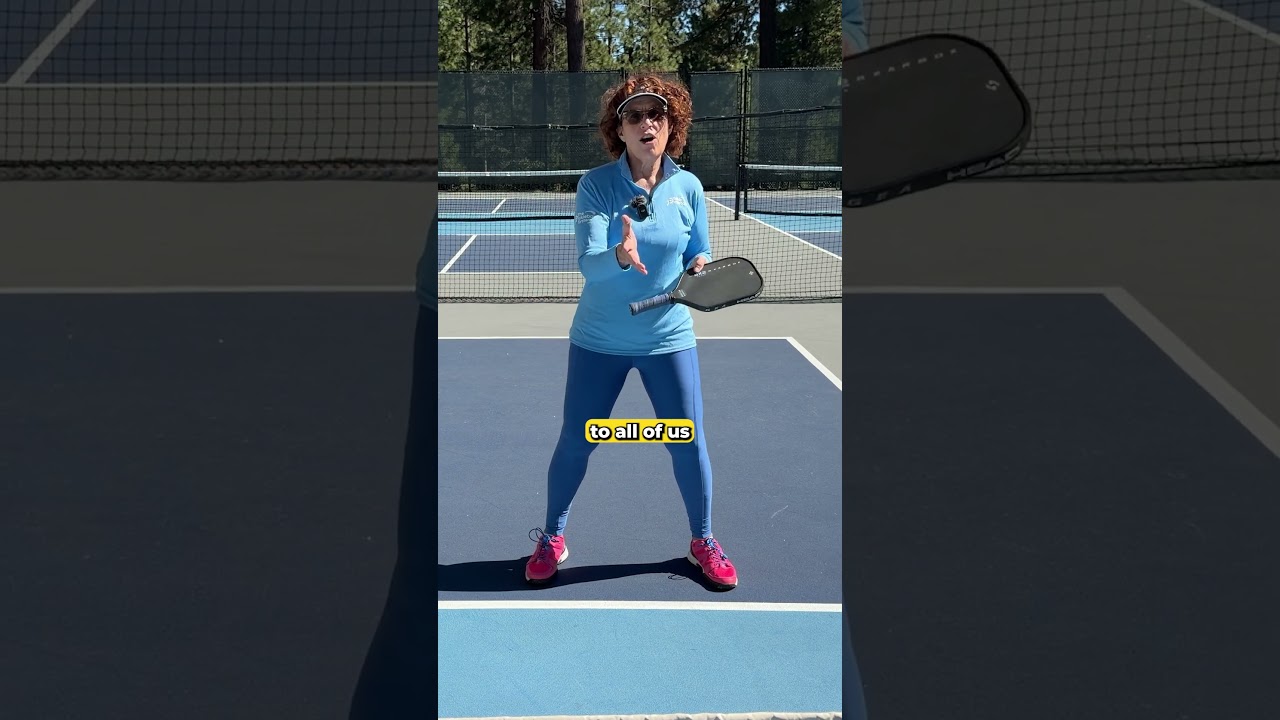
Putting It Into Practice at Your Next Session
Start your next session with one goal: recognize the good third and sneak in every time. Do not worry about winning the point at first.
Use a partner or a ball machine feeding you high, easy balls at the kitchen. Focus on the split step and the short swing until both feel automatic.
Then add the third shot so the whole sequence flows. Count how many pop ups you convert and track it over a week.
You will be surprised how many points you were leaving on the table. A habit this small can shift your serve win percentage quickly.
The swinging volley is not a flashy shot you need to invent. It is a skill you already have, waiting for a better setup.
Recognize the moment, sneak in under control, split step, and swing short. Do that, and your good thirds will finally turn into won points.
Frequently Asked Questions
What is a swinging volley in pickleball?
A swinging volley is an aggressive volley hit out of the air with a short, controlled swing, usually off a high or pop up ball. It is used to finish points before your opponent can reset.
When should I hit a swinging volley?
Hit it when your opponent pops the ball up after a good third shot and the ball is high enough to attack. If the ball is low or at your feet, reset instead of swinging.
Why do I miss swinging volleys?
Most misses come from swinging too big or hitting while still running forward. Split step, turn your shoulders, and keep the swing short to fix both.
How do I move in after my third shot without getting caught?
Take small, controlled steps and watch your opponent's paddle. Stop and split step as the ball leaves their strings so you can move in any direction.
Do I need a perfect third shot to use this strategy?
You need a good one, meaning low and in an uncomfortable spot, because that is what forces the pop up. If your third is weak, play the next ball neutrally.


Love Pickleball? Join 100k+ readers for free weekly tips, news & gear deals.
Subscribe to The Dink