

5 Third Shot Drop Approach Rules That Stop Pop-Ups After 50
Sprinting to the kitchen after every drop is causing your pop-ups. Use the one stop and two stop third shot drop approach to move with control instead.
Your third shot drop approach is probably the reason you keep popping balls up.
You hit the drop, sprint toward the kitchen as fast as you can, and then get caught moving when the ball comes back.
That habit comes from a rule almost everyone learns early: get to the kitchen as fast as possible.
The problem is that rule gets applied to every situation without asking how good the return was or how good your own drop was.
These patterns come from ThatPickleballGuy - Kyle Koszuta on YouTube, who realized mid lesson that he had not been teaching this well.
Below you will learn the one stop approach, the two stop approach, and how to time your split step so you stop popping up balls.
Love pickleball? Then you'll love our free newsletter. We send the latest news, tips, and highlights for free each week.
Why Does Running to the Kitchen Cause Pop-Ups?
Moving through contact makes the ball very hard to control.
If your feet are still traveling forward when the paddle meets the ball, you lose the stability you need to send it up and down softly.
Most players blame their hands or their paddle. The real culprit is usually the legs, and it is a big reason so many third shot drops pop up in the first place.
The old rule says to reach the kitchen as quickly as possible.
Kyle's correction is simple: you should get there as soon as possible, but no sooner than the quality of your shot allows.
If you want more on how footwork sabotages this shot, read why footwork is failing your 3rd shot drop.
What Is a Pattern in Pickleball?
A pattern is something you repeat enough times that it becomes automatic. Instead of deciding in the moment, your body already knows what to do.
That matters because most bad movement decisions happen when you panic. A pattern slows your brain down and replaces reaction with prediction.
Kyle teaches two main patterns for the third shot drop approach. Which one you use depends on the return you just received.
What Is the One Stop Approach?
The one stop approach is for a short, low return, where you only need to stop once before moving to the kitchen line.
You hit your drop, and because you are already close, you step right up to the line.
Here is how it plays out:
- The serve comes in and the return lands short and linear.
- You move forward and stop to hit your drop.
- Because you are already near the kitchen, one step forward puts you at the line.
- Your target is simple, often the player running in.
Do not try to attack a short, low ball. It is very hard to get it up and down, and you will often send it long.
This one feels obvious, and you might say you already know it. Stay with me, because the next pattern is where most players go wrong.
 The Dink Media Team
What Is the Two Stop Approach?
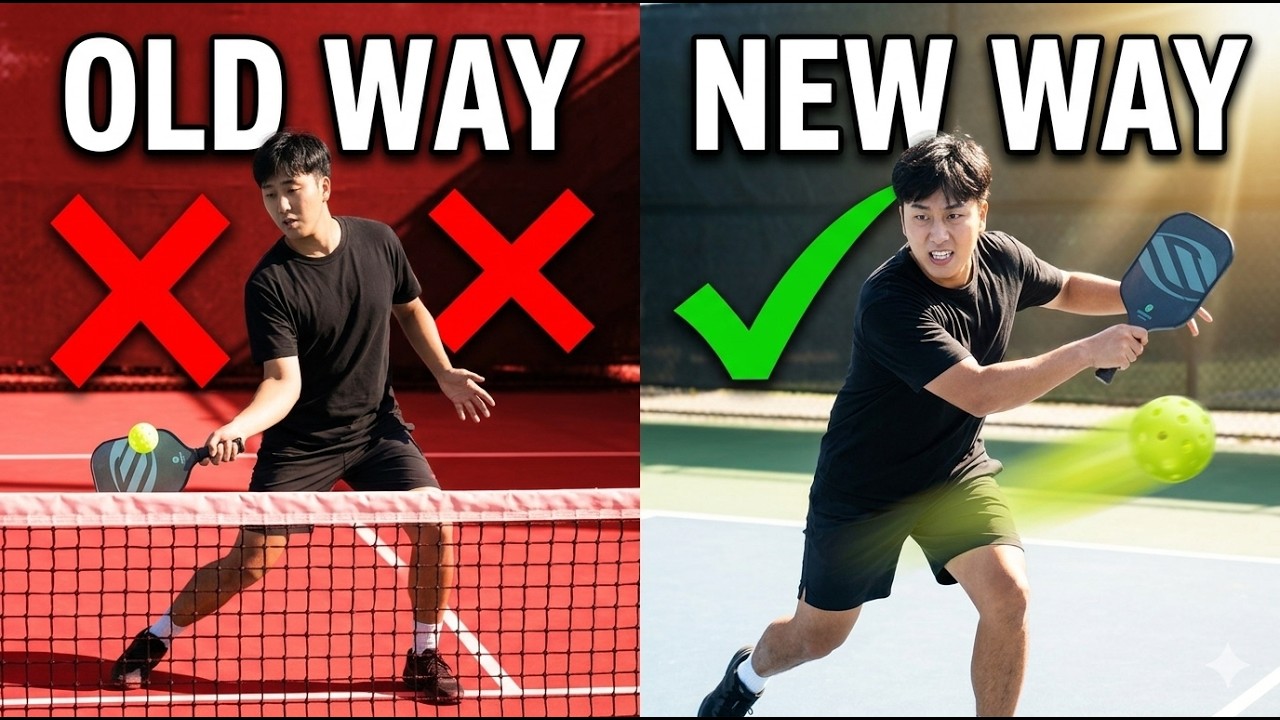
The two stop approach is for a deeper return, where you are hitting your third shot from the baseline and cannot reach the kitchen in one move.
You hit, move as far as you can, stop again, and hit your next ball before arriving at the line.
Kyle was reminded of this while doing a lesson with two women, Patty and Tammy.
If you do not have elite speed and mobility, running from the baseline to the kitchen before the opponent hits is unrealistic.
Here is the two stop sequence:
- The return comes deep and you are back at or behind the baseline.
- You hit your third shot drop. That is stop number one.
- You move forward only as far as you can before your opponent hits.
- You stop again, set your feet, and hit your next shot. That is stop number two.
That second ball is often the one you can attack. Patience here is what gives you the better shot.
A quick rule of thumb from the conversation: if you take your third from at or behind the baseline, plan for two stops.
If you can take it inside the baseline, plan for one.
 The Dink Media Team
How Do You Know How Many Stops You Need?
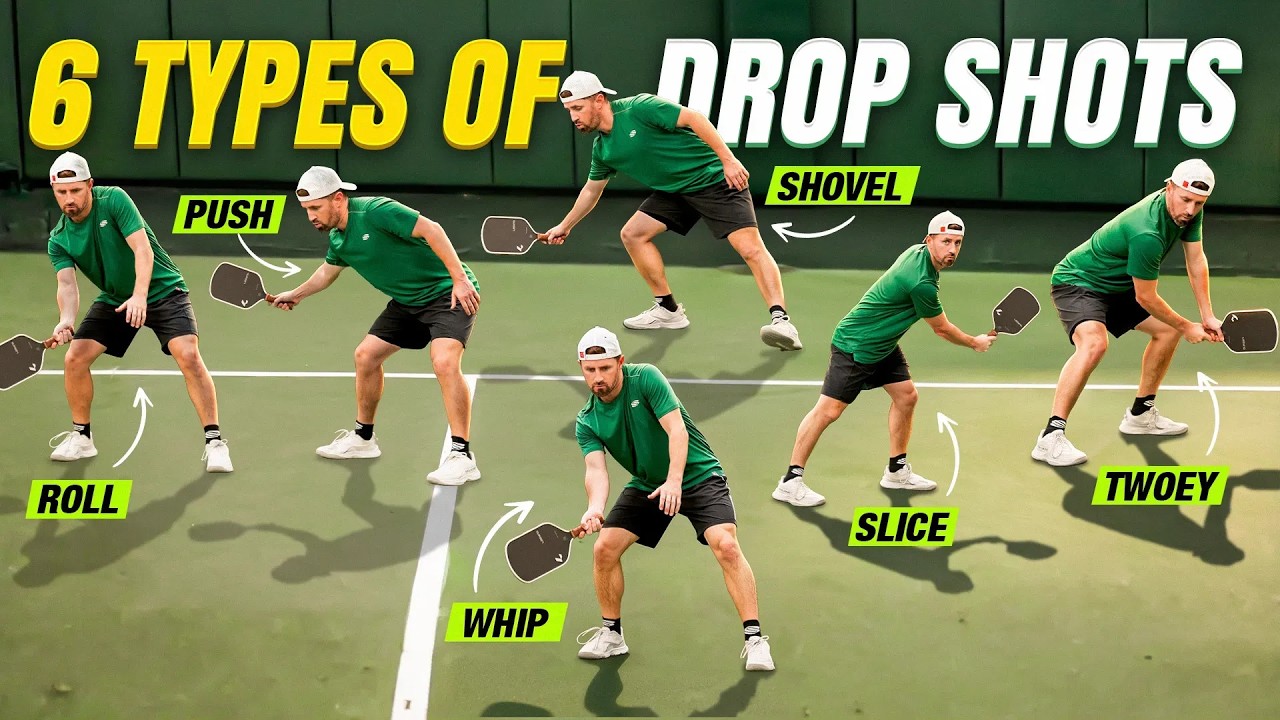
Look at where you are standing and how good your drop was. Position and quality tell you the answer before you move.
If you are deep, expect two stops. If you are closer and the ball is low, expect one.
Sometimes it takes three stops, or more. If your drop sits up high, you may get stuck in no man’s land again and again, and that is okay.
There is no reward for reaching the kitchen quickly on a high ball. All it does is get you or your partner smashed, and then somebody gets angry.
The worst thing you can do in your third shot drop approach is get caught moving while your opponent is hitting. That is a recipe for disaster.
For the bigger picture, check out 7 principles to win dinks at the kitchen.
 The Dink Media Team
How Do You Time the Split Step?
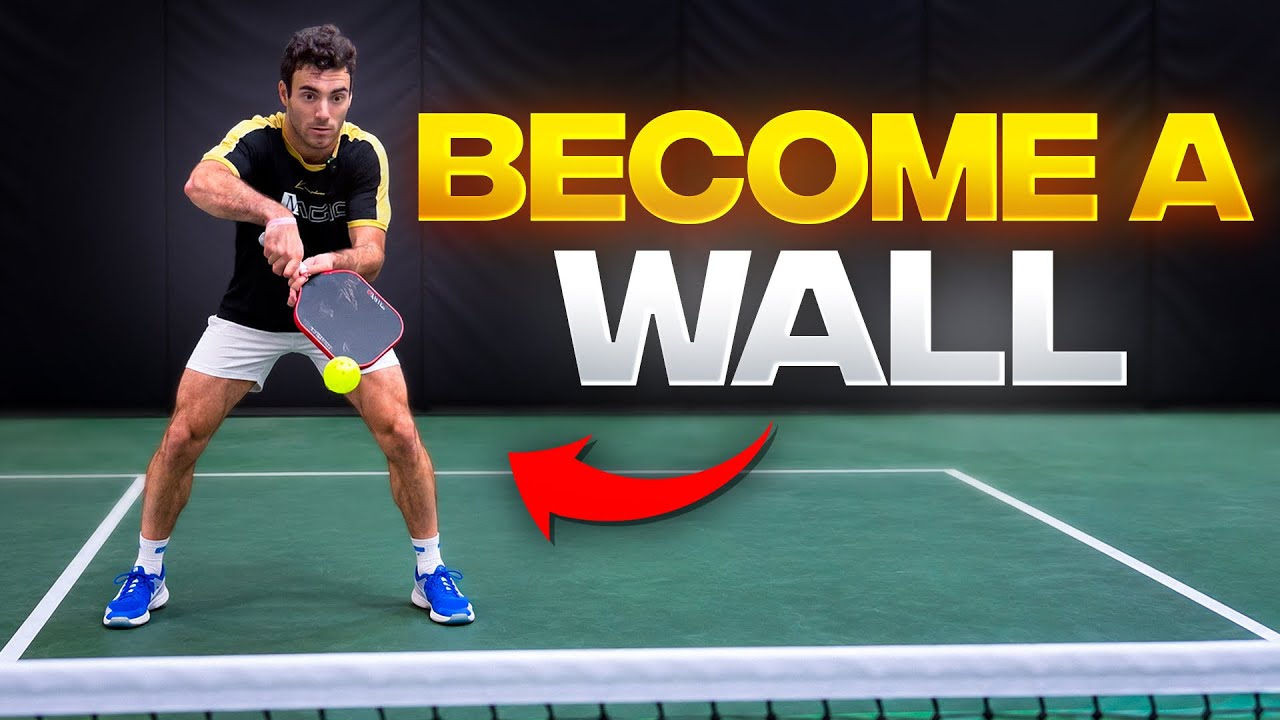
Your feet should hit the ground at the exact moment the ball hits your opponent’s paddle. This is the timing that keeps you balanced and ready.
Many players start their split step when the ball is already on the paddle, and that is late. Late means reaching, being off balance, or stretched out.
Those are the situations that produce pop-ups and smashes. A well timed split step fixes a surprising number of errors.
 The Dink Media Team
What Does This Look Like in a Real Game?
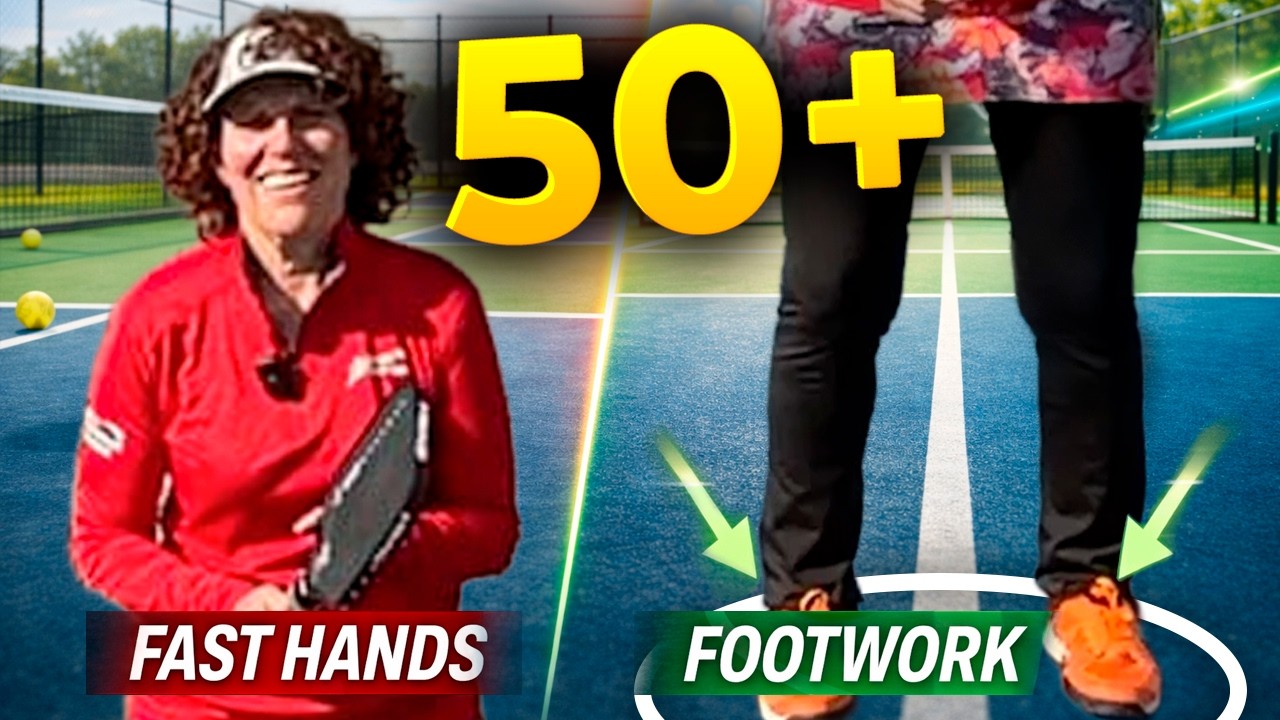
Kyle recently assessed a 3.5 player who did the opposite of all this. No matter what third shot his partner hit, he sprinted all out to the kitchen every time.
That happens because beginners are taught to sprint to the kitchen, and nobody ever tells them to stop doing it.
The fix is not complicated, but it requires awareness.
Before you move, your third shot drop approach should evaluate three things:
- Return depth: short returns mean fewer stops, deep returns mean more.
- Return angle: an angled return changes where you should be heading.
- Drop quality: a high drop means you should slow down and wait.
If you are older and mobility is a factor, this matters even more.
Smarter movement beats raw speed every time, a theme in pickleball tips for seniors on court positioning.
 The Dink Media Team
Why Slowing Down Makes You Better
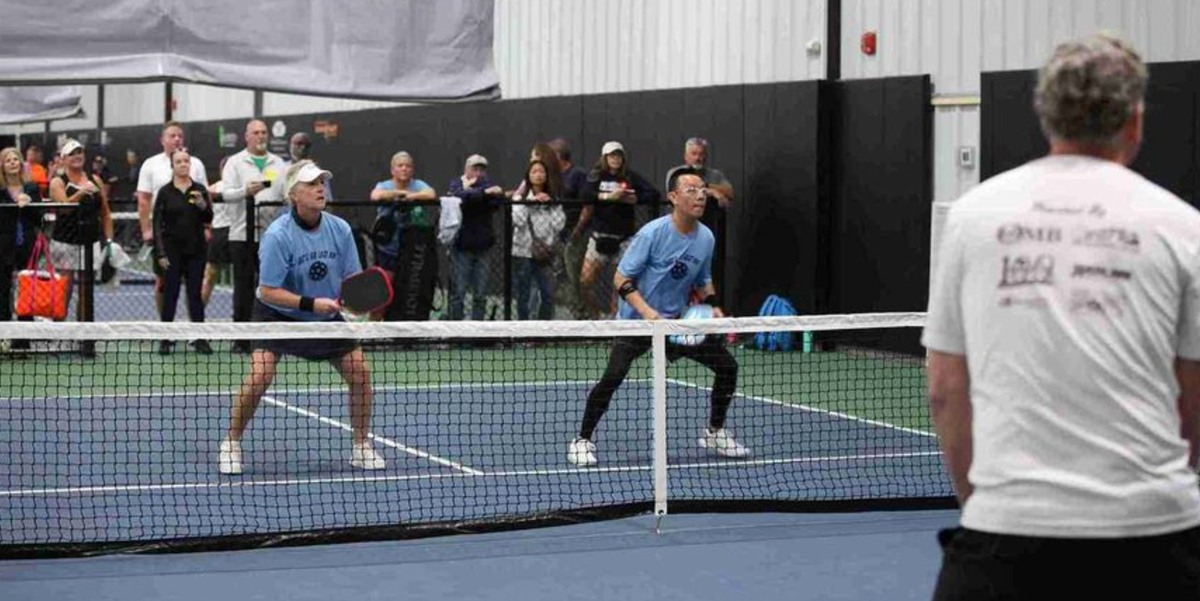
When you learn to think in stops, you become more calm and less reactive. Your brain starts predicting what comes next instead of scrambling.
That calm shows up everywhere in your game. It is similar to the idea behind playing better by thinking less, because patterns free up your mind.
A disciplined third shot drop approach also gives you a better shot at the next ball.
Being set and balanced when your opponent attacks lets you reset or counter instead of reaching and popping up.
If pop-ups are your biggest leak, 5 pickleball block fixes to stop popping up balls is a good companion read.
 The Dink Media Team
Key Reminders for Your Next Session
Keep these in your head before you step on court:
- Short and low return: use the one stop approach and step up to the line.
- Deep return: use the two stop approach and stay patient.
- High drop or awkward position: be willing to take three stops or more.
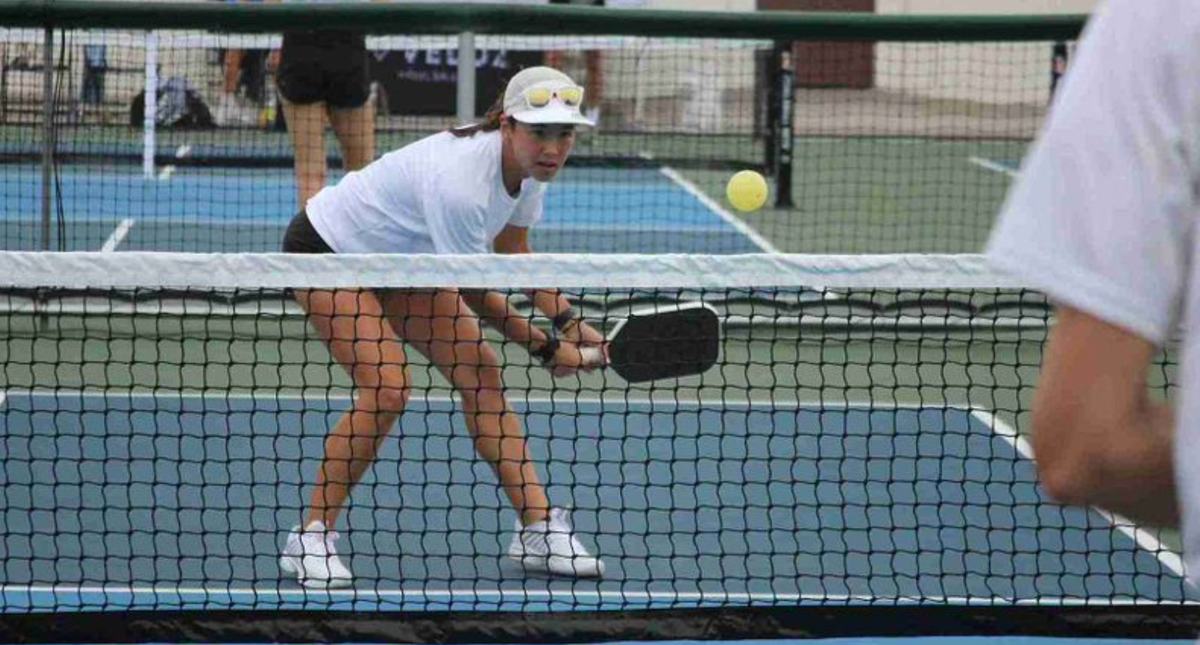
- Split step timing: land as the ball hits your opponent's paddle.
- Never run through contact: be set when you hit.
Practice these patterns until your third shot drop approach becomes automatic. That is exactly how a pattern is supposed to work.
Your drop itself also needs to be solid, so see why you keep missing your third shot drop and 5 third shot drop keys to beat better teams.
If you are plateaued, the 4.0 pickleball trap explains why good players stop improving and how to break through.
Heads up: hundreds of thousands of pickleballers read our free newsletter. Subscribe here for cutting edge strategy, insider news, pro analysis and more.
Frequently Asked Questions
Should I always run to the kitchen after my third shot drop?
No. Run only as far as the quality of your drop and the depth of the return allow. Getting caught moving while your opponent hits is how pop-ups and smashes happen.
What is the one stop approach in pickleball?
It is a pattern for a short, low return where you stop once to hit your drop and then step up to the kitchen line. You are already close, so you do not need a second stop.
What is the two stop approach in pickleball?
It is a pattern for deeper returns where you hit your third shot from the baseline, move forward as far as you can, and stop again to hit the next ball. The second ball is often the one you can attack.
When should I split step on the third shot drop approach?
Your feet should land as the ball is hitting your opponent's paddle. Starting the split step any later leaves you reaching and off balance, which leads to pop-ups.
How many stops should I take to get to the kitchen?
Plan on one stop if you hit from inside the baseline and two if you hit from at or behind it. If your drop is high, it is fine to take three or more stops until your position is safe.


Love Pickleball? Join 100k+ readers for free weekly tips, news & gear deals.
Subscribe to The Dink