
The unwritten rules of pickleball have shifted a lot over the last decade. Here is a pro's take on which ones still matter and which ones should disappear.
You have probably been in a rec game where someone makes a sketchy line call, and nobody knows what to say.
The unwritten rules of pickleball are supposed to cover moments like that, but nobody ever hands you the list.
Those rules have also changed a lot in recent years, and some of them deserve to be retired.
The pool of players arguing about them keeps growing too, with 24.3 million Americans playing in 2025, according to the Sports & Fitness Industry Association.
This breakdown pulls from Zane Navratil Pickleball on YouTube and covers the rules worth keeping, plus the ones that need to go.
We will hit line calls, competitive play, pro etiquette, and rec play.
Love pickleball? Then you'll love our free newsletter. We send the latest news, tips, and highlights for free each week.
What Are the Unwritten Rules of Pickleball?
The unwritten rules of pickleball are the shared habits of sportsmanship that are not in the official rulebook but shape how players treat each other.
They cover how you make calls, how you act in rec play, and how you treat fans and partners.
Think of them as the social contract of the sport. Break them and nobody will stop the game, but you will quietly lose invitations to play.
The key point from Zane is that not every unwritten rule deserves to survive. Some protect the game, and some just protect awkward feelings.
That is the difference between real pickleball etiquette and habits nobody ever questioned.
Which Line Call Rules Should You Follow?
Call a ball in when you are not sure, because pickleball runs on trust. At the pro level you can even call a ball in and then challenge your own call.
Here are the line call rules Zane supports:
- Do not call bait. Yelling “Come on!” after a ball that is probably out is an attempt to influence your opponent’s call, and it is their call to make.
- Wait for the bounce. Never call a ball out before it lands, because even a ball that looks far out can still catch the line.
- Limit your questioning. Asking about a call once or twice a match is fine, but constantly challenging calls wears everyone out.
- Replay disputes in rec play. You are not playing a PPA final, so just do the point over.
Should You Overrule Your Partner on a Line Call?
The one rule that has to go is never overruling your partner. If you are a fair line caller, you should want your partner to correct you when you are wrong.
The pro game is moving the same direction. Per the 2026 USA Pickleball rulebook change document, when partners disagree on a line call, conflict exists and the team’s call is “in.”
Normalize overruling your partner on line calls. It is awkward for about two seconds and it keeps the whole match honest.
What Is the Best Way to Handle a Bogus Call in Rec Play?
The best response is to quietly even the score on the next point instead of starting a fight.
Some people will double down on a bad call no matter what you say.
Rather than confronting them and ruining the session, have that person’s partner miss the next shot on purpose.
The points are even and everyone goes home friends. This is not a formal rule, but it keeps rec play fun.
If a call goes against you, the 6-second mental reset for getting past a bad pickleball mistake keeps your game steady.v
Which Competitive Play Rules Are Worth Keeping?
Finish the job when you have a big lead, because taking it easy is more disrespectful than winning big.
Zane points out that pickleball is not like football, where running up the score is a thing.
Play with the same intensity from first point to last, and skip the trick shots.
- Do not call a let on an easy overhead. If your opponent is about to win the point anyway, a stray ball 20 feet away should not stop play.
- Do not stall when you are losing. Calling a timeout just to drag out a finished match is poor form.
- Skip the bogus challenge on match point. If the match is over, admit it.
- Keep smack talk on the court. You can poke fun at a backhand dink, but never go after someone’s personal life or family.
Which Unwritten Rules of Pickleball Should Go?
One rule Zane disagrees with is the idea that you should never challenge an opponent’s paddle.
If you honestly suspect illegal equipment, you should be able to ask for a test. Just do not use it as an excuse when you lose.
If you want to understand what makes a paddle legal and consistent, read up on the push for one paddle certification standard.
 Alex E. Weaver
What Are the Unwritten Rules About Partners on the Pro Tour?
If someone says they need more time to find a partner, that usually means no. When Zane texts a top player and hears "let me get back to you," he moves on.
Here is how the pro partner etiquette works:
- Do not fight a partner switch. Once someone has made up their mind, arguing will not change it.
- Never drop someone last minute. Give them time to find a new partner, and offer to stick together if they cannot.
- Own the decision. Do not invent a fake knee injury and then show up to play the event.
- Do not ask players who are clearly out of your league. It puts them in an awkward spot and costs you nothing to avoid.
Zane is not a fan of dropping partners at all, because a commitment should be a commitment.
If you are building a new team, three ways to build chemistry with a new doubles partner is a useful read.
 The Dink Media Team
Is It Okay to Bag Someone on Court?
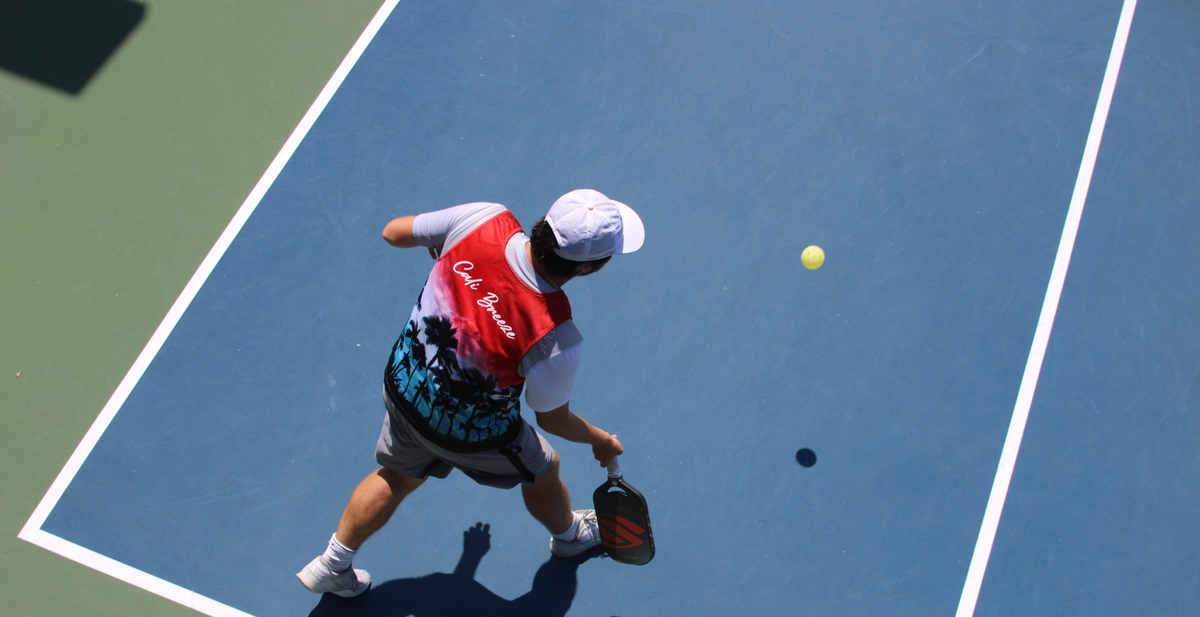
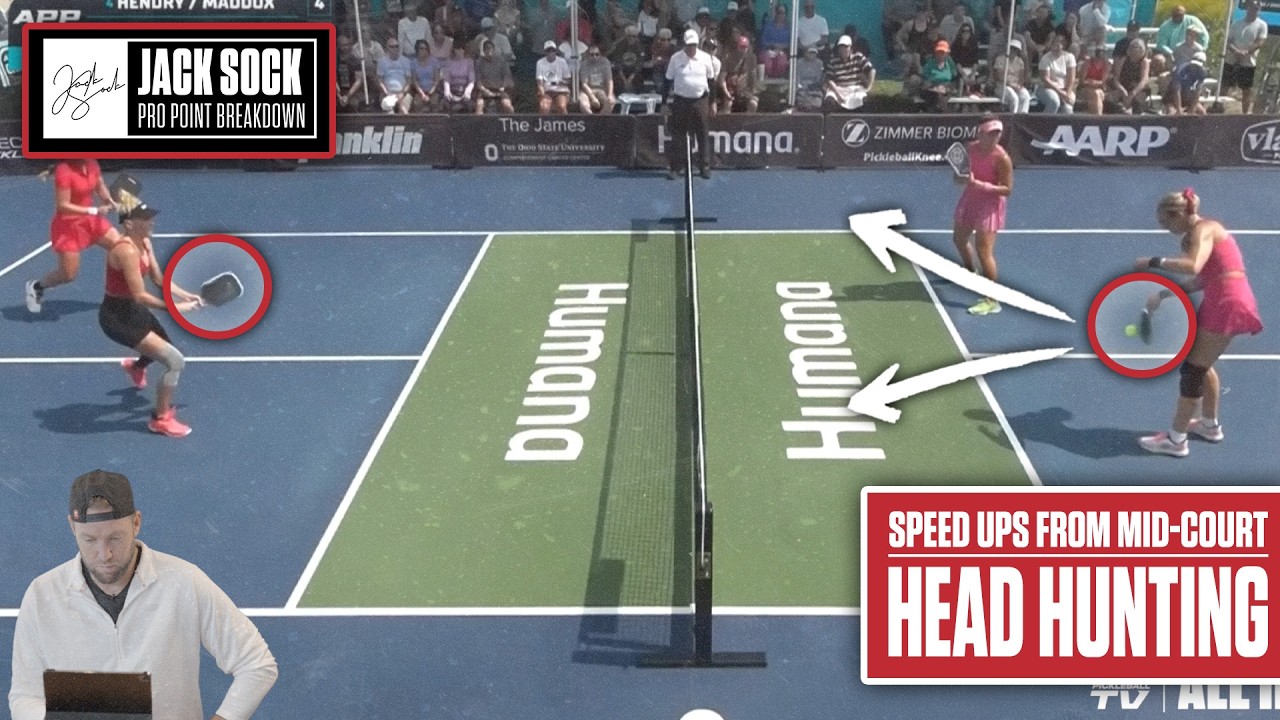
Hard attacks at the body are part of the game, but a full bag is a different thing.
A full bag means you know the ball is going out unless it hits the person, like Zane’s bag on Jack Sock or Anna Leigh Waters’ bag on Jay Devilliers.
Right now the norm on tour is that men do not go for full bags on women.
Women will bag women, men will bag men, and women will bag men, but that last direction does not run the other way.
You also need control to do it. Zane compares it to a pitcher brushing a batter off the plate, where you aim for the torso and never the head.
Hitting past someone’s head is the one thing every pro agrees is off limits, and reckless targeting is now a point penalty with a fine attached at the pro level.
The UPA-A has since updated the head hunting rule with doubles player fines.
If you want to learn a smarter way to attack people, see how target practice wins more points by attacking the right spots on your opponents.
 The Dink Media Team
How Should You Act Around Pro Players and Fans?
Do not approach a pro during practice unless they speak to you first. They are doing their job, and a photo request in the middle of a warm-up breaks their focus.
Wait for a natural break, and have your phone or Sharpie ready so the moment is quick.
Read the room too. Asking for an autograph right after a tough loss is a bad plan, so give the player a few minutes.
Here are a few more fan rules Zane shared:
- Do not guilt a pro for forgetting you from a clinic years ago.
- Do not ask for free paddles, hats, or clothing.
- Keep conversations short unless the player invites more.
- Do not touch women during photos or make comments about their bodies.
One rule Zane wants gone is “be quiet during points.” That is tennis, and he thinks rowdy, engaged fans make pickleball better.
The rulebook draws its own line on crowd involvement.
As listed in USA Pickleball’s approved rule changes, players must not consult spectators on line calls, and doing it can now draw a penalty.
 The Dink Media Team
What Are the Unwritten Rules of Rec Play?
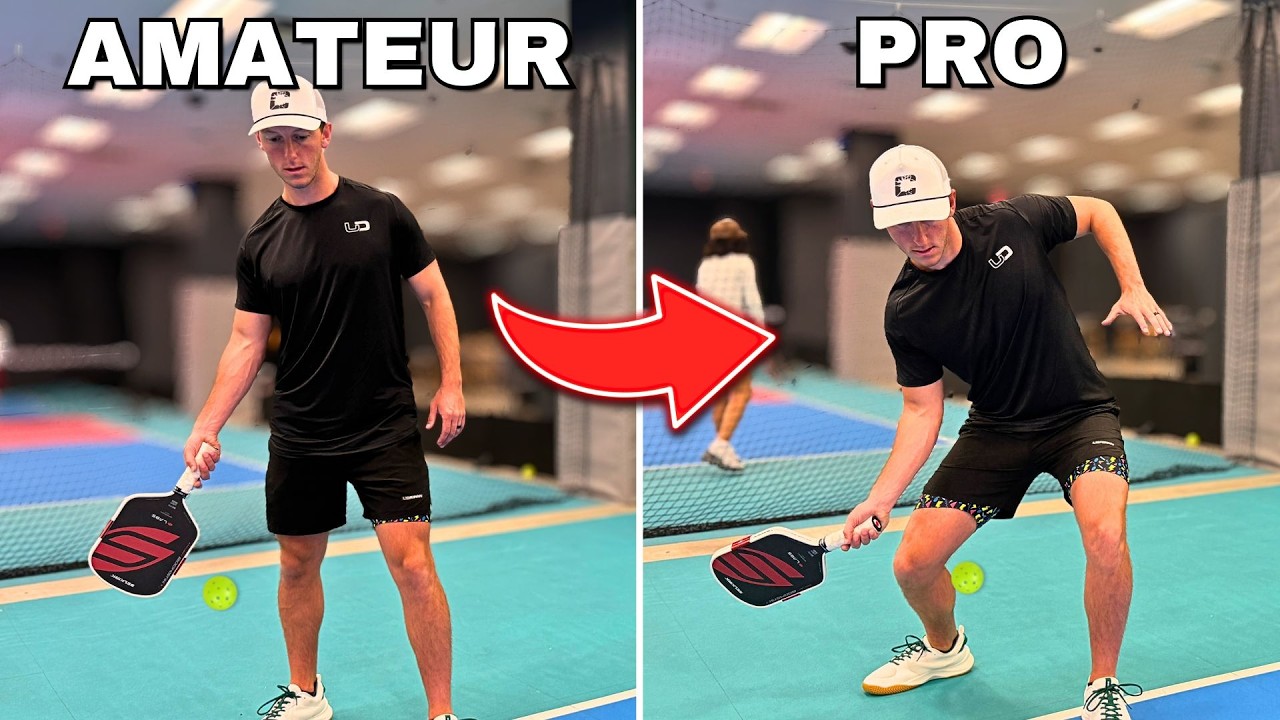
Do not target the weakest player on the court.
Beating the weaker partner is not beating the good player, and it is the quickest way to make strong players stop coming.
For more on this, read whether you should still go all out against a weaker opponent in rec play.
Here are the rec play rules Zane agrees with:
- Let highlight points happen. If a partner hits a crazy shot, the other three players should keep the ball in play.
- Do not play above your level. More than half a division up helps nobody, and you can read more in the common trap all rec pickleball players fall into.
- Do not coach unless asked. Unsolicited advice usually just annoys people.
- Do not trash your partner. Eye rolls and post-game gossip make you look worse than they do.
- Do not bag someone with their back turned. Once the back is turned, the point is over.
- Tap paddles after games. It is a simple sign of pickleball sportsmanship.
If you do get hit, do not make a scene. It is a wiffle ball, everyone gets hit, and the shooter should not have to feel terrible about it.
 The Dink Media Team
Which Rec Play Rules Does Zane Disagree With?
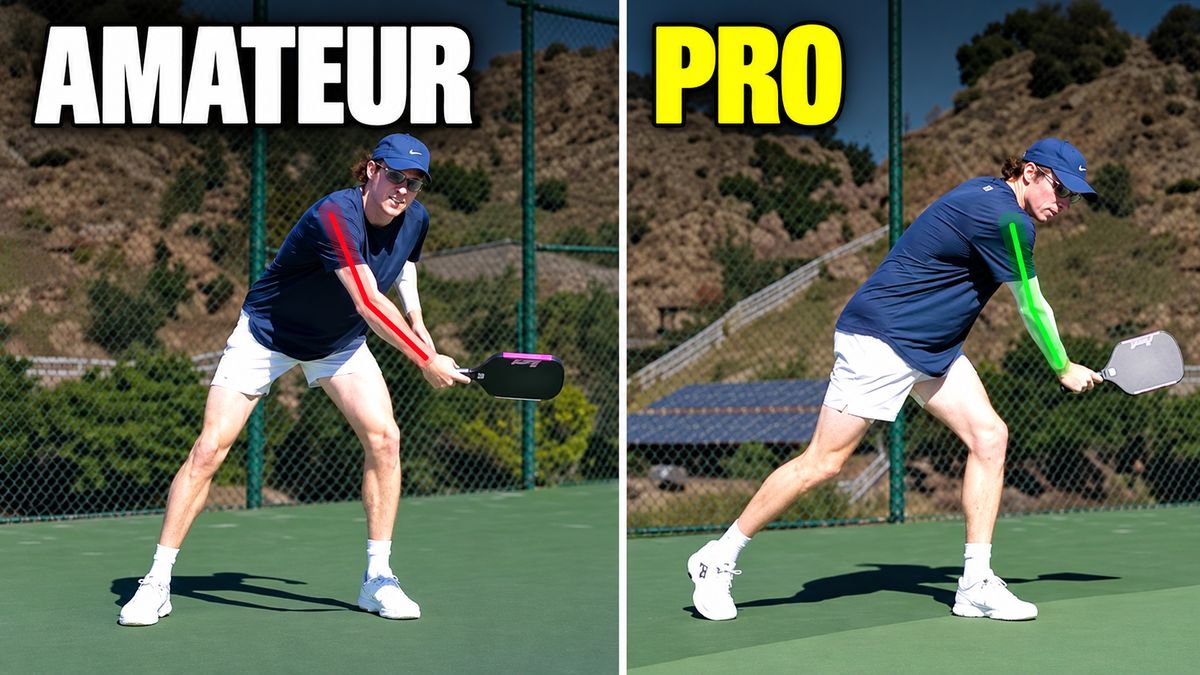
Zane thinks “doubles takes priority over singles” should go.
Singles and doubles are different games, and someone who wants to play singles should get to play singles.
His compromise is that singles players could sit out two games for every one game a doubles group sits out. They still wait longer, but they are not shut out.
He is also lukewarm on “do not stack in rec play.” If you do not know how to stack, skip it, but most of the time straight up play works fine and lets everyone try both sides.
The “stronger player starts on the left” idea is fading too, since so many top players are now strong right siders.
You can see why in how right side or left side roles are rewriting the modern doubles playbook.
 The Dink Media Team
How Should You Warm Up and Treat the Kitchen in Rec Play?
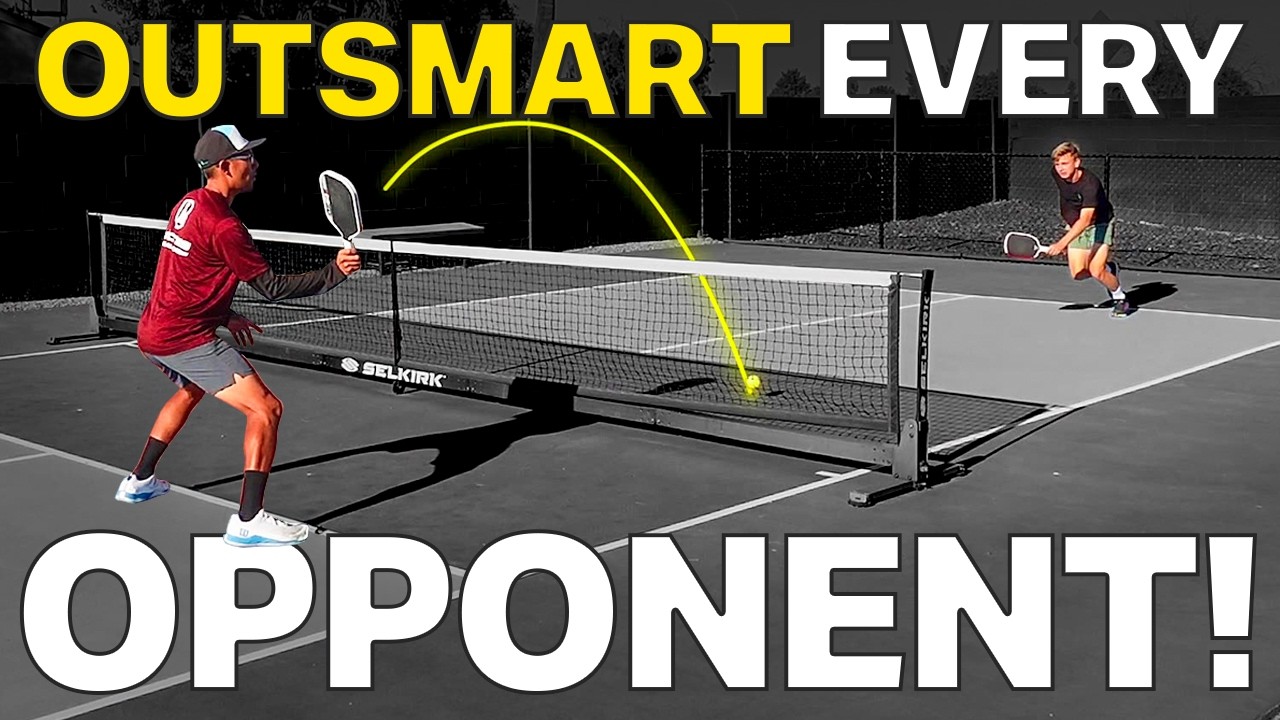
The warm up is cooperative, so do not smack winners. It is time for both sides to get loose, not a chance to show off.
On the kitchen, only call a fault if it is egregious. A toe on the line is fine, but someone standing a foot inside deserves a friendly mention.
Also, do not exploit weird courts in rec play. If a California corner leaves little room to serve, skip the cheap point unless it is a tournament.
Finally, no timeouts in rec play unless you are playing for money.
If you want a quick prep routine, the pickleball warm up routine that preps you to compete works well.
Frequently Asked Questions
What are the unwritten rules of pickleball?
They are shared sportsmanship habits that are not in the official rulebook. They include calling uncertain balls in, replaying line disputes in rec play, and tapping paddles after games.
Should you overrule your partner on a line call?
Yes, if you are sure they are wrong. Zane argues that a fair line caller wants to be corrected, so this unwritten rule against overruling should go.
Is it okay to hit someone in pickleball?
Attacking the body is a normal part of the game, and getting hit by a wiffle ball is not a big deal. Aiming high at someone's head or hitting a player with their back turned is considered off limits.
What should you do if your opponent makes a bad line call in rec play?
Offer to replay the point first. If the person will not budge, Zane suggests having their partner miss the next point to even things out instead of starting a fight.
Can you ask pro pickleball players for a photo?
Yes, but wait until they are not warming up or coming off a loss. Have your phone ready and keep it quick.

Love Pickleball? Join 100k+ readers for free weekly tips, news & gear deals.
Subscribe to The Dink