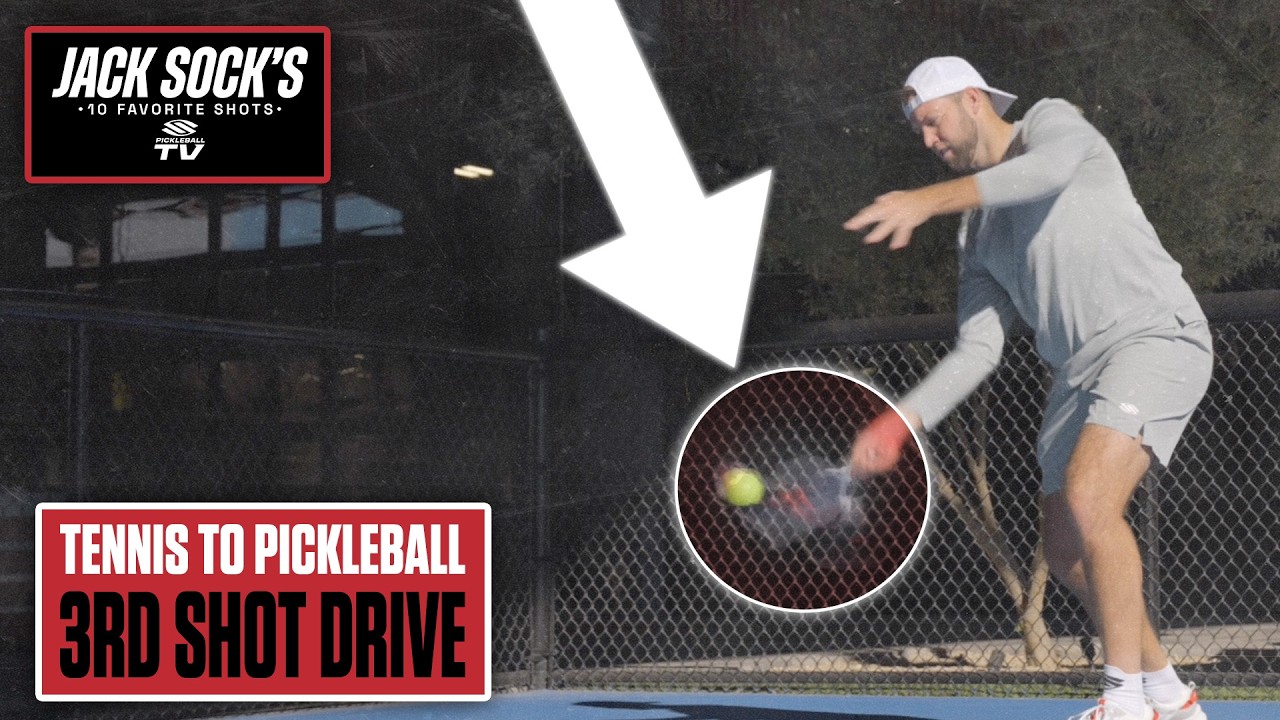
How Jack Sock Hits the Forehand Drive That Wins Free Points in Pickleball
The forehand drive pickleball pros rely on is simpler than you think. Jack Sock breaks down exactly how to hit it low, fast, and with purpose.
If your forehand drive pickleball attempts keep floating too high or getting punished by your opponents, the problem usually isn't your power. It's your approach to the shot itself.
Most players treat the third shot drive like a desperation move. Jack Sock treats it like a weapon, and the difference in results is massive.
This breakdown pulls directly from Sock's instructional video on Selkirk TV, where he walks through the mechanics, strategy, and mindset behind the shot that has become his signature in pickleball.
Love pickleball? Then you'll love our free newsletter. We send the latest news, tips, and highlights for free each week.
Why the Forehand Drive Deserves More Respect
The forehand drive is one of the most natural shots in pickleball for anyone coming from a tennis background.
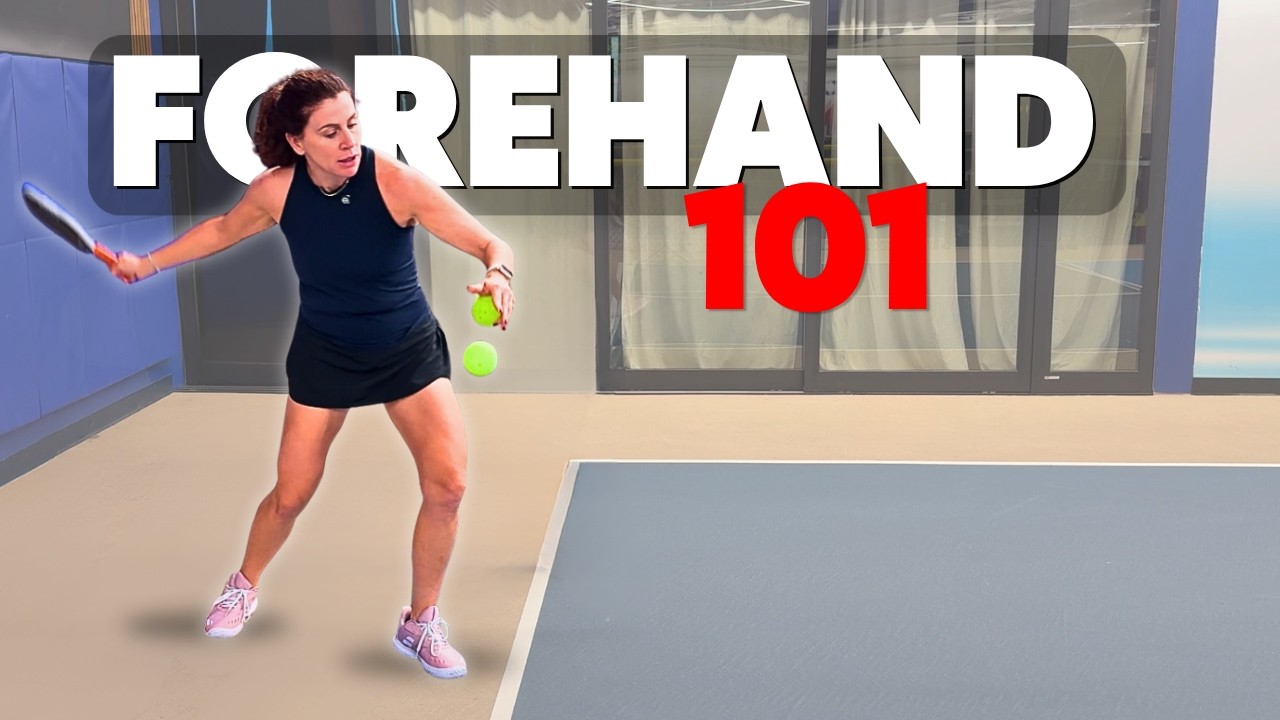
Jack Sock says it himself: the swing is similar to a tennis groundstroke, just a bit shorter and more compact.
That simplicity is actually the point. You don't need a long, complicated swing to generate pace.
A tighter, more controlled motion keeps the ball low and makes the shot repeatable under pressure.
What makes it so effective is the effect it has on your opponents.
A well-struck drive forces them to hit up on the ball, which gives you and your partner something attackable to work with.
If you want to understand why the third shot drive matters more than ever at the competitive level, this shot is the reason.
It shifts the rhythm and puts pressure on the receiving team immediately.
What Does "Shorter Swing" Actually Mean?
A lot of players hear "shorter swing" and think it means punching the ball. That's not what Sock is describing.
The swing still flows. It still has hip rotation and weight transfer.
You're just cutting out the long, loopy backswing that slows your reaction time and creates inconsistency.
Think of it as a condensed version of your tennis forehand, not an entirely different movement. The mechanics are familiar, the execution is just tighter.
Closed Stance vs. Open Stance: Which Should You Use?
Jack Sock uses both, and the choice depends entirely on how much time you have before contact.
Here's how to think about it:
- Closed stance: Use this when you have extra time. It lets you load your whole body into the shot and generates more power. It also helps your transition toward the kitchen line after you hit.
- Open stance: Use this when the ball comes fast and you can't set your feet. It sacrifices a little power but keeps you in the point when time is short.
The real skill is reading the situation quickly enough to choose.
Most recreational players default to one stance regardless of the situation, and that's where consistency breaks down.
Understanding third shot drop or drive decision-making is just as important as the mechanics themselves. The right shot for the right moment changes everything.
 The Dink Media Team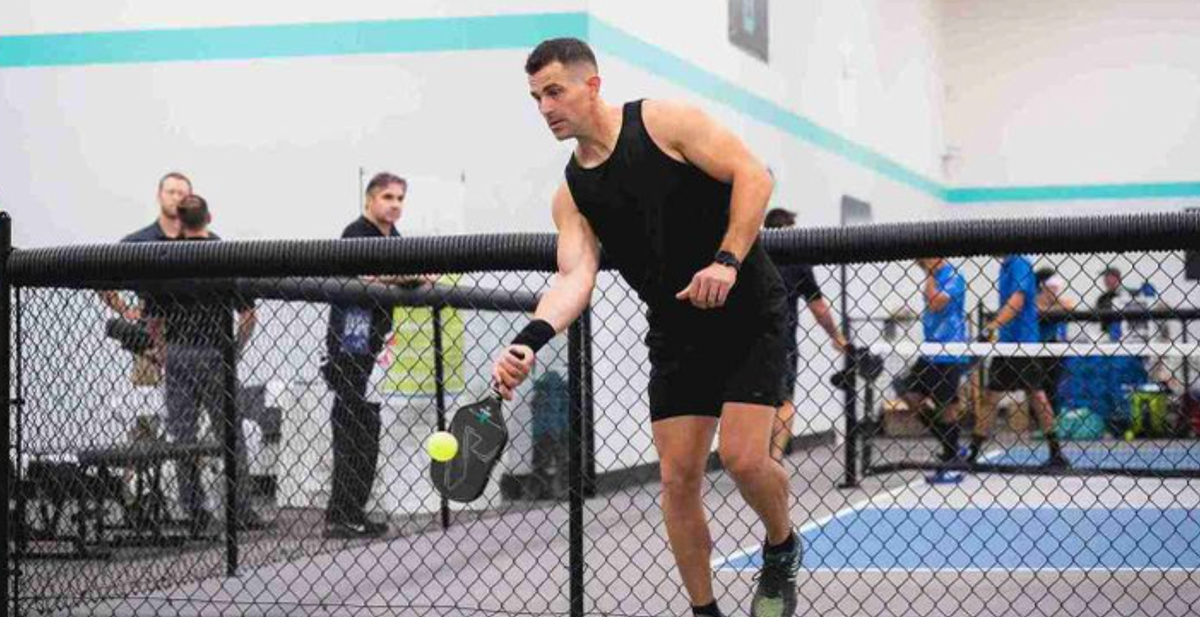
How Low Is Low Enough?
This is the part most players get wrong. They think "hard" is the goal. Sock is clear that "low" is the goal, and the hardness is secondary.
The lower you keep the ball over the net, the harder it is for your opponents to do anything aggressive with it.
A drive that clips the top of the net tape and dips into the kitchen is far more effective than one that clears by two feet at full pace.
If you want to add topspin to help the ball dip, that's where spin contact point mechanics become essential.
Getting your paddle below the ball at contact and brushing up through it is what creates that sinking trajectory.
A low drive also creates a ripple effect for your partner.
When opponents are forced to hit up, your partner at the kitchen can crash and look for a put-away volley.
That coordination is what turns a good drive into a point-winning sequence.
 The Dink Media Team
Using the Drive to Get to the Kitchen
Here's something Sock emphasizes that most people overlook: the drive isn't just about winning the point outright. It's about creating a path to the kitchen.
When you hit a quality low drive, your opponents have to deal with a difficult ball. That buys you a split second to start moving forward.
If they pop it up, you keep moving and attack.
If they reset it neutrally, you're now transitioning in a better position than if you'd stayed back.
The drive becomes a setup tool, not a hero shot. That mental shift changes how you use it entirely.
This is especially useful in singles, where Sock says the shot wins him a significant number of points directly.
In singles, there's no partner to help you recover a bad third shot, so having a reliable aggressive option off the third ball is critical.
If you've been struggling with missing forehand drives consistently, the solution is almost always contact point and trajectory, not grip pressure or swing speed.
 The Dink Media Team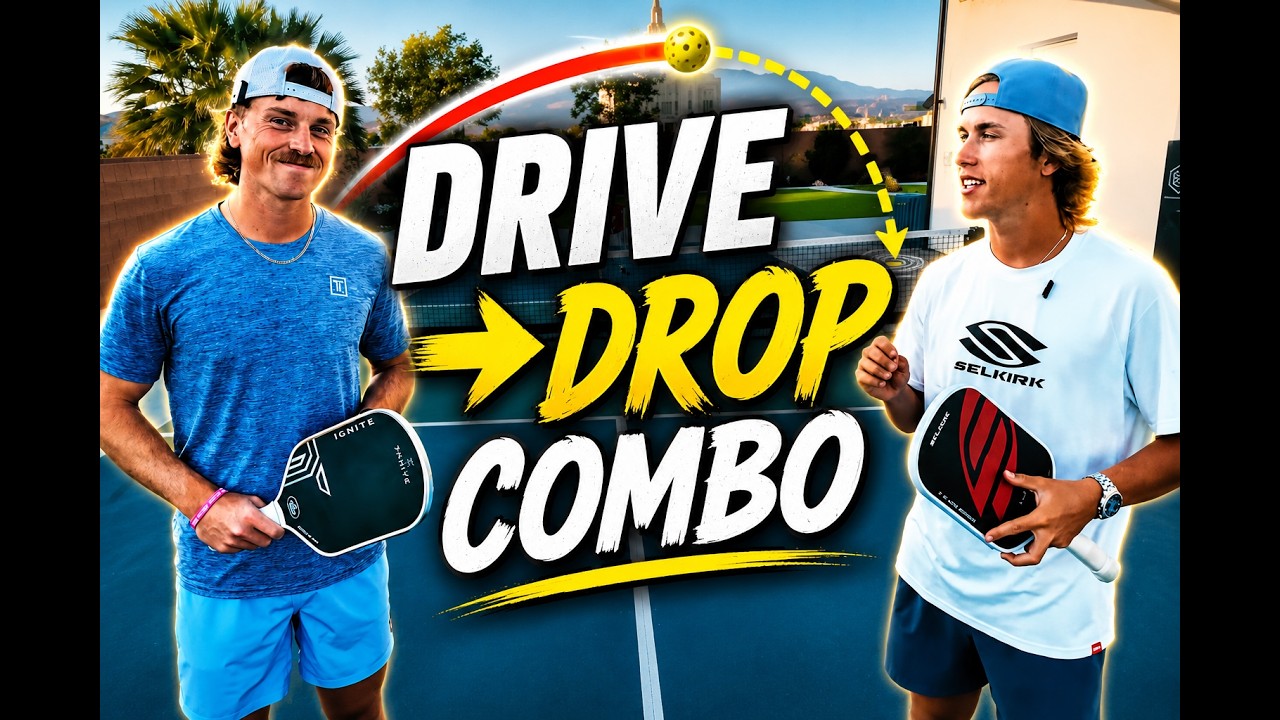
How to Make Your Partner More Effective With This Shot
The drive creates opportunities for your partner, but only if you hit it correctly. Here's what needs to happen for your partner to benefit:
- Keep it low: Your partner can only crash on a drive that forces opponents to hit up. A high drive gives the other team a comfortable volley that might go right at your partner.
- Aim for the middle or at the body: Drives that go down the line give opponents an easy angle. Middle drives create confusion and reduce their attack options.
- Communicate the shot: Let your partner know when you're driving so they can read whether to crash or hold their position.
- Follow in behind a great one: If you catch one clean and feel good about it, don't stop at the transition zone. Keep moving toward the kitchen to put maximum pressure on the point.
When these elements come together, the drive becomes a team weapon, not just an individual aggressive choice.
Knowing the drive combo that wins free points fast is all about connecting your shot to your partner's movement.
The shot alone is good. The coordinated sequence is devastating.
 The Dink Media Team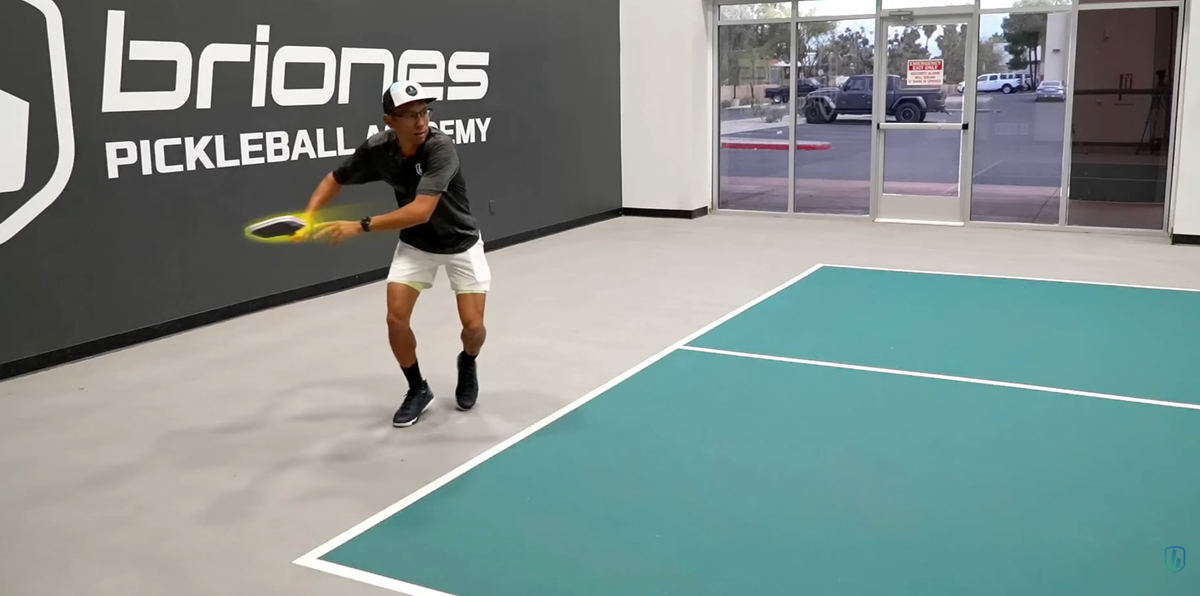
Why Former Tennis Players Have an Advantage Here
Jack Sock is direct about this: the forehand drive is the most natural transition shot for anyone with a tennis background. The muscle memory is already there.
But that doesn't mean tennis players always use it correctly. The tendency coming from tennis is to swing too big and aim too high over the net.
Pickleball punishes that quickly.
The adjustment is learning to shrink your margins and trust that a faster, lower ball is more effective than a heavier, higher one.
That recalibration takes deliberate practice, not just court time.
If your forehand drive keeps flying long, the swing shape is usually the culprit.
Getting your contact point slightly in front of your body and finishing with the paddle face slightly closed will bring the ball back down into the court.
 The Dink Media Team
The Mental Side of Hitting the Drive Aggressively
Sock describes himself as someone who loves being aggressive on the court. That mindset matters more than people acknowledge.
If you're hesitant when you pull the trigger on a drive, the swing tightens, the contact gets tentative, and the ball floats.
Commitment to the shot is part of the execution.
This doesn't mean going for broke every time.
It means deciding before the ball gets to you that you're driving it, then following through completely on that decision.
Players who waffle mid-swing are the ones who pop it up consistently.
If you notice that pattern in your game, look at why your flat drive keeps getting attacked and work backward from there.
The shot selection and the mechanics are both part of the answer.
 The Dink Media Team
Common Mistakes That Kill the Shot
Here are the most frequent errors players make when attempting the forehand drive:
- Swinging too late: Contact behind the hip means the ball goes right or floats high. Get out in front of your body.
- Aiming too high over the net: This gives opponents time and angle. The net should feel dangerously close to your trajectory.
- Standing flat-footed: No weight transfer means no power and no control. Even in an open stance, your weight needs to move through the ball.
- Stopping your feet after contact: You should be moving toward the kitchen as you hit, not watching the result from the baseline.
- Picking the wrong moment: If the incoming ball is too fast or too awkward, the drive isn't always right. Choosing your spots is part of using it well.
Getting these details right is what separates a drive that wins points from one that hands them back.
Look at two-shot combinations that set up easy attacks to see how the drive fits into a broader offensive system rather than existing as an isolated shot.
The third shot strategy for doubles is something every improving player needs to understand, and the drive is a central piece of that puzzle.
Use Jack Sock's framework: keep it short, keep it low, keep moving forward. That's the whole system in three steps.
Frequently Asked Questions
When should I use a forehand drive instead of a third shot drop in pickleball?
Use the forehand drive when you have a comfortable ball to work with and want to apply immediate pressure on your opponents. The drop is better when you're out of position or when the incoming ball is difficult to attack. Reading the situation quickly is the real skill here.
How do I keep my forehand drive low in pickleball?
Contact the ball slightly in front of your hip and keep your paddle face slightly closed at impact. Brushing up through the ball with topspin helps it dip over the net and stay in the court. Aiming at a target about six inches above the net tape is a useful reference point.
What is the difference between a closed stance and open stance forehand drive?
A closed stance means your front foot steps toward the target, loading your body for more power and helping you move forward after the shot. An open stance keeps both feet roughly parallel to the baseline, which is faster to set up when time is short. Jack Sock uses both depending on how quickly the ball arrives.
Can recreational players use the third shot drive effectively, or is it only for advanced players?
Recreational players can absolutely use it, but it requires consistent contact and the discipline to keep the ball low. At beginner levels, the drop may be more reliable simply because the drive demands precise execution to avoid floating into an attackable zone. Start practicing drives during warmups before relying on them in match play.
Why does my forehand drive keep getting attacked in pickleball?
A drive that gets attacked is almost always too high over the net, giving opponents a comfortable ball to redirect. The fix is lowering your contact point, closing your paddle face slightly, and adding topspin so the ball naturally drops. Check why your flat drive keeps getting attacked for a detailed breakdown of the most common causes.

Love Pickleball? Join 100k+ readers for free weekly tips, news & gear deals.
Subscribe to The Dink