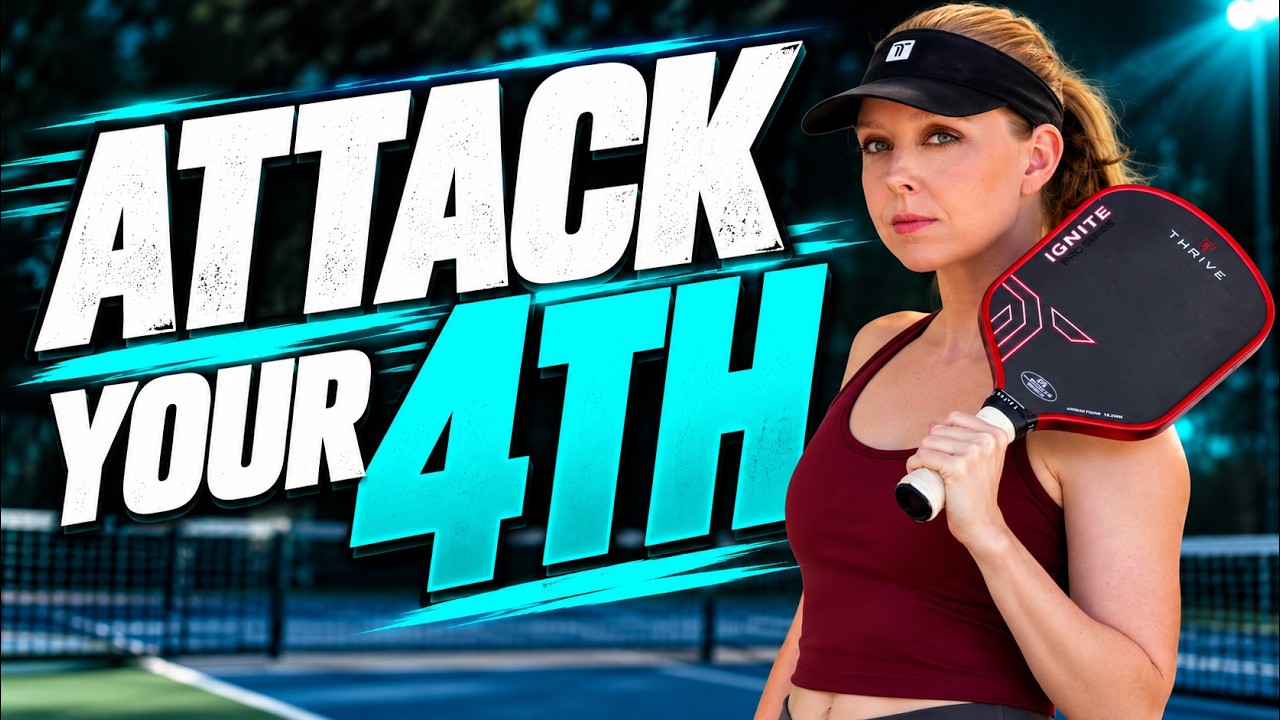


A harder pickleball drive does not have to mean more errors. These five tips cover spacing, leg drive, grip pressure, topspin, and smart shot selection so your power stays in the court.
Your pickleball drive feels great in warmups, then falls apart the second you try to hit it with real pace.
Either it floats long, or it hits the tape, and you wind up wondering whether power and control can ever live in the same swing.
They can. The fix is rarely swinging harder with your arm.
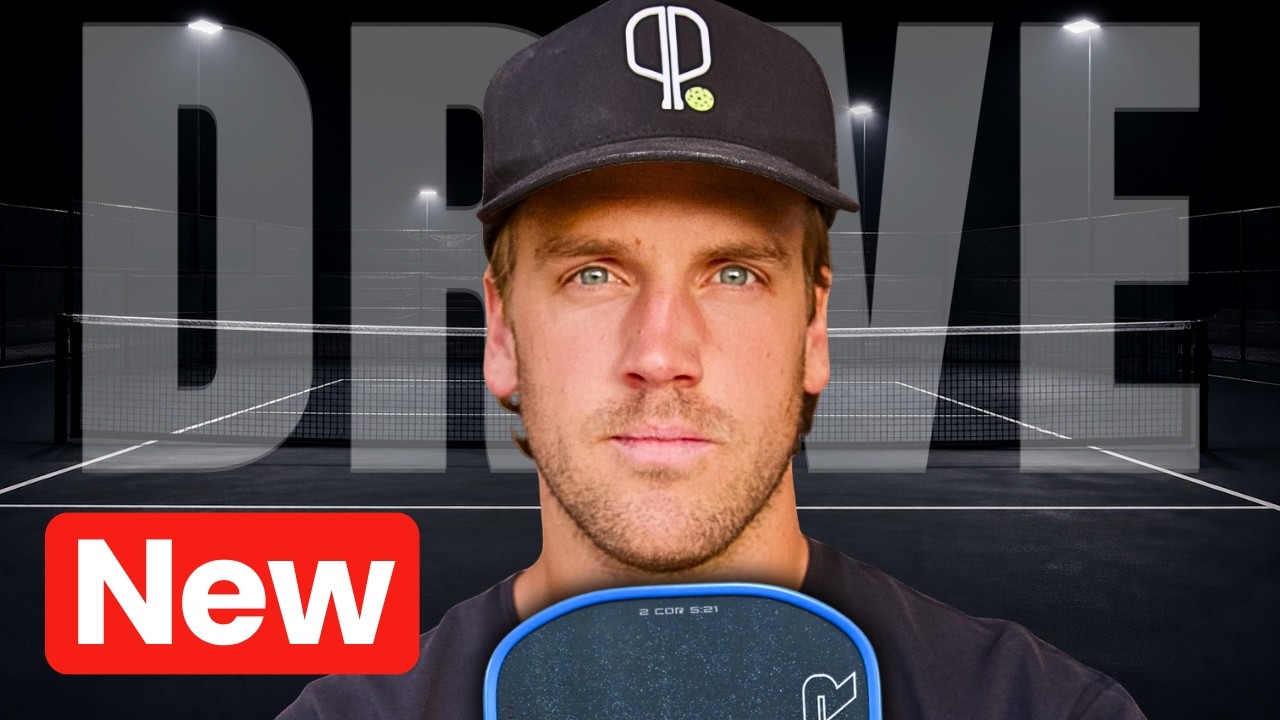
These five tips come from Ashley Griffith on YouTube, a PPA Tour pro and coach who sees the same drive mistakes from students over and over.
We will cover spacing, leg drive, grip pressure, topspin, and which balls deserve a drive in the first place.
Love pickleball? Then you'll love our free newsletter. We send the latest news, tips, and highlights for free each week.
What Makes a Pickleball Drive Powerful and Consistent?
A powerful, consistent pickleball drive combines early contact out in front, leg and body rotation, a relaxed grip, topspin, and smart shot selection.
Take any one of those away and you end up either muscling the ball or spraying it long.
A drive is a firm, aggressive groundstroke hit with pace, usually on the third shot or from the midcourt.
It is different from a drop or a reset because the goal is to pressure your opponent, not slow the ball down.
If you want the full foundation first, our pickleball drive crash course covers the mechanics end to end.
Most players treat power as an arm problem. Your arm is the smallest engine you have, so it is the worst place to look.
Tip 1: Create Space With the Ball
You get more power when you catch the ball out in front of your body with room between you and the contact point.
Getting jammed or hitting the ball late kills both pace and control. Ashley points out that many players take the ball late or let it get too close.
When you are cramped, your arm cannot lengthen, and you cannot hit through the ball.
The mental cue is simple: meet the ball instead of waiting for it. Take every ball early with your paddle out in front, on both the forehand and backhand side.
Try this checklist next time you drive:
- Spot the ball as soon as it leaves your opponent's paddle.
- Step toward the ball so contact happens ahead of your front hip.
- Keep enough distance that your arm can extend without crowding your body.
- Finish the swing through the ball, not at it.
If you keep getting handcuffed on fast balls, our breakdown of how to attack drives and beat bangers pairs well with this tip, and the five shots you must master before 2026 show where early contact pays off everywhere else.
Tip 2: Use Your Legs and Rotate Your Body
The strongest drives in pickleball come from the legs and rotation, not the arm.
When you drive with only your arm, you get some pace but lose consistency.
On the forehand side, you load onto your right foot, turn, and let your weight move through the ball as that leg comes forward.
Your arm follows the body instead of leading it.
On the backhand side, you load onto your left foot. Take a small step forward with the right foot, then drive through with the left as your hands come through.
Think of a medicine ball throw in the gym. You load in, push through, and use your core and legs to create momentum, so your arm never has to force anything.
That sequencing is also what generates effortless power through proper body rotation on every other shot you hit.
If the forehand drive is your weak spot, this hip rotation secret goes deeper on the mechanics.
 The Dink Media Team
Tip 3: Relax Your Grip
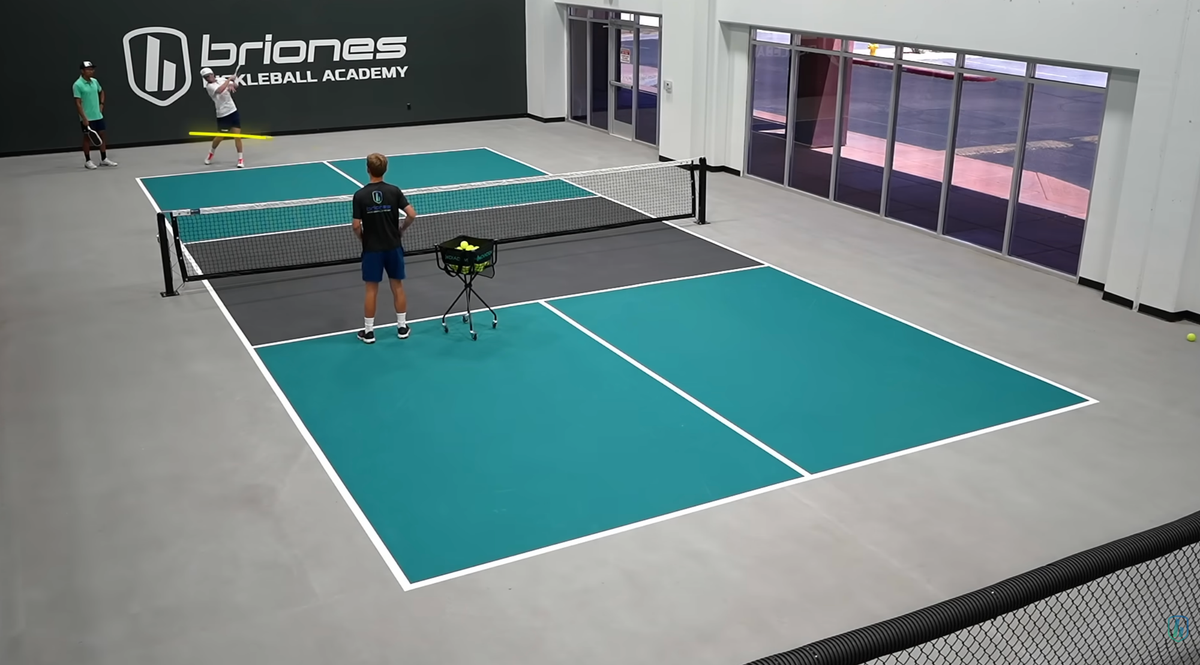
A relaxed grip, around six or seven out of ten in pressure, gives you control and speed at the same time.
Squeezing the handle tightens your forearm and wrist, which is exactly where you do not want tension.
When players muscle the ball, a death grip is usually the culprit.
In fact, a 2025 study of recreational pickleball players noted that gripping the paddle very tightly at contact can spike muscle activation, though the researchers are clear that more work is needed on the injury link.
You still want a firm enough hold that the paddle does not twist on contact. You just do not want to squeeze until your wrist hurts.
A softer grip lets the arm stay loose and swing through to meet the ball out in front. It also helps you strike the ball cleanly instead of pushing it.
The same pressure applies to forehand, backhand, and every shot in between.
Knowing which of the three grips to use and when matters just as much, and if the handle feels slick, here is how often you should change your paddle overgrip.
 The Dink Media Team
Tip 4: Add Topspin to Control the Pace
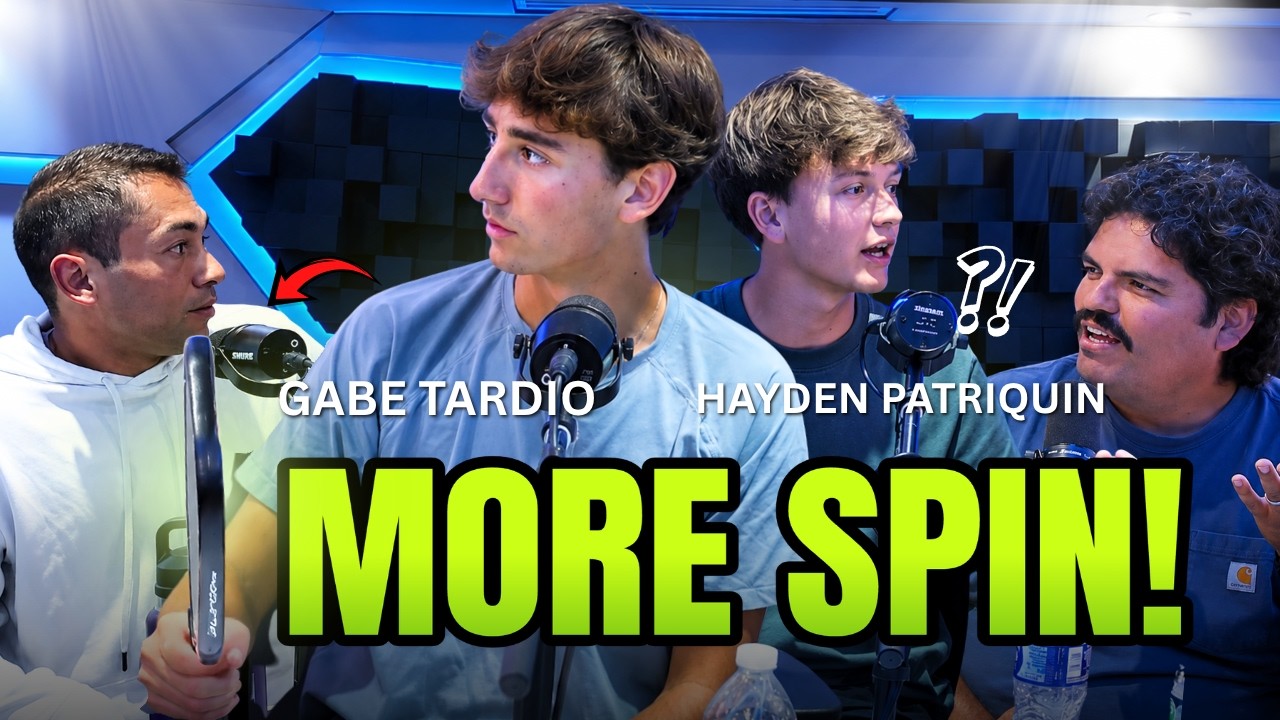
Topspin is what lets you swing hard and still keep the ball in, because it makes the ball dip and arc down into the court.
A flat drive might land in, but it has no safety net when you swing fast.
Ashley says this is the piece most of her students are missing. They have the power and the spacing, but the ball sails because there is no spin pulling it down.
Spin matters enough at the top of the sport that USA Pickleball is now measuring it directly, capping newly certified paddles at 2,100 RPM under its new spin rate test.
The pros noticed the shift too, which is part of why they abandoned the slice shot in 2025.
To create topspin, brush the paddle low to high on the ball while still hitting through it.
The motion feels like brushing up the back of the ball, not plowing straight through it.
Use this progression, ideally against a wall:
- Start with the paddle face slightly below the ball at contact.
- Brush up the back of the ball while swinging forward.
- Finish high and out in front, not wrapped around your body.
- Add pace only after the spin feels natural.
Once students add spin, Ashley says they can hit as hard as they want and the ball stays in.
If your paddle angle is off, these five common topspin mistakes will clean it up, and this guide to hitting a heavy topspin drive is the next level.
 The Dink Media Team
Tip 5: Drive the Right Balls
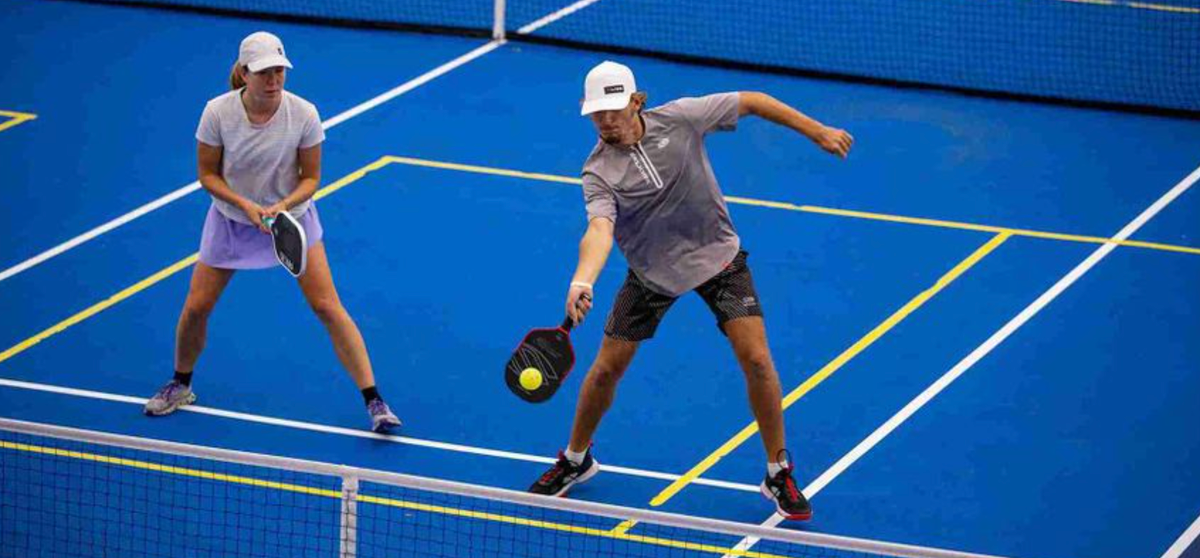
Many missed drives are not technique errors, they are shot selection errors. Some balls simply should be a reset or a drop instead of a drive.
Aggression is great, and you should go for it when the ball is in your zone.
But you also need to mix in your soft game or you will keep overhitting balls that should have been neutralized.
Use these rules of thumb:
- Ball at your feet: reset or drop it instead of forcing a drive.
- Out of position: go soft and recover.
- Ball in your strike zone with time to set up: attack.
The key idea is to be aggressive from offense, not from defense. When you are out of position, a pickleball drive is usually a panic swing.
That is the same logic behind why smart shot decisions beat power at the higher levels, and it sits at the center of the four key strategies to winning in 2026.
If you are not sure when to flip the switch, start with when to play it safe versus when to attack in the transition zone.
Struggling with balls near your shoelaces? These four fixes to stop popping the ball up are a great next stop.
 The Dink Media Team
How Do You Put All Five Tips Together?
Pick one tip, drill it until it feels automatic, then add the next. Trying to fix everything at once usually makes your drive worse before it gets better.
A good order is spacing first, then legs, then grip, then topspin, and finally shot selection. Each one builds on the last.
Here is a simple practice plan you can run in about 20 minutes:
- Spend five minutes feeding yourself balls and focusing only on contact out in front.
- Spend five minutes loading and driving through with your legs.
- Spend five minutes at a six or seven grip pressure, checking for tension.
- Spend five minutes brushing low to high for topspin.
Then play points and only drive balls that pass the shot selection test. For more structured work, try the 12 drills you need to play your best pickleball in 2026.
No partner? These simple wall drills are ideal for grooving that low to high brush.
 The Dink Media Team
Why Does My Pickleball Drive Keep Going Long?
Your pickleball drive usually goes long because it is flat, hit late, or powered only by the arm. Any one of those makes pace almost impossible to control.
Check your contact point first. If the ball is beside or behind your hip, you are forced to push or slap it, and the paddle face opens up.
Then check your spin. A flat ball has no dip, so even a small error in paddle angle sends it sailing past the baseline.
Finally, check your shot choice. Players who drive from defense miss far more than players who follow a simple four step system to win more games in 2026.
Frequently Asked Questions
How do I hit a harder pickleball drive without hitting out?
Combine early contact out in front, leg and body rotation, a relaxed grip, and low to high topspin. Topspin makes the ball dip so you can swing fast and still keep it in the court.
How tight should I grip my paddle on a drive?
Aim for about six or seven out of ten in grip pressure. It should be firm enough to control the paddle but loose enough that your wrist and forearm stay relaxed.
Should I hit a drive with my arm or my legs?
Use your legs and body rotation as the main power source. Your arm should follow the body and meet the ball out in front instead of forcing the shot.
When should I drive instead of reset or drop?
Drive when the ball sits in your strike zone and you have time to set up. Reset or drop when the ball is at your feet or you are out of position.
How do I add topspin to my drive?
Brush low to high on the ball while still swinging through it. You can practice the feel against a wall before adding pace on court.

Love Pickleball? Join 100k+ readers for free weekly tips, news & gear deals.
Subscribe to The Dink