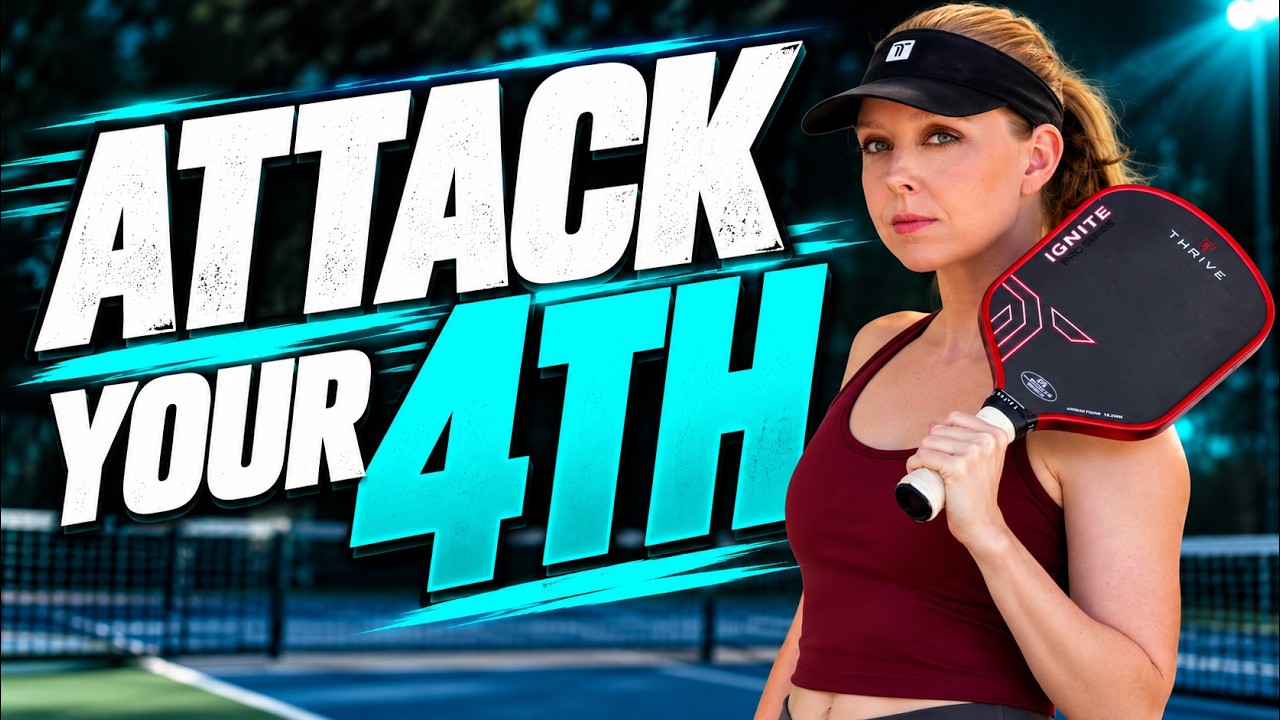


7 Pickleball Speed Up Patterns Jay Devilliers Taught Me in a Private Lesson
A better pickleball speed up starts with a plan, not just fast hands. Here are seven patterns from a private lesson with Jay Devilliers that you can use in your next match.
Most players treat the pickleball speed up like a lottery ticket. You see a ball you like, you swing fast, and you hope it lands somewhere good.
That works until you play someone who counters everything you throw at them. Then you realize you never had a plan for what came next.
These patterns come from tanner.pickleball on YouTube, who drove across Florida to Naples for a private lesson with Jay Devilliers.
Below is everything that mattered, from two ball tracking drills to the exact spots that force errors.
Love pickleball? Then you'll love our free newsletter. We send the latest news, tips, and highlights for free each week.
Why Does Body Position Come Before Any Pickleball Speed Up?
Your body and paddle have to track the ball the same way your eyes do, or your pickleball speed up arrives late.
Devilliers called this one of the most important skills in the game.
Most players forget it because they are busy deciding between forehand and backhand. Meanwhile the ball is already moving.
If you hit toward one side, lean that direction and keep your paddle pointed there.
Do not hit and then reposition your paddle the opposite way, because that is exactly when a counter beats you.
Technique 1: The Two Ball Dink Drill
The two ball drill trains you to track the ball and take it out of the air at the same time.
Both players start a dink rally with a ball each, and when one ball is missed, you play out the point with the last one.
It forces you to be selective about what you attack and what you let go. It also builds the habit of taking time away from your opponent.
Devilliers uses it as a warm up because it gets the blood flowing and builds movement fast.
As players improve, the difficulty rises by creating more space and more movement.
If you want more structure for your practice sessions, these pickleball practice drills pair well with this one.
Technique 2: Play Chess, Not Checkers
Every dink should set up your next shot.
Devilliers described it as playing chess more than checkers, where your target is chosen because of what it makes possible next.
If you dink to a lefty’s forehand, you already know where the attack might come from.
You cover your middle and your body first, then choose forehand or backhand from there.
The drill works in rounds: one player speeds up, the other only counters, then you switch roles.
This ties directly into dinking with intention, where every attack is earned instead of forced.
 The Dink Media Team
Technique 3: The One Two Combo
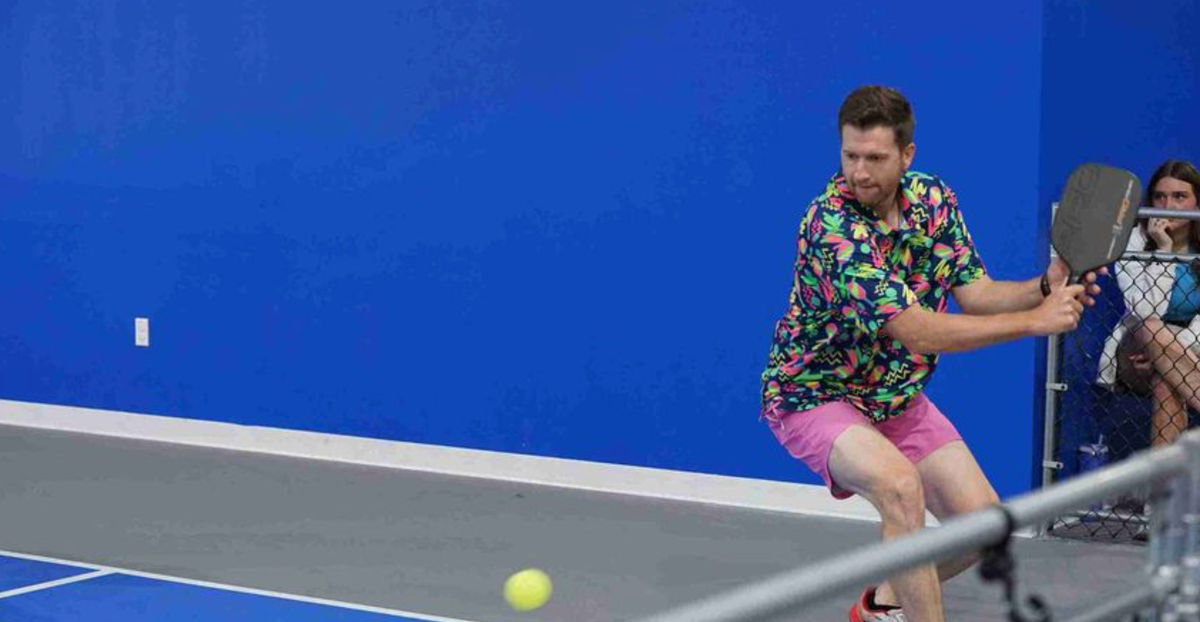
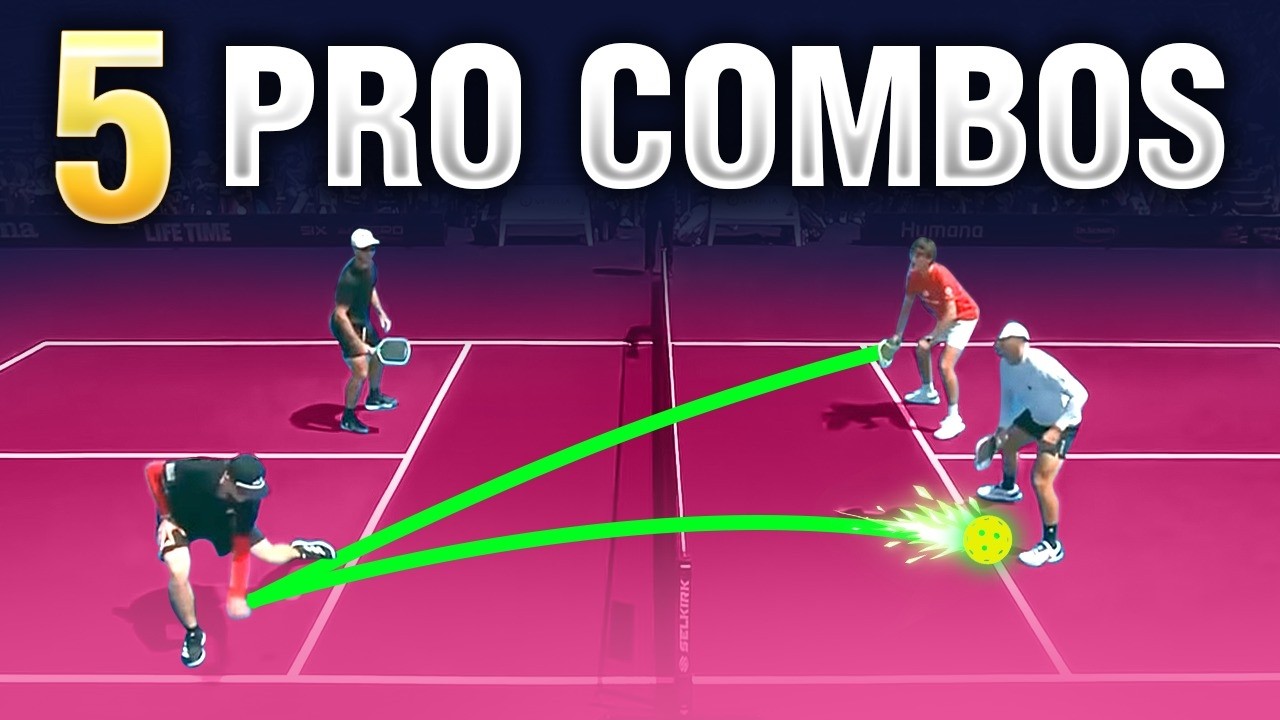
A good speed up in pickleball is a combination, not a single swing.
You speed up to one spot to pull the ball somewhere, then speed up again to a second spot to finish.
Tanner’s best point in the lesson started at the body to jam Devilliers, then shifted to find the forehand. Devilliers called it a perfect example.
Build several patterns instead of one, because a pattern that beats one opponent can fail against the next.
For a deeper look at the mechanics, read how to hit a speed up in pickleball.
 The Dink Media Team
What Targets Make the Pickleball Speed Up Hardest to Defend?
The hardest pickleball speed up targets are the back end hip, the body, and the spot between the partners where the ball has to cross someone’s body.
Devilliers explained that the left hip and right hip produce different outcomes, so precision matters.
When you attack the back end of a right handed player, their options shrink. They cannot go cross court easily, so they are mostly covering line and body.
Here are the targets Devilliers highlighted:
- Backhand side of the body: forces a line or body reply and limits angles.
- Forehand hip: the ball tends to come across, so your partner should be ready to close.
- Middle between players: creates confusion and leaves the receiver stuck between options.
- Chest out of the air: gives your opponent less time to read, and 2025 research on pickleball impact speeds puts paddle to paddle travel time at the no volley line at roughly 350 to 400 milliseconds.
Pair this with controlling the middle if you want a full doubles plan.
 The Dink Media Team
Technique 4: Fix Your Speed Up Height
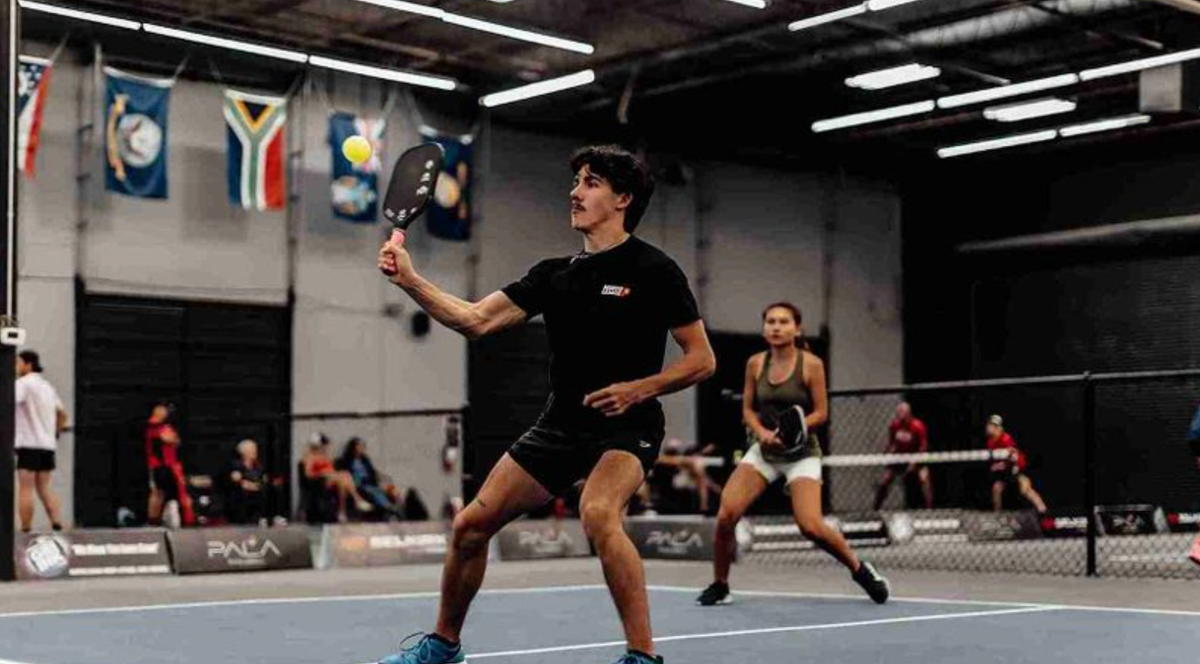
A pickleball speed up that comes in high gets punished. Devilliers pointed out that if he can go down on the ball, you are in trouble.
Your attack needs to start dipping. If it stays above the net too long, your opponent gets a downward swing and the point flips.
Sometimes a slightly slower attack works better. An off speed attack keeps your opponent standing up and guessing, and then you push past them.
If your attacks keep getting sent back at you, why your aggressive dink fails explains the most common cause.
 The Dink Media Team
Technique 5: Use Your Non Dominant Hand
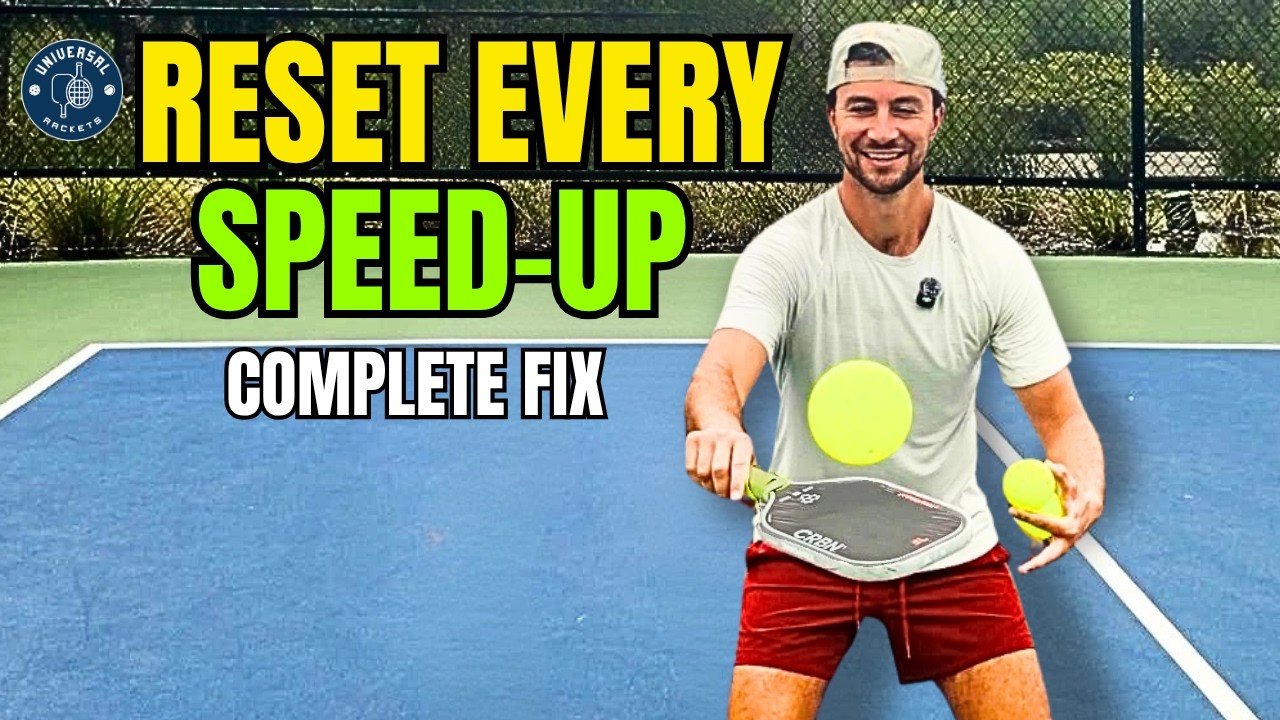
Your non dominant hand creates the action. For a righty like Devilliers that is the left, and for Tanner it is the right hand brushing across to add spin.
It also brings your paddle back to center after the shot. Instead of sitting open and waiting, you recoil quickly to the middle.
That recoil is what separates players with fast hands from players who just swing hard. Think short and compact, not big and wide.
For a closer look at spin, see fixing your paddle angle for topspin.
 The Dink Media Team
Technique 6: Adjust When Your Opponent Backs Up
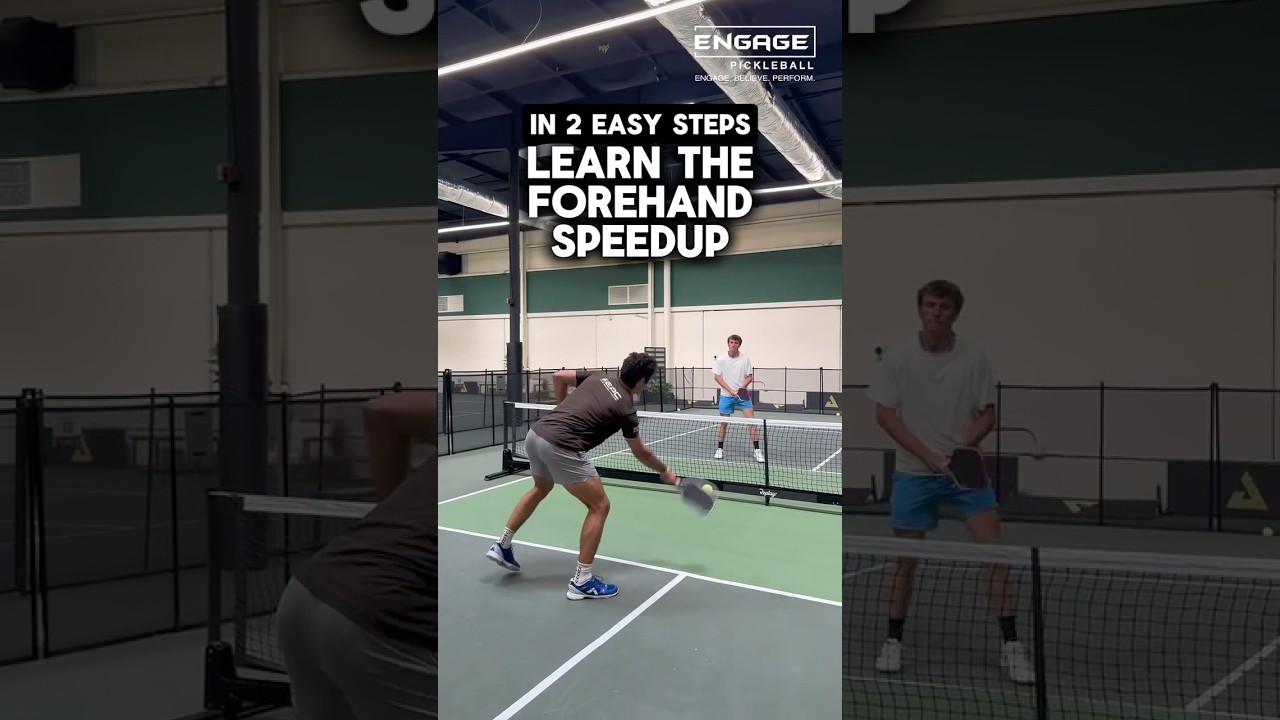
When an opponent steps back from the kitchen line, hitting harder usually backfires. They have more time and often counter with more pace.
The better answer is to force a dink at their feet or hit a dipping pickleball speed up that makes them swing from down to up.
Devilliers also moves in and out on purpose when attacking in mixed.
If they are far from the line, push them further back and then finish. The same footwork logic applies to playing off the kitchen line.
 The Dink Media Team
Technique 7: Apply the Two Feet Rule
The two feet rule says any ball landing within two feet of the kitchen line should be taken out of the air.
Devilliers added that if it lands within one foot, you should be looking to flip it.
Remember that the non volley zone still governs where your feet can be when you take that ball early.
If you let a makeable ball bounce, you handed back the offense for free. Here is how to decide quickly:
- Ball lands deep or heavy: let it bounce and set up your forehand or backhand.
- Ball lands within two feet: take it out of the air.
- Ball lands within one foot: look for the flip.
- Ball is outside your body: roll it at the line instead of forcing it.
This pairs naturally with attacking a dink out of the air.
 The Dink Media Team
How Do You Keep Your Speed Up Compact and Low?
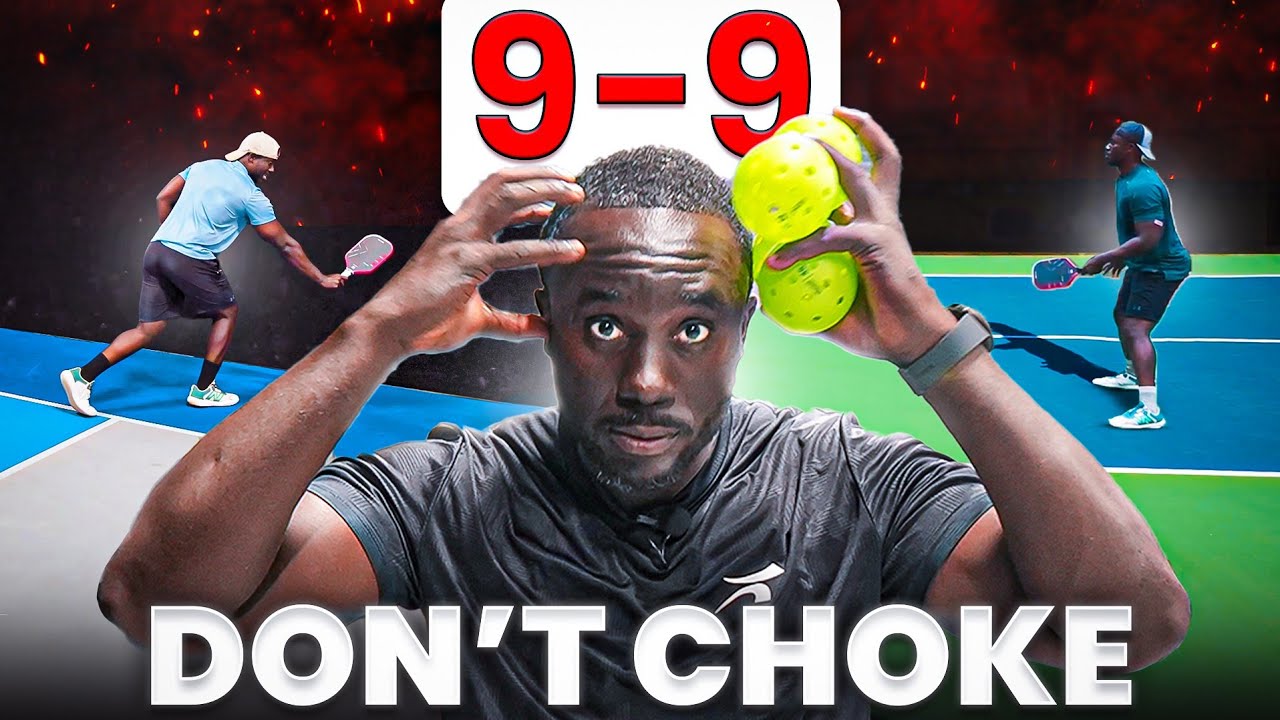
Stay low through the shot and finish before you move.
Devilliers repeated this many times during the lesson, especially when Tanner stood up after attacking.
Players tend to lift up, swing big, and then watch the ball leave. That leaves you late for the counter.
Hayden Patriquin is a great example of a player who stays low and compact. Keep your center of gravity down, let your hand do the work, and recover to the middle.
If you swing wide on your forehand because you want power, you lose timing. For more on recovery after the shot, check out the rope rule.
 The Dink Media Team
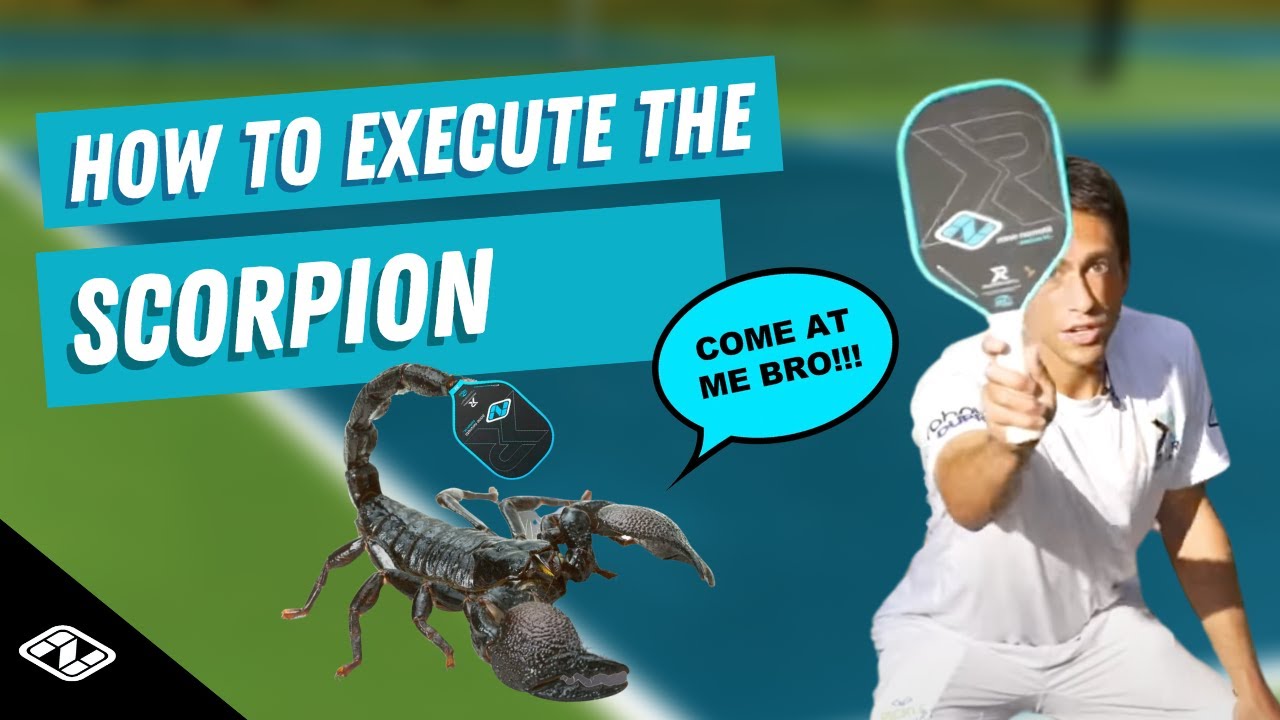
What Is a Hands Battle Counter?
A hands battle counter is a quick, compact reply to an attack, usually blocked or redirected rather than swung at.
It works because your paddle is already out front and ready.
Devilliers stressed that your best counter is often funneling the ball back to the center of your opponent’s chest.
You can also redirect across the court when you are on time.
If you are late, the ball tends to go across your body, which is why your partner should close. For deeper practice, see how to win a pickleball hands battle.
 The Dink Media Team
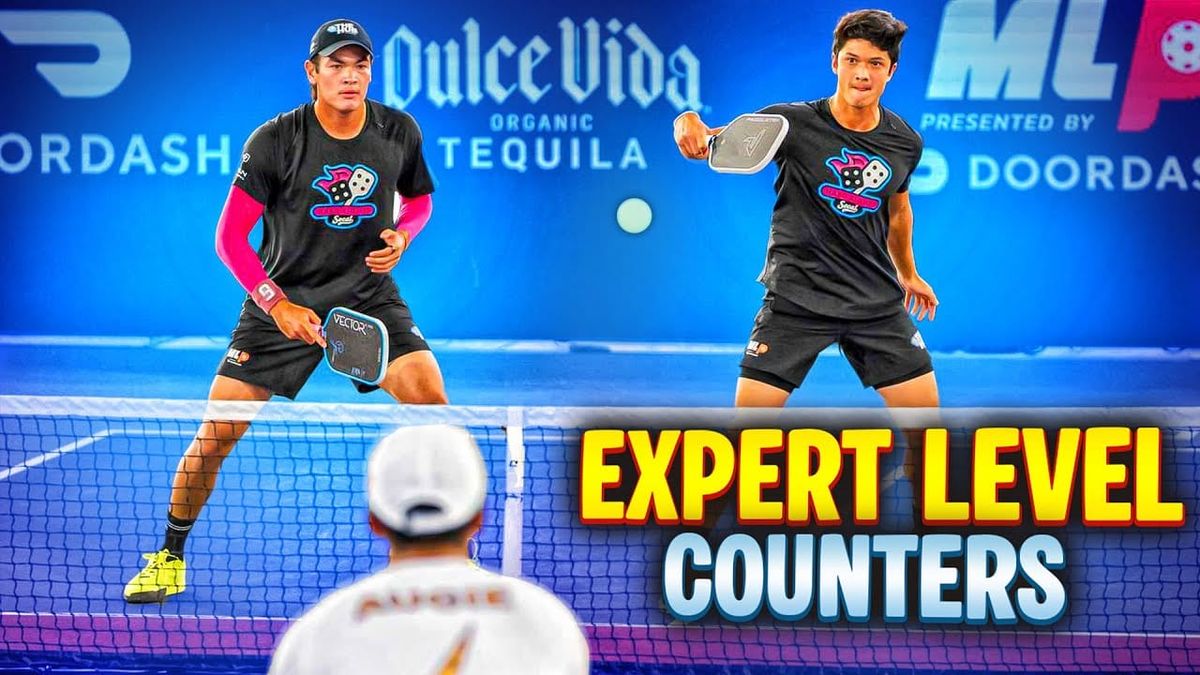
Patterns That Match the Player in Front of You
Every top player builds patterns that fit both their own strengths and the opponent’s weaknesses.
Devilliers mentioned Gabe Tardio as someone strong at pushing on the backhand side, so a back end attack against him needs a different plan.
You should also read how your opponent holds the paddle.
Some players cannot go cross court from a chicken wing grip, which tells you exactly where the next ball is going.
That kind of scouting is a skill of its own, and reading your opponent’s weak side will sharpen it quickly.
Frequently Asked Questions
What is a speed up in pickleball?
A speed up is a sudden attack during a dink rally, hit with more pace to force an error or a weak reply. It works best when aimed at the body, hips, or middle.
Where should you aim a pickleball speed up?
Aim at the hips, the body, or the middle between your opponents. These spots limit angles and make clean counters difficult.
Why does my speed up keep getting countered?
Your attack is probably too high or too predictable. Make it dip, mix your targets, and stay low so you can recover for the next ball.
Should you speed up with your forehand or backhand?
Use whichever shot you trust more, then match it to your goal. Forehands offer more angles, while backhands help you cover the body and middle.
How do you practice speed ups without a partner?
Practice the compact motion and the recoil to the middle against a wall or in shadow swings. Then add a partner for pattern work and counters.

Love Pickleball? Join 100k+ readers for free weekly tips, news & gear deals.
Subscribe to The Dink