Master the Two-Shot Combo: 5 Pro Pickleball Patterns That Win Points
Pro pickleball players don't just hit shots—they set up the next one. Master the five essential two-shot combos that separate 3.5 players from 4.0 competitors.
The difference between a good pickleball player and a great one often comes down to one simple concept: thinking two shots ahead.
Instead of reacting to what your opponent hits, you're already planning the next ball before you even strike the current one.
That's the essence of the two-shot combo, and it's what separates players stuck at 3.5 from those climbing toward 4.0 and beyond. How to master attack patterns in pickleball gives you the broader framework these five combos live inside.
John Cincola, a professional player on the PPA Tour, recently broke down the exact patterns that pros use in nearly every rally.
These aren't complicated tricks or flashy moves.
They're repeatable, strategic sequences that give you control of the point and force your opponents into uncomfortable positions.
Love pickleball? Then you'll love our free newsletter. We send the latest news, tips, and highlights for free each week.
Why the Two-Shot Combo Changes Everything in Pickleball
Here's the thing: most recreational players focus on hitting one good shot. They get the ball in play, and then they react to whatever comes back.
Pros do something completely different.
They hit a shot specifically designed to create a weak response, then they're already positioned and ready for the follow-up.
This is where the two-shot combo becomes your secret weapon.
When you understand these shot patterns, you stop playing defense and start controlling the narrative of each rally.
You're not hoping your opponent makes a mistake. You're forcing them into one.
If you want to build the foundation that makes these two-shot combo patterns work, the four key modern pickleball strategies to winning in 2026 are a natural next step after this breakdown.
1. The Two-Shot Combo Foundation: The Drive Drop
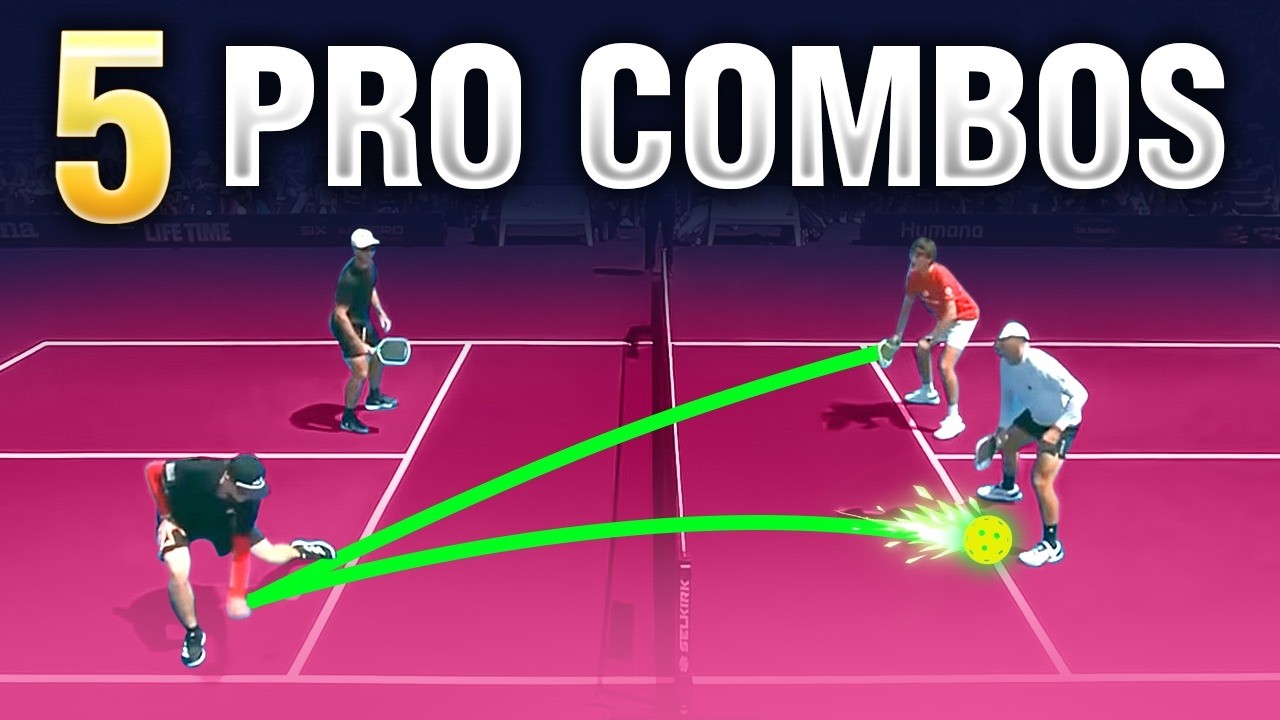
The drive drop combo is the most common two-shot combination pattern you'll see in professional matches. It's simple in concept but devastating in execution.
You hit a solid drive to force a weaker volley, then you move forward and drop the next ball into the kitchen.
The setup matters. You want to run this pattern when you're at or behind the baseline.
Why? Because trying to drop a ball perfectly into the kitchen from deep in the court is risky.
The ball sits higher, and it invites a stronger fourth shot from your opponents.
Instead, hit a controlled topspin drive at about 80 percent power to the incoming player (the one moving toward the net).
 The Dink Media Team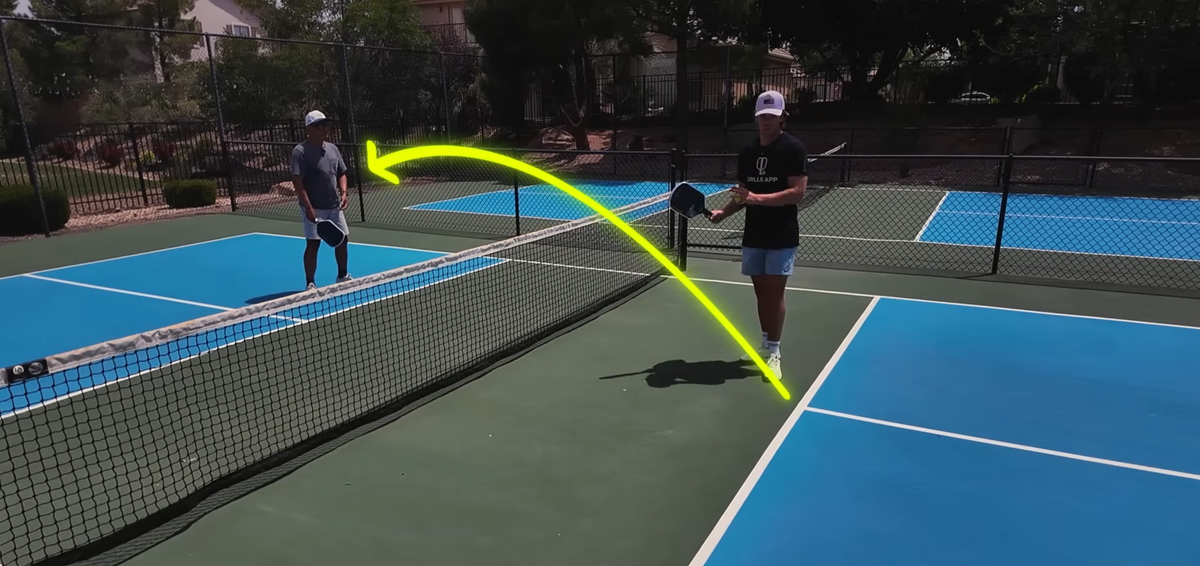
This forces them to hit a block volley rather than a punch volley.
Ben Johns and Gabe Tardio, two of the sport's elite players, used this exact pattern repeatedly in a recent match.
In fact, they ran it in the first five points.
The drive came in low and controlled. The opponent's block volley landed short. Then they moved up and dropped the next ball softly into the kitchen, taking the net without drama.
The key detail: hit the drive to the player who's moving in, not the one already at the net.
The incoming player has less time to react and less court position to work with.
That's how you get the weak reply you need. How and when to hit the drive-drop combo shot in pickleball covers every variation of this first two-shot combo in timing, execution, and situational use.
2. The Shake and Bake Two-Shot Combo: When Chaos Becomes Strategy
The shake and bake is what happens when you combine a drive with aggressive net positioning.
One player hits the drive while the partner releases forward, reading the situation and preparing to attack the volley.
This pattern thrives on court positioning and trust.
When you see your opponent returning serve deep, or when the stack is unwinding (meaning players are still transitioning to their spots), that's your moment.
The non-hitting partner sprints forward, knowing there's a good chance the incoming volley will be weak or catchable.
Understanding how to unwind the stack attack in pickleball is critical for pulling this two-shot combo off consistently.
What makes this pattern brilliant is that it does double duty. The pickleball combo to reach 5.0: why two-shot attacks are now essential gives you the full breakdown of how this two-shot combo creates a no-win situation for your opponents.
If they try to hit the ball deep to your baseline player's feet, your partner at the net will cut it off for a winner.
So they have no choice but to keep it short, which invites you forward anyway.
The timing is everything.
You need that head start. Watch the best players, and you'll see them reading the situation before the ball even gets hit. They're not reacting. They're anticipating.
 The Dink Media Team
3. The Cross and Crash: Punishing Lateral Movement
When your opponent is moving side to side, that's when the cross and crash pattern becomes lethal.
The idea is simple: hit a good crosscourt shot that forces them to reach across their body, then crash the middle and look for the next ball out of the air.
Here's why this works. When someone reaches across their body, they're off balance and out of position.
Their natural instinct is to hit the ball back crosscourt. But you're already there, waiting in the middle.
You take the ball out of the air and either finish the point or set up an easy follow-up. Mastering the perfect crosscourt attack in pickleball is what unlocks this two-shot combo and gives you the angle math behind why the cross and crash works so reliably.
The pattern requires communication and positioning.
Both players need to understand that when one hits a good crosscourt shot, the other is crashing middle. It's not complicated, but it requires practice and trust.
Top pros use this relentlessly.
They work the ball crosscourt a few times, get their opponent reaching, then one player presses to the middle while the other reaches in.
Most recreational players don't recover fast enough to cover that middle ball.
 The Dink Media Team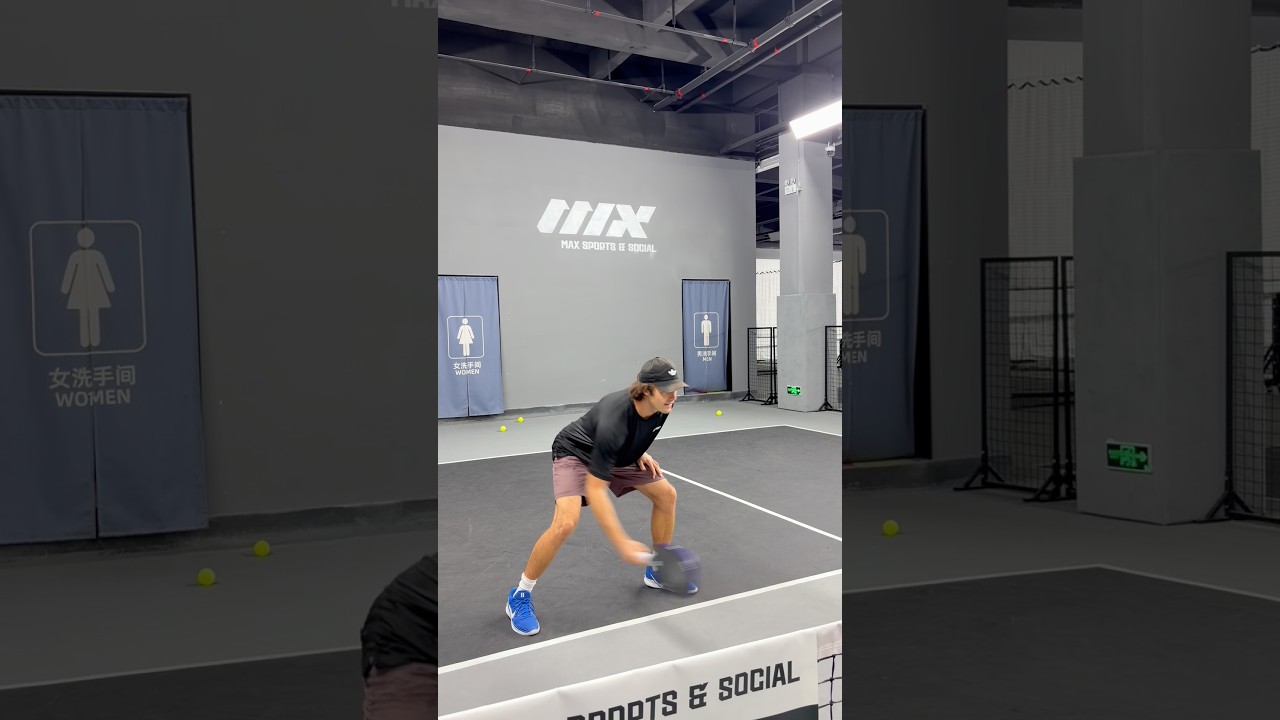
4. The Inside Out Two-Shot Combo: Creating Offensive Opportunities
The inside out pattern starts with earning a dead dink in the middle.
A dead dink is a ball that sits up a little higher than normal, usually because your opponent hit a half volley or slice.
When you get that ball in the middle, you have options. What is a dead dink and why you should be attacking it every time is the dedicated read on recognizing and capitalizing on this key two-shot combo setup.
You can go wide to one side, speed up the middle, or attack the body. Your opponents now have to cover multiple possibilities.
That's the beauty of this pattern. The dead dink in the middle creates confusion.
Once you work the ball wide and your opponent reaches to get it, you shift and look for the next ball.
If they manage to get it back, it's usually weak because they're stretched out. That's when you set up an Ernie (a shot hit around the post) or a speed-up opportunity.
This pattern is one of Ben Johns' favorites.
He loves getting that middle dink and then flowing into wide shots that create offensive chances. It's not about hitting winners immediately.
It's about creating control and then capitalizing when the opportunity presents itself.
 The Dink Media Team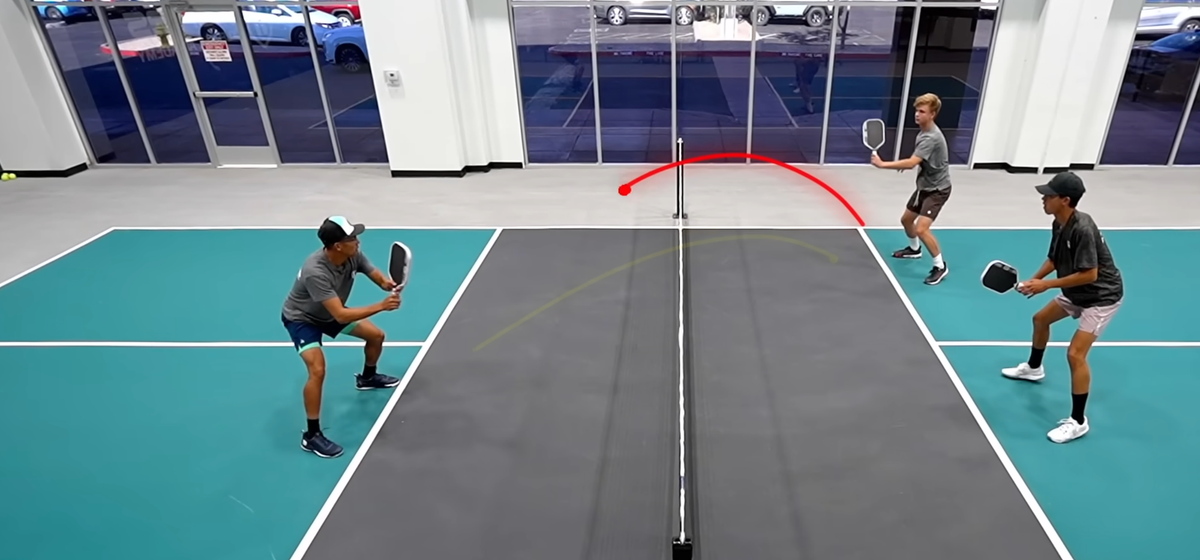
-
5. The Attack Two-Shot Combo: Anticipation Meets Execution
The final two-shot combo is the attack combination, and it's where anticipation becomes everything.
You hit an attacking shot to a specific spot, and you already know where the ball is most likely to come back. Then you're sliding and ready for that exact shot.
Ben Johns does this beautifully with his backhand flick.
He hits it cross-body, and he knows the angle makes it nearly impossible for his opponent to hit it back to the other side.
So he immediately loads his forehand and prepares for the middle return. When it comes back exactly where he expected, he's already in position.
Understanding attack patterns in pickleball gives you the framework to build this two-shot combo instinct fast through deliberate pattern recognition.
This requires reading angles and understanding geometry. It's not guessing.
It's calculated anticipation based on where the ball is and where your opponent can realistically hit it.
The attack combo works off the bounce or out of the air.
The principle is the same: attack to a spot, anticipate the reply, and be ready before the ball even comes back.
 The Dink Media Team
Putting It All Together: From 3.5 to 4.0 with the Two-Shot Combo
These five two-shot combo patterns aren't tricks. They're the foundation of how professional players think about pickleball.
They're not reacting. They're creating. They're not hoping. They're controlling.
The jump from 3.5 to 4.0 isn't about hitting harder or running faster. It's about understanding these patterns and executing them consistently.
It's about thinking two shots ahead instead of one.
A simple 4-step system to win more pickleball games in 2026 pairs perfectly with this two-shot combo breakdown if you want a structured roadmap to reach 4.0 faster.
Start with the drive drop combo. Master that, and you'll immediately see improvement. Then layer in the shake and bake. Add the cross and crash.
The 12 drills you need to play your best pickleball in 2026 will help you ingrain each two-shot combo pattern under match pressure.
Before long, you'll be playing pickleball the way the pros do: with intention, strategy, and control.
Frequently Asked Questions
What is a two-shot combo in pickleball?
A two-shot combo is a strategic sequence where you hit a first shot specifically designed to create a weak response, then position yourself to attack the follow-up. Instead of reacting to what your opponent hits, you control the rally by thinking one shot ahead.
Which two-shot combo should beginners learn first?
The drive drop combo is the best starting point. It's the most common pickleball shot pattern in professional matches and the easiest to understand: hit a controlled drive to force a weak volley, then move forward and drop the next ball into the kitchen.
How do I know when to use the shake and bake?
Use the shake and bake when your opponent is returning serve deep or when the stack is unwinding (players are still transitioning to their spots). The non-hitting partner reads the situation and releases forward, preparing to attack the volley.
Can I use these two-shot combo patterns in doubles?
Absolutely, and in fact these patterns are designed specifically for doubles play. They require communication and positioning with your partner, which is exactly why they're so effective at the professional level.
How long does it take to master these two-shot combos?
It depends on your current level and practice frequency. Most players see measurable improvement within a few weeks of focused drilling. The key is understanding the shot sequence pattern first, then repeating it until it becomes automatic.

Love Pickleball? Join 100k+ readers for free weekly tips, news & gear deals.
Subscribe to The Dink