10 Pickleball Strategies That Actually Work Against Better Players
Coach Austin Hardy breaks down the 10 pickleball strategies that separate elite players from the rest. These tactics focus on serve depth, dinking consistency, and smart court positioning rather than raw power.
If you've been grinding pickleball for a while, you know the frustrating truth: raw power doesn't win matches. Pickleball strategy does.
Coach Austin Hardy, a PPR-certified coach with a decade of experience in racket sports, recently broke down the 10 most important pickleball strategies that separate players who win consistently from those stuck at the same level.
The best part? These aren't complicated. They're fundamentals executed with purpose.
Love pickleball? Then you'll love our free newsletter. We send the latest news, tips, and highlights for free each week.
1. Serve and Return Depth: The Pickleball Strategy Foundation
Here's what most players get wrong about the serve: they chase power instead of depth.
Hardy emphasizes that getting your serve deep into the court matters far more than hitting it hard.
When your serve lands deep, two things happen immediately.
Your opponent struggles to move forward, and you get more time to transition from a defensive position into a neutral one.
The returner always starts in an offensive position. If you serve short, they're already attacking.
If you serve deep, you've neutralized their advantage before the rally even begins.
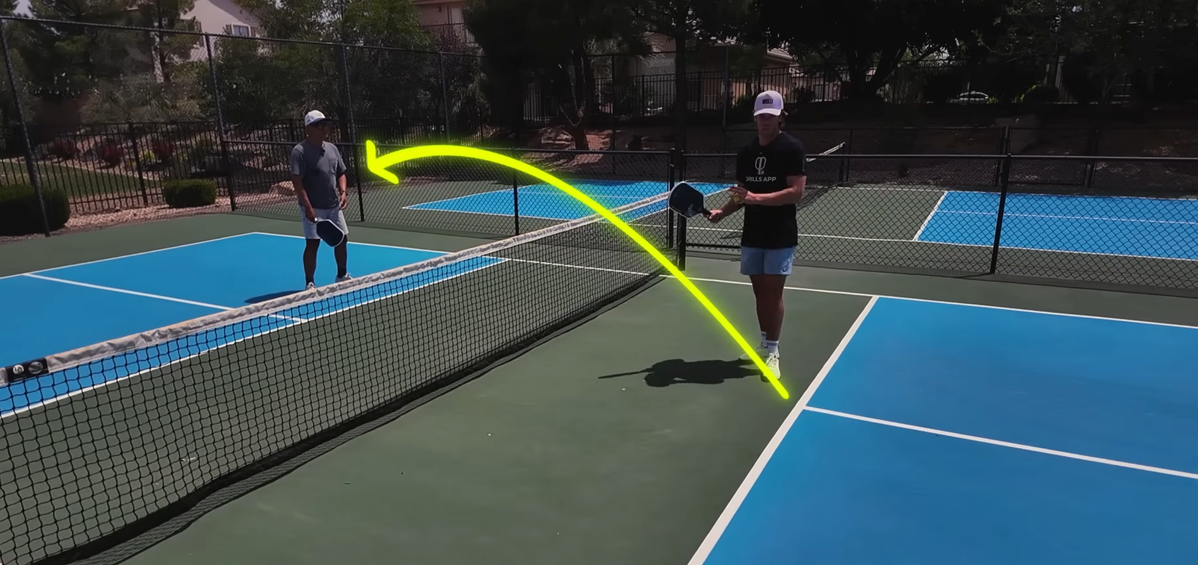
Hardy identifies three specific serve locations that create the most chaos:
Out wide forces your opponent to move laterally, opening up the court.
At the body creates decision fatigue because they have to choose between a forehand and backhand.
Up the T (the center line) brings their return predictably back to the middle, where you can dominate with your forehand.
The same logic applies to returns. Return deep and up the middle to take away angles. This simple shift in thinking transforms your entire game.
2. Target the Chicken Wing: A Core Pickleball Strategy
The chicken wing position is that awkward spot at your opponent's hip where they can't decide whether to hit a forehand or backhand.
Hardy calls it one of the easiest ways to force errors without needing to hit a winner.
When you speed up to this position, your opponent hesitates. That split-second of indecision often results in a pop-up or a miss entirely.
The beauty of this pickleball strategy is that it works even when your opponent knows it's coming.
The geometry of the court makes it nearly impossible to defend cleanly.
Knowing the target is half the battle. Executing it under pressure is the other half.
3. The Two-Feet Rule: Handling Underspin Like a Pro
Here's a concept that trips up intermediate players constantly: spin continuation.
When your opponent hits an underspin return, the ball comes back to you with topspin already built in.
If you add more topspin on top of that, the ball goes straight into the net.
Hardy's solution is simple but counterintuitive. Get two feet below the ball and aim twice as high as you normally would.
This creates the topspin you need without fighting against the spin already on the ball.
The drive isn't meant to be a putaway. It's a setup shot. Treat it that way, and you'll win far more points than if you're constantly hunting for winners off the drive.
Understanding how spin interacts with your shot selection is one of the reasons professional pickleball players abandoned the slice shot in 2025.
The physics don't lie.
 The Dink Media Team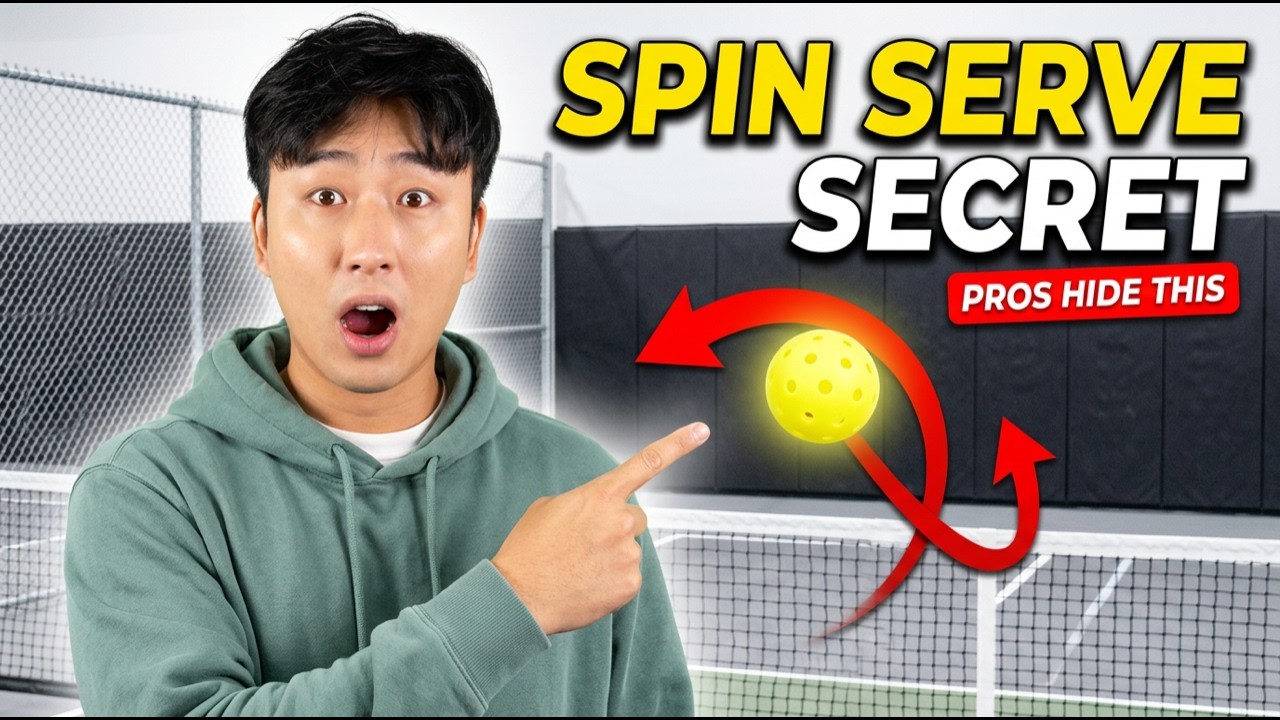
4. The Rule of Three: The Pickleball Strategy Behind Dinking Consistency
This is where pickleball strategy gets genuinely clever. Hardy introduces the Rule of Three: your points plus your opponent's points should always equal three.
A neutral or defensive dink is worth one point. An offensive dink is worth two points.
If your opponent hits an offensive dink (two points), you should respond with a neutral dink (one point). Two plus one equals three.
This keeps the rally balanced and prevents you from overcommitting.
Most players make the same mistake repeatedly. They get an offensive dink hit at them and try to hit an offensive dink back.
The result? An instant pop-up and an easy putaway for your opponent.
The Rule of Three forces you to make smarter decisions about when to attack and when to reset. It's not flashy, but it's devastatingly effective.
Pair this with the 12 drills you need to play your best pickleball in 2026 and your dinking game will look completely different in a matter of weeks.
 The Dink Media Team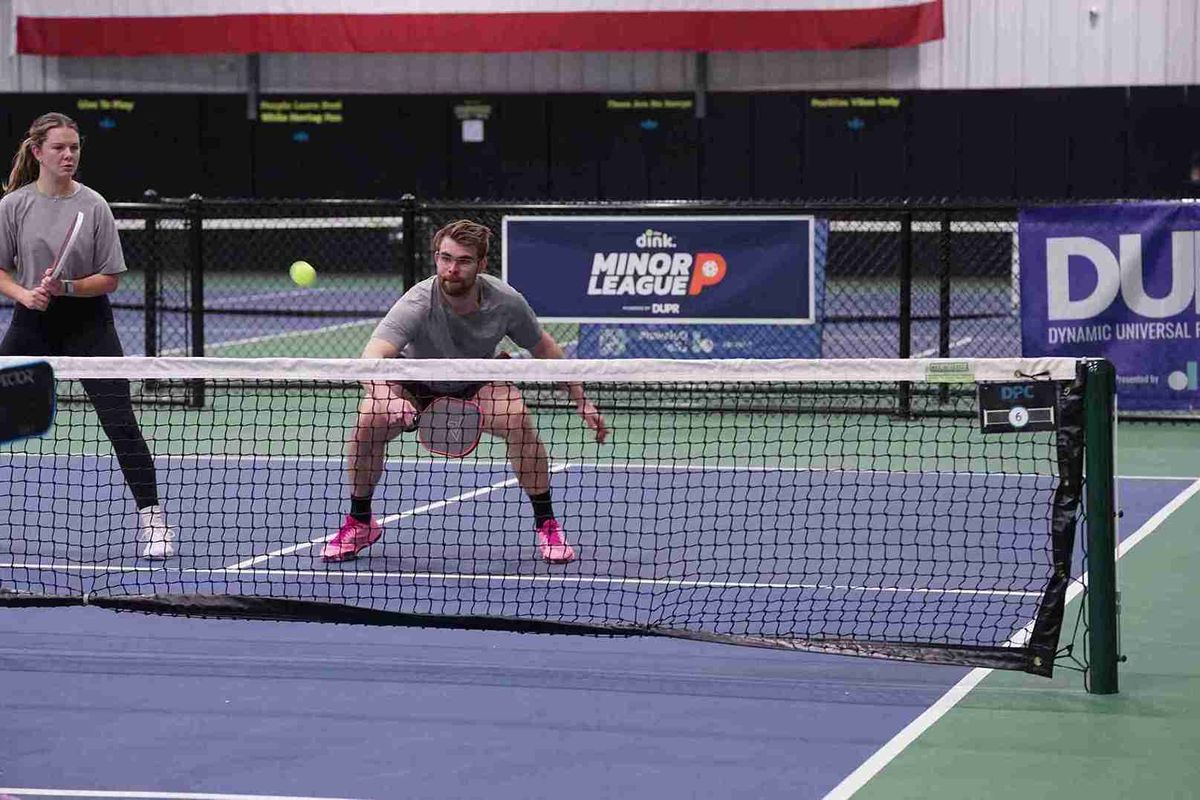
5. Change Direction With Purpose, Not Panic
Changing direction in a dink rally should never be random.
Hardy explains that direction changes only make sense when you're on defense and need to reset the point.
If you're on offense, why would you change direction? You're already winning the rally. Keep attacking the same area until your opponent adjusts.
If you're on defense, hit up the middle to take away angles. Once you've neutralized the pressure, you can change direction to a neutral position.
This pickleball tactic prevents the desperation shots that end rallies prematurely.
 The Dink Media Team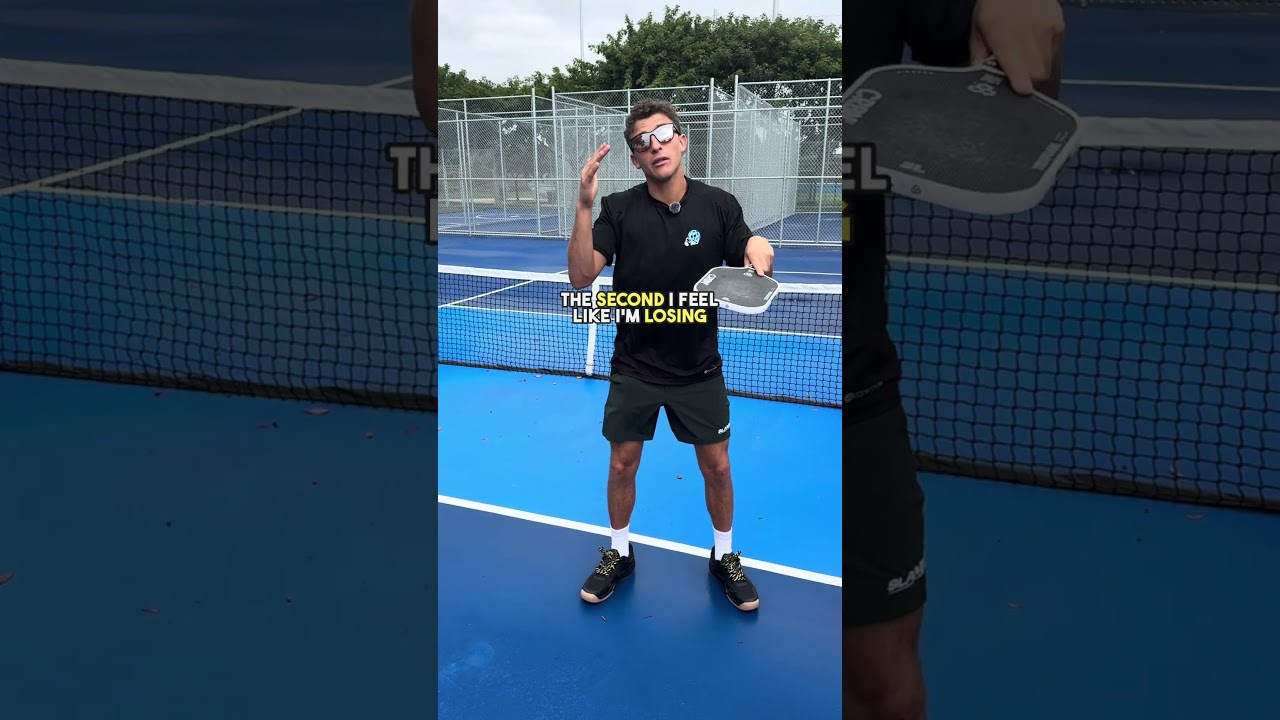
6. Red, Yellow, Green: Understanding Court Zones in Pickleball Strategy
Think of the court in three zones based on where you're standing. The red zone is the baseline. The yellow zone is the transition area. The green zone is the kitchen line.
Your paddle position and shot selection should change based on which zone you're in. In the red zone, keep your paddle low and swing slowly (think underwater).
In the yellow zone, you're above water, more neutral. In the green zone, you're taking flight, hitting downward aggressively.
This framework prevents you from making bad decisions based on where you are on the court. It's a simple mental model that transforms consistency.
If you want to see how the best in the game master these five shots, the connection between zone awareness and shot selection becomes obvious fast.
 Eric Roddy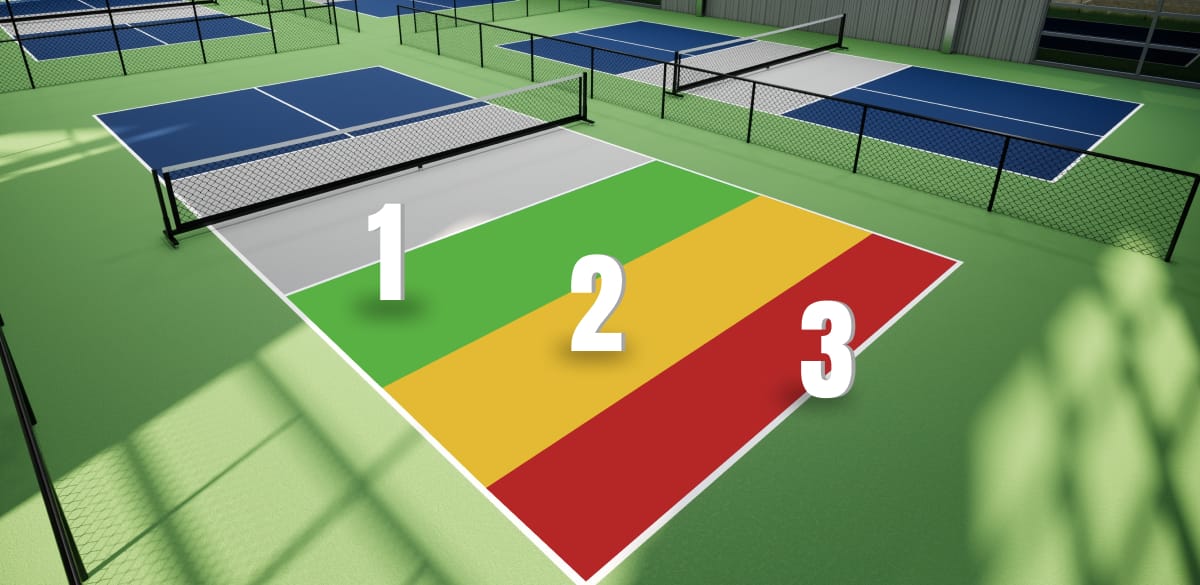
7. Compact Swings Beat Big Motions Every Time
Here's something Hardy sees constantly at lower levels: players taking huge backswings when they speed up.
The problem is obvious. A big backswing means the ball has to go out.
A condensed swing that looks like a dink but accelerates into a speed-up is far more effective.
Your opponent doesn't see it coming, and you keep the ball in the court.
The same principle applies to blocking. When your opponent speeds up at you, don't try to match their power with a big swing. Just block it.
Their pace comes right back at them.
 The Dink Media Team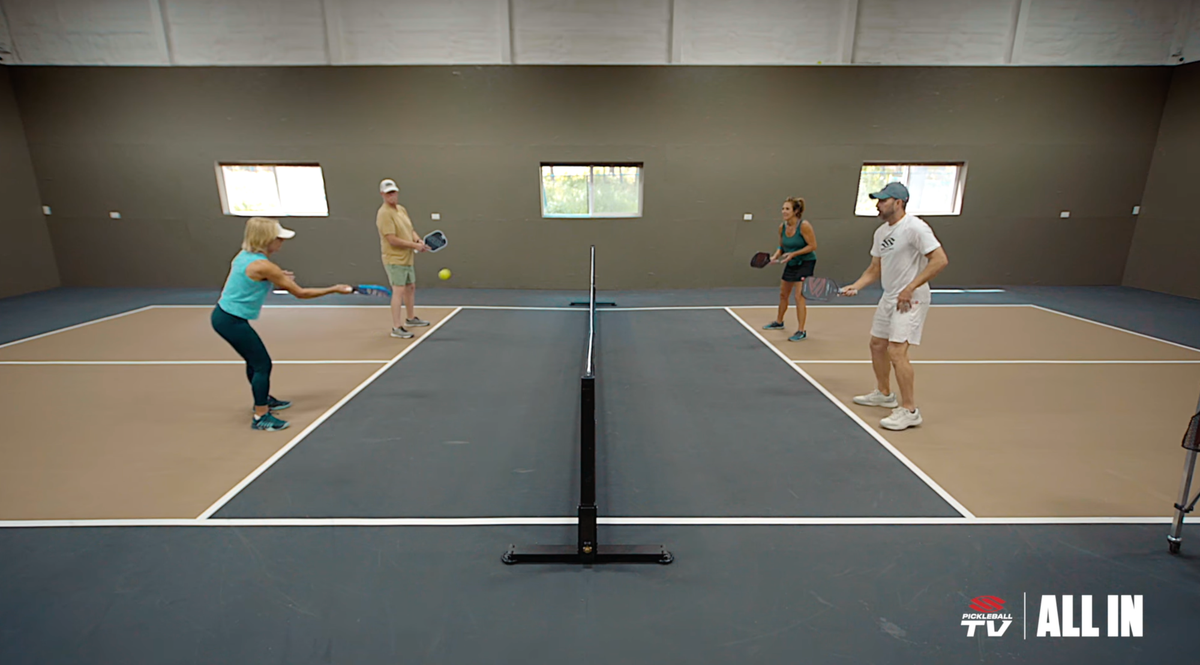
8. Hit Down the Line More Often: The Overlooked Pickleball Strategy
Most players speed up crosscourt because they have more room. Hardy argues this is backwards.
Hitting down the line catches your opponent off guard and gives you a massive advantage.
When you speed up down the line, your opponent's counter comes back down the same line. You know exactly where to expect it.
This predictability lets you set up for the next shot with confidence.
Speeding up through the middle is the worst option. It gives your opponent the most angles and the most room to work with.
Understanding directional control is one of the 6 essential pickleball shots to master for 2026 that separates good players from great ones.
 The Dink Media Team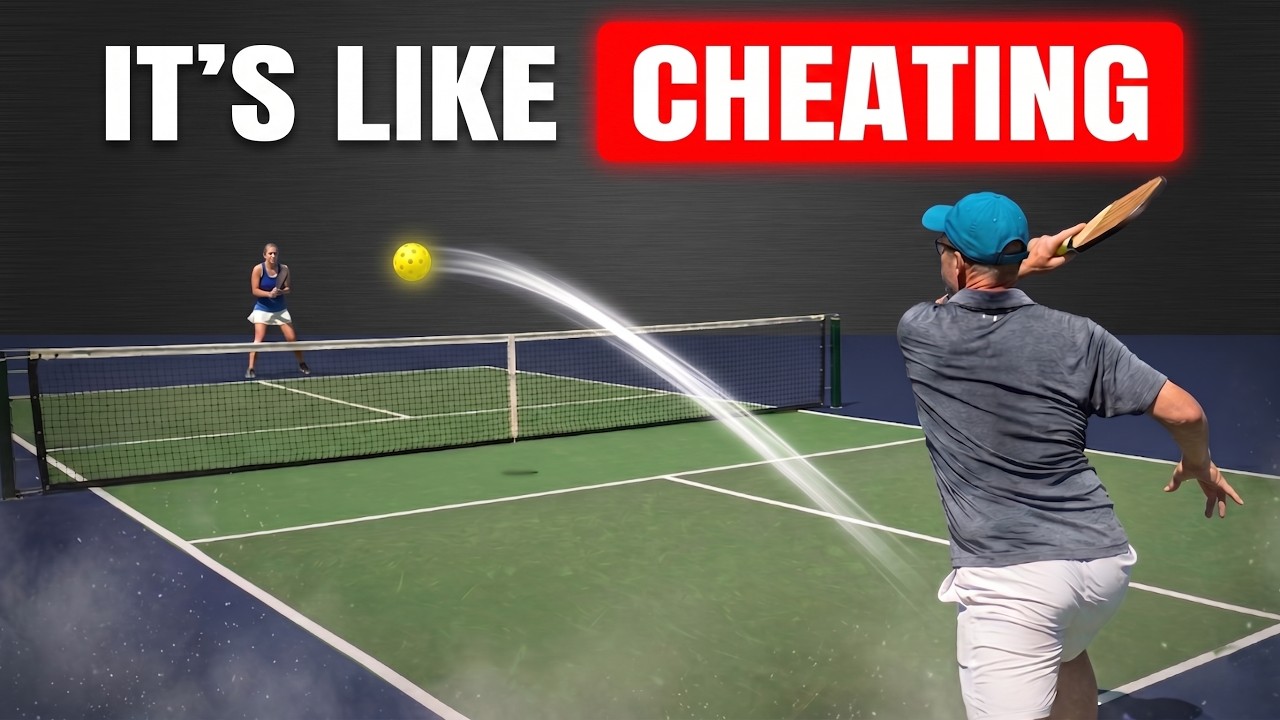
9. Shrink the Court to Improve Pickleball Consistency
This pickleball strategy comes from tennis but works beautifully in pickleball. Imagine bringing the sidelines in by five feet on both sides.
Now you're working with a 10-foot-wide court instead of 20 feet.
When you practice with this mental constraint, your actual matches feel spacious. You hit fewer wide shots because you've trained yourself to stay in the middle.
It's a simple reframing that dramatically improves consistency.
This is the kind of thinking that separates deliberate practice from just hitting balls.
Players who train with intentional court boundaries improve faster.
Hardy's approach mirrors the modern pickleball strategies winning at the highest levels in 2026.
 The Dink Media Team
10. Do Nothing Like a Boss: The Patience-First Pickleball Strategy
The final pickleball strategy might be the most important: stop going for hero shots. Hardy emphasizes placement over power and consistency over winners.
The more you can simply keep the ball in play and let your opponent make mistakes, the more points you'll win. This doesn't mean being passive.
It means being smart about when you attack.
If you have an offensive opportunity, take it. If you don't, reset and wait for one.
The players who internalize this mindset are the same ones referenced in the 25 biggest stories in pro pickleball from 2025 for playing clean, controlled, high-IQ pickleball.
Frequently Asked Questions
What Is the Most Important Pickleball Strategy for Beginners?
Serve depth is the foundation. Most beginners focus on power, but getting your serve deep into the court changes everything. It gives you time to transition and puts your opponent on their heels immediately.
How Do I Know When I'm on Offense Versus Defense in a Pickleball Rally?
If you feel comfortable and don't have to scramble toward the ball, you're on offense. If you're reaching or moving your feet awkwardly, you're on defense. Your comfort level is the clearest indicator.
Why Is the Rule of Three Such an Effective Pickleball Strategy?
It prevents overcommitting. By understanding that neutral dinks are worth one point and offensive dinks are worth two, you make smarter decisions about when to attack. This consistency wins matches.
Can I Use These Pickleball Strategies at Any Skill Level?
Absolutely. These fundamentals work from 2.5 to 5.0 and beyond. The execution gets more refined at higher levels, but the principles remain the same.
How Long Does It Take to Master These Pickleball Strategies?
Knowing them and executing them are different things. You'll see immediate improvement in your decision-making, but true mastery comes from drilling and match play. Most players see significant improvement within 4 to 6 weeks of focused practice.

Love Pickleball? Join 100k+ readers for free weekly tips, news & gear deals.
Subscribe to The Dink