Why Your Forehand Dink Keeps Getting Attacked (And How to Fix It)
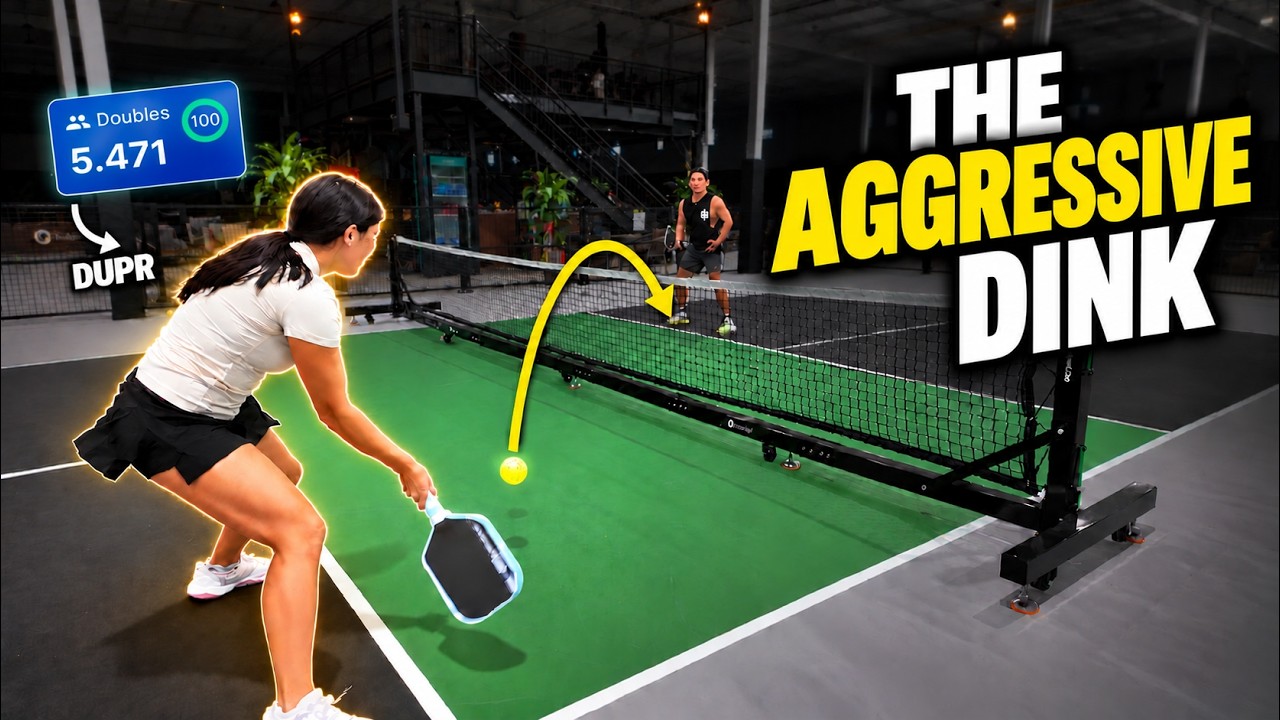
If your forehand dink keeps popping up or getting attacked, one simple positioning mistake is costing you points. Here's the fix that keeps your dinks low and your opponents guessing.
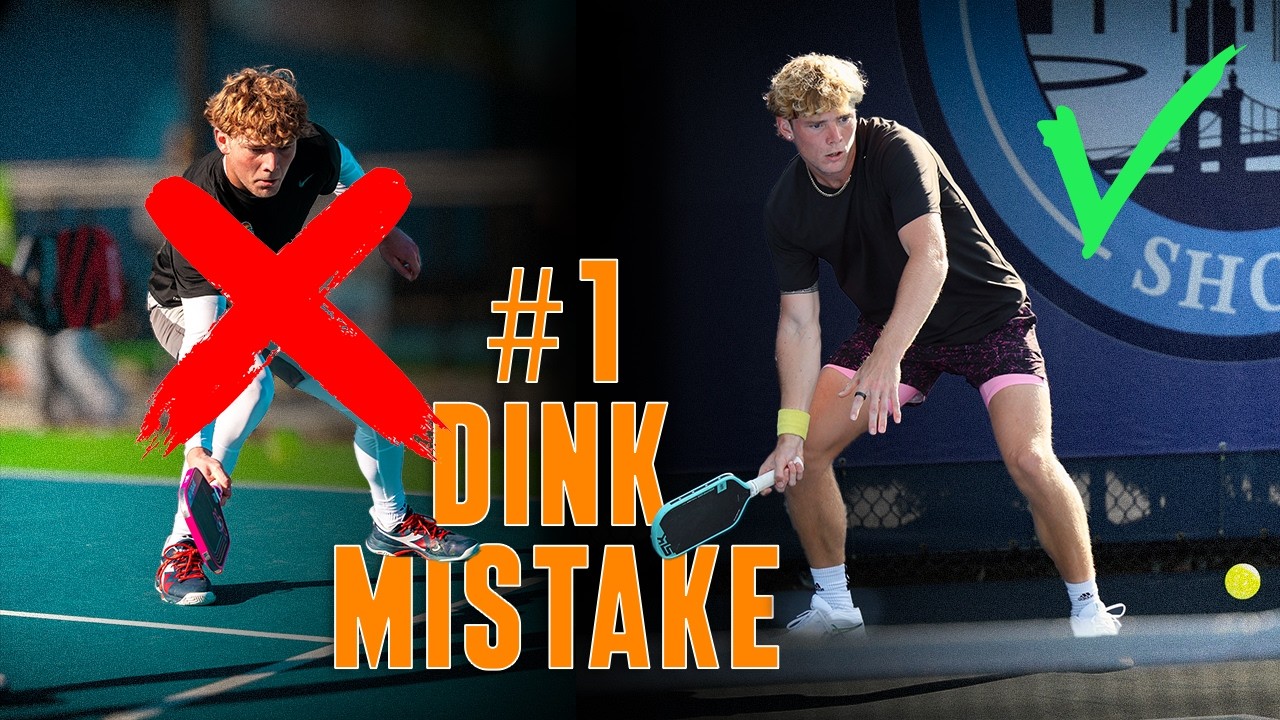
Your forehand dink is getting attacked because of where your body is, not how you're swinging.
Most players think the problem is their stroke, but the real issue happens before the paddle ever touches the ball.
When you let the ball get too far from your body, you're already in trouble.
You lose control, your swing gets defensive, and the ball floats up right into your opponent's strike zone.
This breakdown comes from Cam Luhring on YouTube, who walks through the exact positioning and technique fixes that turn a weak, attackable dink into a consistent, offensive weapon.
Here's what you need to know.
Love pickleball? Then you'll love our free newsletter. We send the latest news, tips, and highlights for free each week.
The Real Reason Your Forehand Dink Keeps Popping Up
The number one mistake is letting the ball get away from your body before you swing. When the ball is close to your body, you have control.
When you're reaching for it, you're guessing.
This is not a subtle difference. A ball that's close lets you load your arm and shoulder properly.
A ball that's far turns every dink into a defensive scramble where you're just hoping it clears the net and stays low.
Most players don't realize they're doing this because the problem looks like a bad swing.
But the swing isn't the issue. The issue is that you never got into position to hit a good shot in the first place.
If you've been struggling with this, check out these three causes of unforced errors in pickleball. Positioning is behind more mistakes than most players think.
What Does "Cutting Off the Angle" Actually Mean?
Cutting off the angle means moving your feet so the incoming ball stays in front of you and close to your body, rather than drifting wide to where you have to reach for it.
When your opponent dinks cross court and pulls you wide, your first instinct is probably to stretch and dig it out.
That instinct is wrong. Instead, move your feet toward the ball so it meets you at a comfortable contact point near your hip.
This one adjustment changes everything. Now you're hitting from a position of strength instead of a position of survival.
The footwork here is simple but specific. As soon as you read the ball going wide, take two or three quick steps to close the gap.
You're not just reaching your paddle out.
You're moving your whole body to intercept the ball at the right spot.
Think of it like a fielder in baseball who runs under a fly ball instead of backpedaling and flailing.
The player who moves their feet early always makes it look easy.
How Should You Actually Swing the Forehand Dink?
The swing is arm and shoulder, not wrist. This is the technique detail that most players miss, and it's causing the inconsistency you're feeling.
Here's exactly what the swing should feel like:
- Brush up on the ball using your arm and shoulder as the driver of the motion
- Keep your wrist quiet and in a cocked position throughout the swing
- Stay relaxed in your hand so you can feel the ball and make small adjustments
- Open your hips toward your target before you swing
- Use topspin to bring the ball down and keep it low over the net
The wrist piece is critical. Players who flick at the ball with their wrist lose control fast. The wrist adds too many variables.
Keep it locked and let the arm do the work.
Staying relaxed in your grip is just as important as anything else. A tight grip kills feel.
You want to be able to sense the contact and guide the ball, not muscle it across the net.
For more on what separates clean, controlled dinks from sloppy ones, read about these seven topspin dink keys that turn a soft shot into an actual weapon.
 The Dink Media Team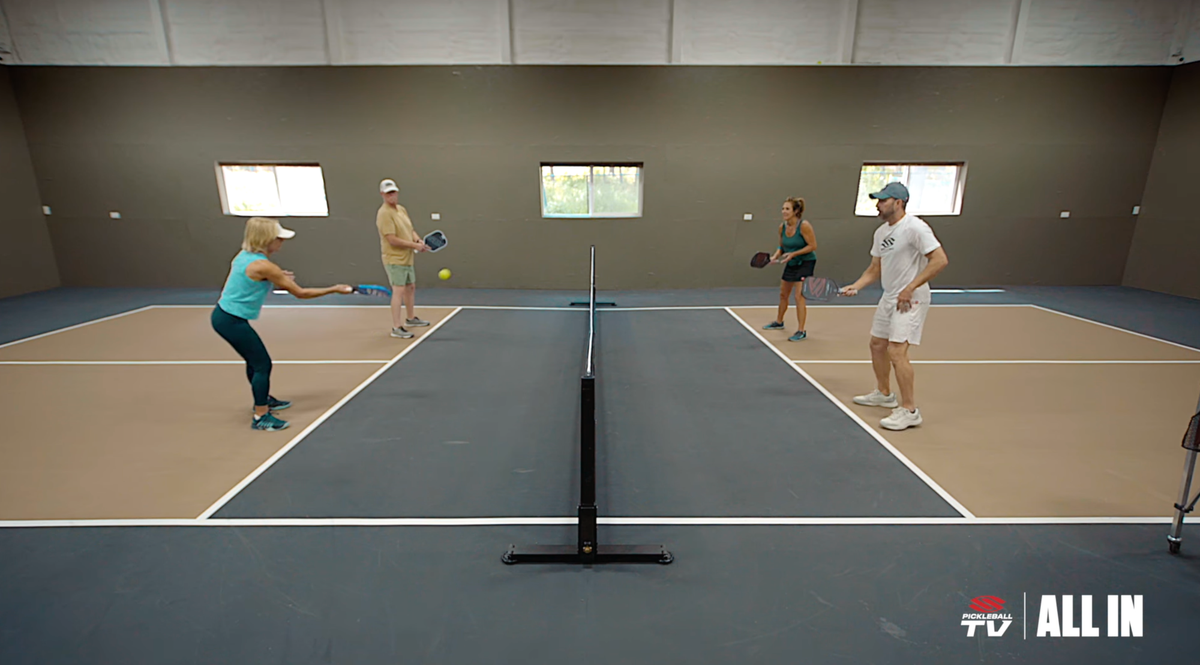
Why Do Your Hips Matter on a Dink?
Your hips control your shot direction more than your arm does.
If your hips are closed when you hit a forehand dink cross court, the shot has almost nowhere to go.
With closed hips, you're fighting your own body to get the ball cross court.
You'll either push it wide, pull it into the net, or muscle it up high where it becomes an easy attack.
With open hips pointed at your target, the cross court angle is natural. The ball wants to go where your body is facing. Your arm just guides it there.
This is one of those things that feels awkward at first but becomes automatic with drilling.
Once you train the hip rotation into your movement pattern, the shot gets dramatically more consistent.
 Zoey Weil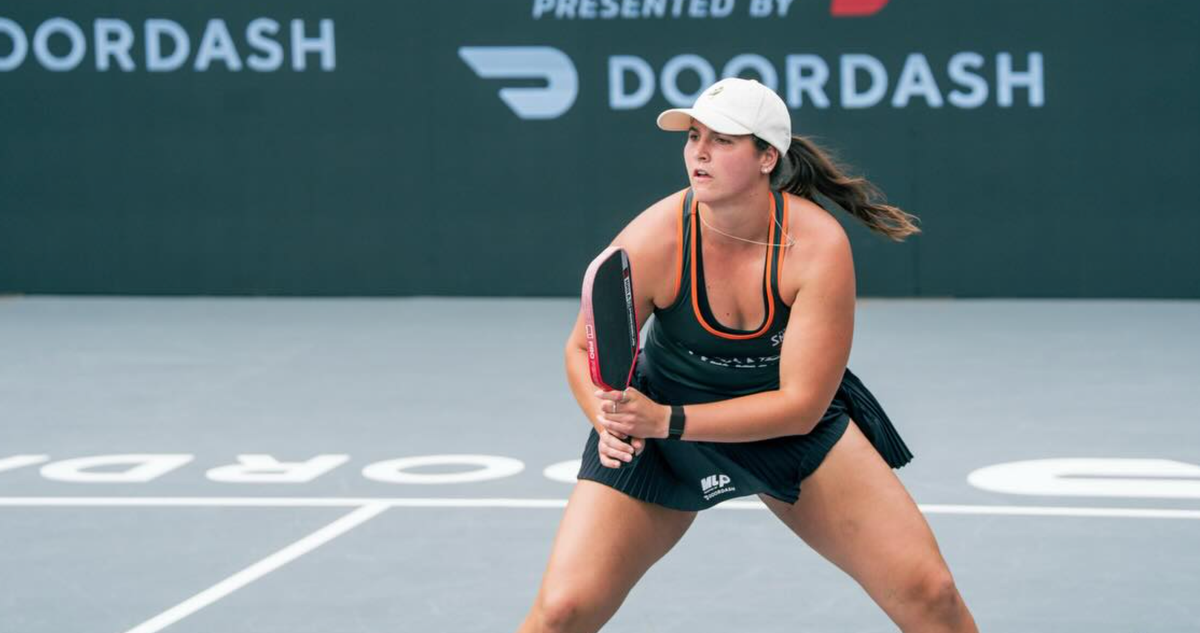
Offensive vs. Defensive Dinks: How to Know Which One to Hit
Here's the rule: ball close to your body means you can create offense; ball far from your body means you go defensive. That's it.
A lot of players try to be offensive with balls they have no business attacking.
You're reaching, your weight is on your back foot, and you're still trying to rip a topspin dink cross court. That's where the errors come from.
When you're out of position and the ball is away from your body, your job is to neutralize.
Hit a clean, low defensive dink that resets the rally and gives you time to recover your position. Don't try to be a hero on a ball you're barely reaching.
Knowing the difference between these two situations is a skill in itself.
It's about reading the incoming ball early and making a quick decision before you start your swing.
 The Dink Media Team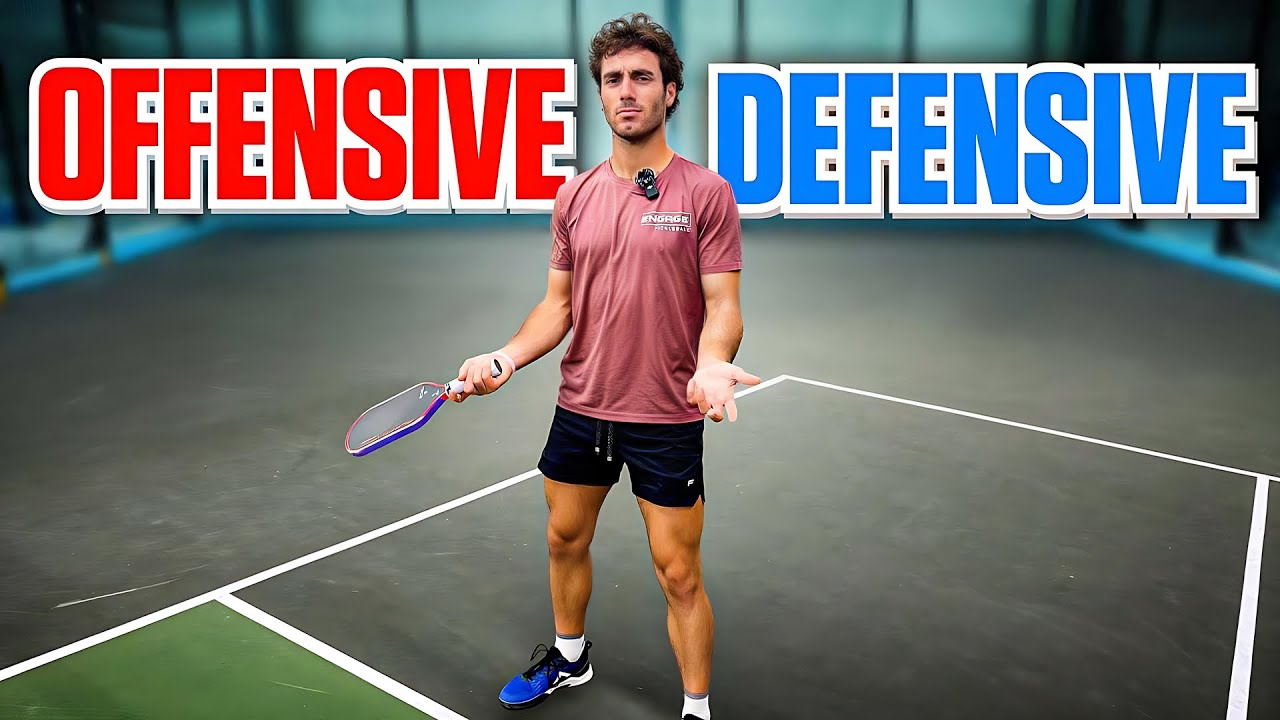
The Two Drills That Build This Skill Fast
Cam runs two specific drills in this video that target exactly the positioning and decision-making problems described above.
Both are worth adding to your next practice session.
Drill 1: Cross Court Positioning Rally
You and a partner keep a cross court dink rally going. Your only focus is cutting off the angle of every incoming ball.
Move your feet so the ball stays close to your body, open your hips, and brush up with arm and shoulder.
No wrist. Do this cooperatively at first so you can really focus on the footwork and technique.
Drill 2: Defense to Offense Transition
Your partner feeds a tough wide ball that forces you into a defensive dink.
Your job is to reset with that defensive dink, then use the next opportunity where the ball is close to your body to shift into offense.
The partner can only attack out of the air.
Everything off the bounce stays in play as a cross court dink. This drill forces you to be patient, wait for the right ball, and not force offense on a bad position.
The second drill is especially valuable because it mimics real game situations where you have to survive one ball before you can attack on the next.
That patience is something most intermediate players don't have yet.
If you want to layer in more kitchen work, these three backhand dink drills pair well with what you're building on the forehand side.
 The Dink Media Team
Don't Always Go Wide With the Offensive Dink
Once you've got the positioning and technique down, there's one more strategic layer to add. You can't always go cross court wide with your offensive dink.
If your opponent figures out that every time you get a good ball you're going wide, they'll start shading that direction and the attack becomes predictable.
Mix in balls through the middle to keep them honest.
This is how kitchen line control actually works at higher levels. Players like Tyra Black and Anna Leigh Waters aren't just executing perfect technique.
They're also varying direction so opponents can never get comfortable.
For a deeper look at how this plays out at the pro level, check out the five kitchen line secrets that make Tyra Black so unstoppable.
 The Dink Media Team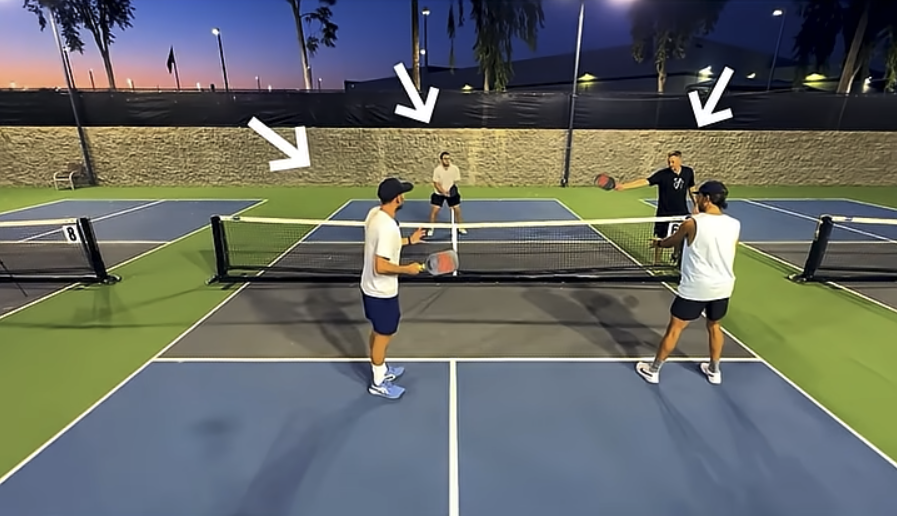
What Happens If You Skip the Positioning and Just Fix Your Swing?
You'll improve a little, but you'll hit a ceiling fast. Swing fixes only work when you're in the right position to use them.
Think about it this way.
If you practice the perfect topspin brush motion but you're still letting the ball get away from your body, the technique falls apart the moment any real pressure comes in a game.
Position first, technique second. That order matters. Get your feet moving early, cut off the angle, and then let the swing do its job.
If you want to understand how this connects to your overall kitchen game, learning how to step in on dinks is the next logical piece to work on.
And for players who want to see how the forehand dink fits into a broader offensive pattern, this breakdown of the dink patterns pros use is worth your time.
The forehand dink is not a complicated shot.
But it requires the right sequence: move your feet, cut the angle, open your hips, brush up with arm and shoulder, and stay relaxed.
Get those pieces in order and the ball stops popping up.
For players who want to see how these same principles apply to shot control across the whole court, this guide on grip and angle fixes covers the wider picture.
And if your problem extends beyond dinking to general consistency, these three habits keeping 4.0 players stuck are worth an honest look.
Frequently Asked Questions
Why does my forehand dink keep popping up?
Your forehand dink pops up when you're reaching for the ball instead of moving your feet to keep it close to your body. When the ball is too far away, you lose arm and shoulder control and the swing breaks down. Move earlier so the ball meets you at a comfortable contact point near your hip.
Should I use topspin on my forehand dink?
Yes, topspin on your forehand dink helps bring the ball down quickly after it crosses the net, making it harder to attack. Brush up on the ball using your arm and shoulder, not your wrist. This creates a controlled topspin that keeps the ball low in the kitchen.
When should I use a defensive dink instead of an offensive one?
Use a defensive dink any time the ball is far from your body and you're reaching to get it. Trying to be offensive from that position causes errors. Reset with a clean, low defensive dink, recover your position, and wait for a ball that's close enough to attack.
What does "cutting off the angle" mean in pickleball dinking?
Cutting off the angle means moving your feet toward an incoming wide ball so it stays in front of you rather than drifting away from your body. Instead of stretching your paddle out to the side, you physically reposition yourself to intercept the ball at a better contact point. This keeps the ball manageable and lets you swing with control.
Why do my hips matter when hitting a forehand dink?
Open hips pointed at your target make the cross court angle natural and easy to hit. Closed hips force your arm to fight your body's rotation, which leads to balls going in the net or floating up high. Get your hips facing your target before you swing and the shot becomes much more consistent.

Love Pickleball? Join 100k+ readers for free weekly tips, news & gear deals.
Subscribe to The Dink