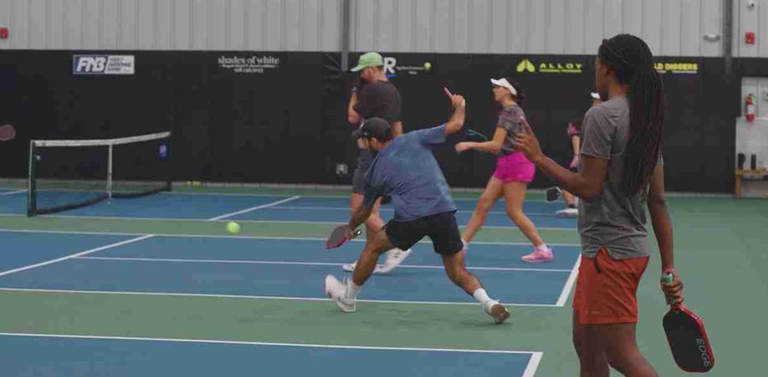


Pros do not just trade dinks and wait. They hit an aggressive dink to force a popup, then anticipate and lean in to flick the next ball for instant offense.
The aggressive dink is the shot that separates players who just trade balls at the kitchen from players who actually win points there.
Most rec players dink to keep the rally alive. Pros dink to set a trap.
Here is the exact two shot pattern the best players run again and again: an aggressive dink that forces trouble, then a fast reach to flick the ball it pops up.
Learn the sequence and you stop waiting for errors and start manufacturing them.
Love pickleball? Then you'll love our free newsletter. We send the latest news, tips, and highlights for free each week.
What Is the Aggressive Dink Pattern?
The aggressive dink pattern is a planned sequence: you hit a deep, uncomfortable dink you know will trouble your opponent, then you immediately look to attack the ball that comes back.
As APP pro and prolific pickleball content creator Tanner Tomassi contends, "hit an aggressive deep dink that they know will give the opponents trouble and then they reach and look to flick the next ball."
That is the whole thing.
Two shots, one plan. The first shot is bait. The second shot is the point.
This is different from patient, neutral dinking where you are only trying not to miss.
Here every dink is a question, and a weak reply is the answer you are hunting for.
If you want more ways to apply that pressure, these dinks that turn the kitchen into a weapon build on the same idea, and this breakdown of advanced dinking patterns shows how pros string them together.
Key 1: Hit an Aggressive Dink With a Purpose
An aggressive dink is not a harder dink for the sake of pace. It is a dink placed where your opponent cannot answer it comfortably.
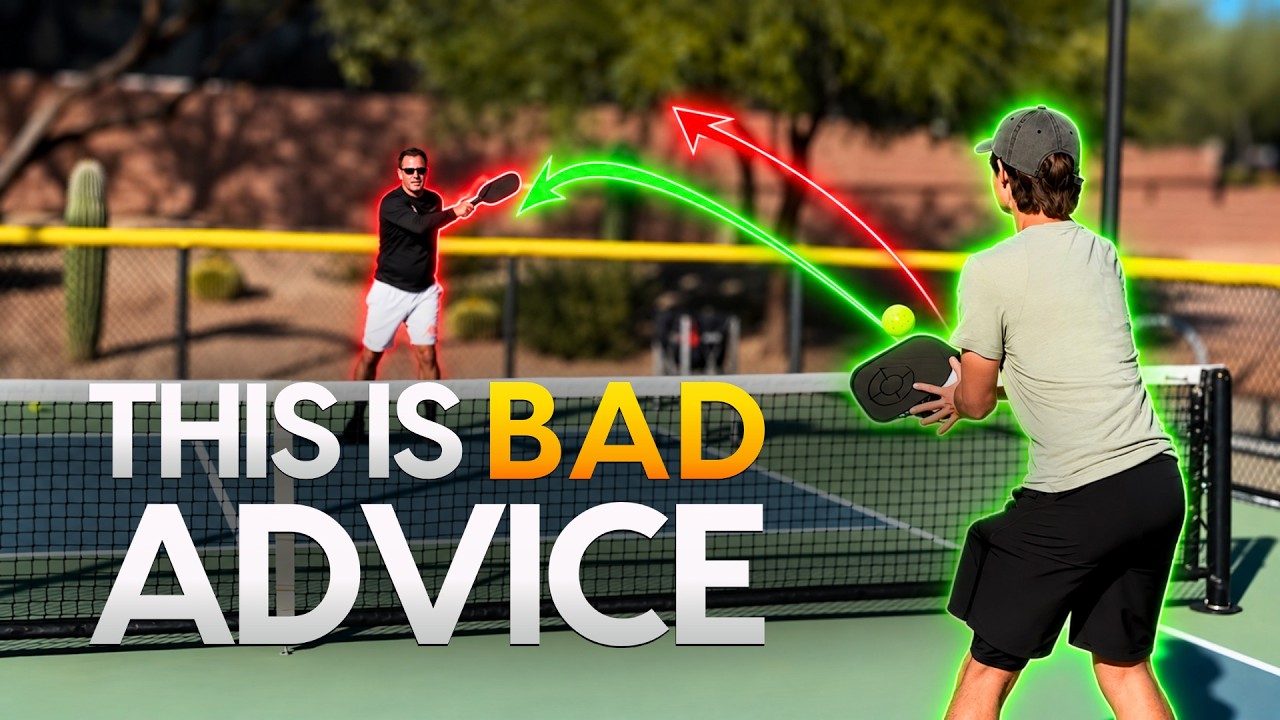
The goal is to pull a weak reply, usually a ball that sits up a few inches too high. That floating reply is the popup you are going to attack.
How hard should an aggressive dink actually be?
Hard enough to move your opponent, soft enough to stay down.
If the ball clears the net by more than a paddle height, you just handed back the same attack you were trying to create.
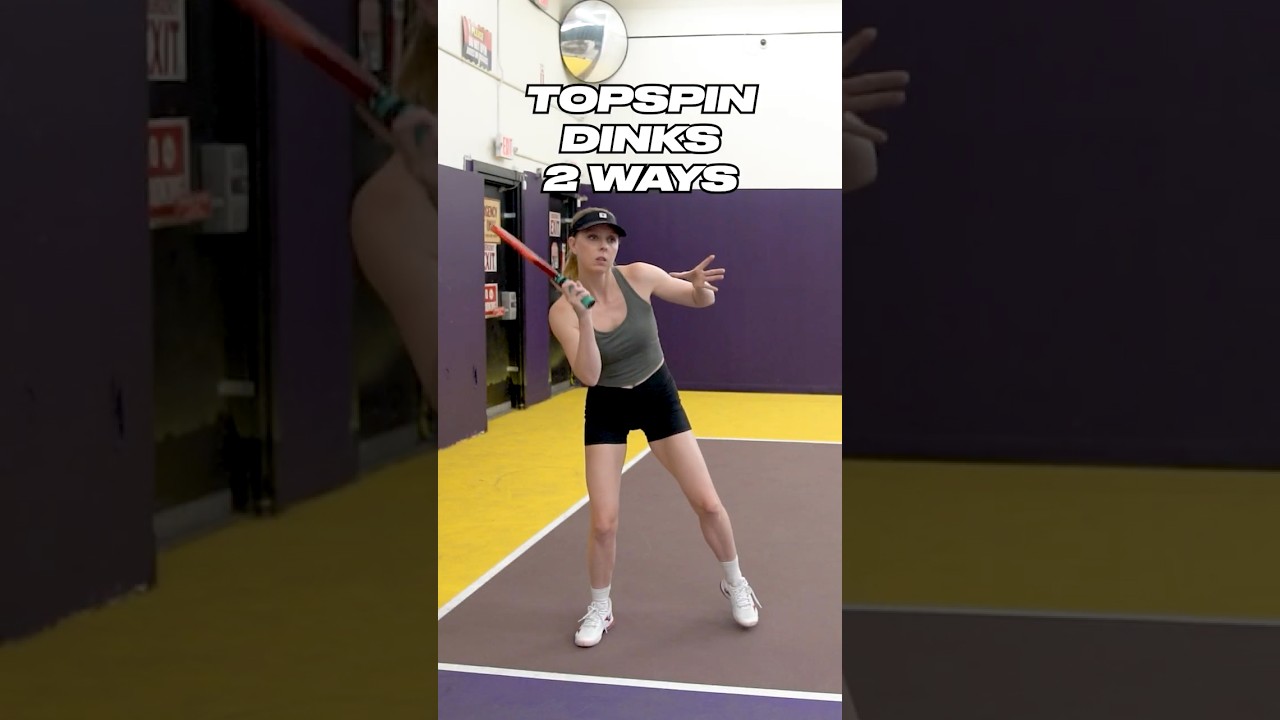
Adding a little topspin keeps the ball dropping while still carrying pace.
A well struck backhand topspin dink dives at the feet and is one of the hardest balls in pickleball to answer cleanly.
If your dinks tend to float, fix why you pop up your own dinks before you start pushing pace.
Where should your aggressive dink land?
Deep in the kitchen and off your opponent's body, most often at the outside foot or the middle seam.
Those two spots force a reach, and a reaching player almost always lifts the ball.
Key 2: Read the Court and Pick the Trouble Spot
Before you swing, know which opponent you want to make uncomfortable.
The aggressive dink works because it targets a specific weakness, not because it is loud.
Watch for the player who is off balance, the one whose paddle is low, or the one who just stretched wide on the previous ball.
Anna Leigh Waters does this relentlessly. She reads which opponent is late resetting and pours dinks into that exact spot until the popup appears.
Picking the seam between two opponents is the highest percentage version, because both players hesitate and neither commits.
When you find that soft target, keep going back to it. Choosing your spots is a big part of learning when to speed up versus when to keep grinding.
 The Dink Media Team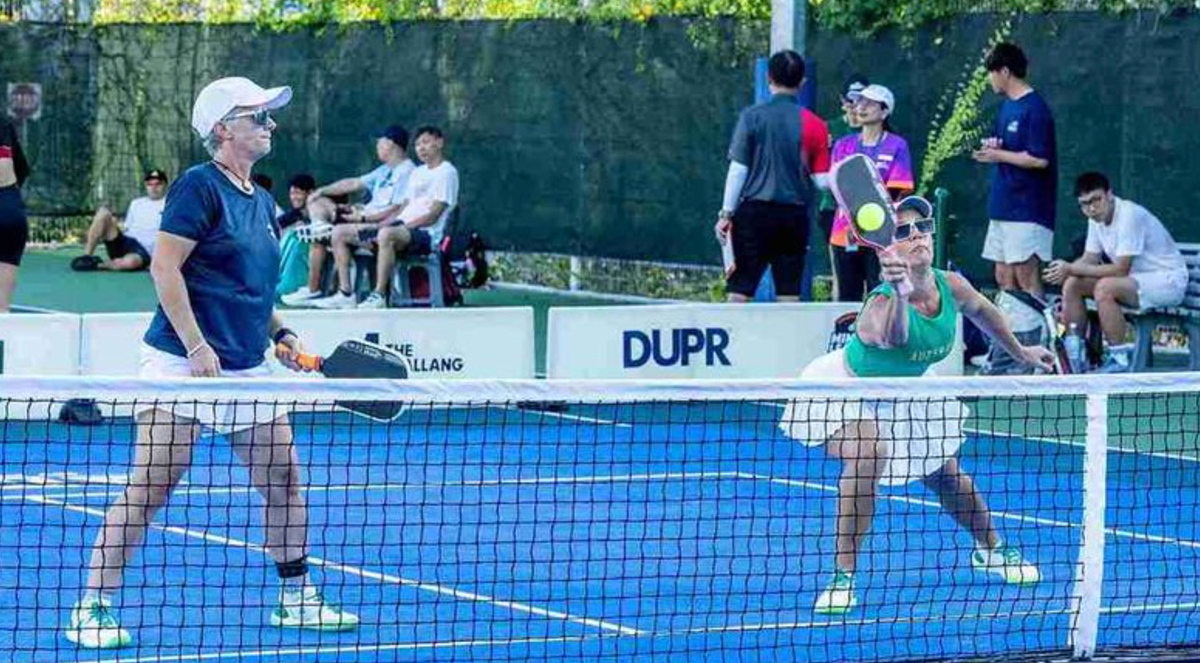
Key 3: Can You Anticipate the Popup Before It Happens?
Yes, and this is the step most players skip. The pros are not reacting to the popup. They already expect it because they know their aggressive dink was good.
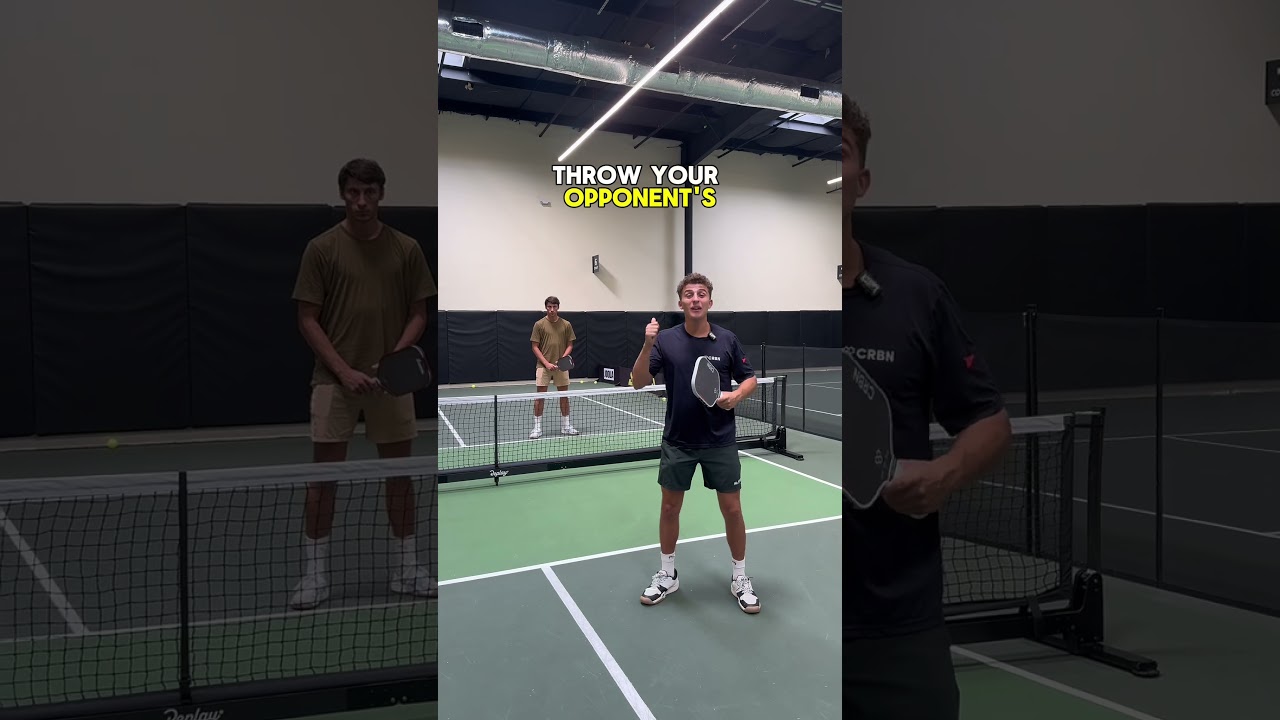
The coach in the video is blunt about it: "The trick to this shot is anticipation."
Anticipation means your brain has already decided that a good dink earns a fast next ball, so your paddle and your feet are moving before the reply even leaves your opponent's paddle.
Ben Johns is the clearest example. Watch his eyes and hands after a heavy dink and you will see him prepared to attack a full beat before the ball comes up.
If you want to train this read, our guide on pickleball anticipation and this piece on spotting a dink you can attack break down the cues to watch.
 The Dink Media Team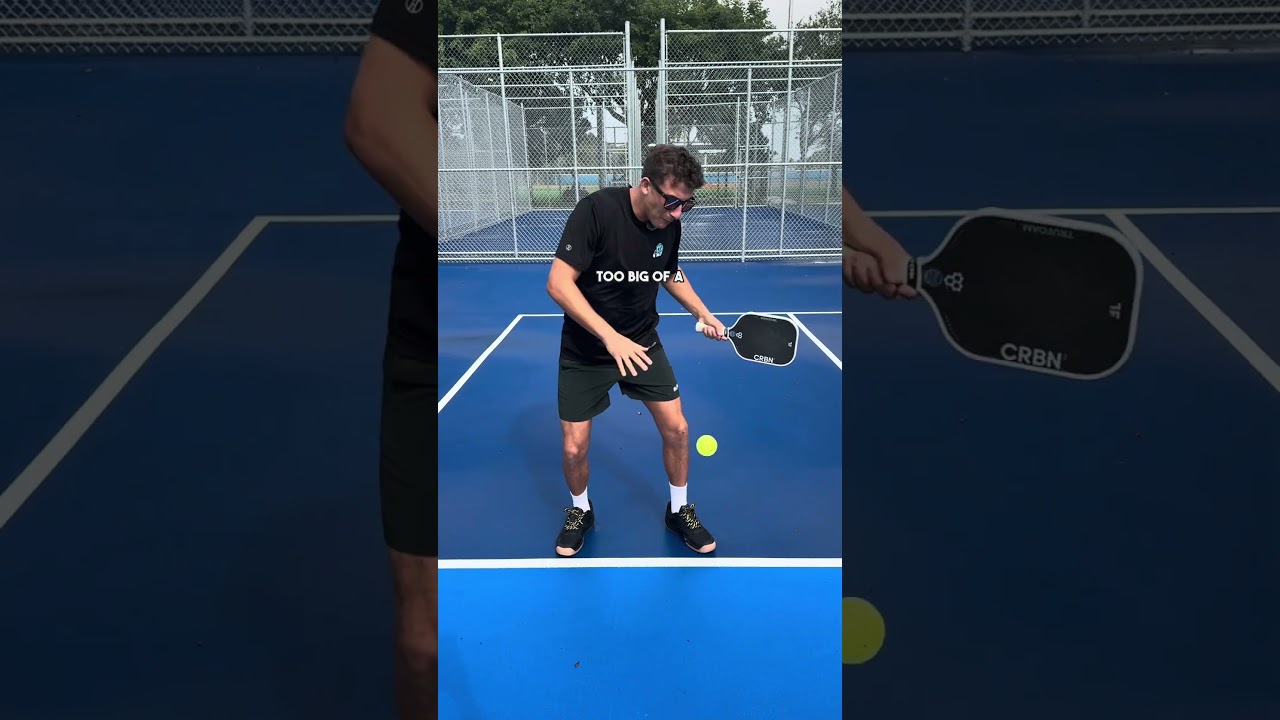
Key 4: Lean Into the Kitchen the Second You Hit
The single biggest difference between pros and everyone else is what they do right after the aggressive dink lands.
Amateurs hit a good dink and then stand up to admire it. Pros are already moving in.
Here is how the coach describes it: after hitting the aggressive dink, "the second I hit that ball, I'm leaning into the kitchen, knowing that my dink was good enough to earn me that flick."
That forward lean does two things.
It shrinks the distance to the ball so you can take it early, and it lets you meet the popup while it is still rising instead of after it has dropped.
Getting close also keeps your paddle in front, which is exactly the kitchen positioning that lets you attack without reaching.
Your footwork has to support the lean, and small, balanced steps are what let you load and fire without falling forward.
Yahoo Sports makes the same point in its reminder to focus on your footwork at the kitchen, because sloppy feet turn a great dink into a missed flick.
 The Dink Media Team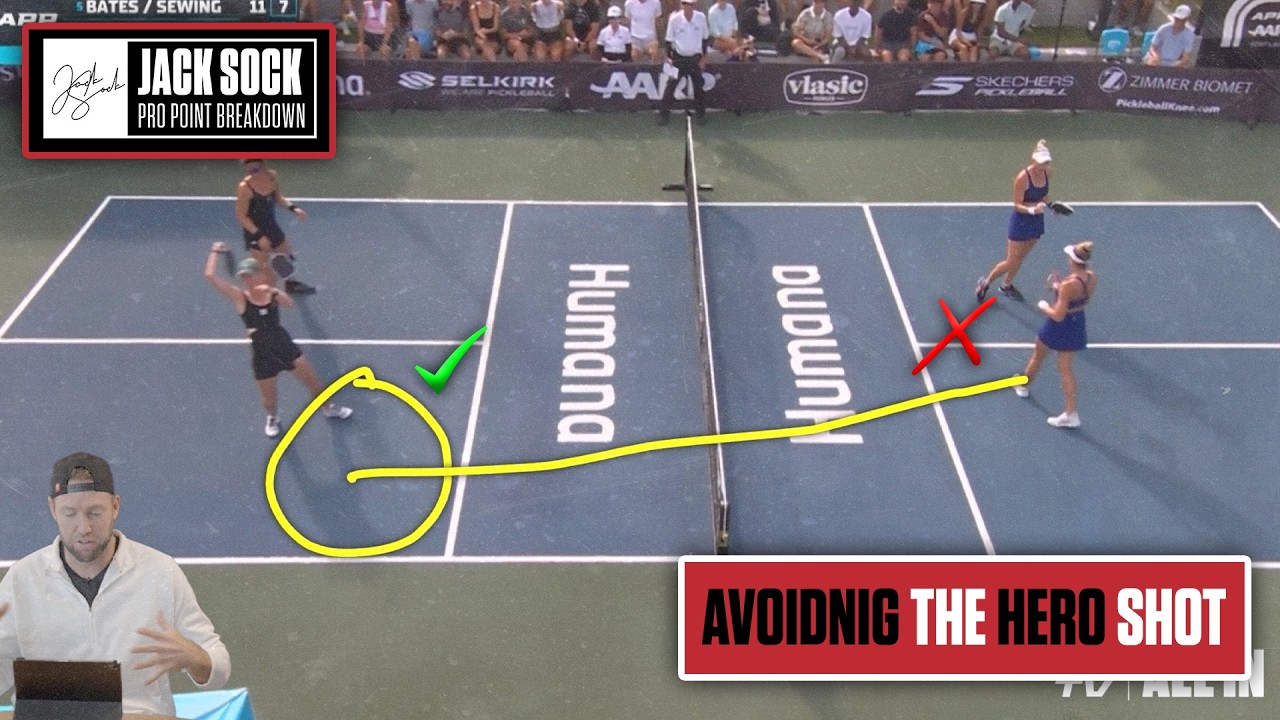
Key 5: Flick the Next Ball With Full Commitment
When the popup comes, the aggressive dink has done its job. Now you finish.
The flick is a compact, wristy attack that takes the ball out of the air and drives it down at your opponent's body or feet. It is quick, not big.
What is a flick in pickleball?
A flick is a fast, short swing, mostly from the wrist and forearm, used to speed up a ball at the kitchen without a full backswing.
It is the natural finish to an aggressive dink because the popup is already sitting up for you.
Commit fully or do not go. A half hearted flick floats and gets countered, so once you decide the ball is attackable, drive through it.
Learning to take the ball out of the air is what turns the popup into a putaway, and if your speedups keep catching the net, these backhand flick keys will clean up your contact point.
Yahoo Sports sums up the mindset well in its tip to always dink with a plan, which is exactly what the aggressive dink pattern is.
 The Dink Media Team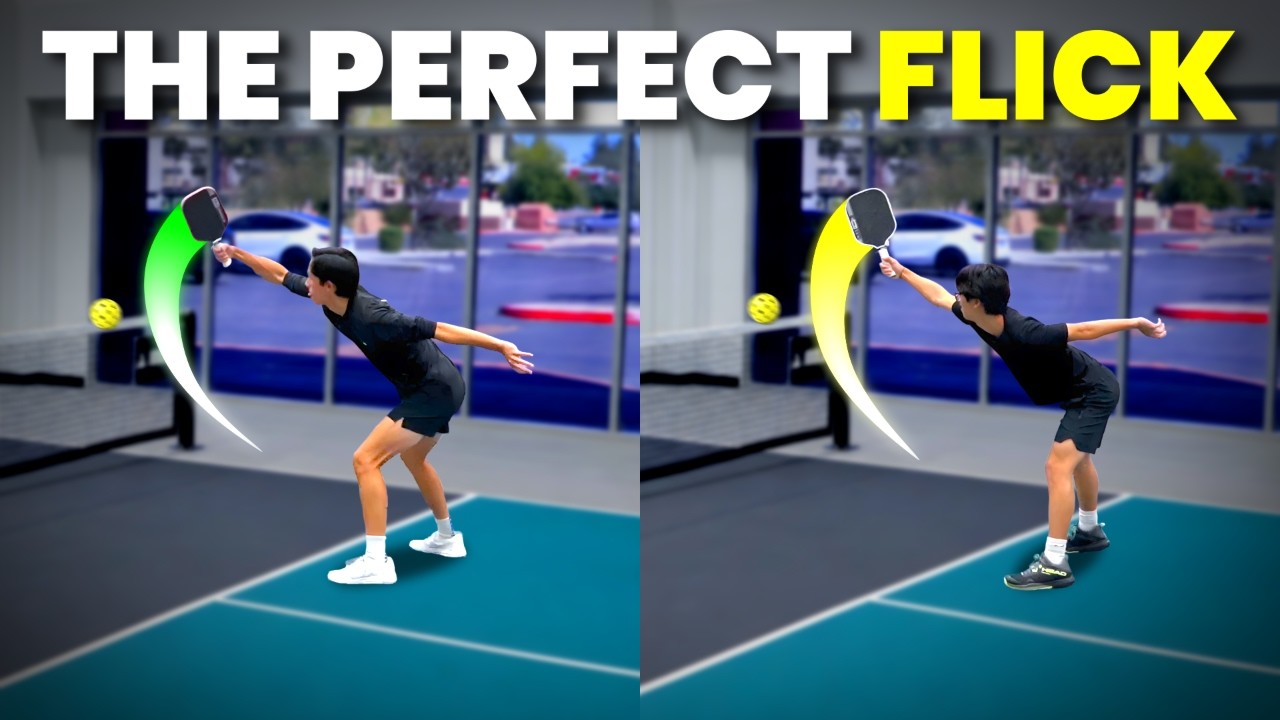
Putting the Aggressive Dink Pattern Into a Rally
String the five keys together and the sequence feels automatic. You pick a target, hit an aggressive dink into it, expect the popup, lean into the kitchen, and flick.
Run it in a live drill first. Have a partner feed dinks, pick one spot, and practice attacking every reply that sits above net height until the read becomes instinct.
The pattern rewards patience as much as aggression.
You may hit five good dinks before one earns the flick, and that is fine, because you are the one dictating the rally the entire time.
Frequently Asked Questions
What is an aggressive dink in pickleball?
An aggressive dink is a purposeful dink placed deep in the kitchen and off your opponent's body to force an awkward, weak reply. Unlike a neutral dink that just keeps the rally going, its whole point is to draw a popup you can attack.
How do I force a popup with my dink?
Target your opponent's outside foot, their body, or the middle seam, and keep the ball low with a little topspin. A reaching or stretched player almost always lifts the ball, and that floating reply is your chance to flick.
Why do pros lean into the kitchen after dinking?
Leaning in shrinks the distance to the next ball so they can take the popup early, while it is still rising. It also keeps the paddle out front, which is what makes a fast, controlled flick possible instead of a late reach.
Is a flick the same as a speed up?
A flick is a type of speed up. It is the compact, wrist driven version used to attack a ball out of the air at the kitchen line, usually off a popup rather than a low dink.
What skill level should use the aggressive dink pattern?
Solid 3.5 players and up get the most from it, because it requires dink control and a reliable hand speed. Beginners should first build consistent dinks and a repeatable flick before hunting for the attack every rally.

Love Pickleball? Join 100k+ readers for free weekly tips, news & gear deals.
Subscribe to The Dink