

Offensive vs. Defensive Dinks: Taking Full Control at the Kitchen Line in Pickleball
The difference between an offensive dink and a defensive dink comes down to spin and intent. Master this fundamental skill and you'll control the kitchen and win more points.
Here's the thing about pickleball: most players dink the ball back without a plan. They're just pushing it in play, hoping their opponent makes a mistake.
But once you understand the difference between an offensive dink and a defensive dink, everything changes.
You stop reacting and start controlling the point.
According to APP pro Richard Livornese, the key to leveling up your game is understanding when to be aggressive and when to be defensive at the net.
This isn't just about hitting harder. It's about reading the ball, understanding rally phases, and making the right choice in the moment.
Love pickleball? Then you'll love our free newsletter. We send the latest news, tips, and highlights for free each week.
The Spin That Separates the Offensive Dink From Defense
Let's start with the basics:
Topspin equals offense, slice equals defense. That's the golden rule.
When you hit an offensive dink, you're brushing up the back of the ball, creating topspin.
This shot accelerates off the bounce, taking time away from your opponent.
You're hitting it a little deeper in the kitchen because you're less worried about it bouncing. You know your opponent has to reach to get it.
A defensive dink, by contrast, uses slice or backspin. You're lifting on the ball, moving from low to high.
This keeps the ball low to the ground when it bounces. The slice sits, giving both you and your opponent time to recover. It's a safety shot, not an attacking one.
The technique for both isn't complicated. You get low, then either brush up (offensive) or lift through (defensive).
But knowing when to use each one? That's where most players struggle.
Why Rally Phases Matter More Than You Think
Here's what separates intermediate players from advanced ones: understanding that rallies happen in phases.
You're either in a defensive phase, a neutral phase, or an offensive phase. Your job is to climb that ladder one step at a time.
Never jump from defensive to offensive.
That's how you make errors.
- If you're in a defensive phase, you use slice dinking to get back to neutral.
- Once you're neutral, you use topspin to create offense.
- And once you're on offense, you keep rolling with topspin until you get a popup or dead ball you can attack.
Think of it like a tug-of-war. If your opponent is hitting aggressive topspin balls at you, you're on defense.
Think of it like a tug-of-war. If your opponent is hitting aggressive topspin balls at you, you're on defense.
You slice, you move around the ball, you try to neutralize them. You're not trying to win the point right then.
You're trying to get back to neutral so you can take your turn being aggressive.
Richard explains it this way:
"If my opponent is aggressive to me, I'm on defense. I'm going to get back to neutral. When I get those neutral balls, then I can take the offensive, create spin, and roll."
 The Dink Media Team
When Should You Actually Hit an Offensive Dink?
The ball you receive tells you everything. Two factors matter: height and pace.
When the ball is slow and bounces a little higher, that's your cue to hit an offensive dink. These are push dinks or dead dinks.
The ball is sitting up, begging you to take a swing at it. That's when you brush up, create topspin, and move forward in the rally.
When the ball is deeper and has more pace, it's lower. That's when you slice. You're in trouble, so you defend. You get that ball back in play and wait for your chance.
Here's a practical way to think about it: if you're receiving topspin, it's hard to give topspin back.
Usually, if your opponent is hitting an aggressive topspin ball, you slice first, get a neutral ball back, and then go topspin.
If your opponent gives you a slice ball, you can look to roll and create offense right away.
The cadence matters. One player is aggressive, the other is defensive.
It goes back and forth like a tug-of-war until someone gets a popup or a dead ball they can speed up and attack.
The Dink Media Team
The Technique Breakdown: How to Execute Slice vs. Topspin
Let's get specific about how to actually hit these shots, because understanding the theory is one thing. Executing it is another.
For a defensive dink using slice, you're getting low and moving from low to high.
You're lifting on the ball, creating backspin. The goal is simple: get the ball to bounce on your opponent's side and keep it low.
You're not trying to be fancy. You're trying to survive the rally.
For an offensive dink using topspin, you're still getting low, but then you brush up the back of the ball.
On a two-hander, you're coming up the back of the ball.
This is an attacking shot. You're hitting it a little deeper in the kitchen because you know your opponent has to reach.
And here's the advantage: topspin accelerates off the bounce, taking away your opponent's time.
Slice sits. Topspin accelerates. That's the difference in how your opponent experiences these two shots.
The Dink Media Team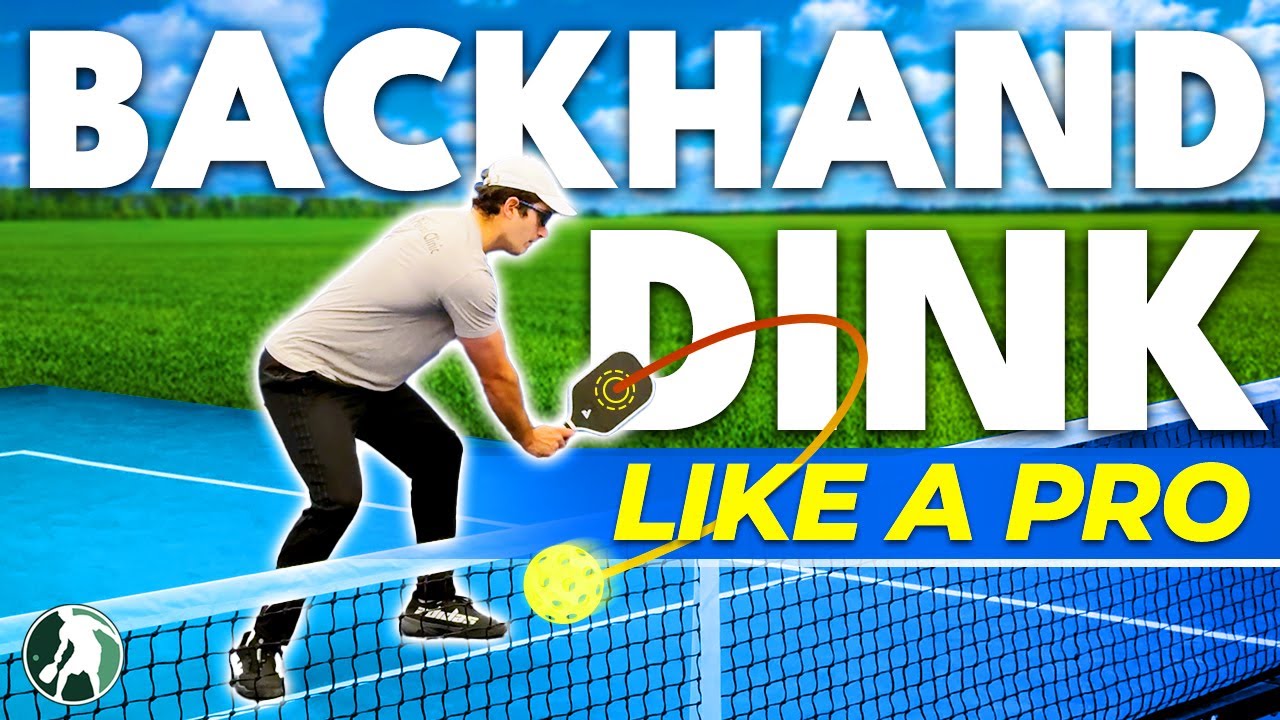
Reading the Rally: When to Attack and When to Defend
The best players don't just react. They read the rally and make a decision.
If you're in a neutral dink and you get a ball that sits up, you initiate the offensive dink. You brush up, create topspin, and now your opponent is on defense.
They have to slice, move around the ball, and try to neutralize you. They're not trying to win the point. They're trying to get back to neutral.
But here's the key: you never take your opponent's aggressive ball and hit an aggressive ball back. That's a mistake. You wait. You slice. You move.
You get back to neutral. Then, when you get a ball that sits, you go on offense.
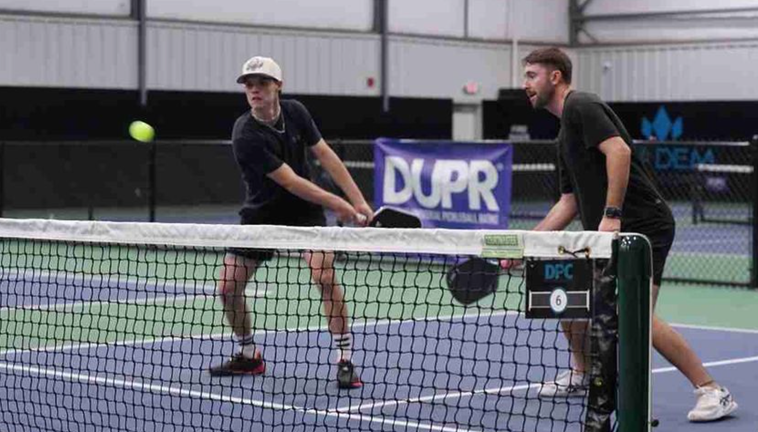
Richard demonstrates this in his video with a partner named Julian. In the first sequence, Richard initiates the topspin from a neutral dink.
Julian is forced to defend. In the second sequence, Julian initiates the topspin, and Richard slices and moves around the ball to neutralize him.
The pattern is clear: whoever is aggressive, the other player is defensive.
Smart shot decisions beat power in advanced pickleball, and this rally-phase framework is exactly why.
The Dink Media Team
The Climb: From Defense to the Offensive Dink to Attack
Understanding the full progression helps you see where the offensive dink fits in the bigger picture.
The scale goes:
- Defensive
- Neutral
- Offensive
- Attack
Your goal is always to move up one step at a time. You never skip steps.
When you're in a defensive phase, you use slice to get to neutral. When you're neutral, you use topspin to get to offense.
When you're on offense, you keep rolling with topspin. And when you get a popup or dead ball, that's when you attack.
This is why so many intermediate players plateau. They're trying to attack from a defensive position.
They're jumping two or three steps on the ladder instead of climbing one step at a time. That's how you make errors. That's how you lose points you should win.
The players who climb that ladder methodically, one step at a time, are the ones who don't make errors and create consistent offense.
The Dink Media Team
Why This Matters for Your Game
Learning when to hit an offensive dink versus a defensive dink isn't just a technical skill. It's a mindset shift.
Instead of hoping your opponent makes a mistake, you're creating situations where they have to make a mistake.
You're controlling the rally. You're dictating the pace and the spin.
You're moving them around the kitchen and forcing them into uncomfortable positions.
This is what separates players who are stuck at 3.5 from players who are climbing toward 4.0 and beyond. It's not about hitting harder. It's about hitting smarter.
Players who understand the pickleball reset already know this truth: controlling spin is the bridge between reactive and dominant play at the kitchen line.
The next time you're at the kitchen line, think about what phase of the rally you're in. Are you defending? Get back to neutral with slice. Are you neutral?
Take your chance with topspin. Are you on offense? Keep rolling until you get that popup.
One step at a time. That's how you master the offensive dink and control the kitchen.
And if you want to go deeper on topspin mechanics specifically, this complete 3-step topspin progression guide is worth your time.
Frequently Asked Questions
What is an offensive dink in pickleball?
An offensive dink is a topspin shot hit into the kitchen that accelerates off the bounce and takes time away from your opponent. You use it when the ball sits up and bounces higher, signaling a chance to shift from neutral to offensive play.
What is the difference between an offensive dink and a defensive dink?
An offensive dink uses topspin and is meant to pressure your opponent. A defensive dink uses slice or backspin, keeps the ball low after the bounce, and gives you time to recover. Topspin is for attacking; slice is for surviving.
When should I use a defensive dink instead of an offensive dink?
Use a defensive dink when the ball is coming at you fast, deep, or with pace, which usually means you're in a defensive rally phase. Your goal is to neutralize the point with slice and wait for a slower, higher ball before transitioning to an offensive dink.
How do rally phases affect when I hit an offensive dink?
Rally phases dictate your shot choice. You're always either in a defensive, neutral, or offensive phase. You use slice to climb from defensive to neutral, then topspin to move from neutral to offensive. Skipping steps and attempting an offensive dink from a defensive position is one of the most common errors recreational players make.
How can I practice the offensive dink effectively?
Drill with a partner in neutral dink exchanges. When a ball sits up, initiate the topspin offensive dink and have your partner slice to neutralize. Repeat until the decision becomes automatic. Focus on recognizing your court position and the rhythm of the exchange, not just the mechanics of the swing.

Love Pickleball? Join 100k+ readers for free weekly tips, news & gear deals.
Subscribe to The Dink