The Critical Kitchen Line Skill Most Rec Pickleball Players Are Missing
By attacking the ball in the air, you're stealing time from your opponents and shifting the dynamic of the rally in your favor
If you've been grinding on the pickleball court and wondering why you're not progressing as fast as you'd like, there's a good chance you're missing one critical skill that separates amateurs from more advanced players.
According to Tanner Tomassi, that skill is taking balls out of the air at the kitchen line, and mastering it could be the breakthrough your game needs.
Love pickleball? Then you'll love our free newsletter. We send the latest news, tips, and highlights for free each week.
Why This Shot Matters So Much
Pickleball is fundamentally a game about controlling time. You want more of it; you want your opponents to have less.
When you take the ball out of the air at the kitchen line, you're stealing time from your opponents and forcing them into reactive positions instead of letting them set up their attack.
This is why the skill is so important for amateur players. Most recreational players are content to let the ball bounce, but that gives your opponents the luxury of time to prepare their next shot. By attacking the ball in the air, you're changing the entire dynamic of the rally.
The Common Mistake That's Holding You Back
The biggest error Tanner sees amateurs make is leaning into the kitchen without the proper paddle technique.
Instead of just leaning in, you want to maximize your reach by extending your arm and paddle tip fully. Think of your paddle as an extension of your hand, not as a separate tool. This mental shift helps you stay balanced while covering more court.
The Technical Breakdown
Here's what you need to focus on when executing this shot:
- Set your paddle angle with your wrist before contact, not during it.
- Keep your wrist tight and stable throughout the motion.
- Use your shoulder to lift the ball, not your wrist or arm.
- Avoid flicking your wrist at contact; instead, bump the ball with your shoulder.
The key is treating the shot like a controlled bump rather than a swing. Your wrist stays locked in place, and your shoulder does the work. This gives you consistency and control, which is exactly what you need when you're attacking at the net.
 The Dink Media Team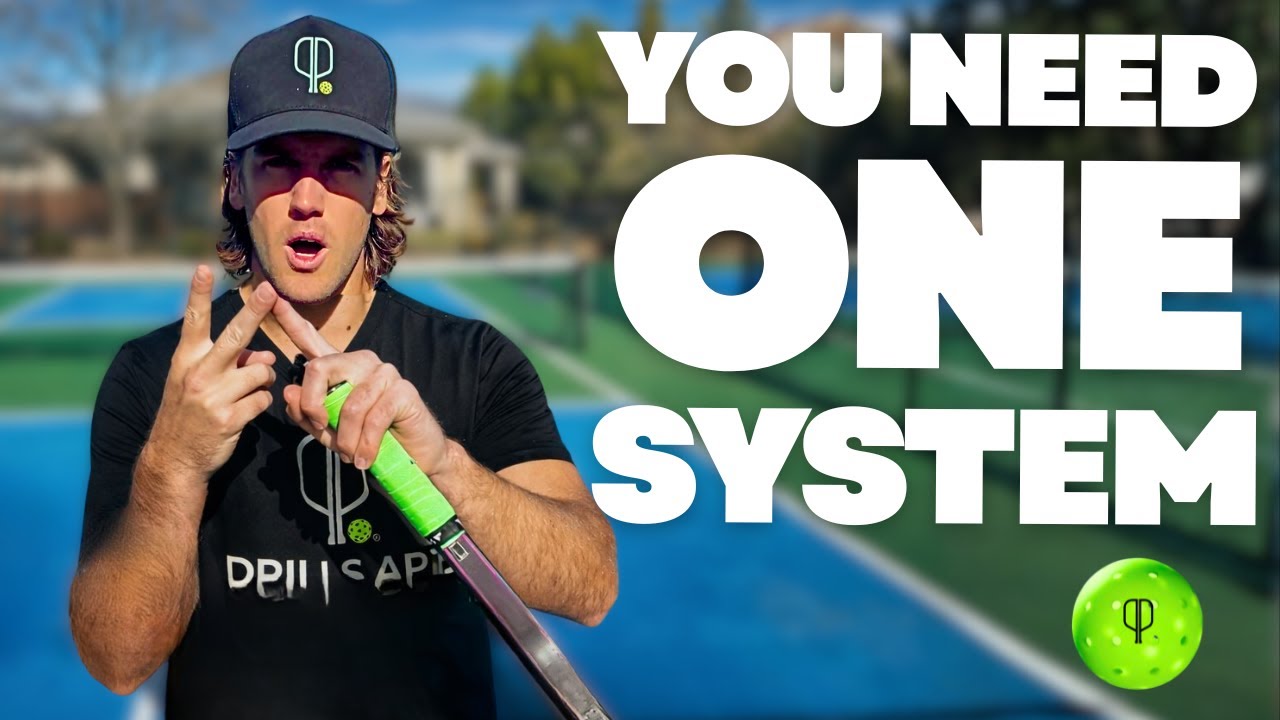
Why Your Wrist Position Matters
Many recreational players flick their wrist at contact, which introduces inconsistency and reduces your ability to place the ball where you want it.
By setting your paddle angle before the ball arrives and keeping your wrist tight, you're essentially pre-programming the shot. Your shoulder becomes the engine, and your wrist becomes the stabilizer. This approach gives you far more precision when you're attacking at the kitchen line.
Putting It Into Practice
The next time you're on the court, focus on one thing: taking at least a few balls out of the air at the kitchen line instead of letting them bounce. Pay attention to your wrist position and make sure you're using your shoulder to lift the ball.
It might feel awkward at first, especially if you're used to letting balls bounce. But once you get comfortable with the mechanics, you'll notice an immediate difference in how your opponents respond. They'll have less time to set up, and you'll be controlling more rallies.
This single skill could be the missing piece that takes your game to the next level.

Love Pickleball? Join 100k+ readers for free weekly tips, news & gear deals.
Subscribe to The DinkGet 15% off pickleball gear at Midwest Racquet Sports