
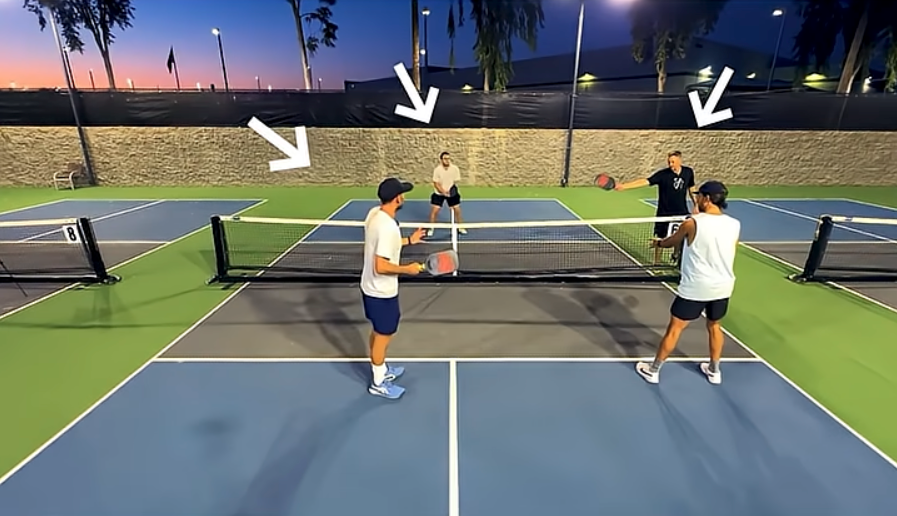
How to Stop Getting Picked On: Tactical Strategies to Escape Dinking Pressure in Pickleball
Being targeted isn't a death sentence. It's actually an opportunity to show your opponents you've got more tricks up your sleeve than they bargained for.
You know that feeling, right? You're in a doubles match and suddenly you realize the other team has figured you out.
They're hammering your backhand.
Every ball is coming your way.
Your partner's basically watching from the sidelines while you're getting absolutely worked over.
It's frustrating, demoralizing, and honestly, it happens to everyone at some point.
Being targeted isn't a death sentence. It's actually an opportunity to show your opponents you've got more tricks up your sleeve than they bargained for.
Kyle Koszuta recently broke down exactly how to handle dinking pressure in a tactical masterclass that's worth your attention.
How Dinking Pressure Starts: Understanding Why You're Being Targeted
Let's start with the obvious. If the other team is consistently attacking you, they've made a calculation.
Maybe they've identified you as the weaker player on the court. Maybe they've noticed your backhand is vulnerable. Or your forehand dinks tends to sail high. Or maybe they just know that targeting one player creates chaos and forces mistakes.
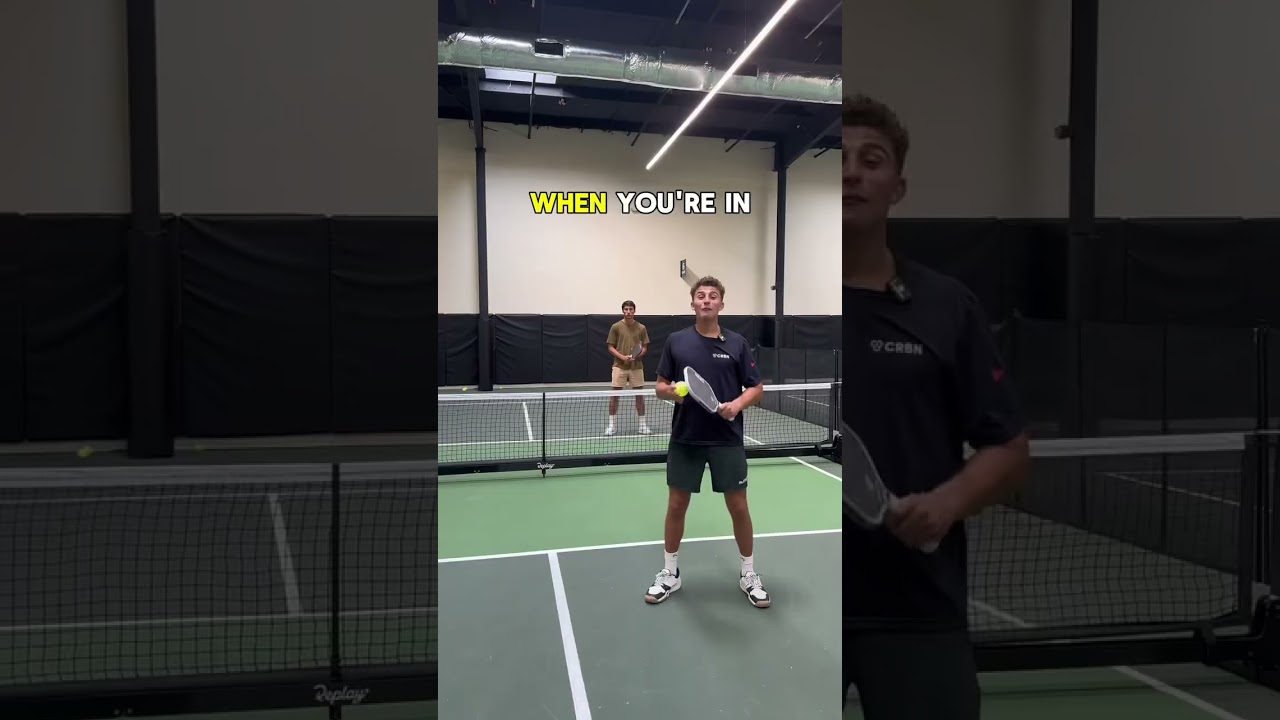
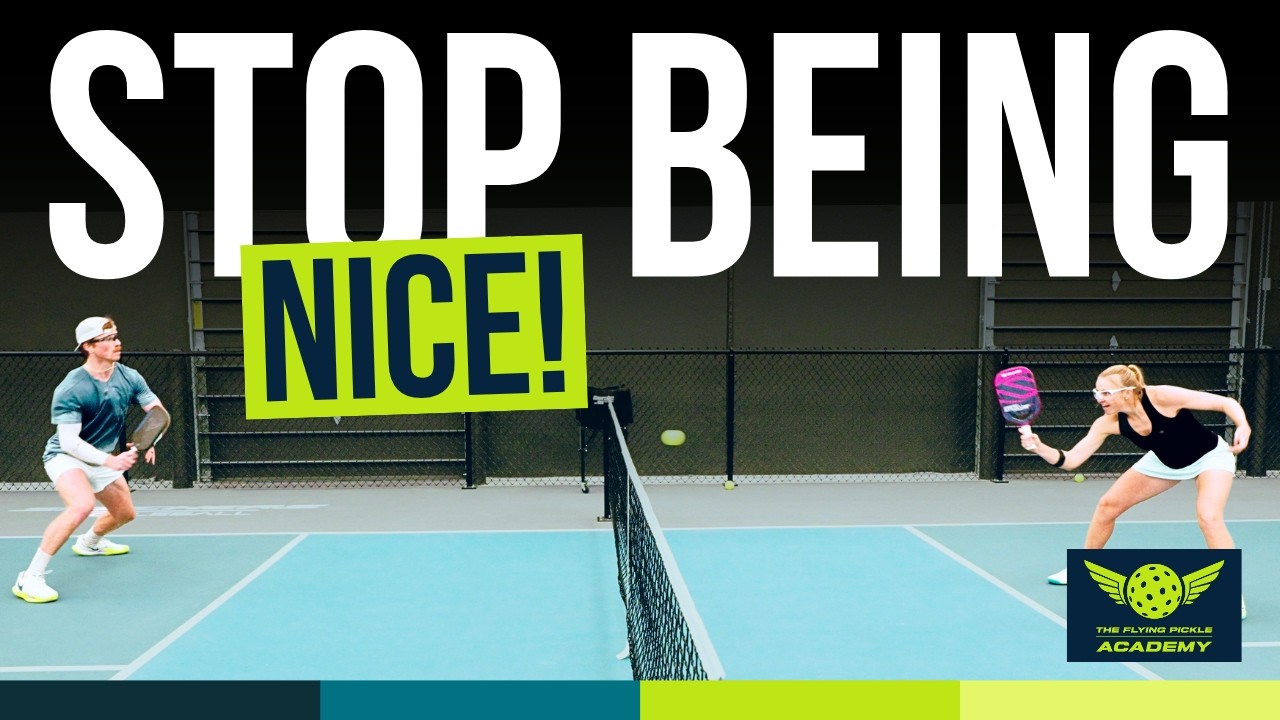
Koszuta uses a practical demonstration with his partner Tyler to illustrate this exact scenario. He's relentlessly attacking Tyler's backhand side, and Tyler's stuck in a defensive crouch, trying to keep the ball in play. Sound familiar?
The dinking pressure is real.
When you're being picked on, your options feel limited. You're reacting instead of acting. You're trying to survive the rally instead of controlling it.
That's when panic sets in, and panic leads to unforced errors.
The First Escape Route: Speed It Up to Fight Dinking Pressure
Your initial instinct might be to speed it up at the weaker player, but Koszuta points out that this isn't always the answer. If your opponents are dinking well and keeping the ball low and tight, you don't have much to attack. Speeding up a ball that's already difficult to handle just gives them another opportunity to put you away.
So what happens when the dinking is so good that the ball is basically unattackable?
You could try a lob, but if the ball is sitting right at the net, popping it up is a recipe for disaster. You're basically handing them an easy overhead.
This is where most players get stuck. They've exhausted their obvious options and feel like they're out of answers.
 Alex E. Weaver
The Middle Ball: A Trap, Not a Solution
When Koszuta asks Tyler what he'd do, Tyler suggests hitting it to the middle. It sounds logical, right? The middle of the court is the safest place to hit, and it forces your opponents to communicate.
But here's the catch: hitting to the middle doesn't actually relieve the kitchen pressure you're facing.
Koszuta demonstrates this by continuing to attack Tyler even after the ball goes middle. The pressure doesn't disappear just because you changed the direction. Your opponents can still target you.
The middle ball is a temporary reprieve, not a solution.
Escaping Dinking Pressure with the Down-the-Line Shot
Now we're getting to the good stuff. The first legitimate escape route from dinking pressure is hitting the ball down the line.
This might seem counterintuitive because down-the-line dinking is generally considered trickier than dinking crosscourt. The distance is shorter, and there's less margin for error.
But here's why it works:
When you hit it down the line, your opponent's natural instinct is to hit it back crosscourt.
Most players prefer dinking crosscourt because the net is lowest in the middle, and you have more room for error. By hitting down the line, you're forcing them to make a decision that goes against their comfort zone.
If they do hit it back down the line, you've got another option waiting.
 The Dink Media Team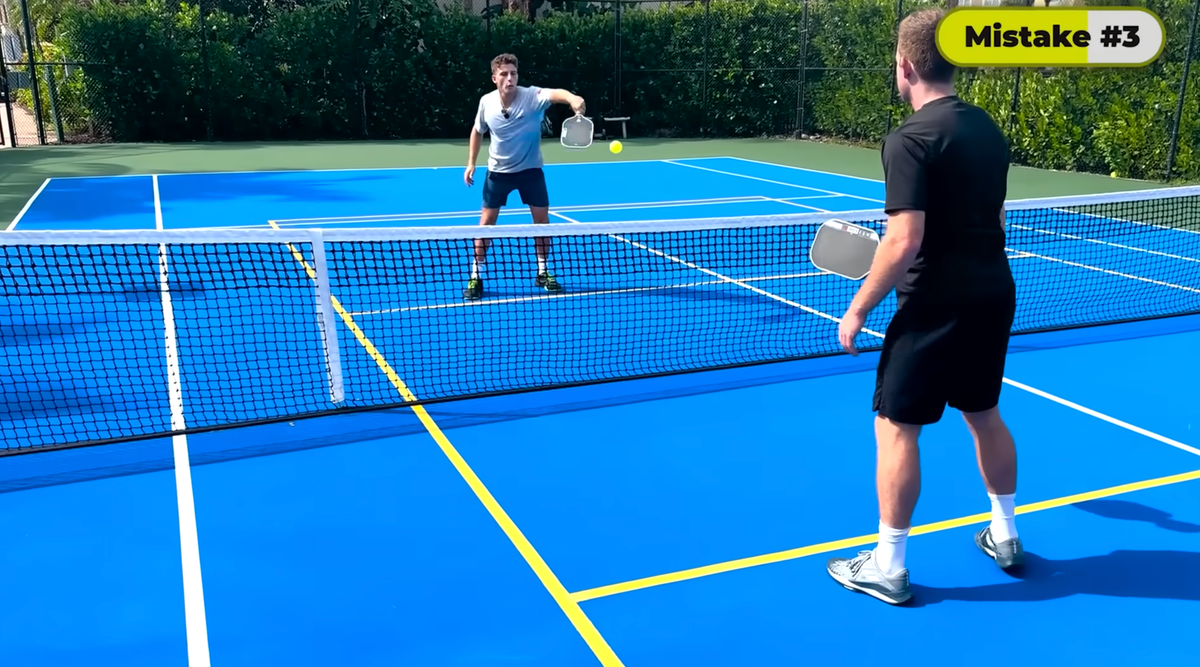
The Game-Changer: The Ernie and the Switch
Use the Ernie to Break Dinking Pressure for Good
This is where Koszuta's tactical brilliance really shines. If your opponent keeps hitting it back down the line, you can step over and hit an Ernie. This forces your opponent to hit a crosscourt dink, which means your partner is now involved in the dinking rally.
And that's the whole point. You weren't just trying to win the rally. You were trying to disrupt the pattern and get your partner back into the action.
When you hit the Ernie, your opponent is suddenly feeling kitchen pressure from three directions: you're right next to them, your partner is in front of them, and now they have to make a difficult crosscourt dink while feeling crowded.
Even if they manage to hit a good dink, your partner is now in position to attack or continue the rally from a position of strength.
The pressure has shifted. You've gone from being targeted to being the architect of your opponent's discomfort.
Why This Matters Beyond the Court
As CBS Sports has noted in its coverage of pickleball strategy, strategy and a soft touch are often more important than power in this sport, and this approach to dinking pressure is proof of that principle in action.
What Koszuta is really teaching here is the difference between reacting and strategizing.
When being targeted by your opponents, your first instinct is to panic and try to hit a winner. But the best players understand that sometimes the goal isn't to win the rally immediately. It's to shift the dynamics, involve your partner, and create a situation where your opponents have to make difficult decisions.
This is the kind of tactical thinking that separates good players from great ones. It's not about having the biggest forehand or the fastest hands. It's about understanding court geometry, reading your opponents' tendencies, and executing a plan that puts them in uncomfortable positions.
According to Yahoo Sports, the key to surviving a heated dinking rally is to pressure your opponent rather than simply reset and play defense. That's exactly what the down-the-line dink and Ernie combination accomplishes when you're facing relentless dinking pressure in doubles.
Frequently Asked Questions
What does it mean to face dinking pressure in pickleball?
Dinking pressure happens when your opponents consistently target you during a rally, forcing you to defend every shot while your partner remains uninvolved. It creates a reactive mindset that drains your confidence and leads to unforced errors.
Why is hitting to the middle not a reliable escape from dinking pressure?
Hitting to the middle during a dinking pressure situation doesn't change who your opponents are targeting, because they can simply redirect the ball back at you. The pattern stays intact and the pressure never truly shifts.
How does the down-the-line dink help relieve kitchen pressure?
The down-the-line dink forces your opponent to hit against their natural instinct, which is to dink crosscourt where the net is lower and the margin is wider. It shifts the angle of the rally and opens up your next shot, including the Ernie, which can completely change the point's dynamic.
What is the Ernie and how does it help when you're being targeted?
The Ernie is a shot where you step or jump to the outside of the kitchen to volley the ball near the net post before it crosses. Executing it after a down-the-line dink forces a crosscourt response from your opponent and brings your partner back into the dinking rally.
How do I stop being the weak player that opponents keep targeting?
The goal isn't just to survive dinking pressure but to use it strategically. By hitting down the line, setting up the Ernie, and actively involving your partner, you shift the pressure back onto your opponents and transform a purely defensive situation into an offensive one.

Love Pickleball? Join 100k+ readers for free weekly tips, news & gear deals.
Subscribe to The Dink