Five simple yet powerful pickleball drills can completely reshape how you play. These mechanics focus on consistency, footwork, and positioning to help you see immediate results on the court.
The best pickleball drill isn't always the one that exhausts you the most.
Sometimes the most transformative work happens when you slow down, focus on a single mechanical adjustment, and let your body absorb the change.
That's the philosophy behind five simple yet powerful adjustments that can completely reshape how you play the game, according to Your Pickleball Guideman, a popular pickleball education channel.
Love pickleball? Then you'll love our free newsletter. We send the latest news, tips, and highlights for free each week.
The Best Pickleball Drill for Shot Consistency: The Target Fix
Here's the thing about recreational pickleball players: most of them don't actually know where they're aiming.
When you ask them what their target was on the last shot, they'll say something like "I just wanted to get it in."
That vague mindset is exactly why so many players struggle with shot-making consistency.
The first pickleball drill focuses on something deceptively simple:
Giving every single shot you hit a clear purpose.
Before you even swing, you need to decide three things.
- First, what kind of spin are you putting on it? Top spin, under spin, or flat?
- Second, picture the trajectory. How high should it clear the net?
- Third, think about pace. How hard do you want to hit it?
Once you've set those three intentions, visualize the landing spot on your opponent's court. That's your target.
When you do this, your brain has something to measure against. You'll immediately know if you hit too high, too flat, or too hard.
This awareness turns every shot into feedback rather than just another attempt.
How This Pickleball Drill Builds Precision
Your Pickleball Guideman explains that this approach transforms your training sessions.
You're no longer just hitting and hoping. You're training your control and sharpening your precision with every rep.
2. The Elbow Push: Your Shortcut to Consistency
Most players, especially at the recreational level, have a bad habit of flipping their elbow out after contact.
It might not seem like a big deal, but that motion causes all sorts of inconsistency: net errors, high pops, and awkward mishits.
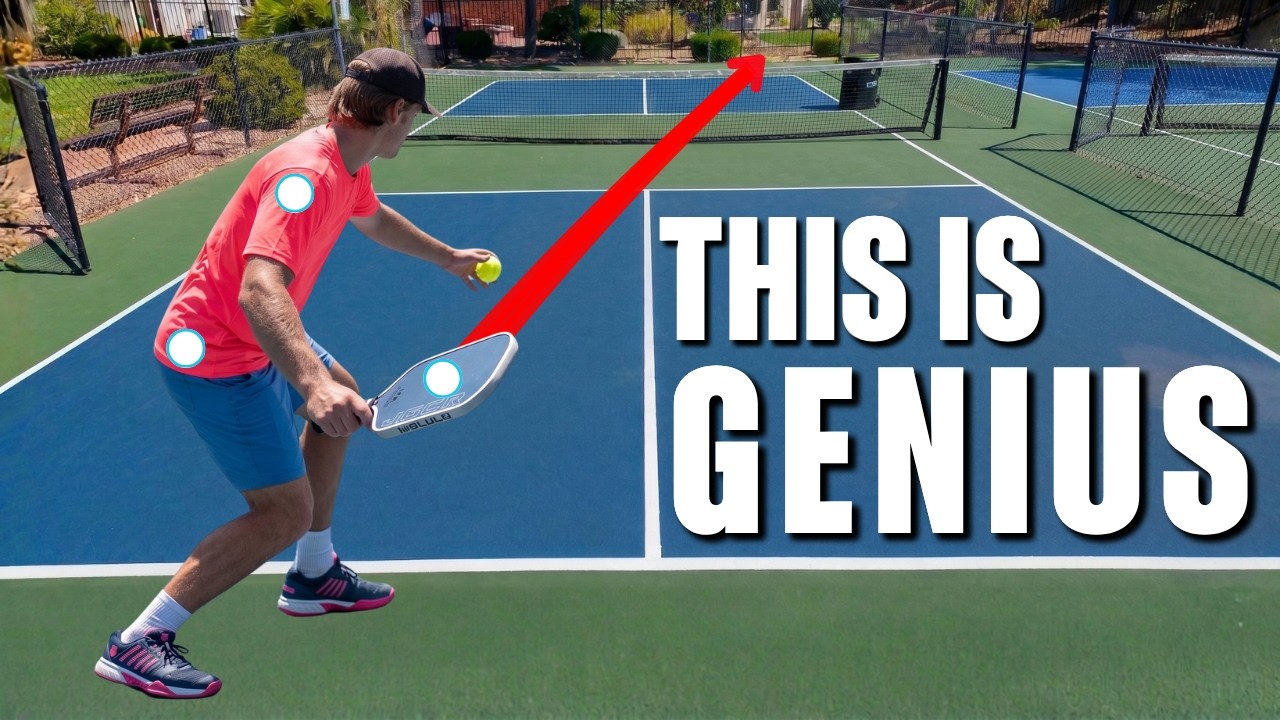
Instead of letting your elbow flip, focus on pushing your hitting elbow directly toward your target.
Wherever you want the ball to go, your elbow should be moving in that direction. If you want to hit straight ahead, your elbow extends forward.
If you're going crosscourt, your elbow pushes diagonally toward that corner.
The disconnect between body and paddle is where most errors are born.
When your elbow pushes toward your target, your contact becomes cleaner, your direction more reliable, and your shots far more controlled.
This pickleball drill is mechanical, but the results are immediate.
3. The Wrist Set: Controlling the Paddle
Your wrist is the closest link to your paddle. Even a tiny movement can change where the ball goes.
If your wrist is loose, flicking, or constantly shifting positions, your consistency disappears.
That's why you need what's called a wrist set.
The idea is simple: before every shot, set your wrist in a stable position and keep it there throughout your swing. For a forehand, that means setting your wrist slightly angled, locking it in place, and then executing the shot.
For a backhand, it's the same idea. Find your natural backhand angle, set it, and keep it steady.
Think of it like building a frame around your paddle face. Once your wrist is set, your paddle stays consistent through the ball.
The goal is that your wrist feels exactly the same at the end of your swing as it did at the start. That stability is what gives you control.
Running This Pickleball Drill Without Letting the Wrist Wander
You'll be amazed how much more solid your dinks, drops, and drives feel once you stop letting your wrist wander.
It's a small adjustment that adds big-time reliability to your game.
The Split Step Pickleball Drill: Getting Ready for Anything
Even if your strokes are perfect, it won't matter if your body isn't ready to react.
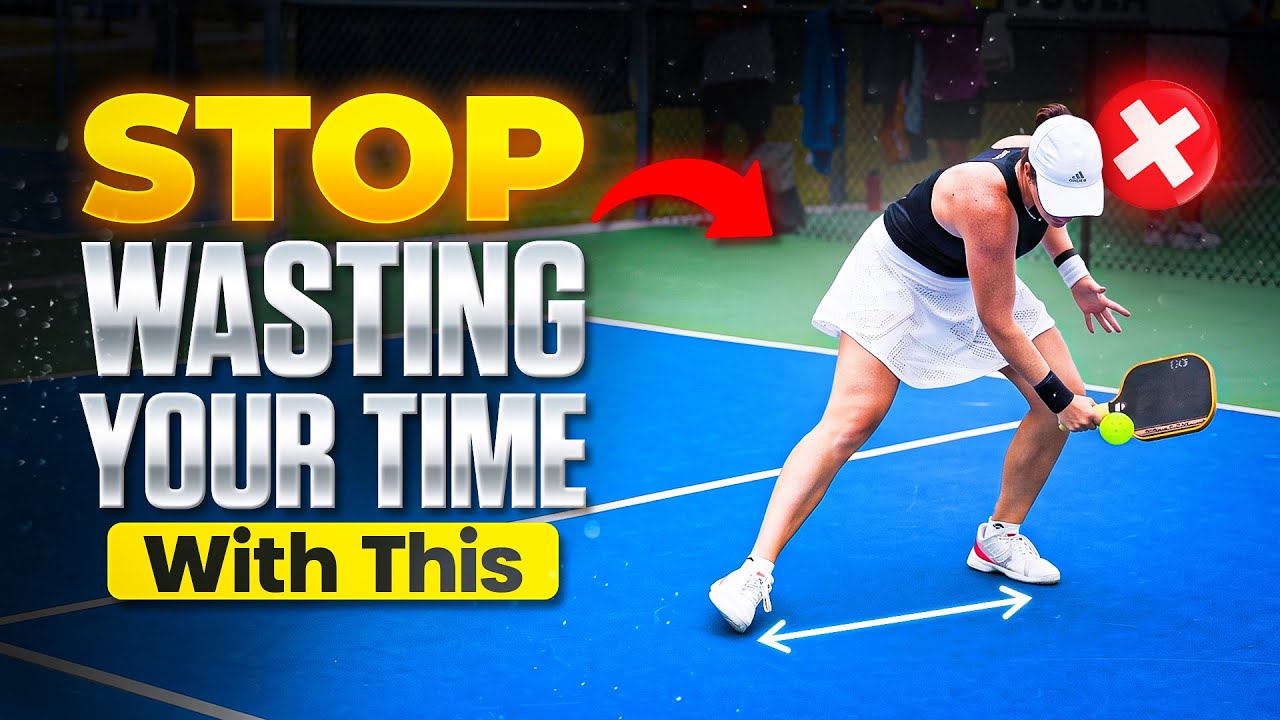
The split step is one of the most overlooked movements in pickleball, yet it's the foundation of quickness and balance.
Here's how it works: every time your opponent is about to hit the ball, you should be landing softly on the balls of your feet, knees slightly bent, legs loaded like springs.
That split-second timing prepares your body to move in any direction the instant the ball comes off their paddle.
Without a split step, you're always reacting late. You might reach, lean, or even get stuck flatfooted.
But when you time your split step correctly, right as your opponent makes contact, you're balanced, centered, and explosive.
You can move left, right, forward, or backward instantly.
Timing This Pickleball Drill Correctly
The key is timing. Too early and you'll lose momentum. Too late and you'll still be in the air when the shot comes at you.
Focus on syncing your landing with your opponent's contact.
Once you build that habit, you'll notice how much smoother your transitions feel and how much faster you seem without actually running harder.
5. Getting Behind the Ball: The Feel vs. Real Lesson
One of the most powerful concepts in all of pickleball improvement is getting behind the ball.
It sounds simple, but most players don't realize how often they're reaching to the side instead of positioning themselves correctly.
This is where the idea of feel versus real comes in.
What you think you're doing often isn't what's actually happening.
Players might believe they're lined up perfectly, but in reality, the ball is off to their side, making their shots weaker and harder to control.
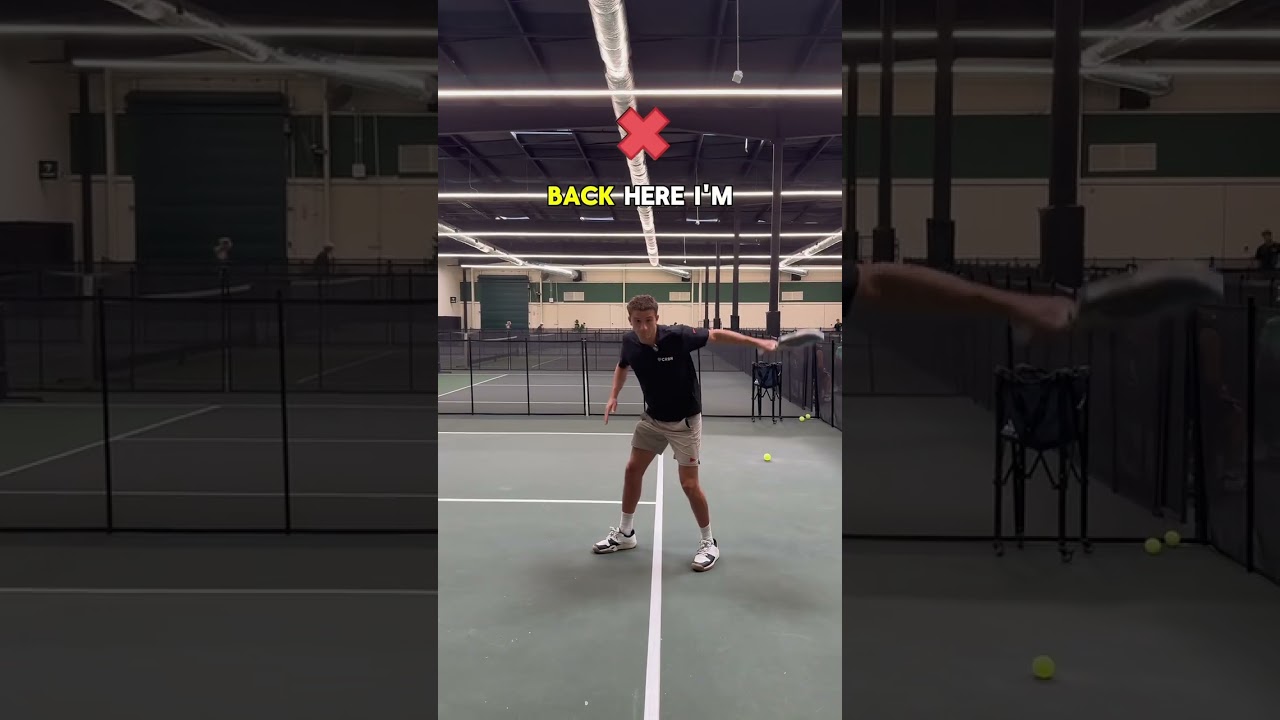
A great way to fix this is by exaggerating your alignment. Imagine every ball is coming straight down the middle of your stance.
For both forehands and backhands, picture the ball traveling between your feet before you swing.
This exaggeration forces you to move your feet, shuffle behind the ball, and make contact in front of your body.
Once you start practicing this pickleball drill, you'll feel a major difference. Your dinks become cleaner, your drops land softer, and your drives stay more accurate.
You're no longer reaching. Your court positioning is solid. And that small change instantly adds power, control, and confidence to your game.
Bringing It All Together
Becoming a better pickleball player isn't just about logging endless practice hours.
It's about learning to think differently and refine your habits. The target fix gives your shots purpose.
The elbow push aligns your swing with your target. The wrist set stabilizes your control.
The split step prepares your body to react instantly, and getting behind the ball ensures clean, consistent contact every time.
These five mechanical habits work together, not in isolation.
When you put these five ideas into play, you'll feel like you've unlocked a higher level of the game.
You'll move with more purpose, hit with more confidence, and start noticing how much easier pickleball feels when your body and brain are working together.
Frequently Asked Questions
What's the best pickleball drill for beginners?
The target fix is the best place to start because it requires no special equipment and works immediately. Simply decide on spin, height, and speed before every shot, then visualize your landing spot. This mental framework transforms your consistency without requiring any physical conditioning.
How often should I practice these pickleball drills?
You can incorporate these adjustments into every practice session and match. They're not separate drills that require dedicated time; they're mechanical and mental habits that layer into your existing game. Even 15 minutes of focused pickleball training on one adjustment per session will show results within a week.
Can these pickleball drills help my competitive ranking?
Yes. These adjustments address the most common errors that hold recreational players back: poor shot selection, inconsistent contact, and slow footwork. Players who master these mechanics typically see immediate improvement in their win rate because they're hitting cleaner shots and making fewer unforced errors.
Do I need special equipment for these pickleball drills?
No. All five adjustments are mechanical or mental. You only need a paddle, a ball, and a court. Some players find it helpful to film themselves to check their elbow position or wrist angle, but that's optional.
How long does it take to see results from these pickleball drills?
Most players notice improvement within one to two practice sessions. The target fix and wrist set produce the fastest results because they're purely mechanical. The split step and getting behind the ball take slightly longer because they require building new muscle memory, but consistent pickleball training over a week or two will cement these habits.

Love Pickleball? Join 100k+ readers for free weekly tips, news & gear deals.
Subscribe to The Dink