
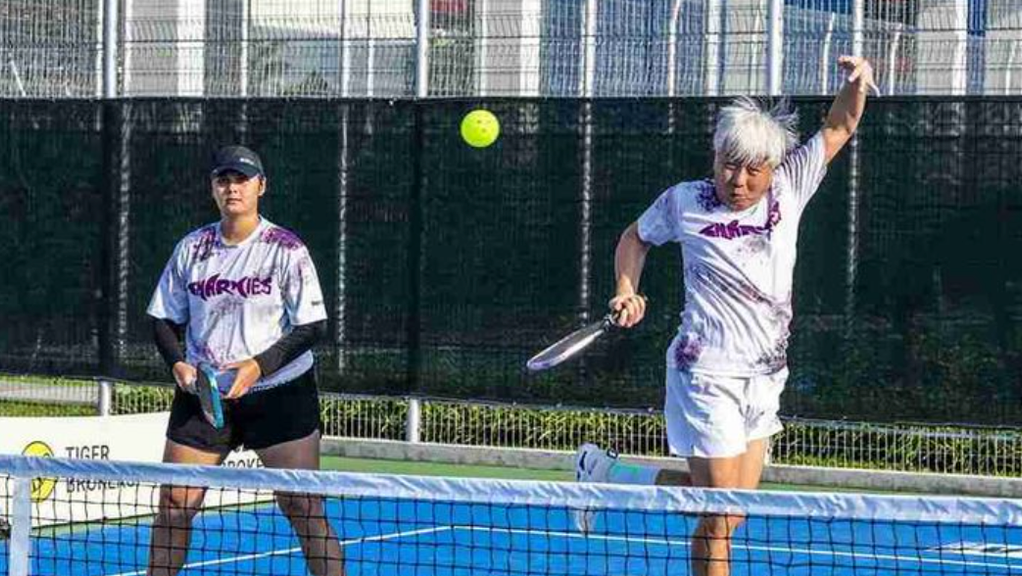
Why Can't I Control Pickleball Shots? Blame Your Grip and Paddle Angle
If you keep asking why you can't control pickleball shots, the answer usually starts with your grip and paddle angle, not your swing. Fix those two fundamentals and your shot control improves almost overnight.
Every rec player has screamed some version of "Why can't I control pickleball shots!" into the void after watching a routine dink sail three feet long.
It's the exact plateau these 3.0 to 3.5 tips are built to fix. It feels random. It isn't.
Here's the thing. Shot control almost never comes down to talent, and it rarely comes down to swing speed.
When you ask why can't I control pickleball shots, the honest answer comes down to two unglamorous mechanics: how you hold the paddle, and what angle the face sits at on contact, the same fundamentals covered in making opponents hit the harder shot.
Get those wrong and you can drill for hours without one extra ball landing in.
This isn't a hot take. A 2025 review in the Journal of Sports Sciences on racket sport control found that paddle face angle at contact was a stronger predictor of shot accuracy than swing velocity across recreational and intermediate players.
Translation: you don't need a faster arm, you need a smarter angle.
Love pickleball? Then you'll love our free newsletter. We send the latest news, tips, and highlights for free each week.
So Why Can't I Control Pickleball Shots in the First Place?
Short answer: your grip is probably too tight, too western, or both, and your paddle face arrives at contact wide open or slammed shut instead of neutral.
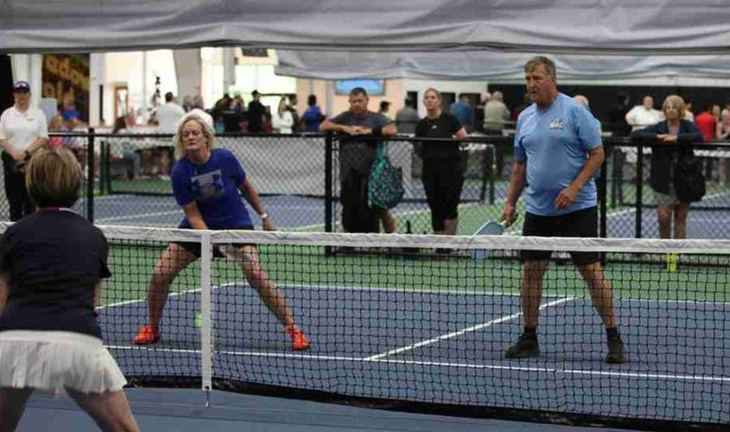
Those two errors compound right as you set up at the kitchen line.
A bad grip makes a repeatable paddle angle nearly impossible, and a bad angle makes even a perfect grip useless.
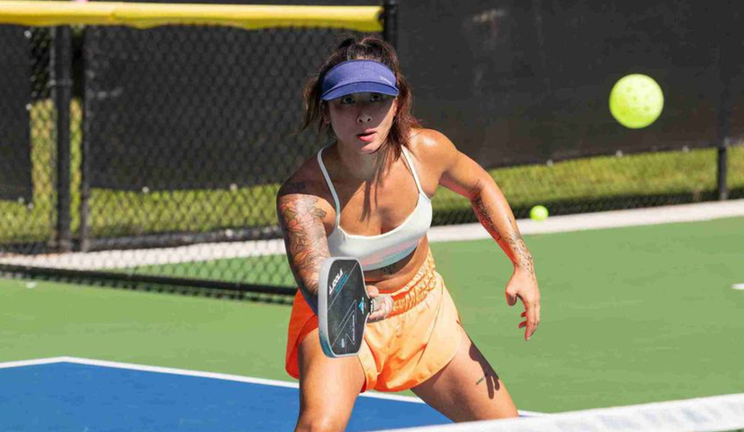
Think of it this way. Your paddle face is the only part of the equation the ball actually touches.
Everything else, your footwork, your split step, your return positioning, only sets up that one moment of contact.
If the face is off by ten degrees, the ball goes long, wide, or into the net regardless of how clean your prep was.
Grip Pressure
Most players are gripping the paddle like they're trying to strangle it, the same overhitting instinct behind bad power shots.
Grip pressure should sit around a 4 or 5 on a 10 point scale, firm enough to prevent twist on contact but loose enough for your wrist to absorb pace.
A death grip locks your wrist, and a locked wrist turns every incoming ball into a rebound instead of a controlled shot.
Here's a simple gut check. If your forearm feels tired after ten minutes of dinking, grip pressure is too high. Elite players talk about "soft hands" for a reason.
A serve grip built on the continental foundation gives you a neutral starting point for forehand and backhand without a full regrip mid rally.
The Paddle Angle Secret Nobody Explains Right
Direct answer up front: paddle angle is the difference between a ball that dies in the kitchen and one that flies past the baseline, the same margin that separates a clean response to the perfect drop from a rushed error.
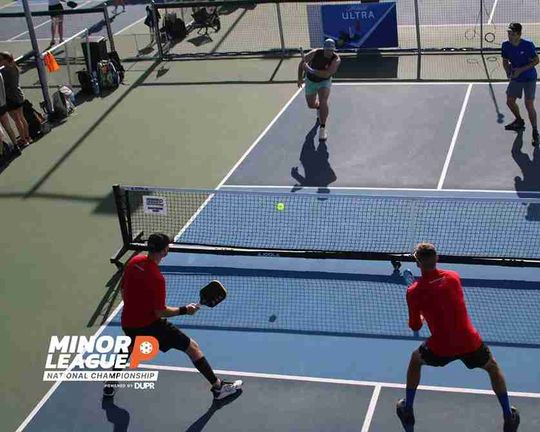
Open the face too much and you pop the ball up. Close it too much and you drive it into the net.
Neutral, with a slight upward tilt on soft shots, is the target for almost every shot at the non volley line.
Paddle Prep
Here's the catch. Paddle angle isn't something you fix in the split second before contact.
It's set during prep, well before the ball arrives, the same way mid court positioning sets your options before you swing.
If your paddle face is already tilted wrong when your forward motion starts, no last second adjustment saves the shot.
Prep the paddle face at the angle you want the ball to leave on, then let your body deliver it there without changing the face mid swing.
This single adjustment fixes more control problems than any drill.
Watching how JW Johnson sets his paddle early on unconventional dinks is a great visual reference for this exact idea.
 The Dink Media Team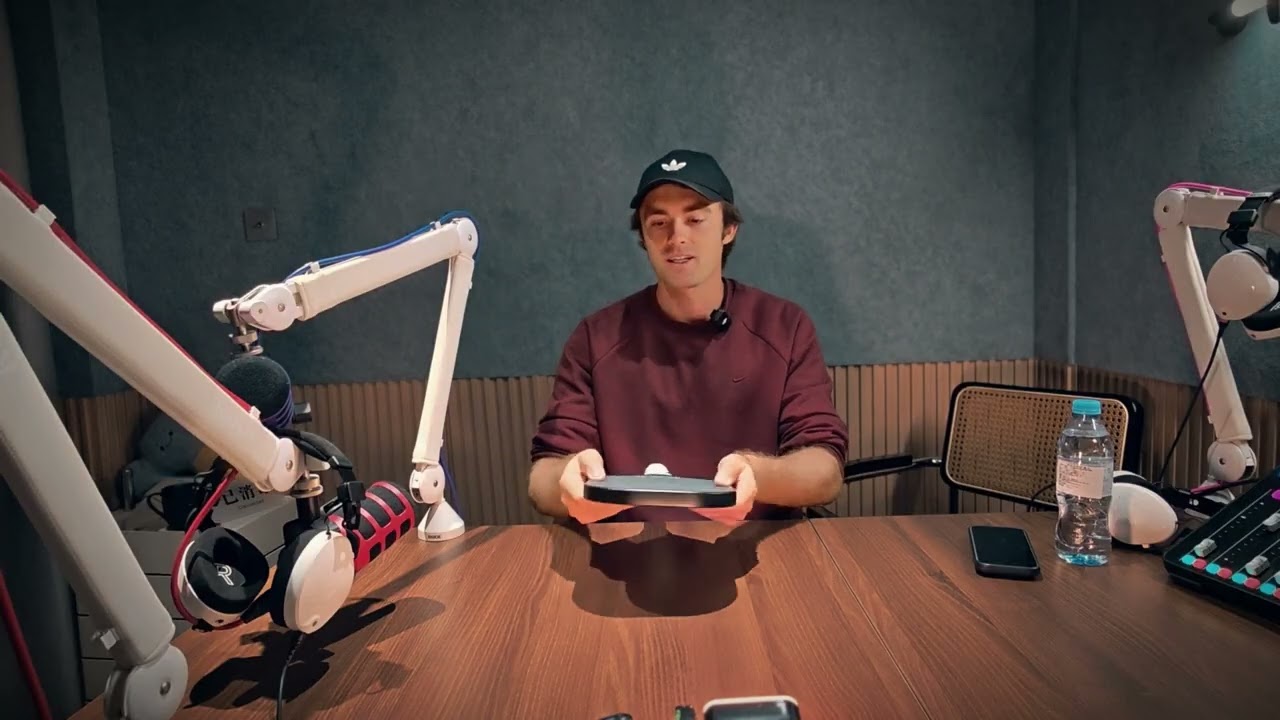
How Paddle Angle Changes Shot by Shot
Paddle angle isn't a fixed setting. It shifts depending on the shot, and understanding those shifts is what separates a 3.0 player from a 4.0.
- Dinks need a slightly open face with a soft, upward brushing motion. You're not pushing the ball, you're guiding it. Drilling the hardest dinking patterns forces you to hold that angle under pressure, not just in a relaxed rally.
- Third shot drops demand a slightly more open face and a longer, slower path so the ball arcs and dies in the kitchen. If you're still fighting this shot, comparing the drive versus the drop on your fifth shot shows how small angle changes shift the trajectory.
- Drives flatten the face closer to neutral, sometimes even slightly closed depending on target. Speed matters here, but angle still governs whether that speed lands in or sails long. A quick look at proper drive technique makes the difference obvious on video.
- Backhands are where paddle angle problems show up loudest, because most players naturally roll the face open on that side. A backhand volley reference clinic is worth studying for how the wrist stays quiet through contact.
Honestly, once you categorize shots by the angle they require, control stops feeling like luck.
That's the same shift covered in beginner fundamentals most intermediate players skipped early on.
 The Dink Media Team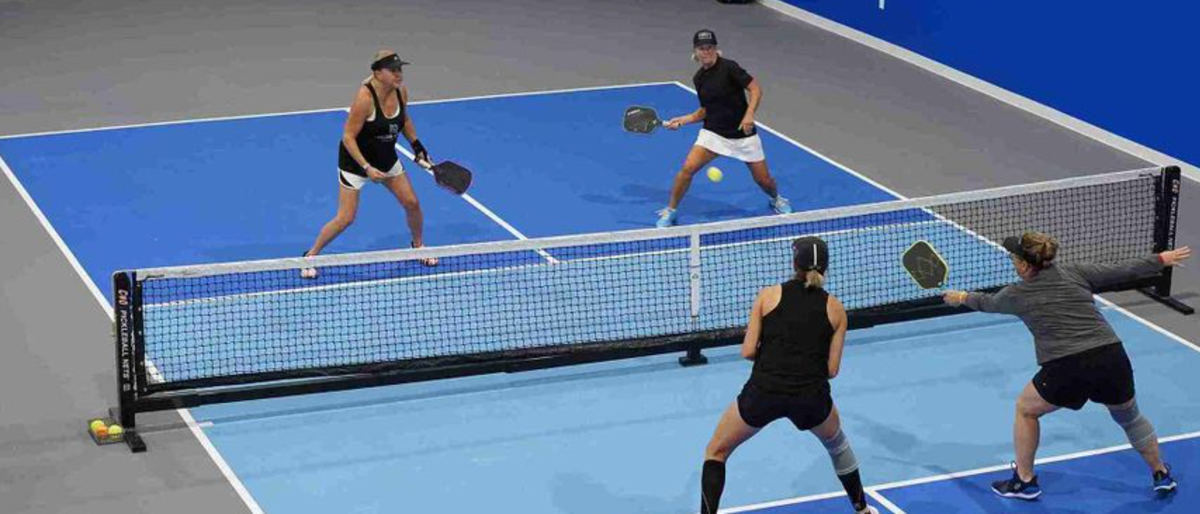
Drills That Finally Answer, "Why Can't I Control Pickleball Shots?"
You don't fix grip and angle problems by reading about them. You fix them with reps that isolate the exact failure point. Try these:
- Wall taps for grip pressure. Stand three feet from a wall and tap a ball back and forth using only wrist and forearm, the same soft touch behind a clean return block or smash. If the ball flies off unpredictably, your grip is too tight.
- Frozen paddle drills. Have a partner feed dinks while you focus only on setting paddle angle before the ball crosses the net, not adjusting mid swing.
- Spin awareness reps. Alternate topspin and backspin on the same shot to feel how angle and spin interact. Studying how to manage backspin or working with a topspin training tool speeds this up.
- Return of serve angle control. Since your return sets the tone, drilling return of serve mechanics with a target angle in mind builds the muscle memory you need at the kitchen.
- Deception reps at the net. Once grip and angle are consistent, layer in deception techniques so opponents can't read your shot before it leaves your paddle.
None of these are complicated. They're just specific, which is why most players skip them for more match play.
Participation data backs this up.
The 2025 SFIA Pickleball Participation Report shows the sport's fastest growing segment is players who've been on court one to three years, the exact window where these habits get fixed or baked in.
If you're in that window, fix it now, not two years from now when the habit is muscle memory.
 The Dink Media Team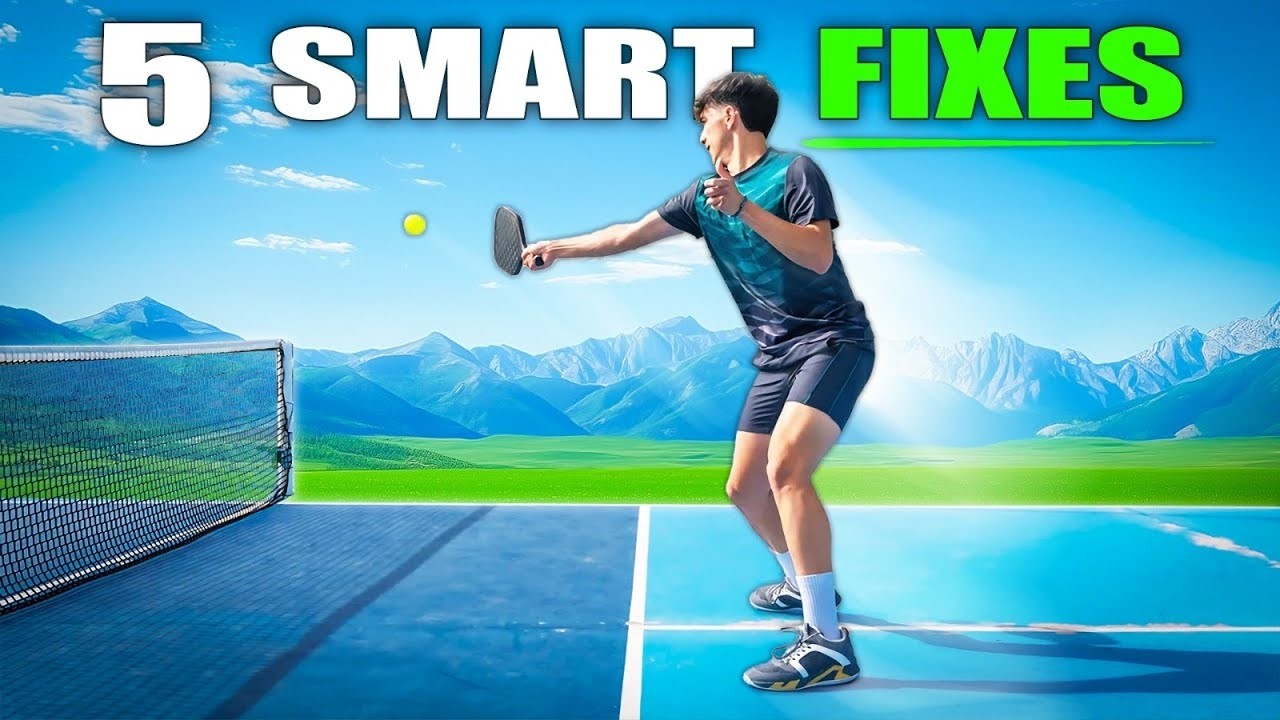
Building the Habit Beyond the Court
Court coverage matters too, but it's a distant second to the mechanical fix. A player with elite footwork and a bad paddle angle still nets it.
Pair this with court coverage tips for doubles and the fridge and toaster drill for the full picture.
Becoming unattackable is really a byproduct of control.
Once opponents can't predict your shot, they start making the errors, a concept covered in how to become unattackable in pickleball.
 The Dink Media Team
Key Takeaways
- Grip pressure around a 4 or 5 out of 10 gives you control without sacrificing reaction speed.
- Paddle angle is set during prep, not adjusted at the last second before contact, the same principle behind a clean reset shot.
- Different shots need different angles: open for dinks and drops, neutral to closed for drives.
- Backhands expose angle problems fastest since the face tends to drift open.
- Isolated drills targeting grip and angle fix control problems faster than simply playing more matches.
Frequently Asked Questions
Why can't I control my pickleball shots even after months of playing?
Most players plateau because they drill volume instead of mechanics. If grip pressure and paddle angle haven't been addressed, months of play just reinforce the same habits, similar to what happens with a different kind of reset that never gets fixed.
What grip gives the best control in pickleball?
A continental style grip, similar to what's used for a solid serve, gives you the most neutral starting point for forehand and backhand shots. Pair it with sound doubles court positioning and it avoids the extreme wrist positions that make paddle angle harder to control on quick exchanges.
Does paddle weight affect shot control?
Yes, but less than most players assume. A heavier paddle adds stability on drives, while a lighter paddle helps with quick net exchanges like the swing volley. Grip and paddle angle still matter more than weight for overall control.
How tight should I grip my pickleball paddle?
Aim for roughly a 4 or 5 on a 10 point scale, the same range that matters for a clean backhand volley. Tight enough to prevent twisting on contact, loose enough for your wrist and forearm to absorb pace.
Can paddle angle fix my third shot drop?
In most cases, yes. A third shot drop that consistently sails long or slams the net usually points to a paddle face that's too closed or too open at contact, the same issue that shows up when players try to return a slice without adjusting their face.

Love Pickleball? Join 100k+ readers for free weekly tips, news & gear deals.
Subscribe to The Dink